The landscape of the modern smart home is poised for a significant transformation as Apple Inc. prepares to extend its ecosystem deeper into domestic infrastructure. According to the latest industry intelligence provided by Bloomberg’s Mark Gurman, the Cupertino-based technology giant is developing a comprehensive home security and monitoring service scheduled for a 2027 rollout. This strategic move aims to integrate sophisticated artificial intelligence with proprietary hardware, marking a departure from traditional video-based surveillance systems toward a more privacy-centric paradigm.
The Evolution of Apple’s Smart Home Strategy
Apple’s interest in the home automation market is not a recent development, but it has historically been fragmented across the HomeKit framework and the Home app. However, current internal shifts suggest a more unified, hardware-heavy approach. The company is currently engaged in a massive overhaul of its smart home product lineup. This initiative includes updates to the Apple TV 4K, refreshed HomePod mini iterations, and the introduction of a new home hub device internally referred to as "HomePad."
The development of a dedicated security service represents the next logical step in Apple’s "walled garden" philosophy. By providing an end-to-end security solution, the company intends to capture a larger share of the recurring services market, which has become a primary driver of Apple’s revenue stability. Unlike competitors that rely on cloud-based video storage, Apple’s proposed solution emphasizes local processing and privacy, leveraging on-device AI to interpret environment data without relying on the transmission of raw video footage.
The Technological Shift: AI over Video
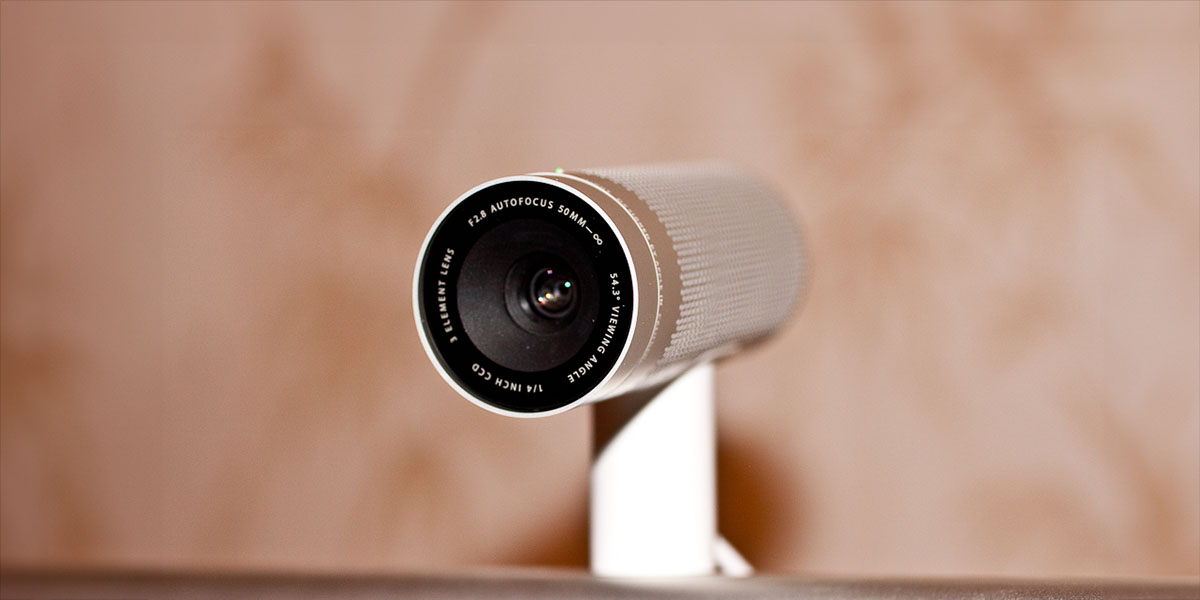
A central pillar of the upcoming 2027 security initiative is the "in-home security sensor," a device that departs from the conventional "always-on" camera model. Industry analysts note that this device is designed to monitor domestic environments using advanced sensing technology rather than traditional optical recording. By utilizing AI to analyze spatial awareness and human presence, the device can effectively identify security breaches while maintaining a standard of privacy that Apple has long marketed as a core brand value.
This shift addresses a primary consumer concern: the risk of unauthorized access to personal video feeds. By focusing on data interpretation—recognizing activities rather than capturing faces—Apple positions itself to navigate the increasingly stringent global data privacy regulations that have hindered other smart home manufacturers. This approach aligns with the company’s broader "Privacy is a Fundamental Human Right" campaign, ensuring that its security hardware remains attractive to high-end, security-conscious consumers.
Market Context and Economic Implications
The global home security market is projected to reach significant valuation levels by the end of the decade. Currently dominated by players like Amazon (Ring), Google (Nest), and ADT, the sector is characterized by intense competition and a transition toward subscription-based monitoring. For Apple, entering this space is not merely about selling hardware; it is about ecosystem lock-in.
The potential for a bundled service is high. Apple already maintains a robust services ecosystem through Apple One, which aggregates iCloud, Apple Music, Apple TV+, and Apple Fitness+. Adding a home security and monitoring subscription to this bundle would significantly increase the value proposition of the service, potentially reducing churn and encouraging multi-device adoption.
Economically, the move serves as a hedge against the cyclical nature of hardware sales. As smartphone penetration reaches saturation in developed markets, Apple has increasingly turned to its services division to drive growth. A recurring monthly subscription for professional or self-monitored home security represents a predictable, high-margin revenue stream that satisfies investor demand for stability.
Chronology of Home-Centric Development
To understand the scale of this project, it is necessary to examine the recent timeline of Apple’s home-focused R&D efforts:
- 2024–2025: Apple begins to consolidate its HomeKit and Matter standards, focusing on interoperability. Rumors emerge regarding a "HomePad" smart display that functions as the central nervous system for the home.
- Late 2026: Preparations for a comprehensive overhaul of the home product line begin. Internal reports suggest that Apple is testing AI-driven environmental sensors that operate independent of traditional cameras.
- September 2026: Mark Gurman reports on the development of a security-specific service layer, confirming that the hardware will be supported by a dedicated professional or semi-professional monitoring architecture.
- 2027 (Anticipated): Official launch of the Apple Home Security and Monitoring system, likely accompanied by a new tier within the Apple One services bundle.
Challenges in the Security Sector
While Apple has a strong track record of success, the home security industry presents unique challenges. Unlike consumer electronics, which are replaced every few years, security systems are long-term infrastructure investments. Consumers are often hesitant to switch providers due to the complexity of installation and the reliability required for emergency services.
Apple must also navigate the legal and liability hurdles associated with monitoring systems. If the service includes professional monitoring—where a third-party service alerts emergency services—Apple will need to establish partnerships with local law enforcement and first responders in every market it enters. This is a significant logistical hurdle that could dictate the speed of the global rollout.

Furthermore, the integration of AI must be flawless. False positives—such as a security system mistaking a pet or a houseplant for an intruder—can lead to "alert fatigue" and rapid loss of user trust. Apple’s reputation for "it just works" will be tested in a field where error margins are effectively zero.
Strategic Implications for Competitors
The entry of a major player like Apple into the home security space will likely force incumbents to rethink their pricing and privacy strategies. If Apple successfully markets a high-privacy, sensor-based security system, competitors may find themselves forced to adopt similar local-processing technologies to remain competitive.
Amazon’s Ring and Google’s Nest have historically relied on cloud-heavy models. A pivot to local, privacy-first processing by Apple could create a bifurcation in the market: one side focusing on low-cost, cloud-integrated mass-market security, and the other (Apple) focusing on premium, privacy-centric, and highly integrated home automation.
Future Outlook
As the 2027 launch date approaches, industry observers will be watching for signs of how Apple plans to integrate this service into its broader AI strategy, specifically Apple Intelligence. It is highly probable that the security system will leverage the device’s local neural engines to provide real-time updates directly to the user’s iPhone, iPad, and Apple Watch, creating a seamless alert loop that feels native to the user experience.

The broader impact of this initiative is clear: Apple is moving toward a future where the home is no longer just a place to use its devices, but a platform managed by them. By controlling the security layer of the house, Apple gains an unprecedented level of insight into the home environment, which, if handled with the company’s typical attention to privacy, could define the standard for smart homes in the 2030s.
Ultimately, whether this system gains widespread adoption will depend on the pricing structure and the perceived reliability of the AI-driven sensors. If Apple can prove that its privacy-first model is just as effective as traditional video monitoring, it may well disrupt the home security industry in the same way it transformed the music and mobile phone markets decades ago. For now, consumers and investors alike await further details on the specifications and regional availability of what is shaping up to be Apple’s most ambitious home project to date.