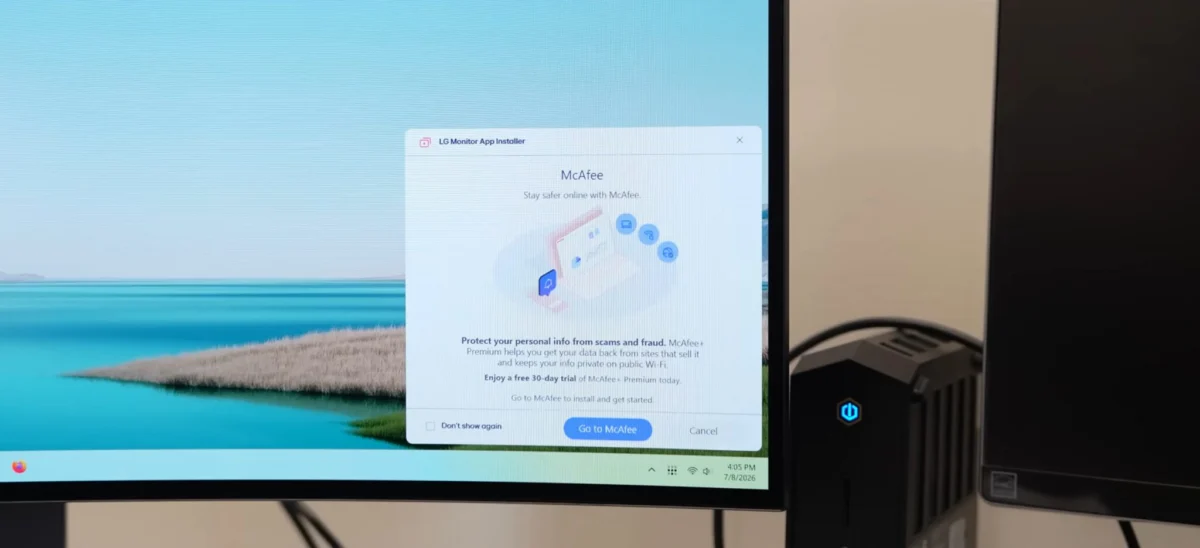
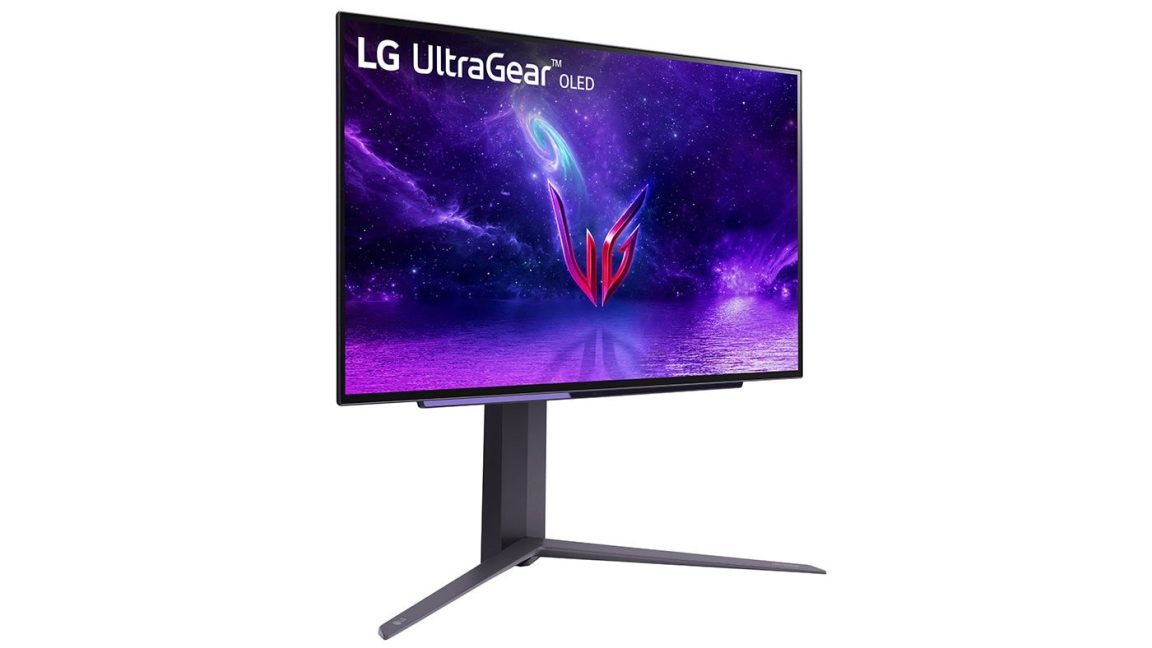
Users across various platforms are reporting the unsolicited installation of the LG Monitor App Installer, an application that appears on Windows systems without explicit user consent or a prior prompt for permission. This revelation has ignited a significant privacy debate, particularly given that LG produces some of the most expensive computer monitors on the market, with some models costing upwards of $1,000. The presence of forced advertisements and an application demanding extensive system and personal data permissions on such premium hardware is proving to be a highly disruptive and concerning development for consumers.
The Stealthy Installation of LG Monitor App Installer
The core of the controversy lies in the manner of installation. Reports indicate that the LG Monitor App Installer and its associated advertisements are appearing on users’ Windows operating systems without any clear notification or opt-in mechanism from LG. This stealthy deployment challenges conventional user expectations for software installation, especially from a reputable hardware manufacturer. For a company known for its high-end display technology, the practice of pushing unrequested software—often categorized as "bloatware"—onto customer machines is seen by many as a breach of trust. The issue is exacerbated by the fact that these monitors are not entry-level devices but rather premium investments, where users anticipate a pristine and advertisement-free experience commensurate with the price paid.
The installation process itself appears to leverage mechanisms within the Windows ecosystem, specifically Windows Update, as evidenced by screenshots shared by tech analysis channels like Gamers Nexus. This method allows the application to bypass traditional user approval dialogues, making its appearance on a system unexpected and often inexplicable to the average user. The immediate consequence is a system potentially burdened with an unwanted application, coupled with the intrusive nature of pop-up ads that detract from the user experience and productivity. For many, purchasing a high-performance monitor is an investment in a clean, efficient workspace; the sudden appearance of unsolicited ads undermines this fundamental expectation.
Unpacking the Profound Privacy Implications
Beyond the annoyance of unsolicited software and ads, the permissions requested by the LG Monitor App Installer are a focal point of alarm. As highlighted by Burke, a prominent figure in the investigation, once installed, "LG technically possesses permission to use ‘all system resources’," a broad mandate that raises immediate red flags. This extensive access is not merely theoretical; the app’s terms and conditions reportedly grant LG the authority to "collect geolocation, device data, online activity, contacts, user credentials, transactions, and more."
Such a comprehensive scope of data collection is unprecedented for a peripheral device’s companion application. Monitors are typically viewed as output devices, requiring minimal interaction with a user’s personal data beyond display settings. The notion that a monitor’s supporting software could monitor online activity, access contacts, or even track financial transactions fundamentally shifts the privacy paradigm. This level of data harvesting raises serious questions about data security, potential misuse, and whether users can truly maintain control over their digital lives when a seemingly innocuous hardware component becomes a conduit for extensive surveillance. The potential for this data to be monetized, shared with third parties, or compromised in a breach represents a significant risk to user privacy and digital autonomy.
A Chronology of Expanding Concerns and Industry Trends
The issue of LG’s unsolicited app installation is not a sudden occurrence but rather a problem that appears to have been brewing for some time and has recently escalated. Burke’s observation that he began seeing pop-up ads on LG monitors purchased three years ago suggests that this practice has been ongoing for a considerable period, albeit perhaps in a less overt or widespread manner initially. The recent increase in visibility, likely due to more aggressive deployment or heightened scrutiny from the tech community, indicates a potential expansion of LG’s strategy.
This timeline aligns with a broader industry trend where hardware manufacturers increasingly seek to extract value beyond the initial sale of their products, often through software services, data collection, or third-party advertisements. What started as simple driver installations has evolved into complex software suites that often include optional, and now seemingly mandatory, components designed to extend the company’s reach into the user’s digital environment. The progression from discrete, consent-based installations to stealthy, system-level deployments marks a concerning shift in how hardware vendors interact with their customer base.
Microsoft’s Role and the Universal Windows Platform
The controversy also shines a spotlight on Microsoft’s policies regarding Universal Windows Platform (UWP) device apps and their automatic installation capabilities. The LG Monitor App Installer’s description on the Microsoft Store vaguely states its purpose as enabling users to "easily install and use apps supported by your monitor," notably listing McAfee as one such app. This suggests a potential partnership or revenue stream for LG through third-party software installations.
Crucially, Microsoft’s own documentation for Windows developers explicitly permits UWP device apps "to automatically install when the user connects their device to the PC." This occurs under specific conditions: if the user has not opted out of "Recommended Settings" during Windows installation, is connected to the Internet, and is signed into the Microsoft Store. While this feature aims to streamline device setup, Microsoft’s support page includes a telling warning: "The automatic installation feature does not provide a notification to the user when the app is installed. Some users may find this experience confusing and frustrating and give your app a bad rating."
This acknowledgment from Microsoft highlights a fundamental tension between convenience and informed consent. While automatic installation can simplify the initial setup for many users, the lack of notification, as Microsoft itself points out, creates an environment where unwanted software can be installed without the user’s explicit knowledge or approval. This policy, therefore, inadvertently enables practices like LG’s, where users are left to discover unsolicited software and advertisements after the fact, leading to confusion, frustration, and a sense of betrayal. It raises questions about Microsoft’s responsibility in curating its app ecosystem and ensuring user transparency, especially when third-party software with extensive permissions is involved.
Industry-Wide Bloatware Battle: A Recurring Problem
The issue with LG is not an isolated incident but rather a prominent example of a pervasive problem within the hardware industry: the installation of "bloatware" or unwanted software. Numerous other hardware vendors have faced similar criticism for automatically installing unnecessary or intrusive software when their devices are connected to a computer.
- Razer: Known for its gaming peripherals, Razer has been criticized for forcing users to install its Synapse software, which often comes with additional bloat or requires persistent internet connections, even for basic device functionality.
- Logitech: Another giant in gaming and productivity peripherals, Logitech’s software suites (like G HUB or Options) have been flagged for being resource-intensive, installing without explicit consent, or bundling additional unwanted applications.
- Asus: A major motherboard and PC component manufacturer, Asus has faced backlash for its Armoury Crate software, which sometimes auto-installs and includes features that some users consider unnecessary or intrusive, impacting system performance.
- Gigabyte: Similar to Asus, Gigabyte has also been accused of installing bloatware, such as its App Center or other utilities, without proper user notification, often through motherboard drivers or associated software.
What makes LG’s case "particularly egregious" in the context of this broader trend is the nature of the device: a monitor. Unlike gaming mice or motherboards, which might plausibly require sophisticated software for customization or system optimization, a monitor’s primary function is display. The need for a comprehensive "Monitor App Installer" that collects vast amounts of personal data and pushes ads is highly questionable, especially when many high-end monitors function perfectly well with standard display drivers. The perceived value of a premium monitor is significantly diminished when it comes bundled with unasked-for software that compromises privacy and introduces advertising.
LG’s Silence and the Call for Accountability
In response to these burgeoning concerns, Ars Technica, a respected technology publication, reached out to LG for comment on the purpose of the LG Monitor App Installer, the range of affected monitors, and the serious privacy implications. While an LG company representative acknowledged receipt of these questions, no substantive response was provided ahead of publication.
This silence, while not an admission of wrongdoing, is often interpreted by consumers and the media as a lack of transparency or an indication that the company is unprepared to address the gravity of the situation. In the face of widespread user frustration and detailed technical investigations by outlets like Gamers Nexus (who provided screenshots and identified monitors like the LG 34GP950G, 27GP950, and 27GN950 as affected based on user complaints), a lack of official clarification only exacerbates consumer distrust. The absence of a public statement leaves users in the dark about the company’s intentions, the necessity of the app, and any potential recourse or opt-out mechanisms. It also fuels speculation about the company’s commitment to user privacy and its ethical approach to software distribution.
Broader Impact and the Path Forward for Consumers and Regulators
The LG Monitor App Installer controversy has far-reaching implications, extending beyond just LG customers. It underscores a critical juncture for consumer rights in the digital age, particularly concerning hardware and embedded software.
- Erosion of Consumer Trust: When premium brands engage in such practices, it erodes the fundamental trust consumers place in them. Users expect that paying a premium price guarantees not just superior hardware but also a respectful and transparent user experience, free from hidden agendas like unsolicited data collection and forced advertising.
- Regulatory Scrutiny: The extensive data collection permissions cited—geolocation, online activity, user credentials, transactions—could potentially draw the attention of privacy regulators worldwide. Laws like the General Data Protection Regulation (GDPR) in Europe and the California Consumer Privacy Act (CCPA) in the United States mandate strict requirements for informed consent regarding personal data collection. The automatic, unprompted installation of software with such broad permissions without explicit consent could be viewed as a violation of these regulations, particularly if data is collected from users within those jurisdictions.
- Challenges for Consumers: For the average consumer, identifying and removing such stealthily installed bloatware is a significant challenge. Many may not even be aware of its presence, let alone its extensive data-gathering capabilities. This places an unfair burden on users to constantly police their systems for unwanted software from trusted hardware vendors.
- Future of "Smart" Devices: This incident also serves as a cautionary tale regarding the increasing "smart" capabilities of everyday devices. As more hardware becomes connected and capable of running applications, the lines between hardware, software, and data collection blur. Consumers must remain vigilant and demand greater transparency and control over what their devices are doing in the background.
To mitigate such issues, consumers are advised to regularly review installed applications on their systems, be cautious during initial Windows setup to opt out of "Recommended Settings" if they prefer manual control, and utilize trusted anti-malware and system monitoring tools. For regulatory bodies, this incident highlights the need for clearer guidelines and enforcement mechanisms for hardware manufacturers regarding pre-installed and automatically installed software, particularly when it involves sensitive user data. The expectation must shift towards explicit, informed consent for any software installation that goes beyond essential device functionality, ensuring that a premium price tag reflects a premium, privacy-respecting user experience.