The wedding day is a symphony of moments, each contributing to the grand narrative of a couple’s commitment. Amidst the vibrant celebrations, from the anticipatory bridal preparations to the joyous reception, the bridal portraiture stands as a cornerstone of wedding photography. These images are not merely snapshots; they are timeless testaments to the bride’s radiance, capturing her beauty, emotion, and the exquisite details of her special day. Wedding photographers, tasked with preserving these invaluable memories, navigate a complex timeline, encompassing everything from the delicate artistry of bridal makeup to the energetic embrace of the dance floor. Within this demanding schedule, the bridal portrait session demands particular attention and skill. This comprehensive guide offers essential tips, creative ideas, and inspiring insights for photographers seeking to elevate their bridal portraiture, ensuring they deliver images that will be cherished for generations.

The Significance of Bridal Portraits in the Wedding Narrative
Wedding photography is a multifaceted discipline, requiring photographers to be adept storytellers capable of weaving together a diverse range of scenes. The bridal portrait session, however, holds a unique significance. It is often the first extended period dedicated solely to the bride after she has donned her wedding attire. This is her moment to shine, to embody the elegance and joy of the occasion. The pressure on the photographer is to not only capture her physical beauty but also the emotional resonance of the day. Industry statistics consistently highlight the importance of these images for couples; a recent survey indicated that over 90% of couples prioritize high-quality bridal portraits in their wedding photography packages. This underscores the critical role photographers play in immortalizing this pivotal aspect of their wedding story.

Essential Bridal Portraiture: The Foundation of a Timeless Album
While creative exploration is encouraged, a foundational set of "must-have" shots provides a reliable framework for any bridal portrait session. These core images ensure that the essential elements of the bride’s appearance and the day’s significance are meticulously documented. This approach, often referred to as "assisted photojournalism," balances the need for client satisfaction with the photographer’s artistic vision, guiding the natural flow of the day while ensuring key moments are captured.

Detailed Elegance: Capturing the Nuances of Bridal Style
The bridal preparation phase offers a crucial window for capturing intricate details. These elements, often overlooked in the rush of the day, contribute significantly to the overall narrative and the richness of the final album. Beyond the conventional product-style arrangement of the dress, shoes, and rings, photographers are encouraged to integrate these details into the bride’s presence, adding context and amplifying her role as the central figure.

- The Dress: Beyond a simple full-length view, focus on the unique textures, beading, lace, and any intricate embellishments that define the gown. Capturing these details up close allows for a deeper appreciation of the craftsmanship.
- Footwear: The shoes are more than just accessories; they represent the journey the bride is about to embark upon. Consider angles that showcase their style and elegance, perhaps hinting at the path ahead.
- Jewelry and Accessories: From delicate earrings to a statement necklace, these personal touches add character and sentiment. A close-up of the rings, perhaps intertwined with the bride’s fingers, is a classic and powerful image.
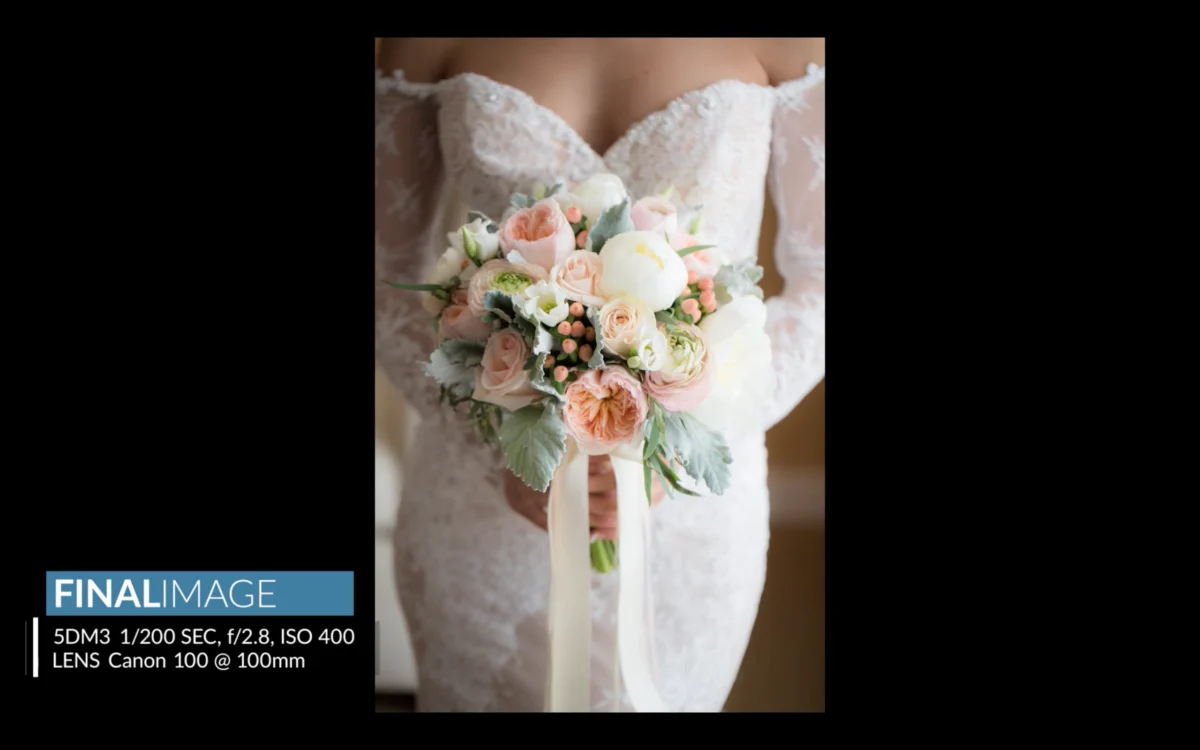
- The Bouquet: The floral arrangement is an artistic statement in itself. Capture its texture, color, and composition, often with the bride’s hands gently holding it.
- Hair and Makeup Details: A subtle shot focusing on the bride’s lashes, her carefully styled hair, or the delicate application of her makeup can highlight the artistry involved in her transformation.
The strategic capture of these details not only enhances the visual appeal of an album spread but also serves as a poignant reminder of the meticulous planning and personal significance invested in each element of the wedding day.
The Quintessential 3/4 Bridal Portrait: A Versatile Pose

The 3/4 standard bridal portrait, typically framing the subject from the head down to just below the knees, remains an indispensable shot. This framing allows for a balanced composition that showcases the bride’s attire while retaining a sense of her presence. The key to maximizing the impact of this pose lies in its adaptability. Rather than quickly moving to a new pose, photographers should explore variations within the existing stance.
- Subtle Shifts in Expression: Encourage the bride to convey a range of emotions – from a soft smile to a thoughtful gaze, or even a moment of quiet contemplation. These subtle emotional nuances can transform a single pose into a collection of distinct images.
- Direction and Interaction: Photographers often act as directors during a bridal session. Providing gentle cues, such as asking the bride to recall a happy memory or to imagine her future, can elicit natural and flattering expressions. This "assisted photojournalism" approach aims to capture authentic reactions within a guided scenario.
- Exploiting Variations: Even minor adjustments to the bride’s posture, the angle of her head, or the placement of her hands can create significant visual differences, yielding a rich variety of images from a single setup.
Full-Length Bridal Portraits: Showcasing the Ensemble

Every bride desires a comprehensive, full-length depiction of her wedding gown. This shot serves as a definitive record of the chosen attire, capturing its silhouette, train, and overall grandeur. The photographer’s role here is to accentuate the bride’s form and the dress’s design through deliberate posing and attention to detail.
- Flattering the Silhouette: Tiny adjustments to the bride’s stance, the drape of the fabric, and the posture of her body can dramatically enhance her figure and the dress’s aesthetic. Demonstrating poses can be more effective than verbal instructions, ensuring the bride understands the desired outcome.
- Emphasis on Fabric and Flow: Instructing the bride to gently extend her train, to subtly shift her weight, or to engage with the fabric of her dress can create dynamic and elegant compositions.
- Head-to-Toe Posing: Ensuring that every element, from the bride’s head position to the placement of her feet, contributes to a harmonious and flattering image is crucial.
Seated Bridal Portraits: Grace and Poise
Capturing the bride in a seated pose requires a keen understanding of how the female form is presented in this position. Posture is paramount, as a slumped or relaxed stance can diminish the bride’s natural elegance and the length of her spine.
- Maintaining Spinal Alignment: Encourage the bride to sit upright, elongating her spine and avoiding any tendency to hunch. This simple adjustment can profoundly impact the flattering nature of the image.
- Strategic Camera Angle: Shooting slightly from above the bride’s eye level and aligning the camera with her spine can prevent the body from appearing disproportionately large and ensure a more aesthetically pleasing composition.
- Leveraging the Environment: A well-chosen chair or a comfortable seating area can enhance the overall mood and narrative of the seated portrait.
Creative Veil Portraits: An Ethereal Dimension

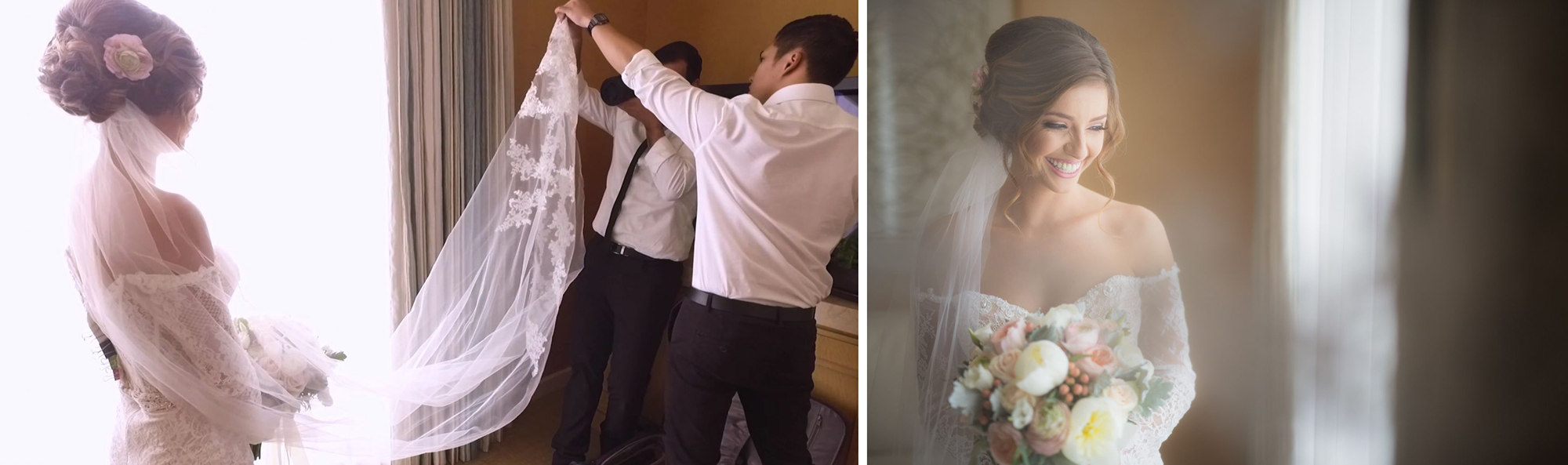
The bridal veil, often an understated yet significant accessory, presents a remarkable opportunity for creative photographic expression. The "shoot-through" technique, where the veil is held in front of the lens, introduces a dreamlike texture and softens the overall image.
- Controlled Obscurity: While the veil adds a layer of ethereal haze, it is crucial to maintain tack-sharp focus on the bride’s face. The veil should enhance, not obscure, her features.
- Strategic Focus: Pay close attention to the focal point, ensuring the bride’s eyes are crystal clear, even as the veil creates a soft blur in the foreground.
- Beyond the Veil: Explore other creative accessories that can add unique visual elements to bridal portraits, such as vintage props, delicate fabrics, or even natural elements from the surroundings.
Additional Bridal Portrait Considerations

Beyond the core "must-have" shots, several other portrait styles offer opportunities to capture unique moments and enhance the bride’s portfolio.
- Pre-Dress Portraits (Robe Portraits): This informal session, often capturing the bride in her robe, is an excellent time to highlight the artistry of her hair and makeup. These images offer a more relaxed and intimate glimpse into the bridal preparation process.
- Journalistic and Environmental Portraits: Stepping back from posed shots, photographers can utilize wider lenses (such as 35mm or 24mm) to capture the bride within her environment. These images tell a story, showcasing the atmosphere and context of the wedding day. Look for unique reflections, interesting architectural elements, or natural backdrops that can add depth and character to the portraits.
- Golden Hour Outdoor Portraits: The soft, warm light of the "golden hour" (the period shortly after sunrise or before sunset) provides a magical backdrop for bridal portraits. This is an ideal time to capture the bride individually or with her bridesmaids, utilizing the flattering natural light to create luminous and romantic images.
Strategic Lighting Techniques for Impactful Bridal Portraits

While natural light is often the preferred medium for bridal portraits, understanding and employing artificial lighting techniques can elevate the imagery and overcome challenging lighting conditions.
- Utilizing Natural Light: Proximity to windows indoors or seeking open shade outdoors provides soft, diffused light that is ideal for flattering portraits.
- Creative Flash Techniques:
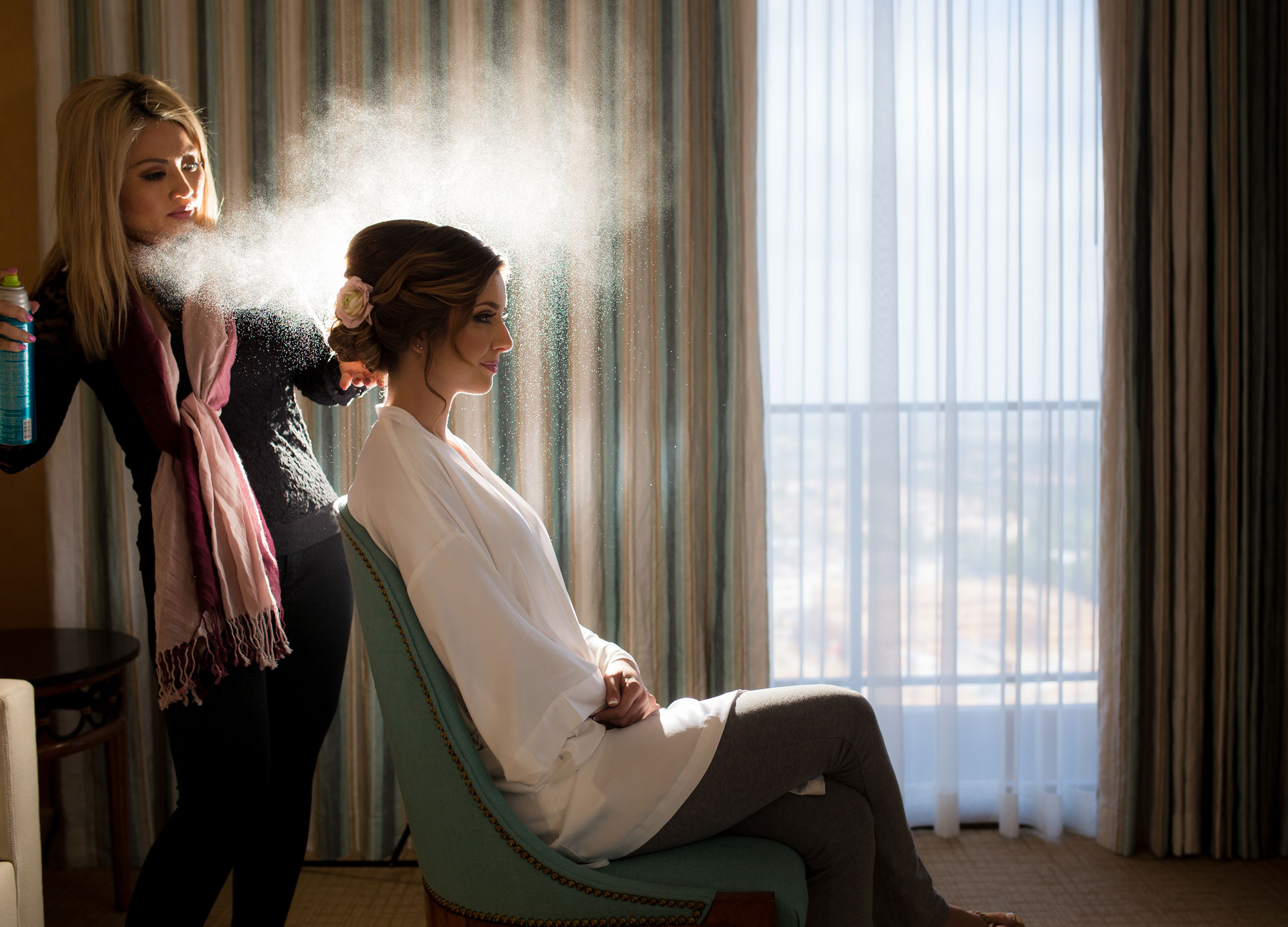
- Backlit Hairspray Shot: This popular technique involves using a flash positioned behind the bride, often with a hairspray mist in the air, to create a luminous halo effect. This shot is particularly cherished by brides and their hair and makeup artists.
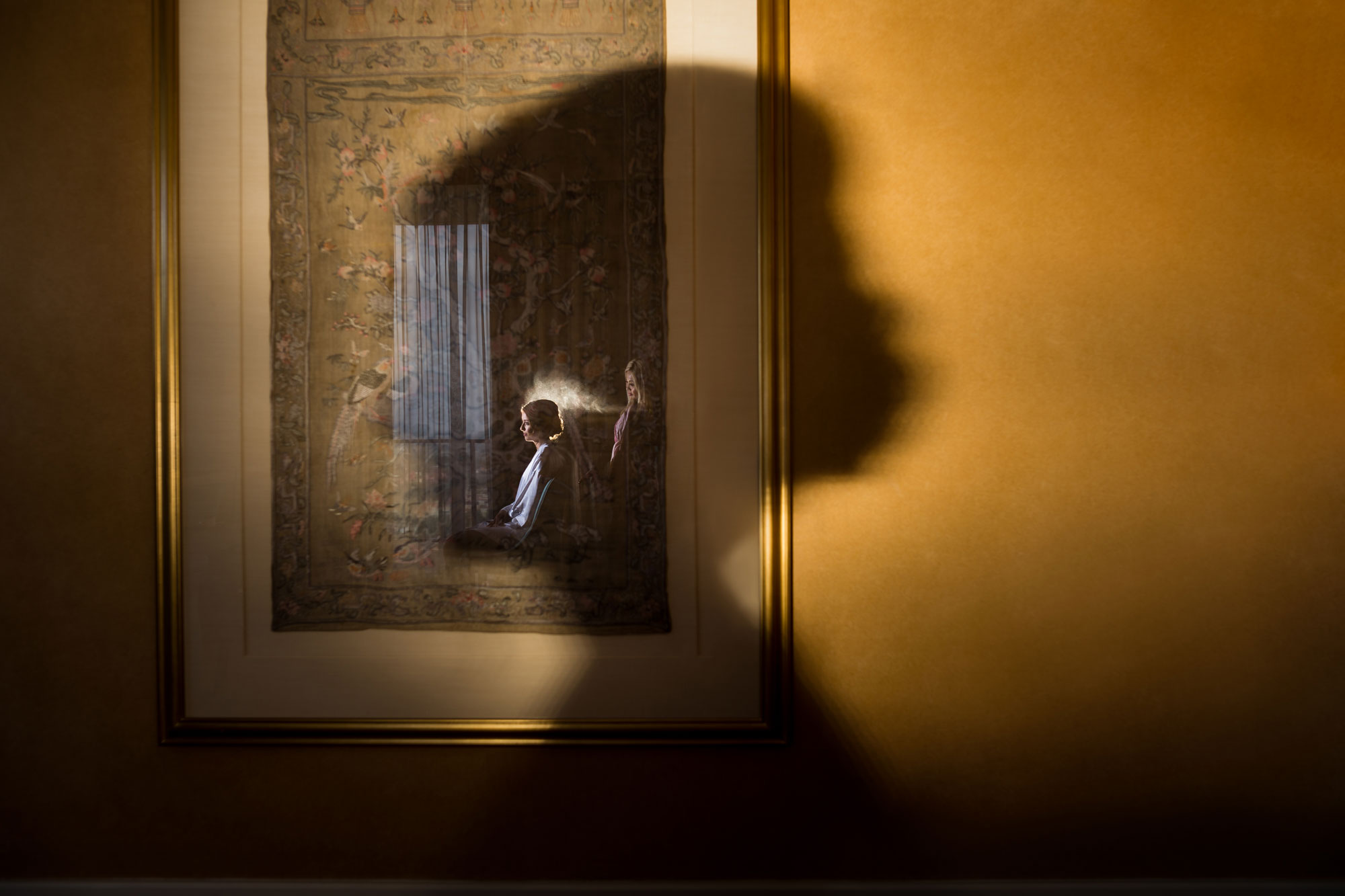
- Shadow Photography: Building upon the backlit concept, creative use of flash can cast intriguing shadows, transforming a standard portrait into an artistic statement. This might involve using reflective surfaces or architectural elements to shape the shadows.
- Window Light Modification: A 5-in-1 reflector, with a cut-out section, can be used in conjunction with window light to create a high-key effect. By posing the bride in front of a window and shooting through the reflector, photographers can achieve soft, sculpting light with controlled catchlights. A telephoto lens (85mm or longer) is often recommended for this technique to achieve pleasing compression and bokeh.
- Side Lighting for Dimension: By repositioning the bride relative to the light source (e.g., a window), photographers can introduce side lighting. This technique adds dimension and sculpts features through the interplay of light and shadow, particularly beneficial for highlighting the details of a bouquet or intricate fabric textures.
Shooting for the Edit: A Proactive Approach to Post-Production
The demands of a wedding day often necessitate efficient shooting and a clear vision for the final edit. A well-planned bridal portrait session anticipates the post-production process, ensuring that the captured images lend themselves to a cohesive and polished final product.
- Pre-Visualization: Before the session begins, scope out the available light and potential backdrops. Having a clear idea of the desired shots will allow for swift execution and maximum efficiency.
- Cohesive Album Flow: Consider how the bridal portraits will integrate into the overall wedding album. While variety is essential, aim for a consistent aesthetic in terms of lighting, contrast, and color palette. Grouping images with similar visual characteristics will create a more harmonious and aesthetically pleasing narrative.
- Print Planning: Remember that many of these images will eventually be printed. Shooting with an eye towards how the photographs will appear on paper, considering resolution and potential cropping, is a crucial aspect of professional practice.
Conclusion: The Art and Reward of Capturing Bridal Radiance
Weddings present a unique blend of challenge and reward for photographers. The pressure to capture fleeting, significant moments under diverse conditions is immense. However, the creation of stunning bridal portraits, images that encapsulate a bride’s beauty and joy on one of the most important days of her life, offers profound professional satisfaction. By embracing these essential tips, creative ideas, and lighting techniques, photographers can approach each bridal portrait session with confidence, ensuring they deliver a portfolio of images that will be treasured for a lifetime. The dedication to mastering this art form not only elevates a photographer’s craft but also provides an invaluable service to couples embarking on their marital journey.