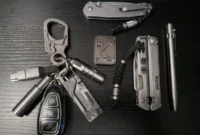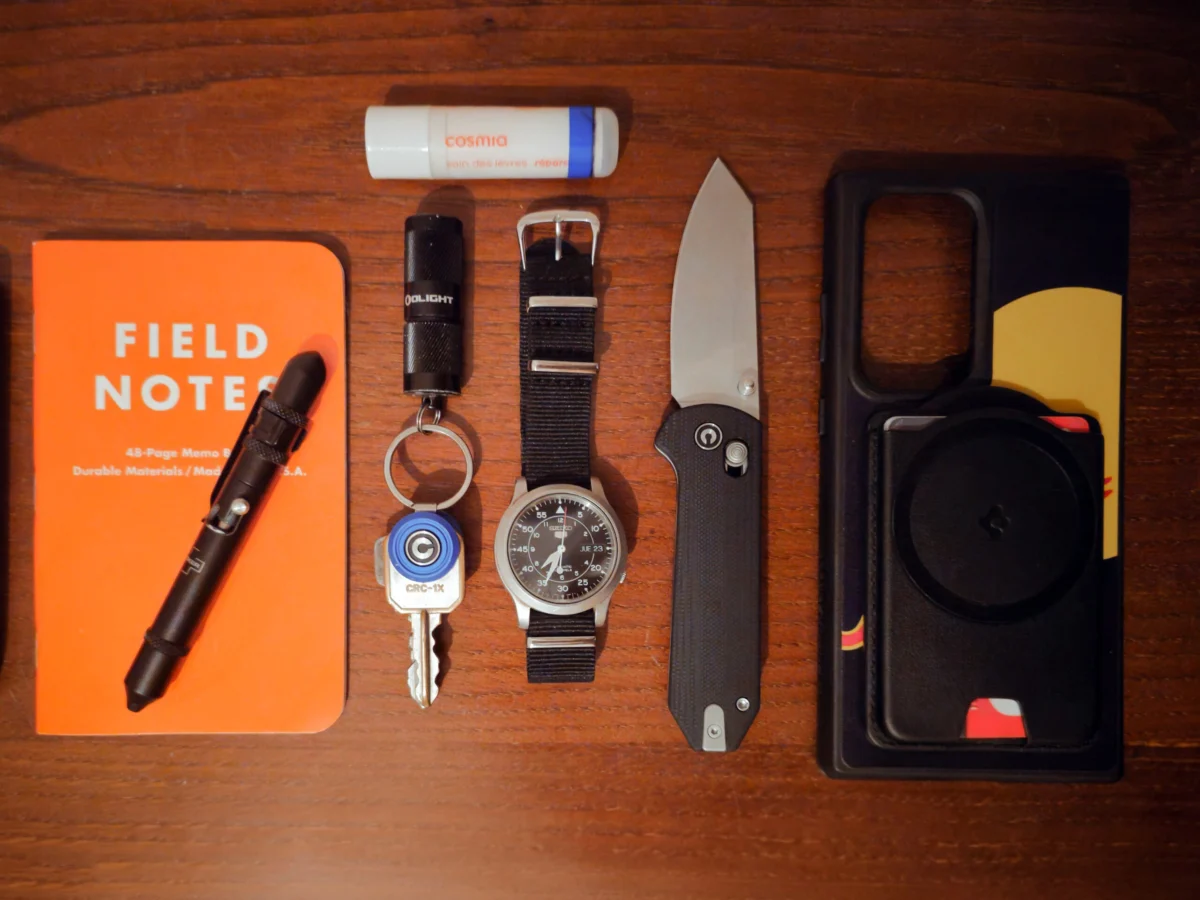
The Precision of Professional Utility Examining the Everyday Carry of an Aeronautical Automation Operator in Portugal serves as a compelling case study into the intersection of high-stakes technical professions and the rapidly evolving market for specialized personal equipment. In the demanding field of aeronautical automation, where precision and reliability are paramount, the selection of everyday carry (EDC) gear—the collection of items carried daily to handle both routine tasks and unexpected challenges—reflects a broader shift toward minimalist efficiency and high-performance utility. Ruben, a professional operator based in Portugal, recently showcased a curated equipment loadout that balances the rigors of the aerospace environment with the aesthetic sensibilities of modern industrial design. His kit, which features a strategic mix of award-winning cutlery, compact writing instruments, and modular digital accessories, highlights how professionals in technical sectors are increasingly prioritizing gear that offers maximum functionality with a minimal physical footprint.
The Professional Context of Aeronautical Automation Gear
The role of an Aeronautical Automation Operator involves the oversight, maintenance, and management of complex automated systems within the aviation sector. This environment requires tools that are non-obtrusive yet instantly accessible. For professionals like Ruben, the daily carry is not merely a collection of conveniences but a functional extension of their workstation. The necessity for gear that can withstand the vibrations of an industrial setting, the strict safety protocols of an airfield, and the high-density data management of an automation hub has driven the adoption of specific tool categories.
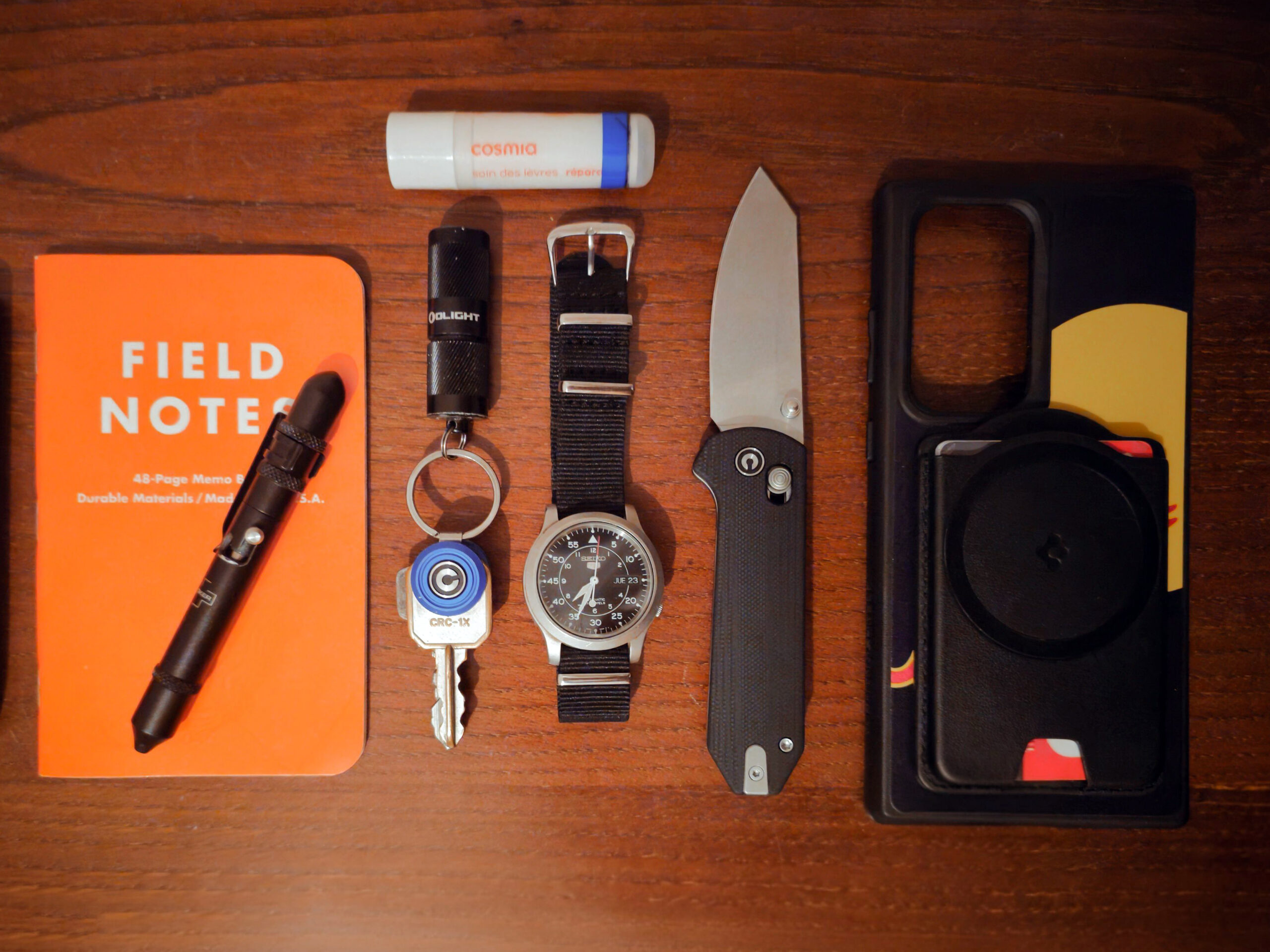
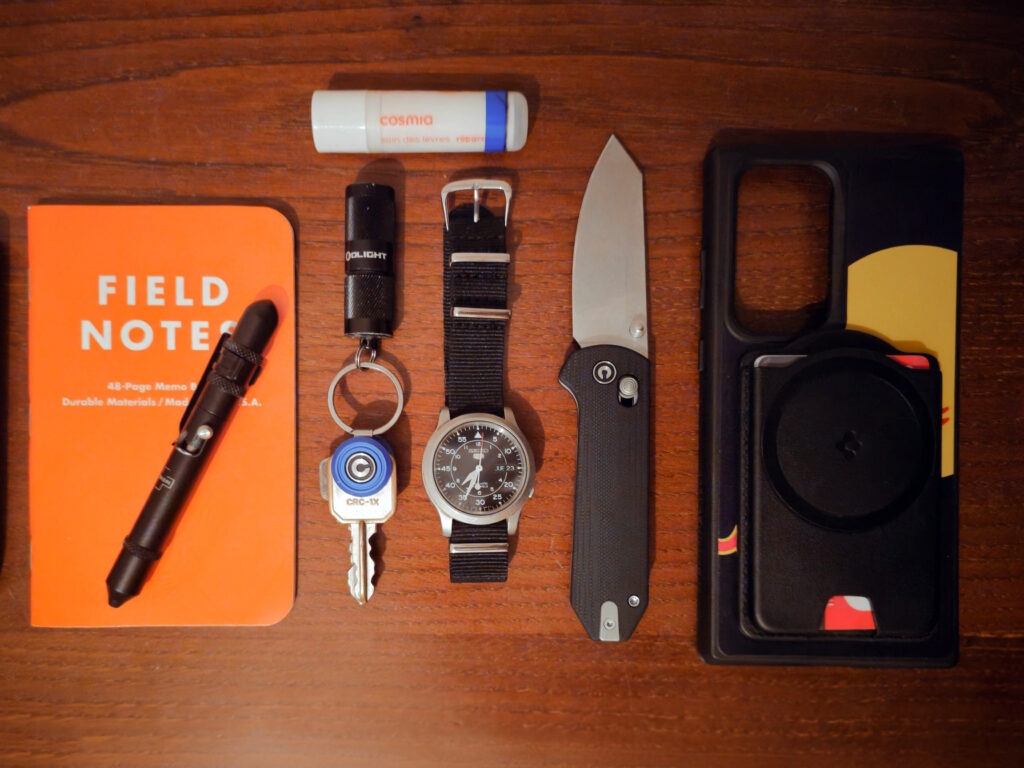
Ruben’s primary setup emphasizes a streamlined profile. By utilizing a magnetic wallet consolidated directly onto a smartphone, he eliminates the bulk of a traditional bifold, which can be a hindrance when moving through tight cockpits or equipment bays. Similarly, the inclusion of a mini bolt-action pen and a keychain-sized flashlight ensures that essential diagnostic and documentation tools are always within reach without occupying significant pocket space. This philosophy of "pocket management" is a hallmark of the modern technical professional, for whom every ounce of weight and millimeter of volume must be justified by utility.
The CIVIVI Yonder and the 2024 Industry Benchmark
Central to Ruben’s current equipment roster is the CIVIVI Yonder, a folding pocket knife that has recently garnered significant attention within the global hardware community. Designed by Zac Whitmore, an alumnus of the prominent retailer Blade HQ, the Yonder represents a shift in the knife industry toward "budget premium" offerings. The significance of this specific tool was solidified at Blade Show 2024, the world’s largest and most prestigious knife trade show, where the Yonder was awarded the title of "Best Buy of the Year."
The selection of the Yonder for an aeronautical environment is logically sound. It features a crossbar-lock mechanism, which is renowned for its strength and ambidextrous ease of use. In a technical setting where an operator might have one hand occupied by a control panel or a component, the ability to deploy and retract a tool with either hand is a critical safety and efficiency factor. Furthermore, the knife’s design philosophy—labeled as "no-nonsense" by industry analysts—aligns with the pragmatic requirements of Portuguese industrial operations. The Yonder provides a high-performance cutting edge without the prohibitive cost often associated with aerospace-grade folding tools, making it an ideal "user" knife that can be employed daily without fear of depreciating a collector’s item.
Chronology of EDC Evolution in Technical Fields
The evolution of the EDC movement from a niche hobby to a mainstream professional standard has occurred over the last two decades. In the early 2000s, professional carry was often defined by heavy, multi-purpose "multi-tools" and oversized tactical flashlights. However, a timeline of innovation has led to the current state of minimalist precision seen in Ruben’s kit:
- 2005–2010: The rise of the "Tactical" era, characterized by heavy-duty, overbuilt tools designed for extreme durability.
- 2011–2016: The "Minimalist" shift begins, with the introduction of slim wallets, key organizers like KeySmart, and the popularization of Field Notes notebooks for rapid analog data entry.
- 2017–2022: Materials science enters the mainstream EDC market. Titanium, carbon fiber, and high-vanadium steels become accessible at lower price points.
- 2023–Present: The "Integrated Utility" era. Gear is now designed to work in tandem with digital ecosystems (magnetic phone attachments) and aesthetic trends (color-matched dials and scales).
Ruben’s transition into using Field Notes and the CIVIVI Yonder marks a specific point in this chronology where the user prioritizes rapid analog documentation alongside modern mechanical locking systems. Despite the digital nature of aeronautical automation, the persistence of paper notebooks like Field Notes underscores a vital industry truth: in high-pressure environments, the speed and reliability of a physical pen and paper often surpass digital interfaces for quick note-taking and troubleshooting.
Supporting Data: The Growth of the High-Utility Gear Market
Market analysis indicates that the EDC sector is no longer a fringe market. According to recent consumer reports, the global pocket knife market alone is projected to grow at a compound annual growth rate (CAGR) of over 5% through 2030. Within this, the "Everyday Carry" segment is the fastest-growing sub-category. Brands like CIVIVI (a subsidiary of WE Knife Co.) have disrupted the traditional market by utilizing high-precision CNC manufacturing in China to produce designs that rival custom American-made tools at a fraction of the cost.
Furthermore, the "Tiffany" dial trend mentioned by Ruben—referring to the light turquoise color popularized by high-end luxury watches—has permeated the affordable watch market. The Casio Edifice series, which Ruben identifies as his preferred "off-the-clock" timepiece, represents a bridge between high-frequency quartz accuracy and professional aesthetics. The Edifice EFB-108D, often cited in this context, offers a sapphire crystal and 100-meter water resistance, providing the durability required for an automation operator while maintaining a profile suitable for formal or social environments.
Official Responses and Expert Analysis
Industry experts suggest that the "dressier" duo mentioned—the Kizer Feist and the Casio Edifice—reflects a growing trend of "modular carry." Analysts at EverydayCarry.com note that professionals are increasingly maintaining a "primary" work kit and a "secondary" social kit. The Kizer Feist, a front-flipper knife designed by Justin Lundquist, is often praised for its "gentleman’s folder" aesthetic, which offers high-end CPM-S35VN steel in a sleek, non-threatening package.
"The choice of gear for a professional in the aeronautical sector is a balance of liability and capability," says an industry analyst. "A tool like the CIVIVI Yonder provides the capability to handle heavy industrial packaging or wire stripping, while the Kizer Feist provides a discrete utility for an office or travel setting. Ruben’s ability to swap these items based on his environment shows a high level of gear literacy."
Broader Impact and Implications for Professional Standards
The adoption of standardized, high-quality EDC gear among technical professionals in Portugal and across Europe has broader implications for workplace safety and efficiency. When operators carry reliable, well-maintained tools, the "time-to-task" is significantly reduced. In aeronautical automation, where a system failure can have cascading effects on flight schedules and safety, the seconds saved by having a flashlight or a cutting tool immediately at hand are invaluable.
Moreover, the social media aspect of this trend, as seen on Ruben’s Instagram profile (@ruben_b_caeiro), fosters a global community of practice. Professionals share "loadouts," discuss the failure points of specific materials, and recommend gear that can withstand specific environmental stressors. This peer-to-peer review system has forced manufacturers to increase quality control and innovate faster.
The transition from bulky, inefficient pockets to a curated, minimalist system like the one Ruben employs is more than a matter of fashion; it is a refinement of the professional self. As aeronautical systems become more automated and digital, the physical tools required to maintain them must become more precise, more reliable, and more integrated into the operator’s daily life. The balance of value, such as the Blade Show-winning CIVIVI, and style, such as the Tiffany-dial Casio, represents the modern professional’s demand for equipment that performs as well as it looks.
In conclusion, Ruben’s everyday carry is a testament to the modern worker’s commitment to preparedness. By selecting items like the CIVIVI Yonder and planning for "dressier" alternatives like the Kizer Feist, he demonstrates a sophisticated understanding of how personal tools influence professional performance. As the EDC market continues to expand, the focus will likely remain on this intersection of high-value engineering and minimalist design, ensuring that professionals in every field are equipped for the challenges of the modern industrial landscape.