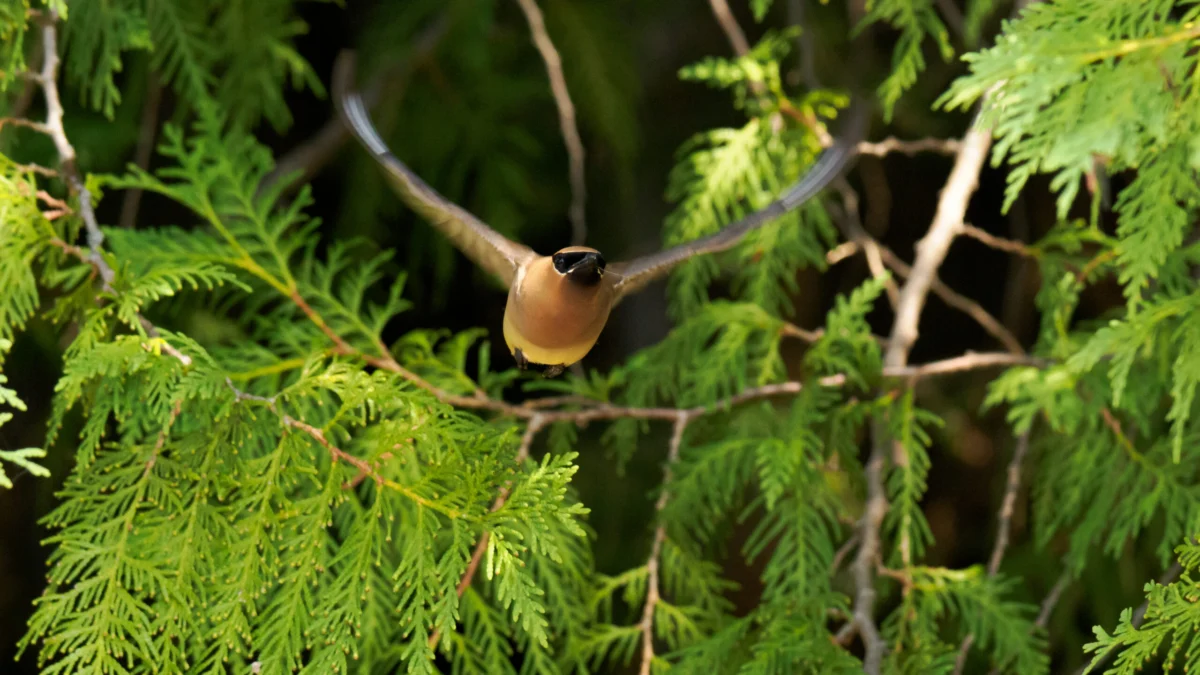
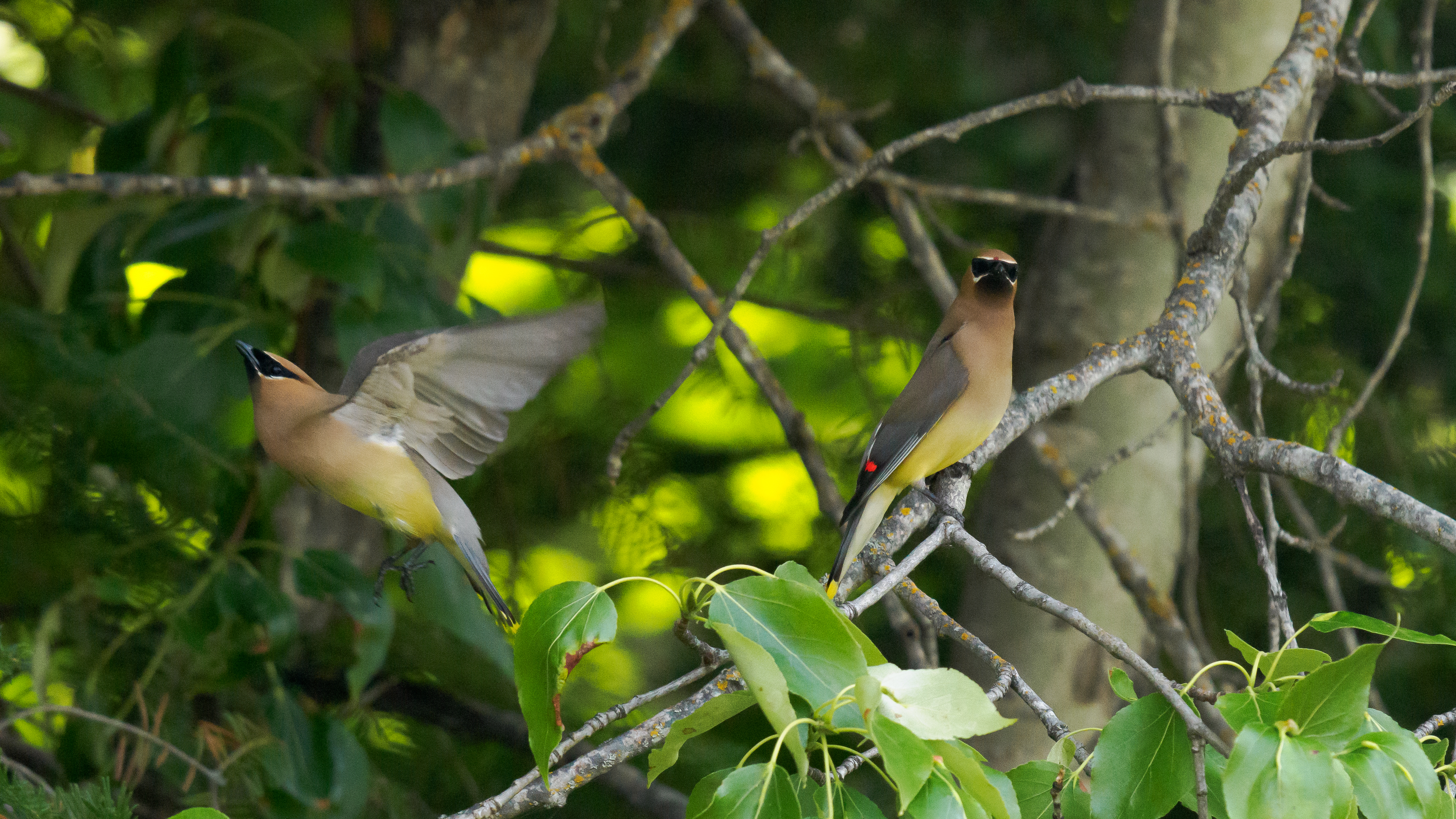
The mundane rhythm of a writer’s workday was unexpectedly punctuated by a vibrant spectacle outside the window, an event that transformed a quiet afternoon into an impromptu wildlife photography expedition. A flock of cedar waxwings, their sleek forms a testament to avian elegance, descended upon the immediate vicinity of a cabin, their focus entirely on a rich bounty of insects. This unexpected encounter, unfolding just beyond the glass, provided a rare and intimate glimpse into the feeding habits and surprisingly tolerant nature of these distinctive birds.
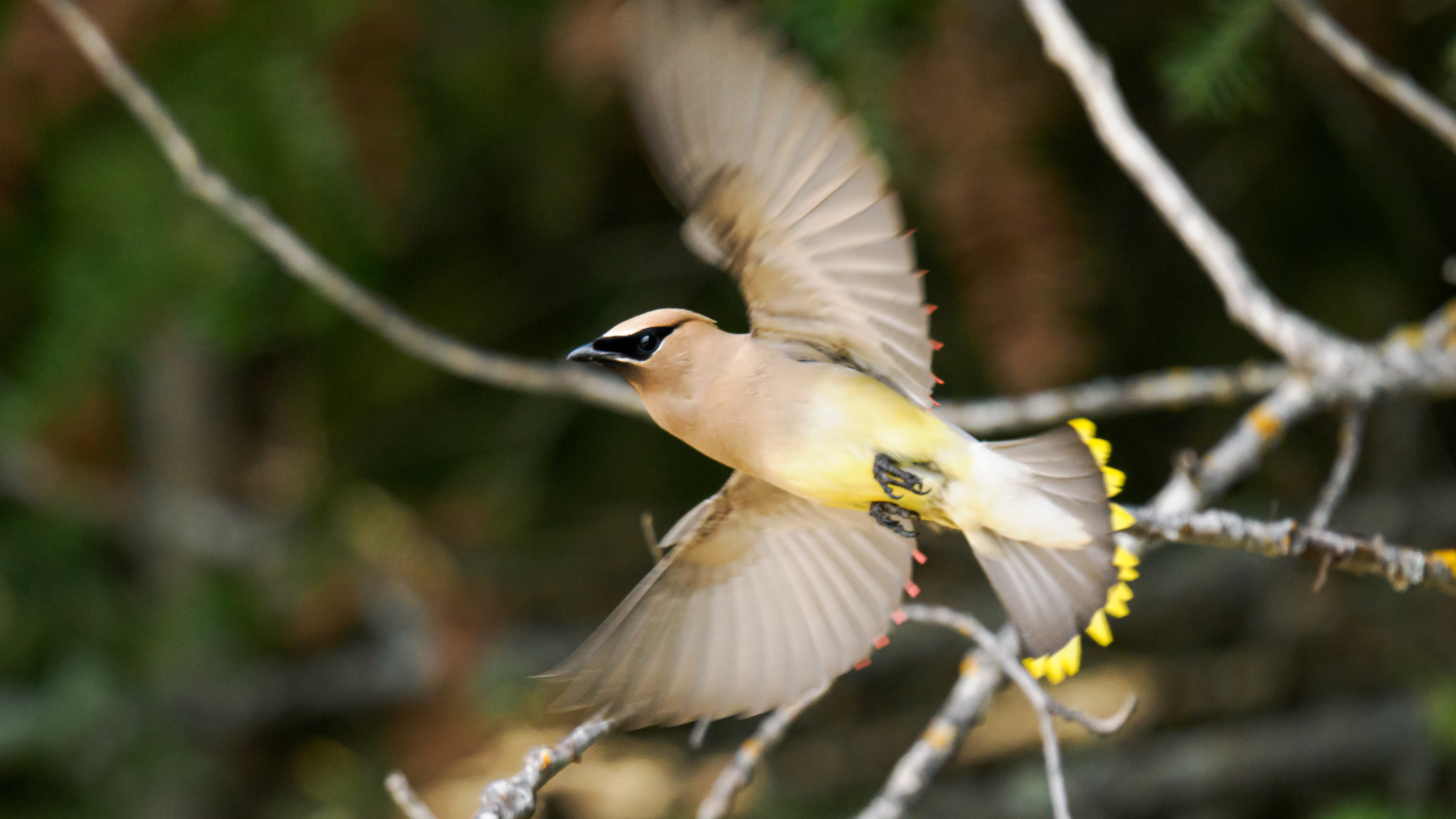
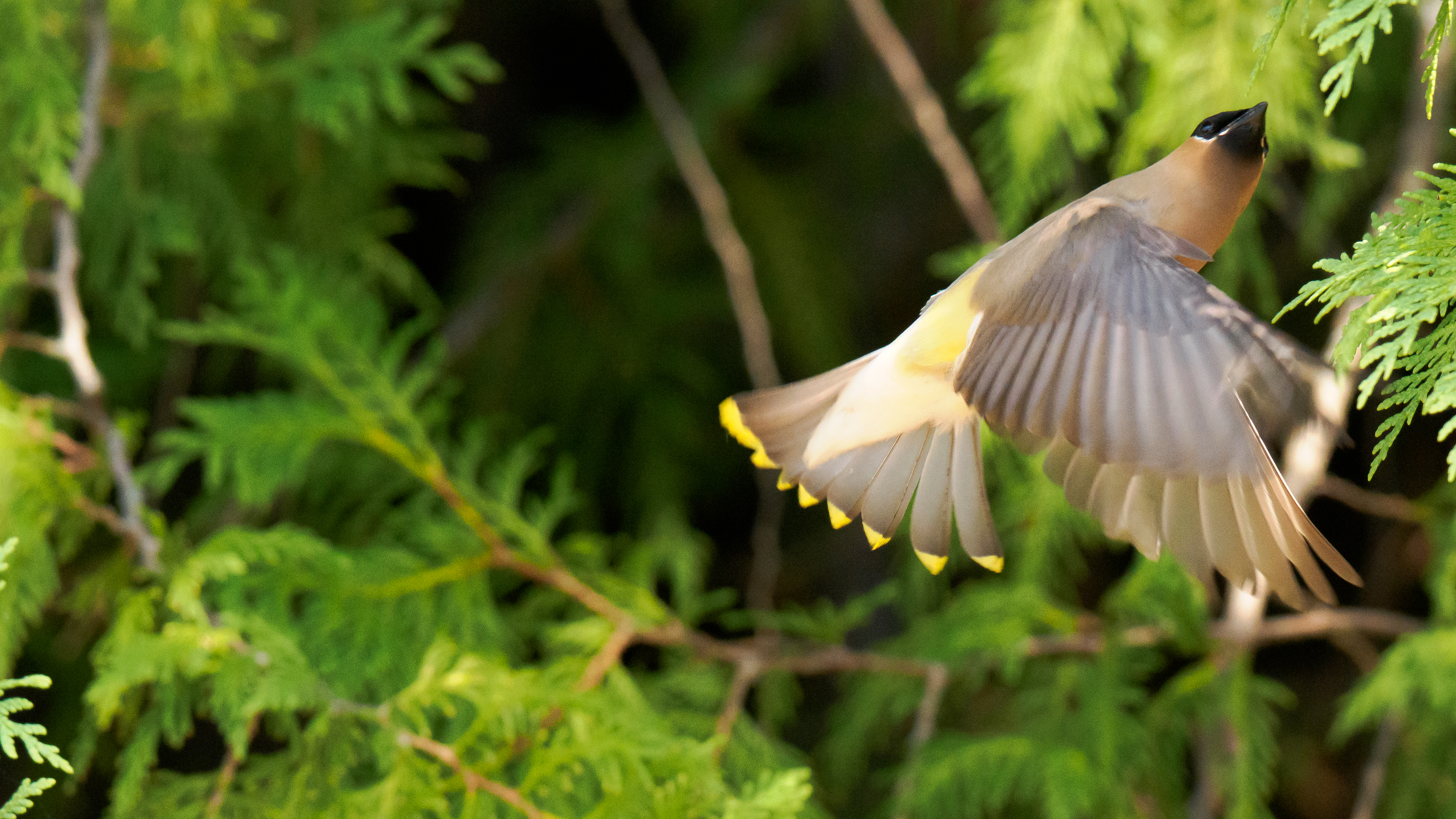
The photographer, Hillary K. Grigonis, was engrossed in her writing when a "flash of movement" drew her attention. The immediate instinct was to reach for wildlife photography gear, a testament to the serendipitous nature of capturing nature’s moments. The scene that unfolded was one of dynamic activity: cedar waxwings actively hunting moths, mayflies, and dragonflies in mid-air, their aerial maneuvers executed with remarkable precision and a notable lack of apprehension towards human presence. The birds’ apparent indifference to the observer, even darting "right over my head," presented an exceptional opportunity for close-up observation and photographic documentation.
The Allure of the Cedar Waxwing: A Photographer’s Perspective
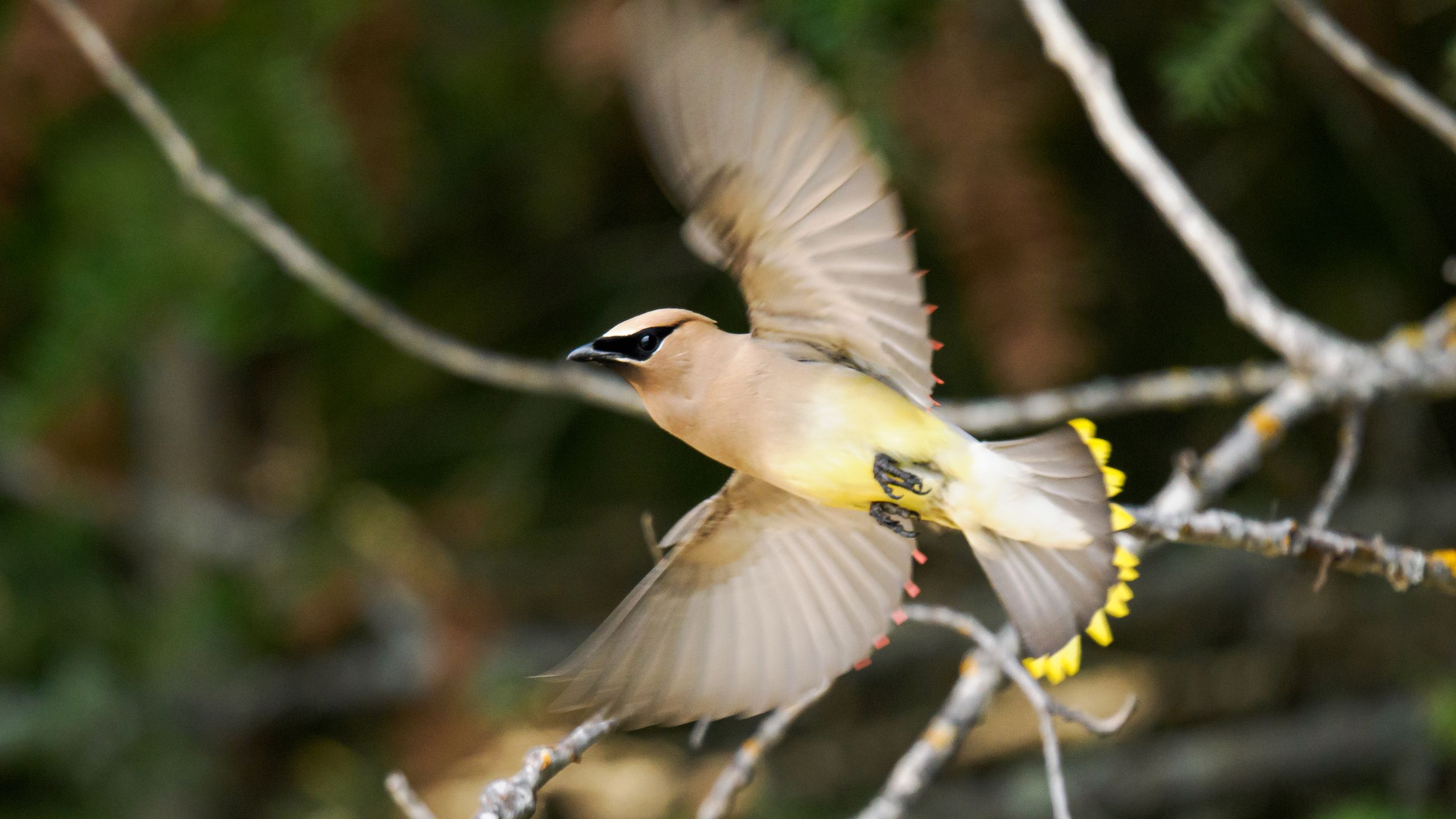
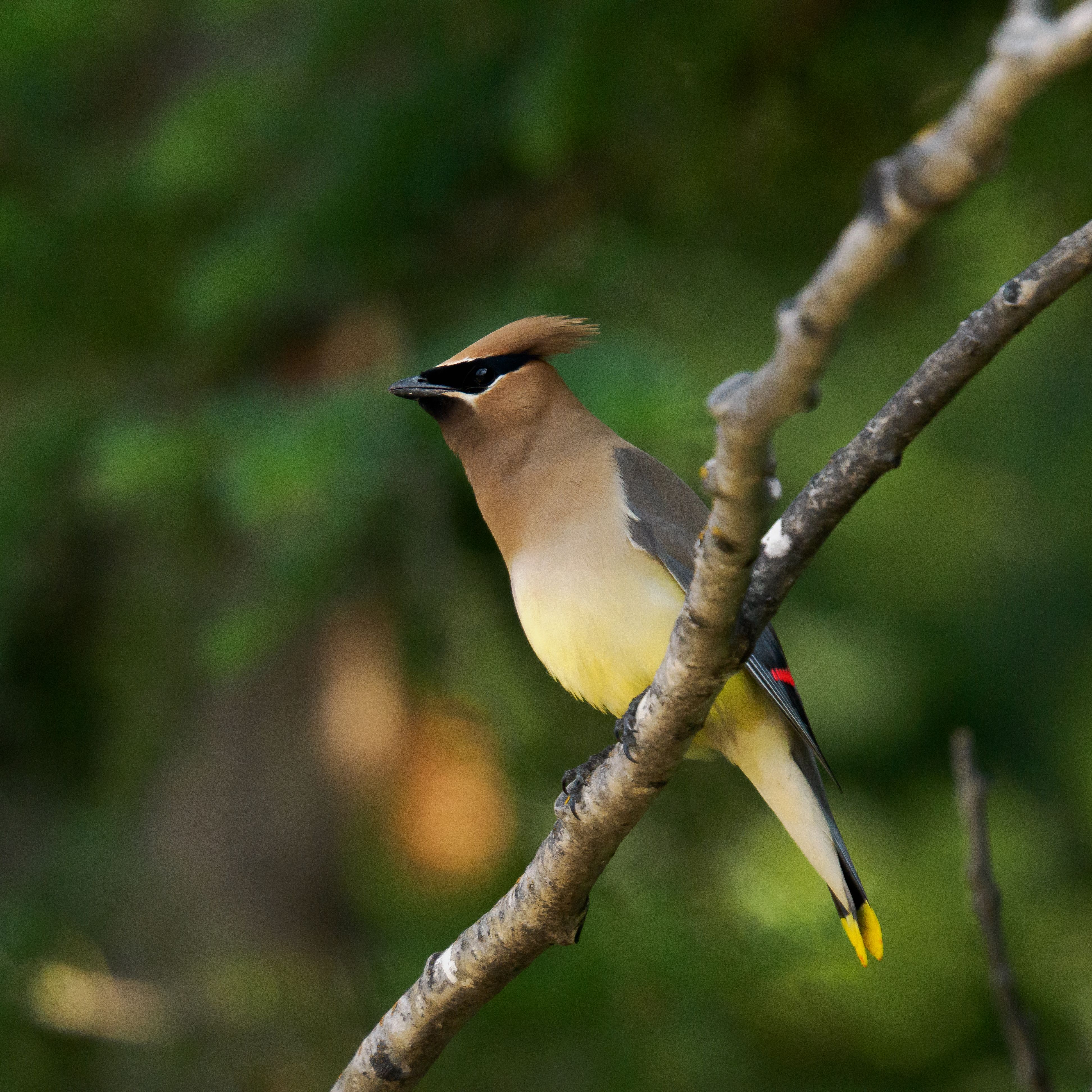
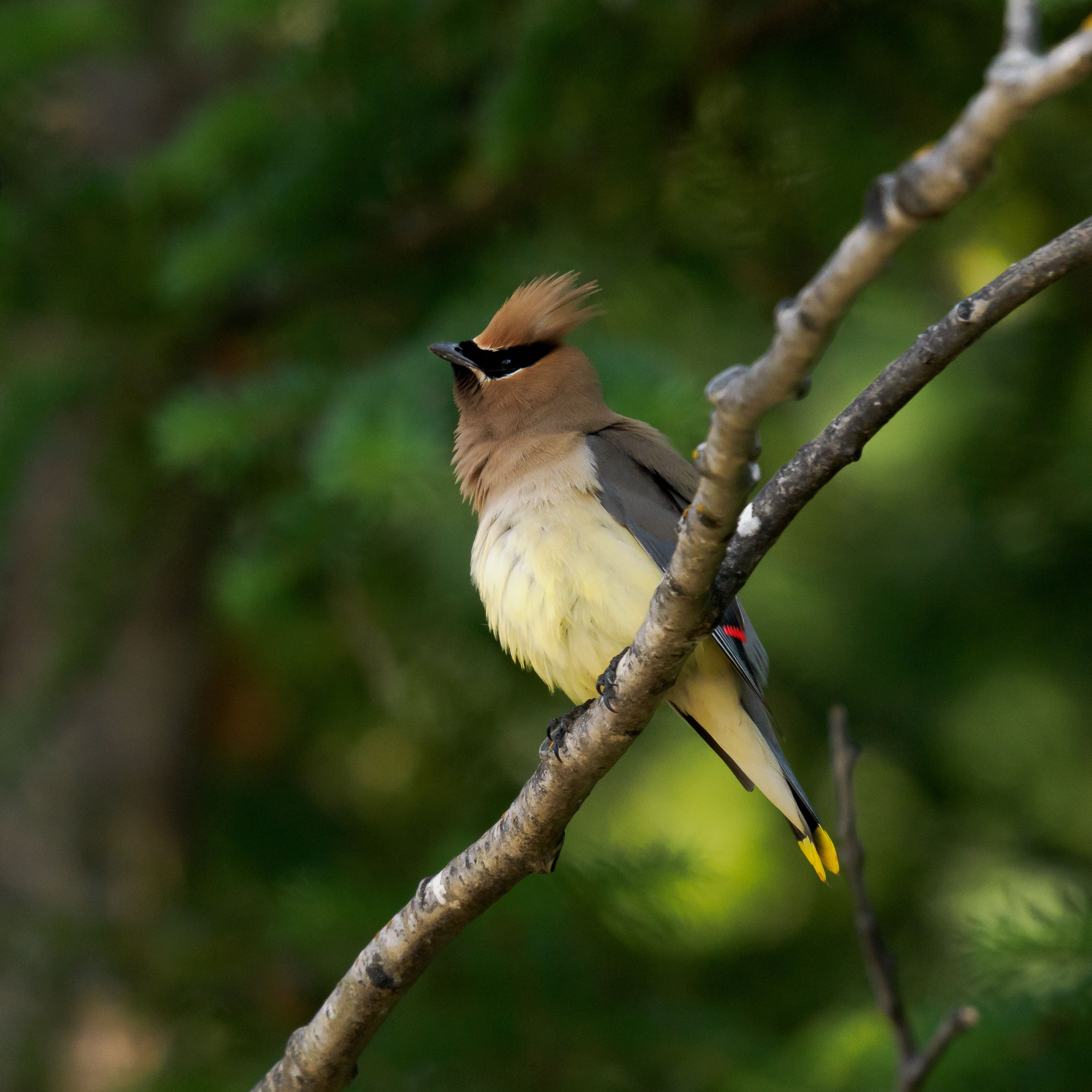
Cedar waxwings (Bombycilla cedrorum) are renowned for their striking appearance, characterized by exceptionally smooth, almost "plastic-like" feathers, a feature that immediately captivated Grigonis. Beyond their aesthetic appeal, their behavioral trait of allowing close proximity makes them particularly engaging subjects for wildlife photographers. Unlike many elusive species that require extensive travel and specialized equipment, cedar waxwings can often be found in accessible areas, making them a more democratic subject for those interested in capturing avian life.
The species’ scientific name, cedrorum, refers to their association with cedar trees, though their diet is far more varied, encompassing a wide array of fruits and insects. Their migratory patterns are influenced by food availability, with populations often congregating in areas where berries or insect populations are abundant. This opportunistic feeding behavior is precisely what drew the flock to Grigonis’s yard, transforming it into an unexpected bird feeder.
Birds: The Great Equalizer in Wildlife Photography
Grigonis highlights a fundamental truth for aspiring wildlife photographers: birds represent a remarkably accessible gateway into the genre. While photographing larger, more exotic animals like giraffes or monkeys necessitates significant travel and financial investment, birds are ubiquitous. From the common pigeons found in urban landscapes to the more vibrant cardinals gracing backyard feeders and the specialized puffins inhabiting arctic regions, avian life is a constant presence across diverse environments.
This accessibility democratizes wildlife photography, allowing individuals to hone their skills and connect with nature without the need for extensive resources. The ability to observe and photograph birds in their natural habitats, even from one’s own window or a local park, offers a profound connection to the natural world. The cedar waxwing encounter serves as a powerful reminder that extraordinary photographic opportunities can arise unexpectedly, even in one’s immediate surroundings.
The Art of the Unexpected: Spontaneous Photo Opportunities
While many wildlife photographers meticulously plan their excursions, researching prime locations and optimal viewing times, Grigonis emphasizes the profound beauty of spontaneous encounters. These unplanned moments, often occurring during routine activities, can yield some of the most rewarding photographic experiences. The "mental health break" that photo hikes provide is amplified when nature presents an unscripted performance.
Grigonis recounts instances where she has "longed for my wildlife gear" when spotting noteworthy birds in unexpected locations, such as a grocery store parking lot. Similarly, driving encounters with kestrels snatching field mice or eagles emerging from fog underscore the transient nature of wildlife sightings. These moments, though often unphotographed due to the circumstances, serve as powerful reminders of the ever-present wildness around us and the importance of preparedness, even in everyday life. The cedar waxwing event, however, offered a different kind of reward: an extended, unhurried opportunity to engage with a fascinating species.
A Feast for the Eyes and the Lens: Documenting the Cedar Waxwing Ballet
The cedar waxwings’ extended presence in Grigonis’s yard provided a valuable window for observation and photography. While the rapid, mid-air capture of insects proved challenging to photograph with the desired precision – "I wasn’t quite fast enough to get the birds swooping midair" – the photographer was able to capture compelling images of wings in motion and insects being clutched in beaks. This dedication to documenting the details, even when the ideal shot eludes, is a hallmark of patient wildlife photography.
The presence of a bald eagle soaring overhead during the waxwing feeding added another layer of unexpected wonder to the afternoon. Such moments, where multiple avian subjects converge, underscore the dynamic and often unpredictable nature of wildlife observation. The memory card, filled with images of these remarkable encounters, symbolized not just photographic success but also the profound joy derived from these spontaneous immersions in nature.
The Broader Implications: Conservation and Appreciation
The intimate experience with the cedar waxwings, and the broader reflections on bird photography, highlight the importance of appreciating and conserving local wildlife. As urban and suburban environments expand, the availability of natural habitats and food sources for birds can be impacted. Encounters like the one described serve as potent reminders of the biodiversity that exists even in proximity to human settlements and the need to foster environments that support these species.
Furthermore, the act of observing and photographing wildlife can cultivate a deeper sense of connection and responsibility towards the natural world. By sharing these experiences, photographers like Grigonis can inspire others to look more closely at the avian life around them, fostering a greater appreciation for their ecological roles and inherent beauty. The "symphony of feathers and flight" observed in the yard is a microcosm of the larger ecological narratives unfolding across the globe, underscoring the interconnectedness of all living things.
The cedar waxwing’s unique feather structure, often described as smooth and almost artificial, is a result of tightly packed barbules that create a sleek, iridescent sheen. This visual characteristic, combined with their distinctive black mask and crest, makes them easily identifiable and highly sought after by birdwatchers and photographers alike. Their diet, primarily composed of insects during the breeding season and shifting to fruits in the fall and winter, demonstrates their adaptability to seasonal changes in food availability.
The phenomenon of waxwings feasting on insects is a critical part of their life cycle and plays a role in insect population control. Mayflies, moths, and dragonflies, while often perceived as nuisances by humans, are vital components of the ecosystem. The waxwings’ efficient hunting strategies help to regulate their numbers, contributing to a balanced environment. This ecological service, often unseen and unacknowledged, is a testament to the intricate web of life.
For photographers, the tolerance of cedar waxwings towards human presence is a significant advantage. Unlike species that are easily startled and will flee at the slightest disturbance, waxwings often exhibit a remarkable calm. This behavior can be attributed to several factors, including a lower perception of threat in certain environments and a strong focus on foraging. However, it is crucial for photographers to maintain a respectful distance and avoid any actions that could disrupt the birds’ natural behavior. Ethical wildlife photography prioritizes the well-being of the subject above all else.
The author’s personal connection to wildlife photography as a "sacred hobby" is a sentiment shared by many enthusiasts. The distinction between a professional pursuit and a personal passion allows for a purer engagement with the subject matter, free from the pressures of commercial demands. This approach fosters a deeper, more intrinsic motivation to capture the essence of the natural world. The joy derived from an unexpected photo shoot, as described by Grigonis, is a powerful testament to the intrinsic rewards of connecting with nature through a lens.
The article also touches upon the broader context of photography gear. While not the central theme, the mention of reaching for "wildlife photography gear" implies the use of specialized equipment such as telephoto lenses, cameras with fast autofocus, and high frame rates. These tools are essential for capturing sharp, detailed images of fast-moving subjects like birds in flight. The ongoing evolution of camera technology, with advancements in sensor capabilities, image stabilization, and processing power, continues to enhance the ability of photographers to document wildlife with greater fidelity and ease.
The reference to "best cameras for wildlife photography" and "best lenses for bird photography" in the "You may also like" section further contextualizes the article within the broader discourse of photography. These guides typically delve into the technical specifications and practical considerations that photographers must weigh when selecting equipment for specific genres. Factors such as focal length, aperture, weather sealing, and sensor size all play crucial roles in achieving successful wildlife images.
The author’s background as a writer and photographer, with experience in various publications and a user of Fujifilm cameras, adds a layer of credibility to her observations. Her perspective, informed by both technical knowledge and a passion for nature, provides a well-rounded account of the experience. The mention of being a licensed drone pilot also hints at a broader engagement with aerial photography and its potential applications in wildlife observation, though this specific encounter focused on ground-level photography.
In conclusion, the spontaneous encounter with cedar waxwings serves as a compelling narrative about the unexpected gifts of nature and the accessible joys of wildlife photography. It underscores the importance of observation, patience, and a deep appreciation for the natural world, reminding us that extraordinary moments can unfold right outside our doors, offering both photographic opportunities and a profound connection to the wild. The resilience and adaptability of species like the cedar waxwing, coupled with their striking beauty, continue to inspire awe and encourage greater conservation efforts.