
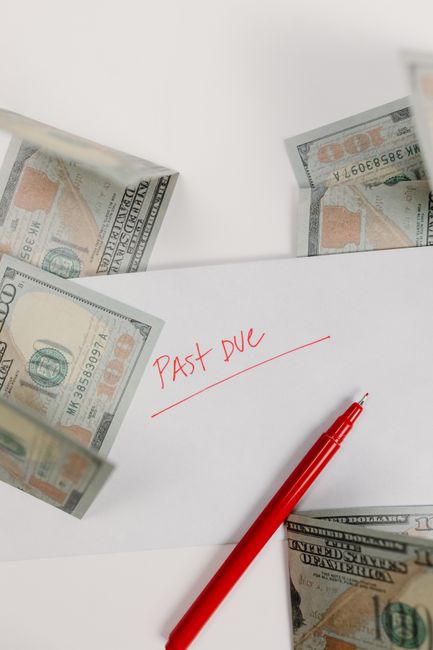
Unlocking Liquidity: A Comprehensive Guide to Solving SME Cash Flow Crises Driven by Late Payments
Cash flow is the lifeblood of any small to medium-sized enterprise (SME). When this vital stream dries up due to persistent late payments from clients, a cash flow crisis is not an abstract threat, but an immediate existential danger. This article provides a practical, actionable framework for SMEs to not only identify the root causes of late payments but also implement robust strategies to prevent future occurrences and, most importantly, to swiftly and effectively navigate a current liquidity crunch. The impact of delayed receivables extends far beyond mere inconvenience; it can cripple operational capacity, stifle growth initiatives, strain supplier relationships, and ultimately lead to business failure. Therefore, a proactive and multifaceted approach to managing accounts receivable and addressing late payments is paramount. This guide is designed for business owners, finance managers, and operations teams seeking concrete solutions to safeguard their financial health.
Understanding the Anatomy of Late Payments: Identifying the Culprits
The first crucial step in resolving a cash flow crisis stemming from late payments is to meticulously diagnose why payments are consistently arriving after their due dates. This requires a deep dive into internal processes, client behaviors, and systemic issues. Common culprits fall into several categories.
Internal Process Deficiencies:
- Inconsistent Invoicing: Are invoices sent out promptly and accurately after goods or services are delivered? Delays in invoicing immediately push back payment timelines. Poorly formatted invoices, missing critical information (e.g., PO numbers, clear due dates, contact details for queries), or errors in billing can lead to disputes and subsequent payment delays as clients seek clarification.
- Lack of a Clear Credit Policy: Without a defined credit policy that outlines payment terms, acceptable credit limits, and the consequences of non-payment, there’s no consistent framework for managing client accounts. This can lead to inadvertently extending credit to higher-risk clients or failing to enforce agreed-upon terms.
- Ineffective Follow-up Procedures: This is arguably the most significant internal failing. A "set it and forget it" approach to invoicing is a recipe for disaster. If there’s no systematic process for chasing overdue invoices – no scheduled reminders, no personal calls, no escalation path – clients simply won’t prioritize payment. The absence of a dedicated accounts receivable (AR) function or a team that is not empowered to pursue debts aggressively exacerbates this issue.
- Poorly Defined Payment Terms: Vague or overly generous payment terms (e.g., "Net 60" or "Net 90") without proper consideration for the SME’s own operational cash needs can create inherent liquidity challenges, even if clients pay on time. Moreover, not clearly communicating these terms at the outset of a business relationship can lead to misunderstandings.
- Dispute Resolution Bottlenecks: If a client has a legitimate (or perceived) issue with an invoice, a slow or inefficient dispute resolution process will inevitably delay payment. Customers are less likely to pay while a problem is unresolved.
Client-Side Behaviors and External Factors:
- Client Cash Flow Issues: The most obvious reason for late payment is that the client simply doesn’t have the cash. This can be due to their own internal struggles, seasonality, economic downturns affecting their industry, or poor financial management on their part.
- Disorganization or Bureaucracy at the Client: Large organizations, in particular, can have complex accounts payable (AP) departments with lengthy approval processes, multiple layers of sign-off, and specific submission requirements. If an invoice doesn’t meet these internal demands, it can languish in their system.
- Intentional Delays or "Stretching" Payments: Some clients may deliberately delay payments to improve their own working capital, essentially using the SME’s funds as an interest-free loan. This is a tactic that needs to be identified and addressed firmly.
- Disagreements or Disputes over Deliverables: Dissatisfaction with the quality of goods or services, unmet expectations, or contractual disagreements can lead clients to withhold payment until the issue is rectified.
- Economic Downturns and Industry-Specific Challenges: Broader economic recessions, industry-specific slumps, or unforeseen events can impact the payment capacity of an entire client base.
Leveraging Technology for Proactive Receivables Management
In the digital age, relying on manual processes for AR is a significant disadvantage. Embracing technology is not just about efficiency; it’s about building resilience.
- Accounting Software with Robust AR Features: Modern accounting software (e.g., QuickBooks, Xero, Sage) offers automated invoicing, payment reminders, aging reports, and credit limit tracking. This forms the backbone of an organized AR system.
- Automated Invoice Generation and Sending: Implement systems that automatically generate and send invoices upon completion of a job or shipment of goods. This eliminates human error and ensures timely billing.
- Online Payment Portals: Offering clients easy and convenient ways to pay online (e.g., through credit card, direct debit, or secure payment gateways integrated with your website or accounting software) can significantly reduce payment times. This caters to client preferences and removes friction.
- Customer Relationship Management (CRM) Integration: Integrating your AR system with a CRM can provide valuable insights into client payment history, communication logs, and potential risk factors. This allows for more personalized and effective follow-up.
- AI-Powered Credit Scoring and Risk Assessment: Advanced tools can analyze client financial data and payment behaviors to predict the likelihood of late payments, allowing for proactive risk mitigation.
- Automated Dunning Processes: Configure your accounting software to automatically send a series of escalating reminders to clients as invoices become overdue. This systematic approach ensures no overdue invoice is forgotten.
Implementing a Proactive Cash Flow Management Strategy: Prevention is Key
A cash flow crisis is often a symptom of underlying systemic weaknesses in receivables management. Building a proactive strategy focuses on preventing late payments before they occur.
1. Robust Credit Vetting and Risk Assessment:
- Establish Clear Credit Policies: Define your company’s credit terms (e.g., Net 30, payment in advance, deposits).
- Perform Thorough Credit Checks: For new clients, especially those requesting significant credit, conduct credit checks through reputable agencies. Review financial statements where possible.
- Set Realistic Credit Limits: Based on credit checks and payment history, assign appropriate credit limits to each client.
- Require Deposits or Progress Payments: For large projects or high-risk clients, negotiate upfront deposits or milestone payments. This significantly reduces the exposure to late payments.
2. Crystal Clear Invoicing and Communication:
- Invoice Promptly and Accurately: Generate and send invoices immediately upon delivery of goods or services. Ensure all details are correct: client name, address, contact, invoice number, date, itemized list of services/products, quantities, unit prices, total amount due, and clear payment terms with the due date prominently displayed.
- Use Clear and Concise Language: Avoid jargon and ensure payment terms are unambiguous.
- Provide Multiple Payment Options: Offer a range of convenient payment methods to reduce friction.
- Confirm Receipt of Invoices: For critical invoices, consider a brief confirmation to ensure they haven’t been lost in the client’s system.
3. Disciplined Follow-up and Collection Procedures:
- Implement a Dunning Schedule:
- Pre-due Date Reminder: A polite reminder a few days before the invoice is due.
- Immediate Post-due Date Reminder: A gentle notification immediately after the due date passes.
- Escalated Reminders: Weekly or bi-weekly follow-ups, increasing in assertiveness.
- Phone Calls: Personal contact is often more effective than emails. Aim to speak directly with the accounts payable department or the responsible individual.
- Formal Demand Letters: For significantly overdue invoices, a more formal letter outlining the amount owed, the consequences of continued non-payment, and potential legal action may be necessary.
- Assign Responsibility: Designate a specific individual or team to manage accounts receivable and collections. This person should be empowered and have clear objectives.
- Document Everything: Keep meticulous records of all communication, including dates, times, names of contacts, and the content of conversations. This documentation is crucial if further action is required.
4. Strategic Payment Terms and Contracts:
- Negotiate Favorable Terms: While client needs are important, always aim for payment terms that align with your own cash flow requirements.
- Include Late Payment Penalties: Consider adding clauses to your contracts that stipulate interest charges on overdue invoices or a fixed late fee. Ensure these are clearly communicated and agreed upon.
- Consider Early Payment Discounts: Offering a small discount for prompt payment can incentivize clients to pay sooner. Calculate the cost of the discount against the benefit of improved cash flow.
Navigating an Immediate Cash Flow Crisis: Tactical Solutions
When a cash flow crisis due to late payments is already upon you, the focus shifts to immediate liquidity injections and aggressive pursuit of outstanding debts.
1. Immediate Receivables Acceleration:
- Prioritize Overdue Invoices: Categorize your outstanding invoices by age and value. Focus your collection efforts on the oldest and largest amounts first.
- Implement an Aggressive Collection Campaign:
- Direct Phone Calls: This is your primary weapon. Call every overdue client. Be polite but firm. Understand their situation, but clearly state the urgency of payment.
- Personalized Email Follow-ups: Supplement calls with personalized emails that reference previous conversations.
- Negotiate Payment Plans: For clients with genuine temporary cash flow issues, offer a structured payment plan to clear their debt. Get these agreements in writing, specifying dates and amounts.
- Offer Incentives for Immediate Payment: Consider offering a small, one-time discount for immediate settlement of overdue balances.
- Leverage Factoring or Invoice Financing: This is a critical tool for immediate liquidity.
- Invoice Factoring: You sell your outstanding invoices to a factoring company at a discount. The factoring company then collects the debt from your clients. This provides immediate cash but comes at a cost (the discount).
- Invoice Financing: You use your outstanding invoices as collateral to secure a loan from a financial institution. You retain control of collections, but the loan is repaid once clients pay. This offers greater control but typically requires a stronger credit profile.
- Review and Expedite Current Invoicing: Ensure all new invoices are being generated and sent immediately and follow up on them with increased urgency.
2. Cost Management and Operational Adjustments:
- Scrutinize All Expenses: Review all discretionary spending and identify areas where costs can be immediately reduced or deferred. This might include marketing campaigns, travel, non-essential subscriptions, or overtime.
- Negotiate with Suppliers: Communicate with your own suppliers about potential delays in payments. Offer partial payments or revised terms if necessary. Transparency is key to maintaining these crucial relationships.
- Optimize Inventory Levels: If you hold significant inventory, consider reducing stock levels to free up capital.
- Delay Capital Expenditures: Postpone any non-essential large purchases or investments until the cash flow situation stabilizes.
- Consider Short-Term Borrowing: Explore options for short-term business loans, lines of credit, or overdraft facilities from your bank. While this adds to debt, it can provide a crucial bridge.
- Explore Government Support Schemes: Research any available government grants, low-interest loans, or financial support programs designed for SMEs facing liquidity challenges.
3. Strategic Client Communication and Management:
- Segment Your Client Base: Understand which clients are consistently late and which are generally good payers. Tailor your collection strategies accordingly.
- Open Dialogue with Key Clients: If a significant client is experiencing temporary difficulties, proactive communication can lead to a mutually agreeable solution.
- Re-evaluate Credit Terms for Repeat Offenders: For clients with a history of late payments, consider requiring upfront payment, shorter payment terms, or larger deposits for future work.
Legal and Recovery Options:
When all other attempts to recover overdue payments fail, and the debt is significant, legal recourse may be necessary.
- Demand Letters from Solicitors: A formal letter of demand from a solicitor can sometimes jolt a recalcitrant debtor into action.
- Mediation or Arbitration: These alternative dispute resolution methods can be less costly and time-consuming than formal litigation.
- Small Claims Court: For smaller debts, pursuing action in small claims court can be a viable option.
- Debt Collection Agencies: Professional debt collection agencies can be employed to pursue overdue debts. They typically work on a commission basis, taking a percentage of the amount recovered.
- Legal Action (Litigation): As a last resort, initiating legal proceedings to sue for the debt may be necessary. This is often the most expensive and time-consuming option.
Building a Resilient Cash Flow Future: Long-Term Solutions
Once the immediate crisis is averted, the focus must shift to implementing lasting changes to prevent recurrence.
- Develop and Enforce a Strict Credit Policy: This policy should be clearly documented, communicated to all staff involved in sales and finance, and consistently applied.
- Invest in Robust AR Software: Leverage technology to automate invoicing, track receivables, and manage collections efficiently.
- Regular Cash Flow Forecasting: Implement a rigorous process of forecasting cash inflows and outflows to anticipate potential shortfalls.
- Maintain Strong Client Relationships: While pursuing debts, remember the value of long-term relationships. Be professional and fair in your collection efforts.
- Diversify Your Client Base: Relying too heavily on a few large clients can create significant vulnerability. Seek to broaden your customer base to mitigate risk.
- Continuous Training for Staff: Ensure your sales, finance, and customer service teams understand the importance of cash flow and are trained in effective credit management and collection techniques.
- Regular Financial Health Reviews: Conduct periodic reviews of your financial performance, paying close attention to your aging receivables report and cash conversion cycle.
Conclusion:
A cash flow crisis driven by late payments is a stark warning that requires immediate and decisive action, followed by a commitment to systemic improvement. By diligently identifying the root causes, embracing technological solutions, implementing proactive prevention strategies, and having tactical plans for immediate recovery, SMEs can not only survive but thrive. The key lies in viewing cash flow management not as a reactive chore, but as a continuous, strategic imperative, embedding robust receivables processes into the very DNA of the business. This proactive approach transforms a potential crisis into an opportunity for strengthening financial resilience and ensuring sustainable growth.
