Tesla has integrated its Full Self-Driving (Supervised) software with its in-house insurance offering, creating a significant financial incentive for drivers to utilize the advanced driver-assistance system. The company announced that its newly updated Safety Score 3.0 will automatically award a perfect score of 100 for every mile driven with Full Self-Driving (Supervised) engaged. This strategic move is designed to elevate drivers’ average safety scores, thereby leading to demonstrably lower monthly insurance premiums.
This development marks the most explicit connection to date between Tesla’s autonomous driving technology and its proprietary insurance product. Tesla Insurance has long leveraged real-time vehicle data, including acceleration, braking patterns, following distance, and speed, to calculate a Safety Score ranging from 0 to 100. Historically, higher scores have directly correlated with reduced insurance rates. However, under the previous system, even minor manual interventions required by the driver could negatively impact the average score, causing frustration for owners who rely heavily on FSD for their driving.
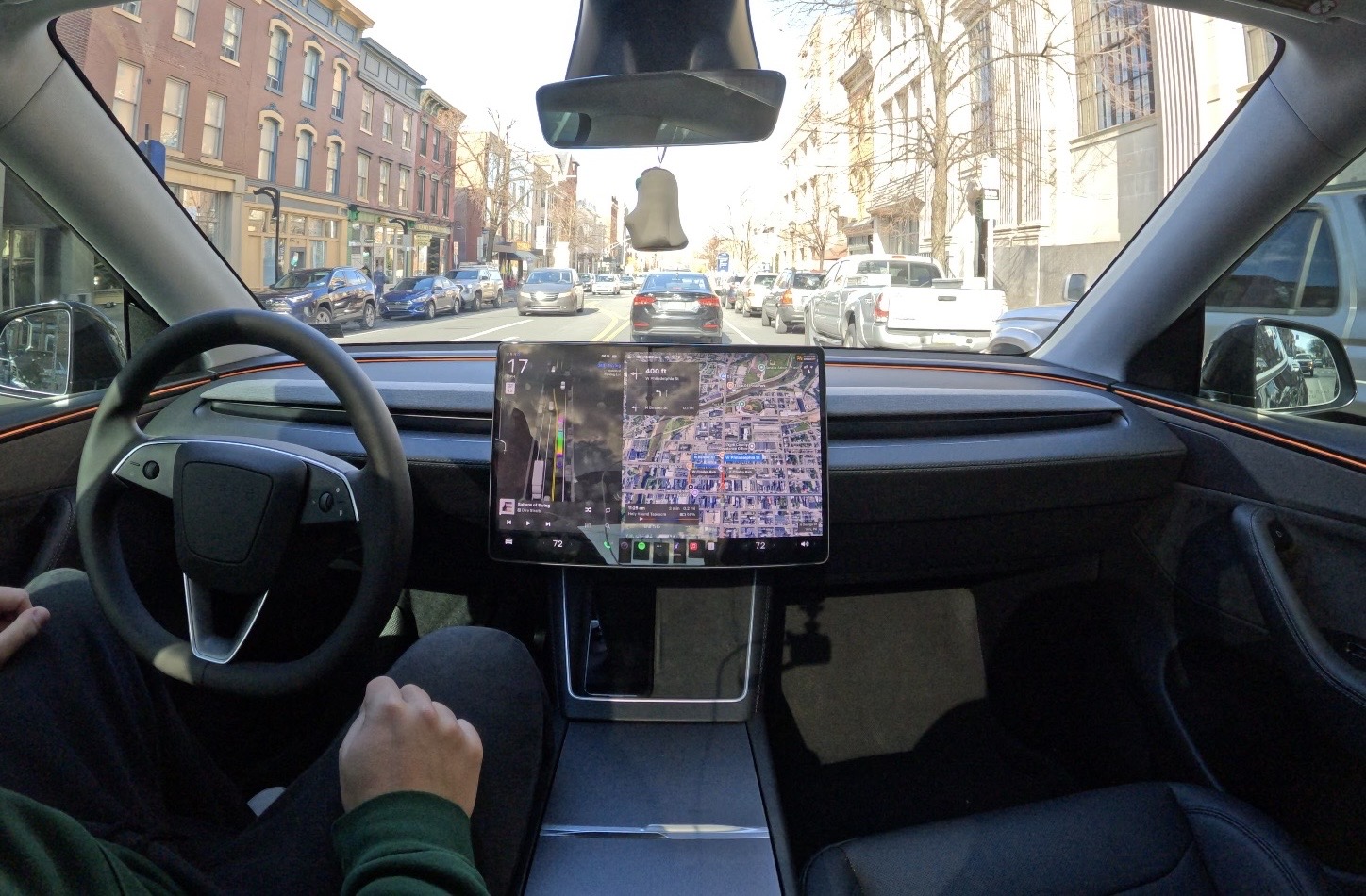
The implementation of version 3.0 effectively removes this penalty for miles driven under FSD supervision. Essentially, the system now treats segments of driving performed with FSD engaged as the safest possible driving behavior, regardless of occasional human input. This creates an immediate and tangible financial benefit for drivers. Those who consistently use FSD for the majority of their journeys will observe an increase in their overall safety scores, potentially leading to savings of hundreds of dollars annually on their insurance policies.
Tesla has positioned this update as a direct response to customer feedback. Many Tesla owners had voiced concerns that the previous scoring model inadvertently penalized the very behaviors the system was intended to encourage and validate. By re-evaluating how supervised autonomous miles are factored into the Safety Score, Tesla is aligning its insurance product more closely with the intended use and benefits of its FSD technology.
Program Rollout and Geographic Limitations
Currently, this enhanced incentive program is exclusively available for new insurance policies in six specific U.S. states: Indiana, Tennessee, Texas, Arizona, Virginia, and Illinois. Existing policyholders are not yet included in this new scoring methodology, a detail that has already prompted numerous inquiries from the broader Tesla community. Many owners in other states, including California and Georgia, have expressed their anticipation and hope for a swift nationwide expansion of this beneficial program.

The announcement arrives at a critical juncture as Tesla continues to refine and deploy updates to its FSD Supervised software and actively pursues regulatory approval for more advanced levels of vehicle autonomy. By directly linking insurance cost reductions to the utilization of FSD, Tesla is effectively endorsing the safety claims of its technology with its own actuarial data.
Data-Driven Safety and Financial Value
Every mile logged while FSD is engaged now carries a documented financial value, reflecting a paradigm shift towards lower risk and lower cost. This valuation is rooted in Tesla’s extensive internal driving data, rather than solely relying on traditional external crash statistics. This approach allows Tesla to build a more granular and predictive understanding of driving safety, directly tied to the performance of its own advanced systems.
While Tesla has not yet disclosed specific figures regarding the exact premium reductions that drivers can expect, nor a comprehensive timeline for the broader rollout beyond the initial six states, the underlying message is clear: the greater the trust and utilization of FSD Supervised by drivers, the more Tesla Insurance will reward them. In an automotive insurance landscape where traditional carriers often remain cautious about the integration of autonomous technology, Tesla is making a bold assertion: its own data will ultimately prove that the safest miles are those driven with hands-free assistance.

Background and Evolution of Tesla Insurance
Tesla’s foray into the insurance market began as a strategic move to leverage its unique data advantage and provide a more tailored and potentially more affordable product for its customers. The company’s ability to access and analyze vast amounts of real-time driving data from its connected fleet allows for a dynamic and personalized approach to insurance underwriting, a stark contrast to the more static models employed by legacy insurers.
The Safety Score, introduced in 2021, was a cornerstone of this strategy. Initially, it focused on penalizing aggressive driving behaviors such as hard braking, rapid acceleration, and speeding. The intention was to encourage safer driving habits, thereby reducing accident frequency and severity, which in turn would lower claims costs and allow Tesla to offer competitive premiums. Early iterations of the Safety Score were met with mixed reactions, with some drivers finding it a helpful tool for improving their driving, while others felt it was overly punitive or did not accurately reflect their driving experience, particularly when FSD was engaged.
The introduction of Safety Score 3.0 represents a significant evolution, acknowledging the distinct nature of supervised autonomous driving. By assigning a perfect score to FSD miles, Tesla is not only incentivizing the use of its technology but also implicitly validating its safety performance based on its own extensive real-world data. This approach allows Tesla to differentiate its insurance product further and create a compelling ecosystem where the purchase of a Tesla vehicle is directly linked to potential savings on ongoing ownership costs.
Implications for the Automotive and Insurance Industries
The implications of Tesla’s move are far-reaching. For the automotive industry, it signals a growing integration between vehicle technology and ownership costs, where advanced features can directly translate into financial benefits. This could accelerate the adoption of advanced driver-assistance systems and autonomous driving technologies, as consumers perceive a clearer and more immediate return on investment.
For the insurance industry, Tesla’s data-driven approach poses a challenge to traditional underwriting models. As more automakers develop their own proprietary insurance offerings or partner with insurers to leverage vehicle data, the competitive landscape is likely to shift. Insurers that can effectively harness and interpret telematics data, similar to Tesla, may be better positioned to offer personalized and competitive products. Conversely, those that rely solely on historical data and demographic information may struggle to keep pace.
Furthermore, the emphasis on FSD miles being inherently "safer" by Tesla’s metrics raises questions about how accident liability will be assessed in the future. As autonomous systems become more capable and widely adopted, the definition of driver error and the allocation of responsibility in the event of an accident will become increasingly complex. Tesla’s internal data and scoring system will likely play a crucial role in these discussions.
Future Outlook and Potential Expansion
The initial rollout in six states is a calculated step, allowing Tesla to gather data, refine the program, and address any unforeseen challenges before a wider launch. The company’s history suggests a methodical approach to scaling its services, often starting with smaller markets or specific customer segments before expanding.
The success of this initiative could influence Tesla’s long-term strategy for its insurance business, potentially leading to the development of even more sophisticated insurance products tailored to the nuances of autonomous driving. It also strengthens the argument for the widespread adoption of autonomous vehicles, as the financial incentives become increasingly attractive.
As Tesla continues to push the boundaries of autonomous driving technology, its integrated insurance model serves as a powerful testament to its vision of a future where transportation is safer, more efficient, and more affordable. The "golden era" of autonomous driving, as Tesla often refers to it, may indeed be ushered in with tangible financial benefits for those who embrace the technology.