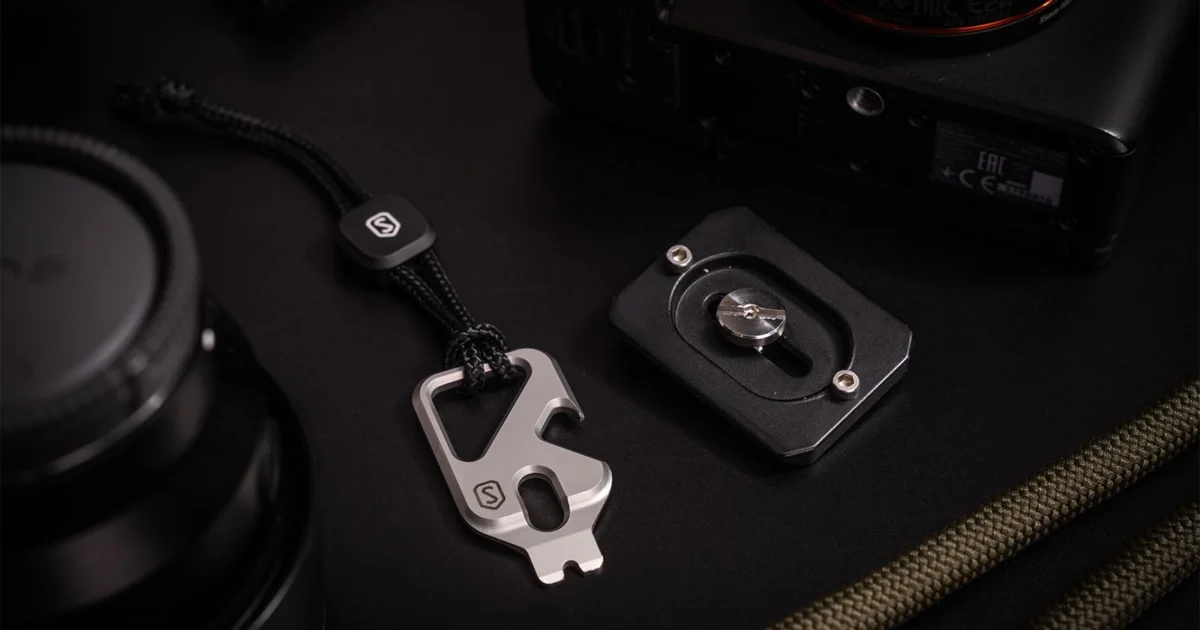
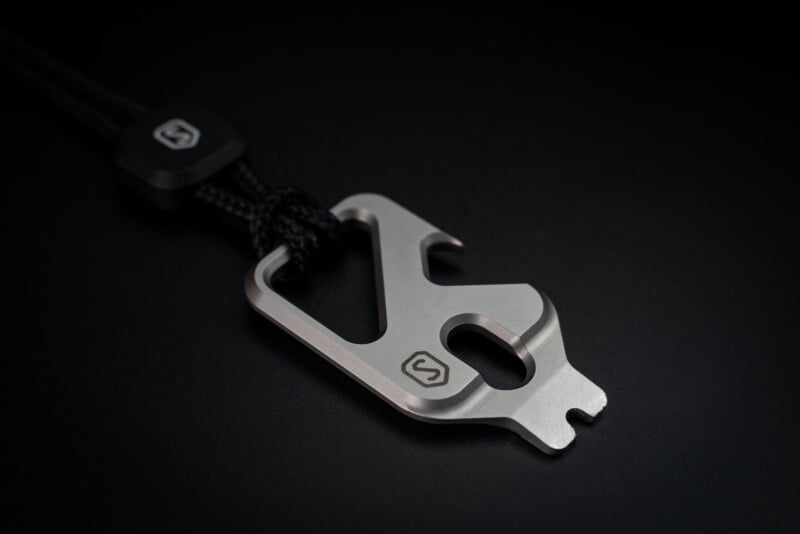
The photography industry, while focused on capturing compelling visual narratives, relies heavily on a diverse array of tools that extend beyond the camera body and lenses. Among these essential, though not strictly photographic, items is Stoke’s new Scout multitool. Developed by Irish photographer and industrial designer Ben Millett, the Scout embodies a minimalist yet highly practical design, aiming to address specific needs encountered by photographers and general users alike. Launched via a Kickstarter campaign, the Scout promises broad utility through a curated selection of functions.
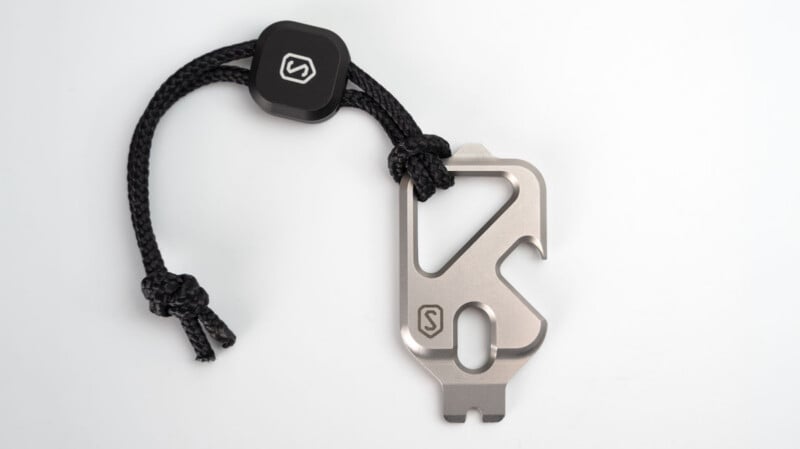
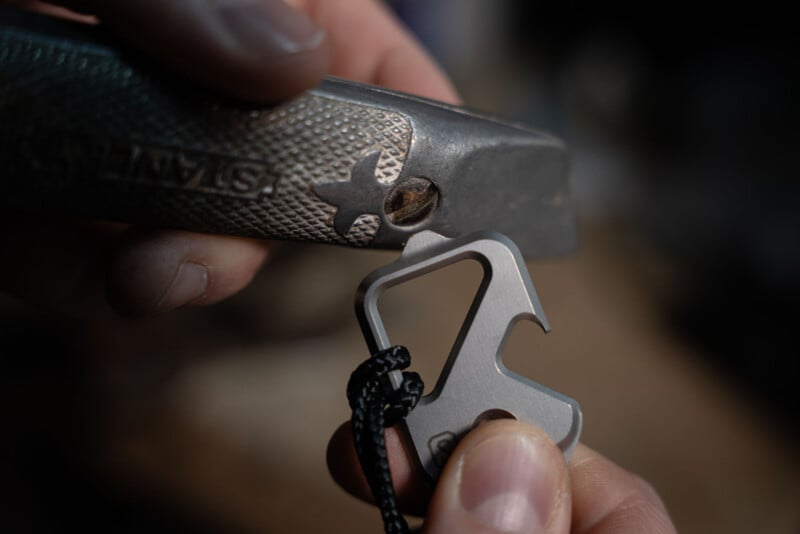
"Most multitools try to do everything," Stoke states, highlighting the design philosophy behind the Scout. "Scout was designed to do only what matters." This focused approach differentiates it from more comprehensive, and often bulkier, multitool offerings. The core functionalities include tools for turning flathead screws, prying open packaging, opening bottles, cutting string and thin rope, tightening bolts, and stripping wires. For photographers, a key application is the ability to easily tighten or loosen components like tripod plates, a common point of minor frustration in the field. Many photographers, like the original article’s author, have resorted to using unconventional items like keys or pocket change to secure camera plates, underscoring the convenience a purpose-built tool offers.
Genesis of the Scout: Addressing a Photographer’s Pain Points
The initial inspiration for the Scout stemmed directly from Millett’s personal experiences as a photographer. "The initial inspiration for Scout was the need for a small tool to quickly adjust screws on camera brackets and L-plates and the annoyance of not always having a tool suitable or having to fumble with a bigger multitool," Millett explained. This desire for a simple, almost single-task tool evolved into the multifaceted Scout. "The desire for this simple, almost single-task pocket tool grew into what Scout is now. A bring everywhere pocket tool with a tight, considered set of functions centered around the core inspiration of turning and tightening."
This design ethos is evident in the tool’s compact form factor and the specific selection of its features. Unlike generic multitools that might include an array of specialized blades or tools rarely used by the average person, the Scout prioritizes utility for common, everyday tasks and specific photographic adjustments. This focus ensures that the tool remains lightweight and unobtrusive, making it an ideal candidate for a keychain, a pocket, or attached to a camera bag.
Enhancing Field Photography: The Tripod Plate Solution
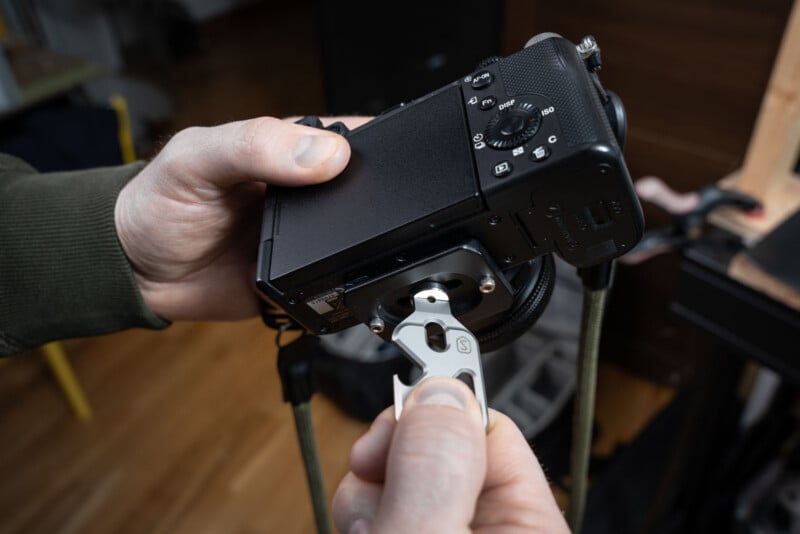
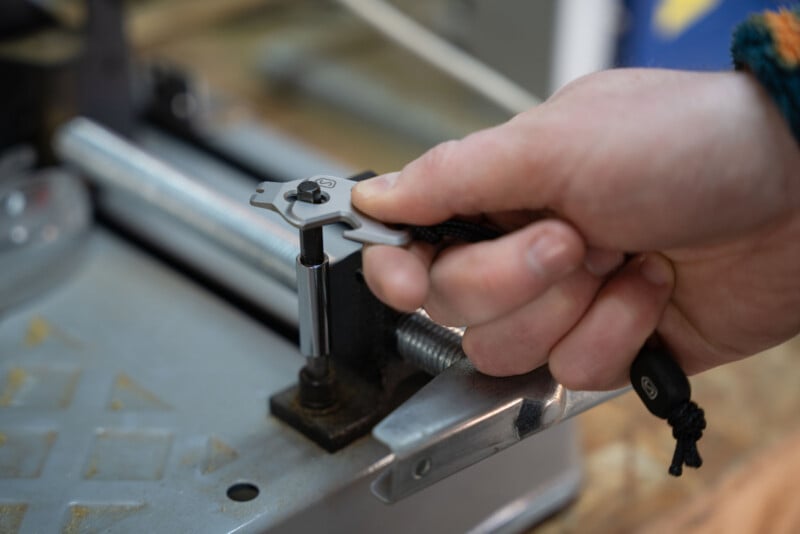
A recurring challenge for photographers in dynamic shooting environments is the maintenance of their tripod setups. Tripod plates, crucial for securing cameras, often require periodic tightening. While many tripods come with a small, dedicated 1/4-inch hex wrench, their storage and usability can be problematic. Some tripods feature integrated compartments for these wrenches, but many do not, leaving photographers to remember to carry them separately. Furthermore, these small wrenches can be fiddly and offer limited grip, making them inefficient for quick adjustments.
The Scout addresses this specific annoyance with a thoughtfully designed 1/4-inch diameter opening. This feature is engineered to securely grip the standard 1/4-inch hex found on most tripod plates, providing significantly better leverage and purchase than the often-slippery metal of the original tool. This allows photographers to make adjustments more quickly and with greater confidence, minimizing downtime and potential camera instability. The ability to perform these minor but critical maintenance tasks in the field without fumbling for a suitable tool enhances the overall shooting experience and reduces the likelihood of equipment mishaps.
Beyond the Multitool: The Conker Lanyard Adjuster
Stoke’s commitment to addressing minor but persistent inconveniences extends beyond the Scout multitool itself. Alongside the Scout, the company has launched the Conker, a two-part machined-aluminum lanyard adjuster. This accessory is designed to work in tandem with the lanyard cord included with the Scout. The Conker’s precision tensioning mechanism allows users to attach or remove the lanyard without the need for tying, untying, or cutting the cord. Millett identifies this as a "personal pet peeve," highlighting the design’s responsiveness to subtle user frustrations. This attention to detail in seemingly small accessories demonstrates a holistic approach to product development, aiming to improve the overall user experience for photographers and tech enthusiasts.
The development of the Conker alongside the Scout suggests a broader strategy by Stoke to create a ecosystem of complementary accessories that enhance the functionality and convenience of essential gear. By focusing on common points of friction, such as lanyard management and tool accessibility, Stoke aims to offer solutions that are both elegant and highly practical.
Design Philosophy: Minimalist, Functional, and Durable
The Scout’s design philosophy is rooted in minimalism and functionality, a reflection of Millett’s background in both photography and industrial design. The tool is crafted from durable materials, ensuring longevity and resistance to the rigors of outdoor use. Its sleek aesthetic is not merely for show; it contributes to its practicality by preventing snagging and ensuring it fits comfortably in a pocket or on a keyring.
The inclusion of a cord cutter, a bottle opener, a packaging opener, and various screwdriver tips further broadens its appeal beyond the photographic community. These are tools that many individuals find useful in their daily lives. The integration of a keyring loop as a standard feature underscores its intended role as an everyday carry item. The Scout’s construction prioritizes robustness, aiming to be a tool that photographers and everyday users can rely on for years to come.
Supporting Data and Market Context
The market for compact multitools and specialized photography accessories is substantial. Consumers, particularly those in outdoor and adventure-oriented fields, increasingly seek durable, multi-functional gear that enhances their preparedness and efficiency. Crowdfunding platforms like Kickstarter have become a vital avenue for niche product development, allowing designers to gauge market interest and secure funding for innovative concepts.
The success of photography-related Kickstarter campaigns often hinges on their ability to solve specific problems faced by photographers. Tools that offer practical solutions to common field issues, such as quick camera adjustments, cable management, or battery access, tend to resonate well with the target audience. The Scout’s focus on precision adjustments for camera gear, combined with general utility, positions it favorably within this market segment.
While specific sales data for similar niche multitools can be proprietary, the general consumer trend towards "preparedness" and "edc" (everyday carry) items indicates a strong demand for well-designed, compact tools. The estimated retail price of $70 for the Scout, while not inexpensive for a multitool, reflects the premium materials and design considerations. The "early bird" pricing of approximately $49 on Kickstarter offers an accessible entry point for early adopters.
Timeline and Availability
The Stoke Scout was launched on Kickstarter with an anticipated delivery date of June. This timeline is typical for crowdfunded projects, allowing for production, quality control, and shipping logistics. The campaign’s success will dictate the scale of initial production and the speed at which the product reaches a wider market.
- Project Launch: The Stoke Scout campaign was initiated on Kickstarter.
- Funding Period: A specific duration for the crowdfunding campaign, during which backers can pledge financial support.
- Production Phase: Following successful funding, manufacturing and assembly of the Scout multitool and Conker lanyard adjuster.
- Shipping and Delivery: Estimated to commence in June, with backers receiving their ordered products.
- Retail Availability: Post-Kickstarter, the Scout is expected to be available through Stoke’s official channels or select retailers at a higher price point.
Analysis of Implications
The introduction of the Scout multitool by Stoke highlights a growing trend in product design: the development of highly specialized tools that cater to the nuanced needs of specific user groups. For photographers, this means moving beyond generic solutions to embrace gear that directly addresses the challenges and inconveniences encountered in the field. The Scout’s success could encourage further innovation in this space, leading to more thoughtfully designed accessories that enhance both the practicality and enjoyment of photography.
The project’s reliance on crowdfunding also underscores the power of community in product development. By engaging directly with potential customers, designers like Millett can refine their concepts based on real-world feedback, ensuring that the final product is not only innovative but also genuinely useful. This collaborative approach can lead to a stronger market fit and a more loyal customer base.
Furthermore, the Scout exemplifies how even seemingly minor annoyances in a professional workflow can be addressed through intelligent design. The cumulative effect of small efficiencies—like quickly tightening a tripod plate or easily adjusting a lanyard—can significantly improve a photographer’s productivity and reduce stress. This focus on granular improvements suggests a maturing market where attention to detail is increasingly valued.
Broader Impact and Consumer Reception
While the Scout may not be an "essential, must-have" item for every photographer, its appeal lies in its thoughtful design, high-quality construction, and practical utility. The ability to integrate such a tool into a photographer’s everyday carry without adding significant bulk or complexity is a key selling point. The "rugged, simple tool designed to last a very long time" narrative resonates with consumers who value durability and long-term value.
The positive reception of such niche products on crowdfunding platforms suggests a consumer base that is actively seeking solutions to specific problems. As technology in photography continues to evolve, so too will the associated gear and accessories. Tools like the Scout demonstrate that there is still significant room for innovation in the fundamental aspects of gear management and field usability.
The disclaimer accompanying the Kickstarter campaign is a standard and important practice, reminding potential backers of the inherent risks associated with crowdfunding. PetaPixel’s commitment to backing projects financially and holding creators accountable further lends credibility to the reporting on such ventures. This transparency is crucial for building trust within the consumer electronics and gadget communities.
In conclusion, Stoke’s Scout multitool represents a considered response to the practical demands of modern photography and everyday life. By focusing on specific needs and executing a minimalist yet highly functional design, Ben Millett and Stoke have created a tool that promises to smooth out some of the friction photographers and others encounter in their daily activities, offering a durable and reliable companion for a wide range of tasks.