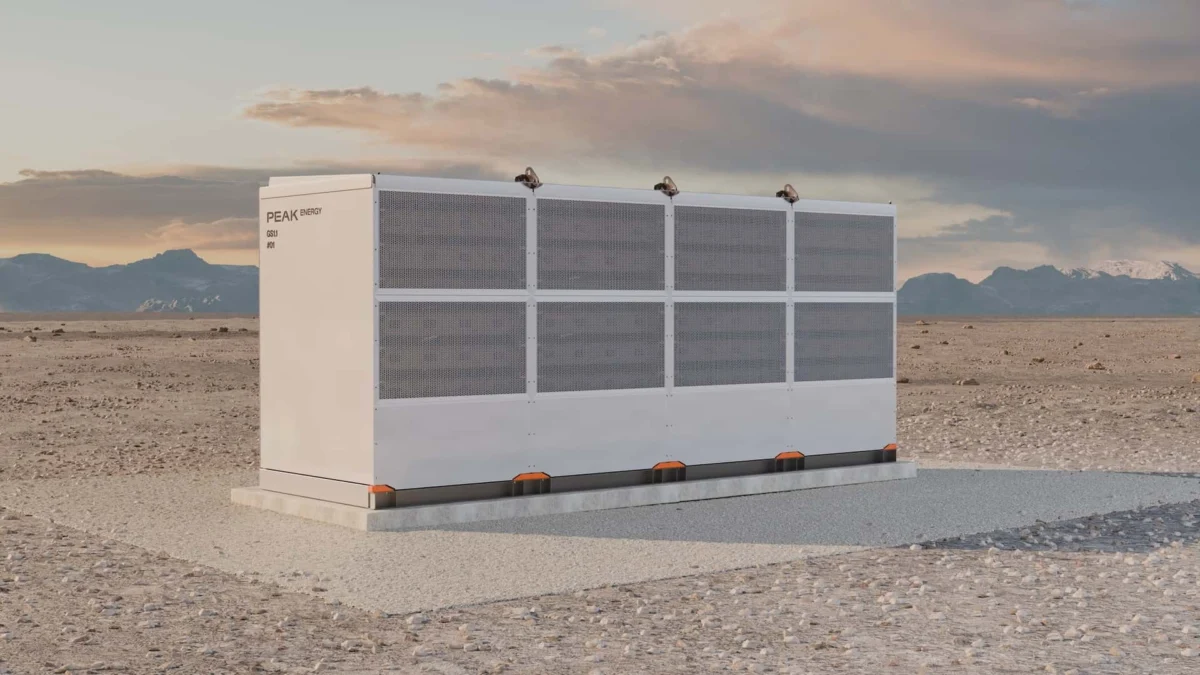
When the anticipated surge in demand for new electric vehicles (EVs) did not materialize as aggressively as projected, major automotive manufacturers found themselves with substantial investments in EV programs and battery manufacturing capacity that suddenly appeared to be in excess. However, rather than leaving this significant infrastructure underutilized, executives at several key auto and battery companies have opted to redirect this surplus capacity toward a burgeoning new market: Battery Energy Storage Systems (BESS). This strategic pivot, as highlighted by a recent feature in Reuters, signals a significant adaptation within the automotive industry to leverage existing assets and capitalize on emerging energy solutions.
The Rise of Battery Energy Storage Systems (BESS)
The stationary energy storage market is experiencing robust growth, driven by the increasing integration of renewable energy sources into the global power grid. Solar and wind power, while crucial for decarbonization, are inherently intermittent, meaning their electricity generation fluctuates based on weather conditions. BESS solutions act as critical buffers, storing excess energy generated during peak production times and releasing it when demand is high or renewable output is low. Beyond grid stabilization, these systems offer substantial economic benefits by reducing costs and managing grid loads during periods of peak electricity consumption.
AI Data Centers: A New Frontier for Energy Storage
A significant and rapidly expanding customer base for BESS is emerging in the form of new Artificial Intelligence (AI) data centers. These facilities, proliferating across the United States and globally, are voracious consumers of electricity. Tech companies are increasingly deploying BESS not merely as backup power in case of outages, but as an integral part of their energy management strategy. This involves sophisticated load-shifting capabilities, enabling them to optimize their substantial power consumption.
Specifically, AI data centers are utilizing BESS for "valley filling" – recharging battery systems during off-peak hours when electricity rates are lower, thereby reducing operational expenses. Simultaneously, they employ "peak shaving" techniques, deploying stored battery power to mitigate short-term surges in demand during high-consumption hours. This dual approach allows data center operators to manage their enormous energy bills more predictably and efficiently, aligning with both economic and operational objectives. The synergy between the automotive industry’s battery production capabilities and the growing demand for these stationary storage solutions presents a compelling business opportunity.
Addressing Excess Capacity: A Data-Driven Shift
The scale of the potential overcapacity in the battery manufacturing sector is considerable. According to data cited by Reuters from Benchmark Mineral Intelligence, automakers had originally planned for approximately 275 gigawatt-hours (GWh) of battery production capacity. In contrast, the total projected U.S. battery demand for the current year is estimated at 182 GWh. Notably, a significant portion of this demand, 37%, is now anticipated to be for the BESS market.
While the demand for automotive batteries is projected to double by the end of the decade, this growth is still not expected to fully absorb the extensive manufacturing capacity that U.S. automakers have established. This data underscores the strategic imperative for the industry to find alternative outlets for their battery production, with BESS emerging as the most logical and viable solution.
Historical Context and Industry Adaptation
The concept of utilizing excess automotive battery capacity for stationary storage is not entirely novel. Tesla, for instance, has been a pioneer in this space for over a decade, developing its Powerwall home battery systems and Megapack utility-scale batteries. Tesla’s early investment and established product lines positioned it ahead of the curve, anticipating the broader need for energy storage solutions even before widespread EV adoption necessitated such pivots.
Now, established automotive giants are entering the BESS arena, leveraging their manufacturing prowess and supply chain relationships. Ford, for example, announced in December a significant strategic shift, transitioning factory space in Kentucky to produce BESS packs. Furthermore, the keys to its second manufacturing plant in Tennessee are slated to be handed over to Ford’s battery production partner, SK On, indicating a broader commitment to the energy storage sector.
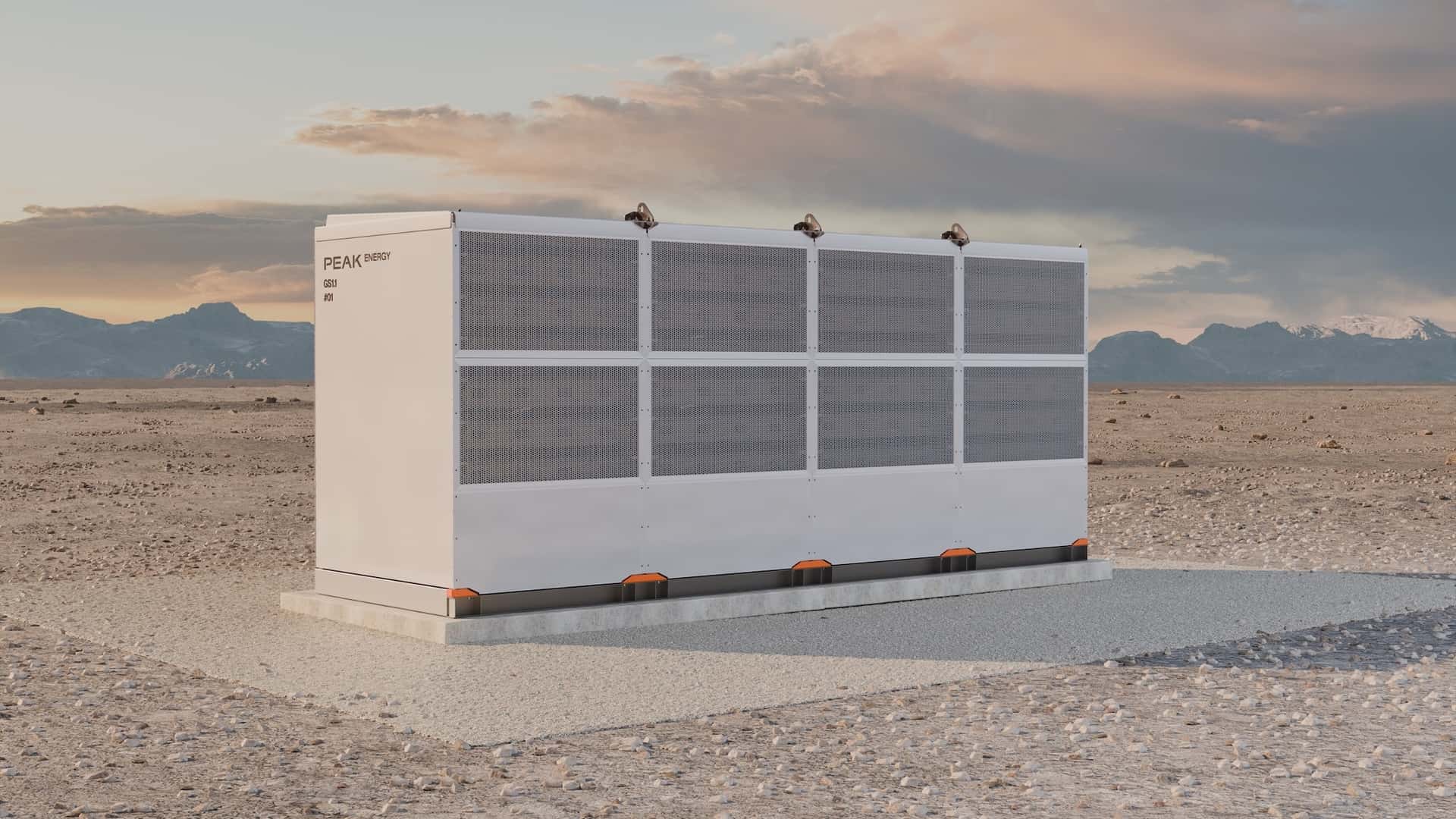
General Motors (GM) is also actively realigning its battery manufacturing operations. Its Ultium Cells plant in Nashville is reportedly moving towards the production of BESS solutions. This transition involves a substantial investment of approximately $70 million for retooling and retraining its workforce, a move designed to safeguard its $2.3 billion partnership with LG Energy Solution.
Technical Considerations and Investment
The pivot to BESS is not a simple matter of repurposing existing production lines. While both EV batteries and BESS utilize lithium-ion technology, there are critical differences in their design and intended application that require significant investment and technical adaptation. Most EV batteries manufactured in the U.S. currently employ nickel-heavy battery chemistries. These chemistries are optimized for high energy density, crucial for maximizing vehicle range.
In contrast, stationary energy storage systems often favor Lithium Iron Phosphate (LFP) battery chemistries. LFP batteries are generally more cost-effective and possess a longer lifespan when sustained at higher states of charge without significant degradation. This makes them particularly well-suited for the continuous charging and discharging cycles characteristic of grid-scale energy storage applications. Consequently, automakers must invest in retooling their manufacturing processes and potentially re-negotiate supply agreements to accommodate these different battery chemistries, adding complexity and cost to the transition.
Broader Implications and Future Outlook
The strategic shift by major automakers towards the BESS market carries significant implications for the energy sector and the broader economy. It represents a pragmatic response to the evolving landscape of the automotive industry and the increasing global demand for reliable and sustainable energy infrastructure.
Even if near-term EV demand experiences fluctuations, automakers have already made substantial commitments to factory capacity and critical mineral sourcing for battery production. By repurposing these assets for BESS, they can mitigate financial losses from write-downs and instead capitalize on the rapidly growing energy storage market. This diversification strategy not only leverages existing investments but also positions these companies as key players in the transition to a cleaner, more resilient energy future.
The increasing demand for electricity, particularly from energy-intensive sectors like AI and the ongoing electrification of transportation, makes energy storage more critical than ever. Automakers now face a clear choice: absorb the financial impact of underutilized capacity or pivot strategically to maximize the value of their investments. The current trend suggests a strong inclination towards the latter, demonstrating the industry’s adaptability and foresight in navigating complex market dynamics.
Analysis of the Strategic Pivot
This transition underscores a broader trend of industrial synergy, where capabilities developed for one sector are effectively redeployed to meet demands in another. The automotive industry’s deep understanding of battery technology, coupled with its mass-manufacturing expertise, positions it uniquely to address the growing needs of the stationary energy storage market.
The investment in retooling and retraining highlights the technical challenges involved, but also the commitment from companies like Ford and GM. This suggests a long-term strategic vision that extends beyond vehicle manufacturing into the broader energy ecosystem. The ability to produce reliable and cost-effective BESS solutions could become a significant competitive advantage, diversifying revenue streams and strengthening their market position in an increasingly energy-conscious world.
The implications for grid stability are also substantial. With major industrial players entering the BESS market, the pace of deployment of large-scale energy storage solutions is likely to accelerate. This could lead to more stable electricity grids, better integration of renewable energy, and potentially lower energy costs for consumers and businesses alike. As the world continues its transition towards renewable energy and increased electrification, the role of companies that can efficiently produce and deploy battery storage solutions will become increasingly pivotal. The automotive industry’s pivot to BESS is not just a business adaptation; it is a critical contribution to the global energy infrastructure of the future.