Tesla has officially closed the chapter on its highly exclusive Model X Signature Edition, a limited-run variant designed as a farewell to the current generation of its pioneering electric SUV. The announcement, coinciding with the closure of reservations on April 16, 2026, signifies the end of Model X production at Tesla’s Fremont factory, paving the way for the facility’s repurposing. This exclusive offering, priced at $159,420 before fees and capped at just 100 units, represents a collector’s item for dedicated Tesla enthusiasts and a poignant symbol of the company’s evolving manufacturing strategy.
A Coveted Farewell to a Landmark Vehicle
The Model X Signature Edition was far from a standard offering. Exclusively available through invitation to a select group of existing Tesla owners, it served as the final production batch of the current-generation Model X. This exclusivity was underscored by its unique features, including a striking Garnet Red exterior paint, distinctive badging, and a standard six-seat configuration. Underneath its special livery, the vehicle boasted the full Plaid powertrain specifications, delivering over 1,000 horsepower and breathtaking acceleration, cementing its status as a high-performance collector’s item.
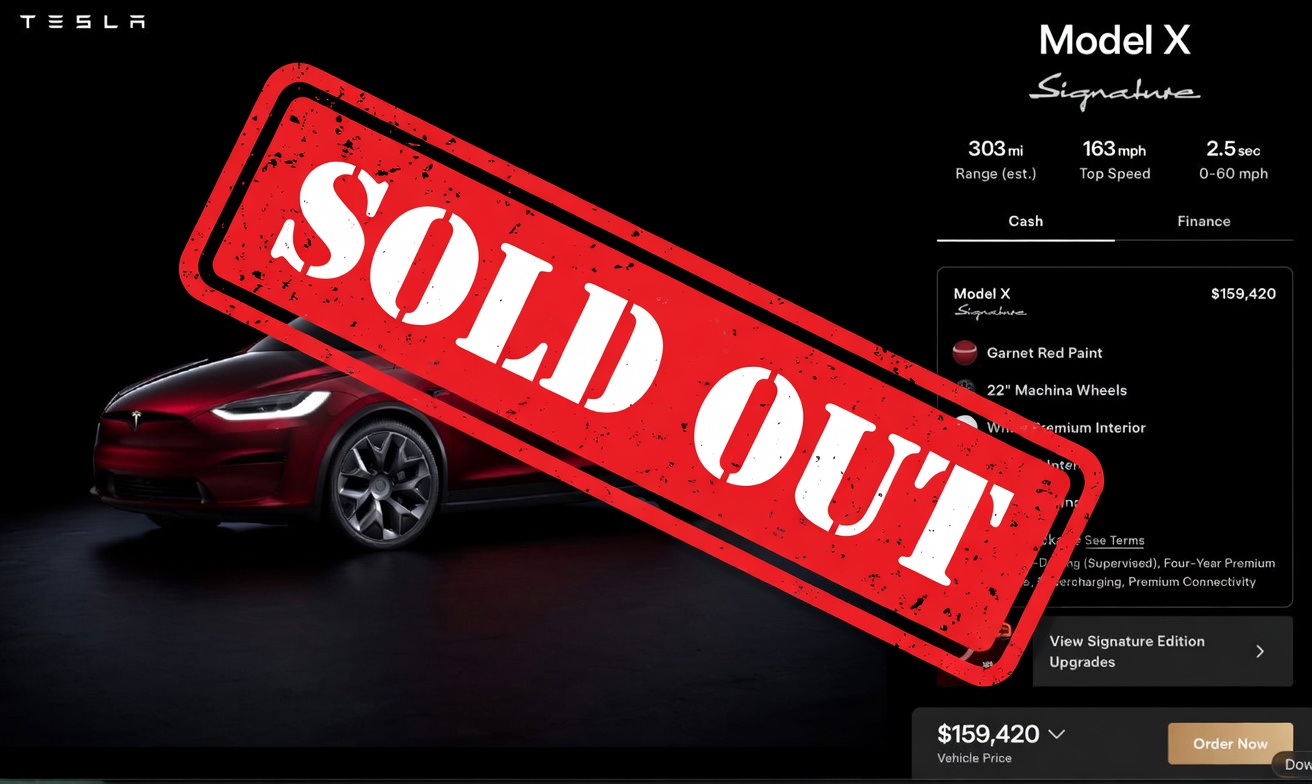
The rapid sell-out of these 100 units highlights the enduring appeal of Tesla’s premium flagship vehicles, even as the company pivots towards new technological frontiers. With standard Model X inventory across the U.S. already nearing depletion, the swift closure of reservations for the Signature Edition underscores a consistent demand for these halo products.
The Strategic Shift: From SUVs to Robots
Tesla’s decision to discontinue regular production of the Model S and Model X, and consequently the Model X Signature Edition, is intrinsically linked to its ambitious long-term strategy, notably its investment in humanoid robotics. Earlier in 2026, the company announced its intention to repurpose the dedicated production lines at the Fremont factory for the mass production of its Optimus humanoid robots.
Elon Musk, Tesla’s CEO, has repeatedly articulated his belief that Optimus could ultimately surpass the company’s vehicle business in terms of value. His vision entails building hundreds of thousands of these robots annually, a target that necessitates significant manufacturing capacity. The closure of the Model S and X lines frees up crucial space and resources to facilitate this transition.

The Signature Editions for both the Model S (250 units) and the Model X (100 units) were conceived as a deliberate "run-out" series. These vehicles were built to the highest Plaid specifications before the factory lines were converted, ensuring that the final iterations of these iconic models represented the pinnacle of their engineering and performance. Deliveries for the remaining Signature units were scheduled to commence in May 2026, offering a final opportunity for enthusiasts to acquire a piece of automotive history.
A Legacy of Innovation: The Model X’s Impact
Launched in 2015, the Tesla Model X was a groundbreaking vehicle that challenged conventional automotive design. It introduced a host of innovative features that set new benchmarks in the burgeoning electric SUV segment. The most striking of these were its signature falcon-wing doors, which not only offered a dramatic visual flair but also provided unparalleled access to the rear seats. Coupled with a panoramic windshield that offered an expansive view of the surroundings, and class-leading performance metrics, the Model X quickly became a symbol of Tesla’s commitment to pushing the boundaries of automotive engineering.
While newer models like the Cybertruck and the refreshed Model Y have captured significant attention, the Model X Plaid remained a compelling option for those prioritizing range, spaciousness, and sheer speed in an SUV package. Its ability to blend family-friendly utility with supercar-like performance solidified its position as a halo product within Tesla’s lineup.

The Broader Implications: A Testament to Adaptability
The rapid sell-out of the Model X Signature Edition is more than just a footnote in Tesla’s product history; it’s a testament to the company’s ability to adapt and innovate across multiple fronts. Even as Tesla aggressively pursues advancements in artificial intelligence and robotics, its core vehicle business continues to demonstrate remarkable resilience and consumer loyalty.
For automotive enthusiasts and collectors, these 100 Garnet Red Model X SUVs will undoubtedly become highly sought-after. They represent a tangible link to the vehicles that not only defined Tesla’s early luxury EV dominance but also played a crucial role in shaping the perception and acceptance of electric vehicles worldwide. As Tesla embarks on its next chapter, focused on the transformative potential of robotics and autonomous systems, the legacy of vehicles like the Model X will continue to endure.
A Glimpse into the Future: Cybercab Production Intensifies
Coinciding with the Model X farewell, Tesla is also making significant strides in its highly anticipated Robotaxi venture. Drone footage captured on April 17, 2026, by longtime observer Joe Tegtmeyer at Gigafactory Texas, revealed approximately 14 newly produced Cybercabs in the outbound lot, notably lacking steering wheels and pedals. This observation provides a clear indication that Tesla is moving decisively towards its vision of fully autonomous mobility.
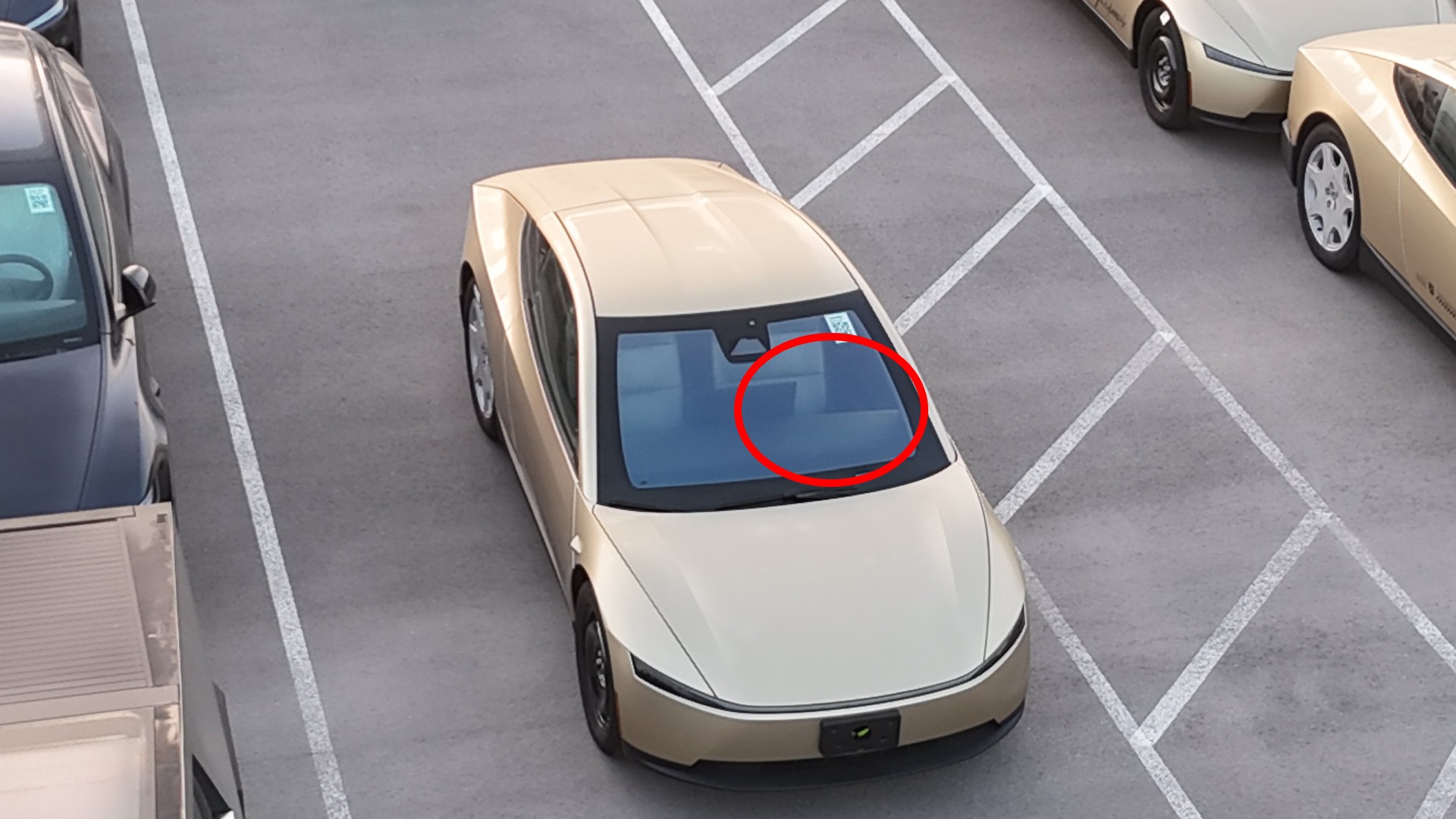
These Cybercabs, designed from the ground up as purpose-built robotaxis, are intended for unsupervised Full Self-Driving (FSD) operation. The elimination of manual driving controls not only reduces complexity and cost but also maximizes interior space and potentially enhances range. This development suggests that Tesla has successfully navigated initial validation hurdles and is now producing vehicles to the exact specifications required for commercial robotaxi service.
The current Federal Motor Vehicle Safety Standards permit the production of up to 2,500 units per year without steering wheels, provided a company is pursuing an exemption. The appearance of these wheel-less Cybercabs in the outbound lot signals Tesla’s readiness to scale production, likely for initial pilot operations in Austin and further validation, while simultaneously advocating for regulatory modifications to enable broader deployment. This accelerated production pace for the Cybercab underscores Tesla’s commitment to its autonomous vehicle ambitions, potentially reshaping the future of personal transportation and ride-sharing services.
Expanding Horizons: Model Y for India
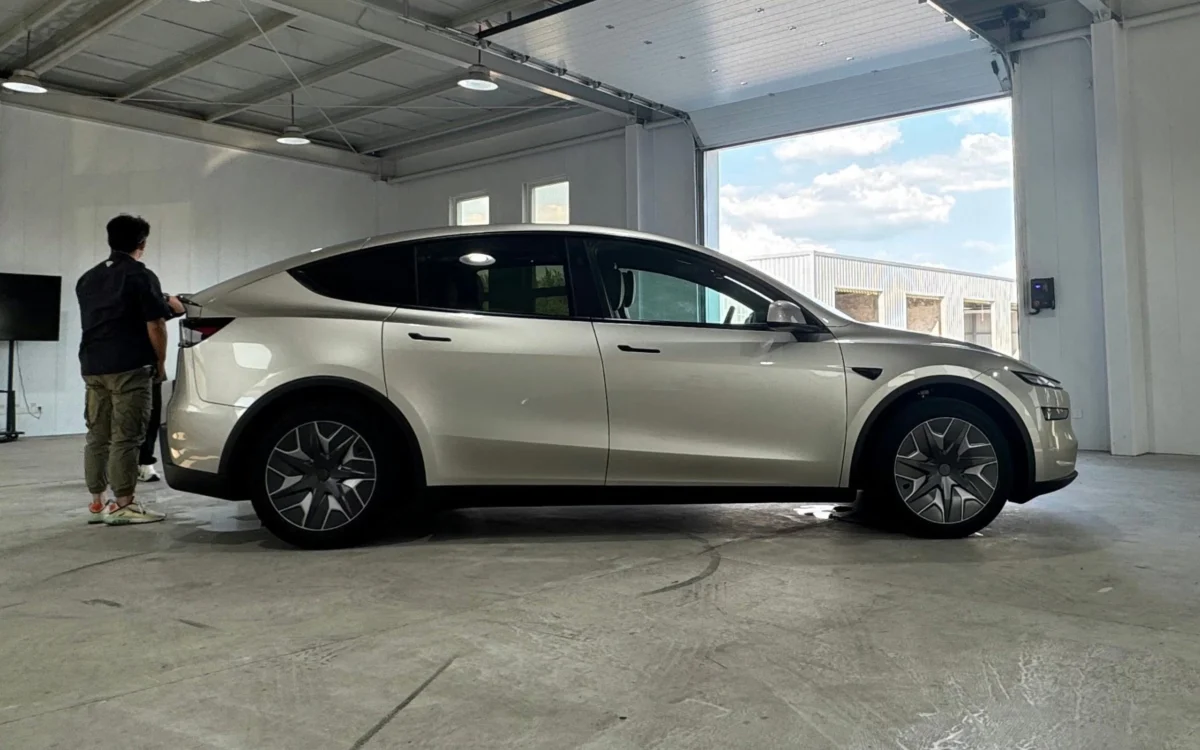
In a move that signifies Tesla’s persistent efforts to penetrate diverse global markets, the company is preparing to launch a new trim of its popular Model Y in India. This expansion into India has been a long and challenging journey, largely due to the country’s high import tariffs, which previously made EVs prohibitively expensive. After years of negotiations and delays, Tesla’s initial entry in July 2025 with the Model Y saw modest sales, prompting the company to adopt a more strategic approach.
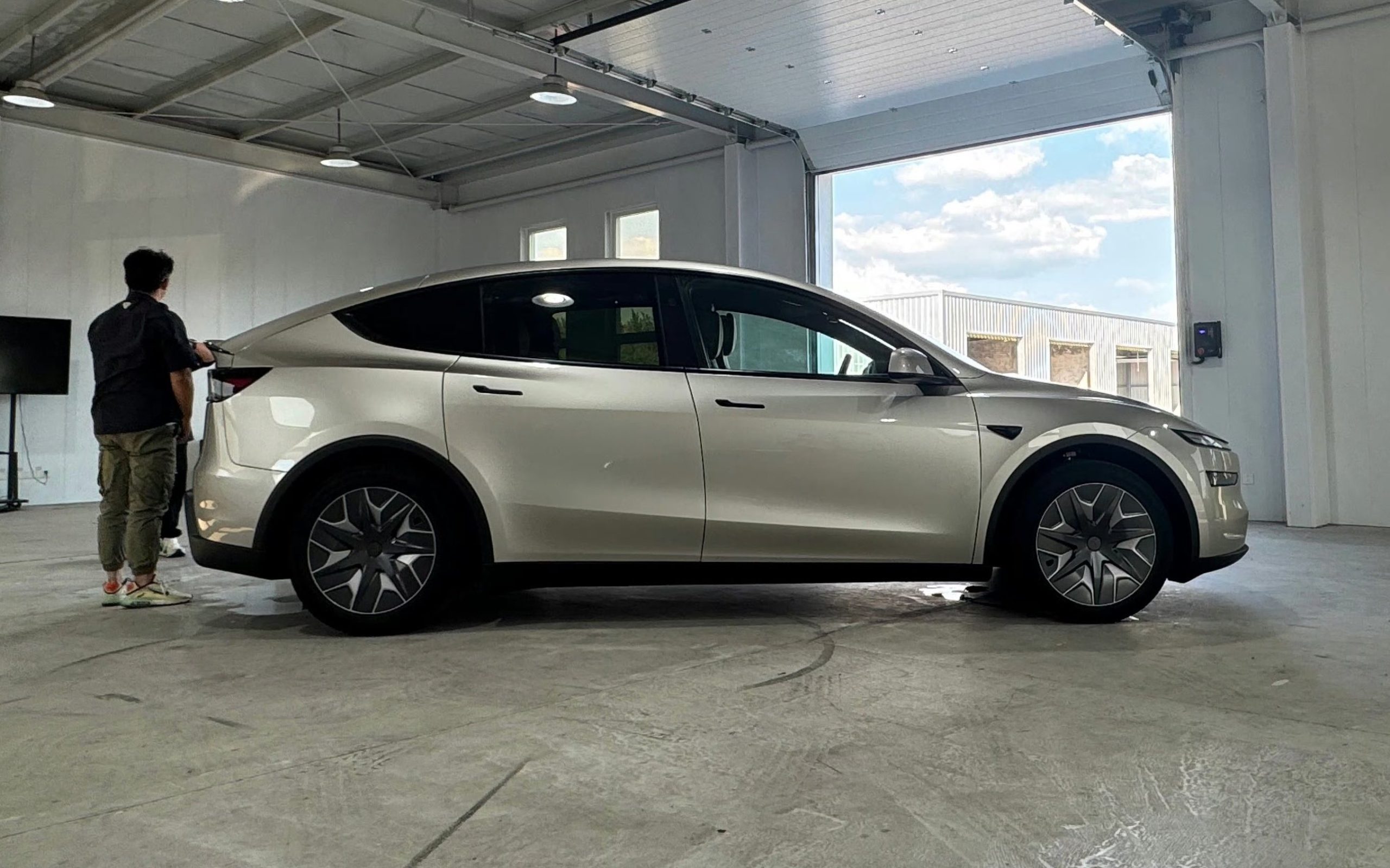
The upcoming launch of the Model Y L, a six-seat, long-wheelbase variant, is a direct response to market demands and preferences. This new configuration, which debuted in China in 2025, offers increased space tailored for families and will be exported from Tesla’s Shanghai Gigafactory. This pragmatic strategy leverages existing production capabilities to address specific market needs without immediate local manufacturing commitments. While import duties continue to influence pricing, the introduction of a more spacious and versatile option aims to broaden appeal beyond early luxury adopters, demonstrating Tesla’s adaptability in navigating complex international automotive landscapes. The success of this initiative could pave the way for further investment and potentially local production in the future, contingent on evolving trade policies and market reception.
The Dawn of a New Era: Elon Musk’s Vision
Elon Musk’s recent "golden era" teaser video further encapsulates Tesla’s forward-looking vision, highlighting the transformative potential of autonomous transportation and questioning the very concept of traditional car ownership. The video, featuring a Cybercab, suggests a future where personal vehicles are not just modes of transport but also income-generating assets when not in personal use.
Tesla’s plans to expand its Robotaxi program to seven new cities in the first half of 2026, including Dallas, Houston, Phoenix, Miami, Orlando, Tampa, and Las Vegas, alongside existing operations in Austin and public road testing across five states, signal an aggressive timeline for autonomous ride-sharing. The company’s ambition to sell the Cybercab for under $30,000 and integrate it into a ride-sharing network has the potential to fundamentally alter the economics of vehicle ownership, making cars more akin to self-paying investments. This paradigm shift, driven by advancements in autonomous technology and a reimagined ownership model, positions Tesla at the forefront of a revolution that promises to redefine personal mobility. The closing of the Model X production line, therefore, represents not an ending, but a strategic redirection towards a future where autonomous robots and advanced AI are at the core of Tesla’s enterprise.