Twenty-five years ago, a passion project born in the United States aimed to serve a dedicated community: the vinyl "crate diggers." Wax Poetics, a magazine meticulously curated for those who scoured record shops for rare and sought-after vinyl, carved out a unique niche. Fast forward to 2024, and this esteemed publication has undergone a significant transformation. Under the ownership of two British entrepreneurs, Alex Bruh and David Holt, Wax Poetics has evolved from a print-centric magazine into a dynamic global platform, expanding its focus to encompass a vast array of music collectibles, including rare vinyl, original artist demos, limited-edition prints, and other memorabilia, often sourced directly from the creators themselves. This strategic shift signifies a bold new chapter for the brand, blending its rich heritage with a contemporary approach to the burgeoning market of music-related artifacts.
The Evolution of Wax Poetics: A New Era of Music Collectibles
The acquisition of Wax Poetics by Alex Bruh and David Holt marks a pivotal moment in the publication’s history. While its roots are firmly planted in the tangible world of vinyl, the new leadership has recognized the broader landscape of music collecting. This expansion into a multifaceted platform acknowledges that the appeal of music extends beyond just the auditory experience, encompassing the visual art, the creative process, and the physical artifacts that represent an artist’s journey. This strategic pivot allows Wax Poetics to cater to a wider audience of collectors, enthusiasts, and fans who seek a deeper connection with their favorite musicians and genres.
"There’s always a natural instinct to own physical items, right?" explains Alex Bruh, one of the new custodians of Wax Poetics. "It gives you a connection to the music, it means you’re more likely to spend more time with it. My record collection is the story of my life: on this holiday I was into this genre, then you have the grunge years, the disco years… That’s what it means for me, but a lot of collectors have their own motivations. It’s really different for everyone." This sentiment underscores the deeply personal and often narrative-driven nature of collecting, where each item tells a story and contributes to a larger personal archive.
David Holt further elaborates on this evolving appreciation for physical media in the digital age. "I think with the internet, people are too quick to write off old mediums. Everybody thinks that ease and accessibility are people’s main drivers, but I would say it’s more about experience and quality. And from that perspective, vinyl is still the best medium for the job. It’s about more than just the music. We see behind the scenes of a lot of artists’ processes, things like creating the artwork, the contracts, and vinyl is the best distillation of that. CDs and tapes do it as well, but streaming definitely doesn’t." This highlights the inherent value in the tangible and the comprehensive artistic statement that physical music formats, particularly vinyl, can represent.
The Enduring Allure of Vinyl: More Than Just Sound
The enduring appeal of vinyl as a collectible item is a multifaceted phenomenon, deeply intertwined with nostalgia, a desire for tangible connection, and an appreciation for the artistic integrity of music production. In an era dominated by digital streaming, where music can be accessed instantaneously and ubiquitously, the act of owning and playing a vinyl record offers a distinctly different experience.

Bruh emphasizes the lasting power of physical formats: "The physical formats are the ones that stand the test of time. Demand for vinyl might vary, but it’s never going away. What you see now is a counter movement to everything that’s going on in the digital space. The more people talk about streaming and AI, the more it drives this subset of people towards the physical formats." This observation points to a growing counter-culture movement, where the perceived ephemerality and algorithmic influence of digital platforms drive consumers back towards the solidity and curated experience of physical media.
Holt’s perspective adds another layer to this discussion, suggesting that the very prevalence of streaming has, paradoxically, bolstered vinyl’s collectibility. "Yeah, I do," he responds when asked if streaming has made vinyl more collectible. "For artists, streaming is quite negative. But for consumers, it’s quite attractive, because you can access music very, very easily. Streaming has actually made me buy more records, because it’s cut out the wastage. I think streaming is definitely driving vinyl sales." This "wastage" he refers to could be interpreted as the overwhelming abundance of music available through streaming, leading some to seek out more curated and deliberate listening experiences, often found in the form of physical records.
The rise of AI in music creation and curation also plays a role in this dynamic. Holt notes, "But when you just let your streaming roll, and you’re not curating it, and it starts chucking AI at you, you lose faith in it. But vinyl is now becoming so popular that maybe it doesn’t need to rely on streaming anymore." This suggests a potential saturation point for algorithmic music discovery, pushing discerning listeners towards more authentic and human-driven forms of musical engagement.
The sentiment of "backlash" is not entirely unfounded. As Bruh puts it, "I think backlash is an interesting way of putting it. Collecting does have a little whiff of punk rebellion about it. Music is such a strong passion for people, and the experience you get from streaming just isn’t the same." This "punk rebellion" can be seen as a rejection of mainstream digital consumption in favor of a more engaged and personal relationship with music.
What Defines a Collectible Record?
The question of what makes a piece of vinyl particularly collectible elicits nuanced answers, highlighting both objective market factors and deeply subjective personal motivations.
"It depends on what makes it collectible to you," says Holt. "If you want an asset that you can sell in 20 years to make some money, then you’re looking at scarcity, provenance, hype, all those things. Whereas for me personally, I’m looking for records that soundtrack a moment that I was involved in, whether it’s a club night or a gig, or an artist that I’m interested in finding. There are those hard factors of what’s valuable in a monetary sense, and then there are the softer, human factors, just the desire to own something that you feel something about." This dichotomy between monetary value and personal significance is central to the collecting ethos. Scarcity, the history of the item (provenance), and current trends (hype) are key drivers for investors and collectors seeking financial returns. However, for many, the emotional connection to the music, the artist, or a specific memory is the paramount factor.

Holt further illustrates this point with his own collecting habits: "I buy loads of records by artists that I like, but I don’t necessarily like the records themselves. I’m a completist – I might really respect the artist, but I might think their 80s stuff wasn’t much cop. Roy Ayers springs to mind – he’s got an awesome catalogue, but doesn’t kill it on every record. But I still need to have it!" This demonstrates the dedication of some collectors to owning an artist’s entire body of work, regardless of the perceived quality of every release, driven by a deep respect for the artist’s overall contribution.
The intrinsic value of a collectible item is also shaped by its rarity. Test pressings, for instance, are produced in extremely limited quantities and are often not intended for public sale. Similarly, acetates, which are early, direct-to-tape recordings, represent unique or near-unique artifacts. Bruh shares a compelling example: "We had a test pressing of Afrika Bambaataa’s Planet Rock that we got from Arthur Baker, who produced that record. And some of the Masters At Work acetates that came direct from Louie Vega are really limited, they sell for around $700 upwards." These examples highlight how direct connections to artists and producers, combined with extreme rarity, can drive significant monetary value in the collectibles market.
The Business of Music Collectibles: Challenges and Opportunities
The burgeoning market for music collectibles, particularly vinyl, presents both significant opportunities and notable challenges. The demand for these items continues to grow, driven by a global audience of passionate fans and savvy collectors. However, the industry is not without its hurdles, particularly concerning the accessibility and affordability of new releases.
David Holt addresses one of the primary concerns: "Vinyl still has some problems to iron out, one of which is cost. A new record [can be] £40/50, which is expensive. The major labels need to be less greedy." The rising cost of new vinyl pressings is a significant barrier for many potential collectors, especially younger audiences. This economic factor can influence purchasing decisions and potentially limit the growth of the market if not addressed. Increased production costs, coupled with a demand that often outstrips supply, have contributed to this trend. The intricate processes involved in vinyl manufacturing, from mastering to pressing, require specialized equipment and skilled labor, all of which contribute to the final price.
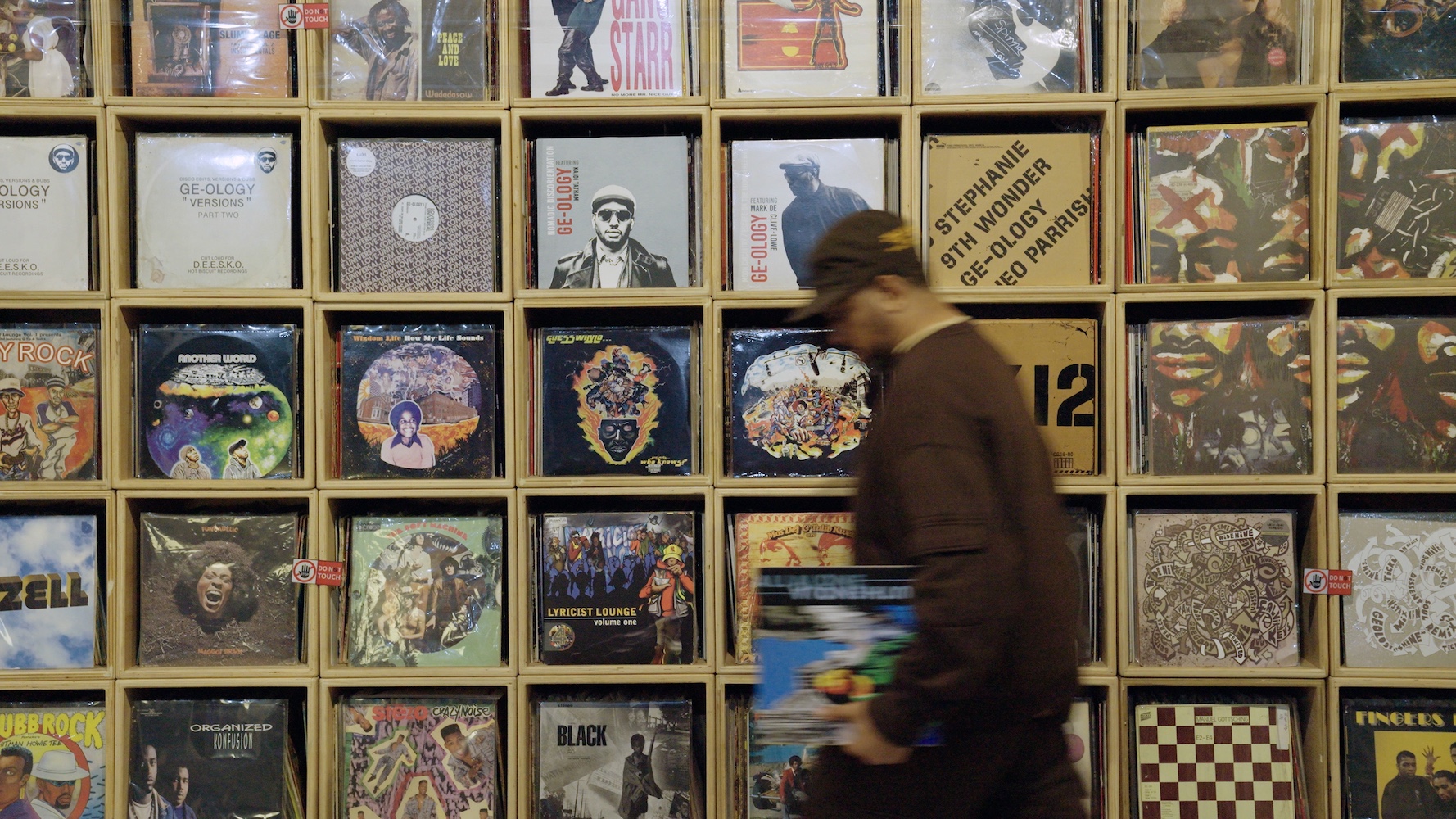
Despite these challenges, Holt remains optimistic about the future of vinyl: "But I think the demand for vinyl will continue, from the young and old alike. My local record store in north London is always busy, and it’s full of people from all different generations. So I think vinyl has got a bright future. The world is moving more towards it again, which I find really heartwarming." This observation from Holt paints a vivid picture of a vibrant and intergenerational community of vinyl enthusiasts. The consistent foot traffic in local record stores, a trend observed in many urban centers globally, suggests a sustained and growing interest in the medium. This indicates that the appeal of vinyl transcends demographic boundaries, fostering a shared passion across different age groups.
The rise of specialized online marketplaces and platforms like Wax Poetics further facilitates this growing market, connecting buyers and sellers worldwide. These platforms not only offer a wider selection of rare and sought-after items but also provide valuable information about artists, releases, and the history behind the collectibles. This enhanced accessibility and informational depth are crucial for nurturing both new and established collectors.
The Wider Implications: A Cultural Resurgence
The resurgence of interest in vinyl and other physical music collectibles signifies a broader cultural shift. It reflects a growing desire for authenticity, tangible experiences, and a deeper connection to art and culture in an increasingly digital and often superficial world. The dedication of platforms like Wax Poetics to preserving and promoting these artifacts plays a vital role in this cultural phenomenon.
The trend also has implications for artists. While streaming platforms offer broad reach, the ability to connect with fans through physical merchandise and limited editions can provide a significant source of income and foster a more dedicated fanbase. Direct engagement with artists through these collectibles allows fans to feel a closer connection to the creative process and to support their favorite musicians in a more meaningful way.
Furthermore, the act of collecting itself fosters communities. Record fairs, online forums, and specialized shops become hubs for like-minded individuals to share their passion, knowledge, and discoveries. This sense of community is an integral part of the collecting experience, enriching it beyond the mere acquisition of objects.
As Wax Poetics continues to evolve under Bruh and Holt’s leadership, its commitment to celebrating the artistry and history of music through tangible collectibles positions it as a significant player in this ongoing cultural resurgence. The journey from a niche magazine to a global platform underscores the enduring power of music to transcend its medium and to forge lasting connections between artists, fans, and the artifacts that tell their stories. The future of music collecting, as embodied by Wax Poetics, appears to be one that values both the sonic experience and the rich tapestry of physical artistry that accompanies it.