Apple is reportedly centering its smart home strategy on a new high-end smart display, with internal targets now pointing toward a September launch to coincide with the rollout of iOS 27. The project, which has been in active development for several years, has reportedly faced internal delays not due to hardware constraints—as the physical device has been considered "finished" for several months—but due to the rigorous development cycle of the next-generation Siri. According to the latest reports from Bloomberg’s Mark Gurman and corroborated by supply chain leakers, the tech giant views the success of this hardware as inextricably linked to its revamped artificial intelligence capabilities, specifically the integration of "Apple Intelligence" and Google’s Gemini-powered backend.
Hardware Maturity and the Software Bottleneck
The upcoming smart home display represents Apple’s most significant move into the ambient computing space since the launch of the original HomePod in 2018. While Apple has dominated the smartphone, tablet, and wearable markets, its presence in the "center of the home" has been limited to the Apple TV and various iterations of the HomePod speaker. The new device aims to bridge the gap between these products, functioning as a permanent, always-on hub for home automation, communication, and media consumption.
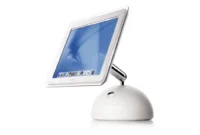
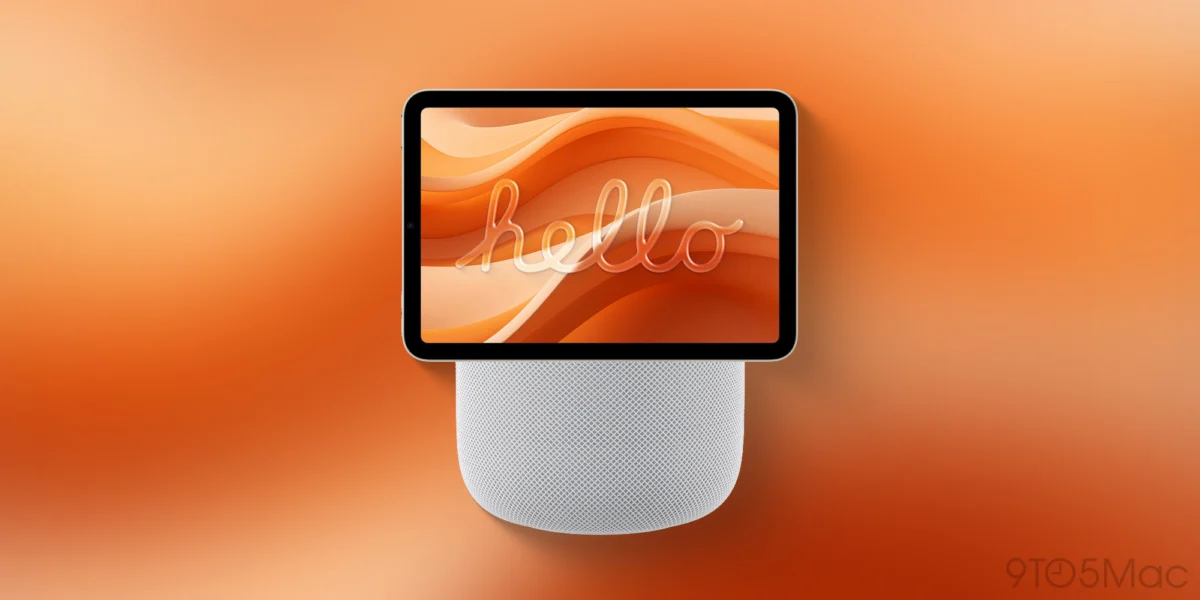
Sources familiar with the matter indicate that the hardware prototypes have reached a final production-ready state. The device is described as a square-shaped screen, roughly the size of two iPhones placed side-by-side or a small iPad, which can be utilized in two primary configurations. The first involves a "half-dome" speaker base, reminiscent of the classic iMac G4 design, providing high-fidelity audio and a stable countertop presence. The second configuration utilizes a specialized wall attachment, which recent leaks suggest will feature a "MagSafe-like" snap-to-wall mechanism. This modularity allows the device to transition from a kitchen counter assistant to a wall-mounted control panel for integrated home systems.
Despite this hardware readiness, Apple leadership has reportedly postponed the launch to ensure the software experience is seamless. The core value proposition of the device is its role as an "AI Hub," a feat that requires the fully realized version of the new Siri. This upgraded assistant is expected to handle complex, multi-step requests and maintain conversational context—features that are currently being refined through Apple’s partnership with Google and the implementation of on-device Large Language Models (LLMs).

The Evolution of the Smart Home User Interface
The user interface of the new smart display is said to depart significantly from the traditional grid of icons found on iPadOS. Instead, Apple is reportedly leaning into a design language similar to watchOS, featuring a fluid arrangement of circular app icons optimized for quick touch interactions and glanceable information. This "HomeOS" interface is designed to be accessible from across a room, prioritizing large UI elements and voice-first navigation.
One of the most anticipated features of the device is its advanced proximity and facial recognition system. Unlike the standard Face ID found on iPhones, which requires a specific angle and proximity to unlock, the smart home display will use a wide-angle sensor system to identify users as they approach the device. This allows for a "passive personalization" experience. For instance, if a primary user walks into the kitchen, the display could automatically surface their specific calendar appointments, "Up Next" music suggestions, and personalized news briefings. If a different family member approaches, the interface would dynamically switch to reflect their data and preferences.
This level of proactive assistance is where Apple believes it can outperform competitors like Amazon’s Echo Show and Google’s Nest Hub. While those devices offer personalization, they often require manual switching or have struggled with the privacy implications of "always-watching" cameras. Apple is expected to leverage its "Secure Enclave" and on-device processing to market this feature as a privacy-first alternative to the data-collection models used by its rivals.
A Timeline of Development and Delays
The journey toward a screened HomePod has been marked by several strategic shifts within Apple’s Home Hardware Engineering group.
- 2022–2023: Early rumors suggested Apple was experimenting with a HomePod that featured a circular screen on top. This was later deemed too limited for a true "hub" experience.
- Early 2024: Reports surfaced that Apple had pivoted to a larger, iPad-like display. Internal development focused on integrating a powerful enough processor to handle on-device AI.
- Late 2024: Apple signed a landmark deal with Google to integrate Gemini AI models, acknowledging that its in-house LLM development needed a supplementary boost to compete with ChatGPT and other market leaders.
- Early 2025: Rumors of a spring launch began to circulate. However, testing of the new Siri in early beta versions of iOS 26 showed that the "personal context" features were not yet stable enough for a hardware debut.
- March 2026: Leaker Kosutami and Bloomberg’s Mark Gurman both confirm the shift to a September launch window, coinciding with the broader release of iOS 27 and the "complete" version of the AI-enhanced Siri.
Current projections suggest that the first wave of these enhanced Siri features will arrive in a mid-cycle update, likely iOS 26.5, within the coming weeks. This will serve as a "beta test" for the intelligence features that will define the smart home display later in the year.

Strategic Integration with the Apple Ecosystem
The smart home display is not intended to be a standalone product but rather the "glue" that binds the Apple ecosystem together in a residential setting. Apple is expected to utilize the Matter smart home standard heavily, ensuring that the display can control thousands of third-party devices, from smart lights to thermostats. However, the deepest integration will remain exclusive to Apple users.
The "Snap-to-Wall" feature, for example, is rumored to work in tandem with the iPhone’s "Standby" mode and the iPad’s "Home" app. When docked, the device could serve as a permanent intercom through FaceTime, a digital photo frame powered by iCloud Shared Photo Libraries, and a central control node for HomeKit-enabled security cameras.
Furthermore, the inclusion of the U1 or U2 Ultra Wideband (UWB) chip is highly likely. This would allow the device to sense the precise location of an iPhone or Apple Watch in the room, enabling features like "Handoff" where a song playing on a user’s phone automatically transfers to the smart display’s speakers as they enter the room, or vice versa.
Market Analysis and Competitive Positioning
Apple enters a market that has largely reached a plateau. Amazon and Google have dominated the smart display category for years, often selling their hardware at near-cost or at a loss to gain a foothold in users’ homes and collect data. Apple’s entry into this space suggests a move toward a premium, high-margin alternative.
Industry analysts suggest that Apple’s delay is a calculated risk. "Apple cannot afford a ‘Siri 1.0’ moment with this device," says one market analyst. "The hardware is impressive, but if the AI feels sluggish or fails to understand natural language, it will be compared unfavorably to the cheap Echo Show devices already in millions of homes. By waiting for the software to catch up, Apple is betting that consumers will pay a premium for a hub that actually works as a digital assistant, not just a voice-activated timer."

The pricing of the device remains a point of speculation, though given its described features—facial recognition, high-end audio, and a sophisticated display—most experts anticipate a price point between $349 and $499. This would position it as a luxury item compared to the $100-$250 price range of competitors.
Future Outlook: WWDC and the Path to September
The next major milestone for the product will be the Worldwide Developers Conference (WWDC) in June. While Apple rarely announces new home hardware at this event, it is expected to unveil iOS 27 and "HomeOS," the software foundation for the display. Developers will likely receive new tools to create "Home Widgets" and apps optimized for the new circular icon interface.
The September launch window is strategic for several reasons. It allows Apple to bundle the smart home display with its annual iPhone launch cycle, potentially offering it as part of a "Pro" home bundle. It also positions the device perfectly for the holiday shopping season, where smart home technology remains a top-selling category.
As Apple continues to transition from a hardware-first company to one defined by "Apple Intelligence," the smart home display represents the first true test of this new era. If successful, it will transform the home into a truly reactive environment, where the technology fades into the background and the "AI Hub" becomes as essential to daily life as the iPhone itself. For now, the tech world waits for September to see if the promised synergy between hardware and the "new Siri" can finally deliver the smart home experience Apple has been envisioning for a decade.