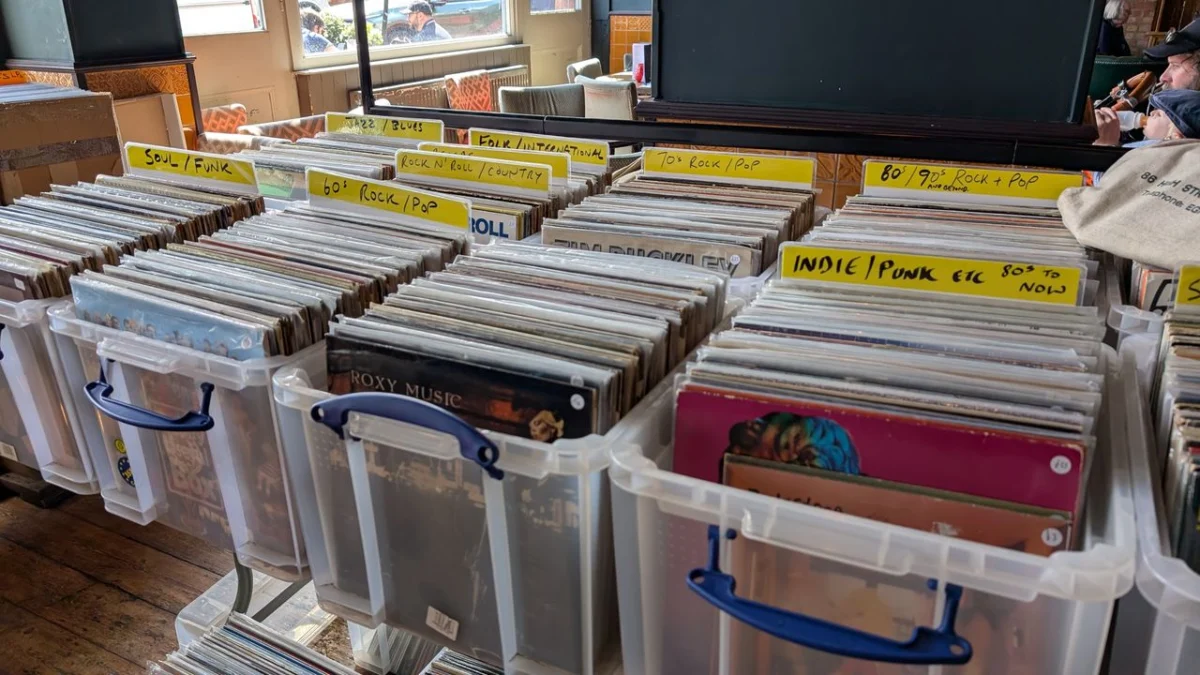
"Don’t you already have that?" This is a question my wife frequently asks when I’m crate digging and start examining a record. It’s a fair one. She’s usually right and I do indeed already own a copy. And, for anyone not in the world of vinyl, understanding why I may want two of the same album can be confusing. After all, there are entire swathes of the human race who don’t get physical media in general any more. Why bother with it when you can get it via a streaming service, usually with considerably less faff?
Our production editor, Chris Burke, for example, penned a magnificent piece explaining why "old is gold" for him when collecting vinyl last year. Many of you, our discerning readers, have long espoused various audio benefits, arguing there’s a warmth and fidelity "you just can’t replicate" when listening to vinyl.
The allure of vinyl has seen a significant resurgence in recent years, defying initial predictions of its demise. Global vinyl sales have steadily climbed, with the UK market alone experiencing double-digit growth annually. In 2022, vinyl LPs outsold CDs for the first time since 1987, marking a significant cultural and economic shift in music consumption. This phenomenon isn’t merely about nostalgia; it’s a complex interplay of sonic preferences, collector’s instincts, and a desire for tangible connection to music.
The Collector’s Dilemma: Beyond Simple Ownership
The question of owning multiple copies of the same album, particularly in the context of vinyl, delves into the intricate world of collecting. It’s a pursuit driven by more than just the desire to listen to a song. For many, the value lies in the specific pressing of an album, each holding its own unique history and characteristics. This can range from the pristine condition of a first pressing to the sonic qualities of a particular mastering, or even the historical significance of a limited edition release.
The article touches upon the appeal of owning a piece of music history, citing an example of an individual who paid £19,000 for a first pressing of Dark’s Dark Round The Edges album. This highlights the extreme end of the collector’s market, where rarity, provenance, and historical significance can command extraordinary prices. Such instances mirror the world of rare books, where first editions with unique inscriptions or significant historical ties are highly prized by bibliophiles. The value is not solely in the content, but in the object itself as a historical artifact.
The Pursuit of Artistic Intent: Mastering and Pressing Variations
However, the author clarifies that their primary motivation is not solely historical acquisition. Instead, the focus shifts to achieving the closest possible approximation to the artist’s original vision. This is where the nuances of vinyl mastering and pressing become paramount.
"I don’t care about any of them," the author states, referring to the general concept of owning any copy. "My focus, especially for their body of work from 1963 to 1968, is on pressings containing the original mono mastering that the band themselves slaved over and released with their personal blessing at the time." This preference for original mono masterings, particularly from the Beatles’ prolific mid-1960s period, underscores a belief that the artist’s initial creative choices, as presented in that specific format, represent the definitive artistic statement.
The transition from mono to stereo sound in the music industry, particularly in the 1960s, was a significant technological and artistic shift. Mono mixes were often meticulously crafted by artists and engineers as the primary listening experience. Stereo mixes, while offering a wider soundstage, sometimes involved a different approach to arrangement and balance that may not have fully aligned with the artist’s initial intent. For dedicated audiophiles and fans, tracking down original mono pressings is an effort to experience the music as it was first conceived and approved by the creators.
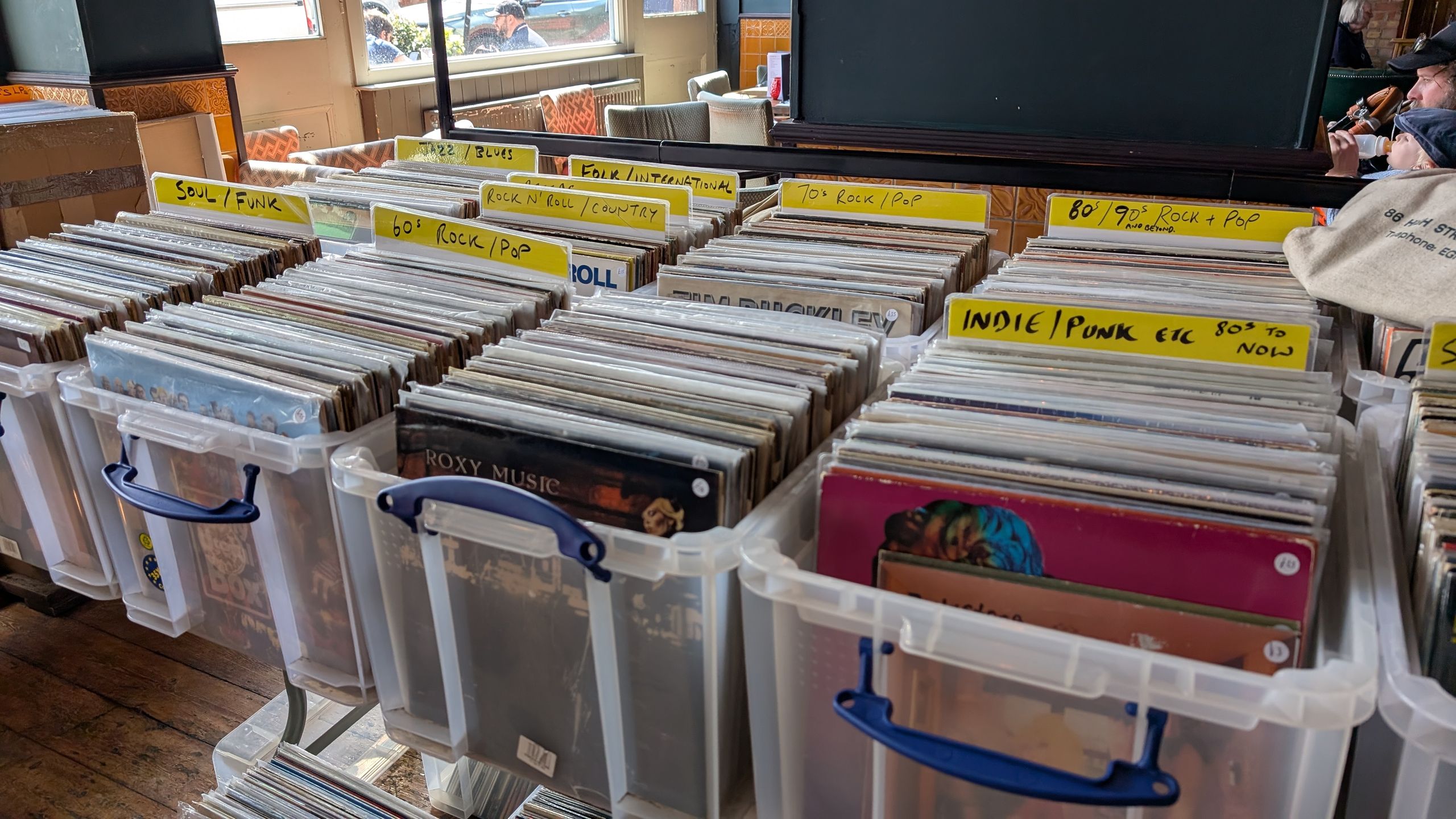
The author further elaborates on this point: "I don’t want a new version that none of them was involved with, even if it is technically better. That’s why I always search for the original mono pressings when visiting second-hand stores or boot sales." This reveals a deliberate curation process, prioritizing authenticity of artistic intent over potential sonic improvements in later releases.
The Case for Modern Remasters: When "New" is Closer to Original Vision
Paradoxically, the author acknowledges that sometimes a modern remaster can be more desirable, even if it’s not an original pressing. This is exemplified by their description of owning a newer remaster of an album that fixes perceived speed issues found in the original mono version. "Because of that, while I would like an OG pressing for my collection, for actual listening, I own a newer remaster that fixes the original version’s speed issues, so I can hear what each maestro actually played, as they intended."
This highlights a crucial distinction: the difference between owning a piece of history and experiencing the music in its optimal intended form. In this instance, the "technically better" remaster, by correcting flaws that obscured the original performance, ultimately serves to bring the listener closer to the artist’s intended sound. This is a testament to the fact that the pursuit of the "perfect" vinyl pressing is not a monolithic endeavor but is highly dependent on the specific album, artist, and historical context.
Record Store Day and Artist Involvement: A Modern Approach to Curation
The article then pivots to a contemporary example, highlighting a purchase earmarked for Record Store Day: The Cure’s Acoustic Hits (25th Anniversary Edition). This choice is explained by two key factors: a personal affinity for The Cure and, crucially, the involvement of Robert Smith, the band’s frontman and principal songwriter, in the remastering process.
"First, because I love The Cure. Second, because front man and main composer, Robert Smith, was involved in the remastering of the original acoustic sessions, which were recorded as a partner for the band’s 2001 Greatest Hits collection. So, in many ways, the modern, cleaned-up version is closer to his intended vision, hence why I want it." This illustrates a modern paradigm where artists actively participate in revisiting and reinterpreting their back catalogs. When an artist is directly involved in a remaster, it imbues the new version with a level of authenticity and artistic endorsement that can be as compelling, if not more so, than an original pressing.
Record Store Day, an annual event celebrated on the third Saturday of April, has become a significant driver of vinyl sales and a platform for exclusive releases and reissues. Its success is partly due to its ability to tap into the collector’s market and create buzz around new and re-imagined physical music formats. The Cure’s Acoustic Hits release aligns perfectly with the spirit of Record Store Day, offering fans a new perspective on familiar material, curated with artist involvement.
The Devil is in the Details: A Personalized Quest for Authenticity
The article concludes by emphasizing that the quest for the ideal vinyl pressing is deeply personal and context-dependent. "It’s all down to context, and, as is often the case, the devil is in the details when it comes to my preference for which specific pressing of an album I want. The only connecting factor is that I want it to be as close to the artist’s vision as possible. Outside of that, there are no sacred cows."
This sentiment encapsulates the multifaceted nature of vinyl collecting. It is not simply about acquiring records; it is about understanding the history of their production, the evolution of audio technology, and the artist’s creative journey. Whether it’s the raw immediacy of an original mono mix, the sonic clarity of a meticulously remastered stereo version, or the historical weight of a rare first pressing, each copy tells a story. The "perfect" vinyl pressing, therefore, is not a universal standard but a subjective ideal, shaped by individual appreciation for sound, history, and the enduring power of artistic intent.
The broader implications of this nuanced approach to vinyl collecting extend beyond the individual enthusiast. It speaks to a consumer desire for authenticity and tangible connection in an increasingly digital and ephemeral world. The resurgence of vinyl, and the sophisticated collecting practices that accompany it, suggest a deep-seated human need to engage with art in a physical, enduring form, one that allows for a deeper understanding and appreciation of the creative process itself. As technology continues to evolve, the vinyl record, with its inherent complexities and rich history, continues to offer a unique and compelling pathway for experiencing music.