The Home Assistant 2026.4 update represents a significant milestone in the evolution of open-source home automation, focusing on the integration of legacy infrared technology and the refinement of natural language automation triggers. This release, spearheaded by the core development team and a vast network of global contributors, introduces native infrared support, fundamentally changing how users interact with non-smart appliances. By elevating infrared (IR) to a "first-class citizen" within the ecosystem, the platform enables millions of older televisions, air conditioners, and audio systems to be controlled with the same granularity as modern Internet of Things (IoT) devices. Beyond hardware compatibility, the 2026.4 release emphasizes user experience through dashboard customization, Matter-standard lock management, and enhanced transparency for artificial intelligence (AI) agents.
The Infrared Revolution: Modernizing Legacy Hardware
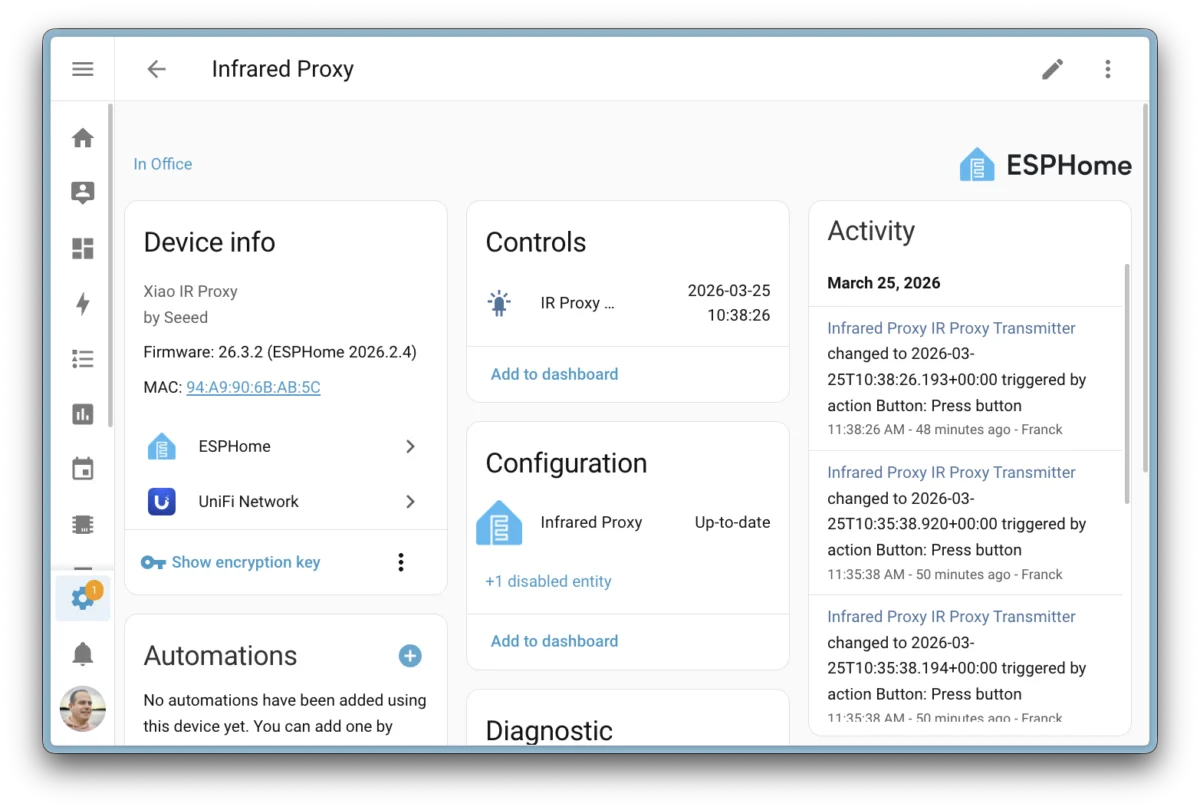
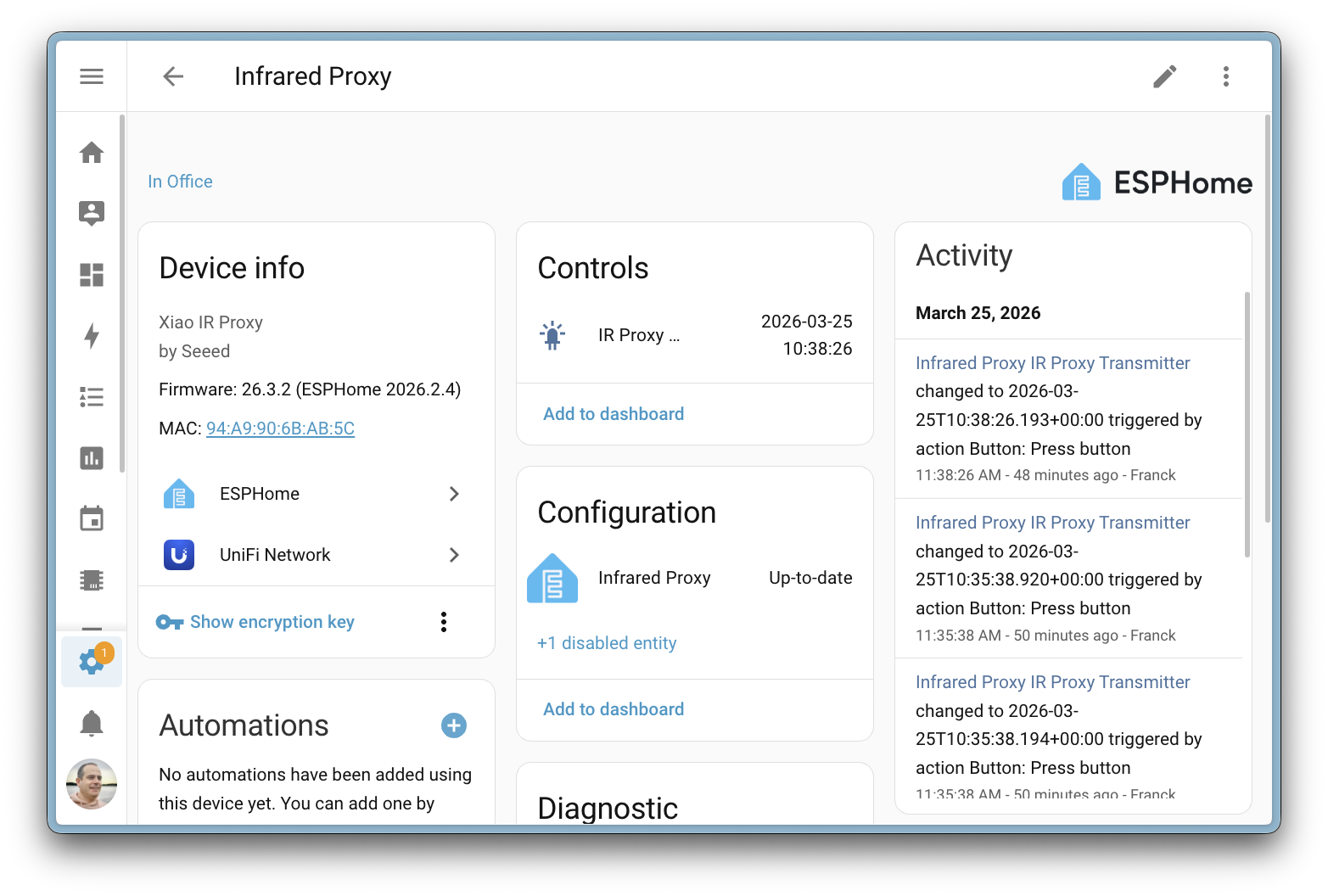
One of the most impactful features of the 2026.4 release is the introduction of native infrared support. While infrared technology has been a staple of home electronics since the 1980s, it has traditionally been difficult to integrate into modern smart home ecosystems without complex third-party hardware or custom coding. Home Assistant has addressed this by implementing an infrared proxy system, modeled after its successful Bluetooth proxy architecture.
This system utilizes inexpensive ESPHome-powered devices, such as the Seeed Studio XIAO IR Mate, to act as intermediaries. These devices are positioned within the line of sight of legacy appliances and receive commands from the Home Assistant core via Wi-Fi or Ethernet. The commands are then transmitted as infrared signals, effectively "smart-ifying" devices that lack native connectivity.
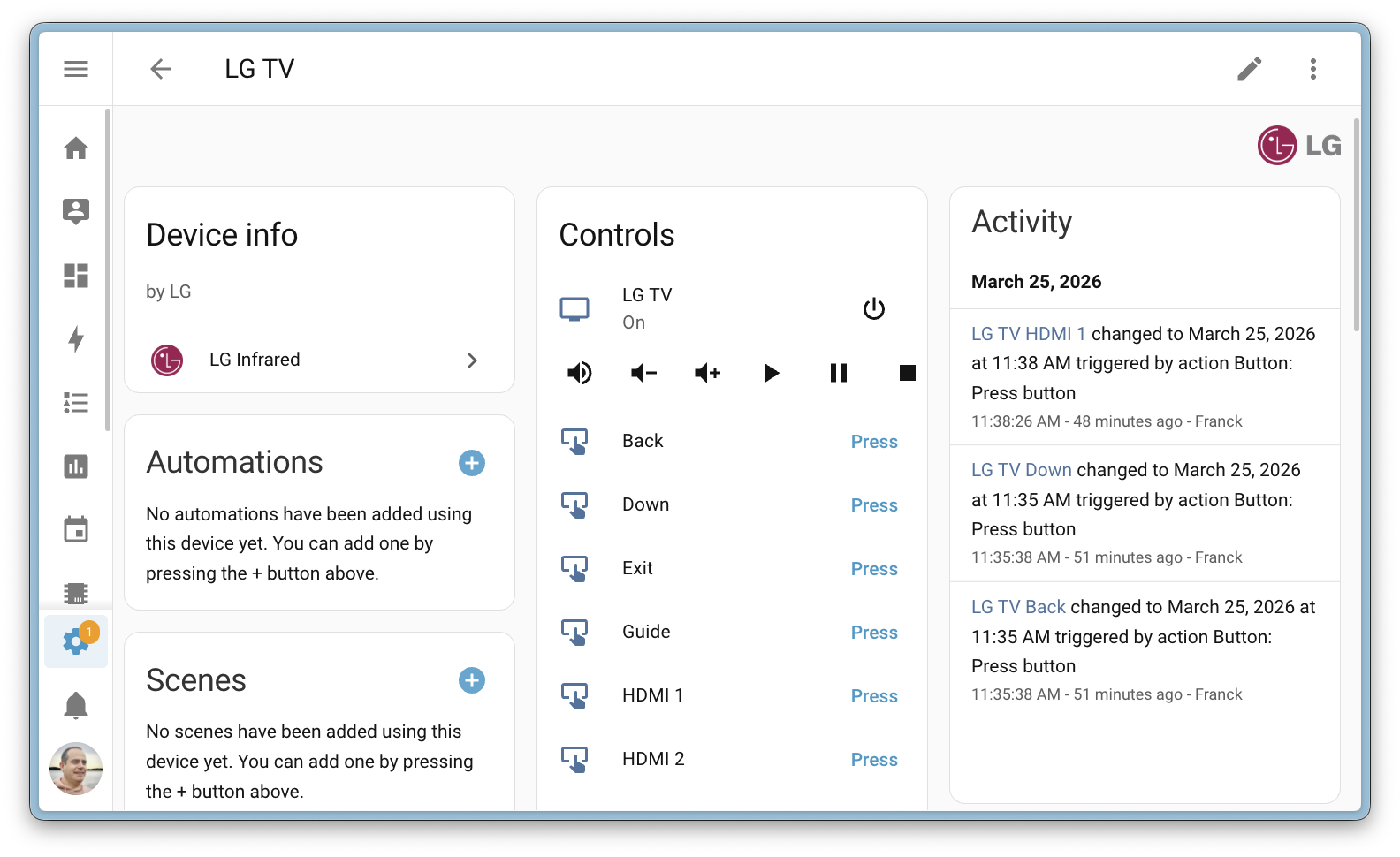
The first major implementation of this technology in the 2026.4 release is the LG Infrared integration. This allows users to control LG televisions via a media player entity, providing power, volume, and channel control without the need for the original physical remote. While infrared is inherently a one-way communication protocol—meaning the television cannot report its state back to the hub—Home Assistant utilizes "assumed states" to track whether a device is likely on or off based on the last command sent.
This development aligns with the sustainability goals of the Open Home Foundation. By providing a path for older, functional appliances to join a smart ecosystem, the 2026.4 update discourages the premature disposal of electronics, thereby reducing electronic waste and promoting a circular economy within the smart home sector.
Automation Evolution: From Technical Entities to Real-World Concepts
The 2026.4 release brings a massive expansion to "purpose-specific" automation triggers and conditions, a feature set that has been in development through Home Assistant Labs since December 2025. This shift represents a move away from technical, entity-based logic toward a more intuitive, concept-based approach.
In previous versions of Home Assistant, creating an automation for a door required the user to know exactly how that door was represented in the system. A door might be a "binary sensor" (a contact sensor), a "cover" (a motorized garage door), or a "lock." The user had to select the specific technical domain to set a trigger. With the new cross-domain triggers introduced in 2026.4, the system abstracts these technicalities. A user can now simply select "When a door opens," and the system will automatically include all relevant devices regardless of their underlying technical classification.
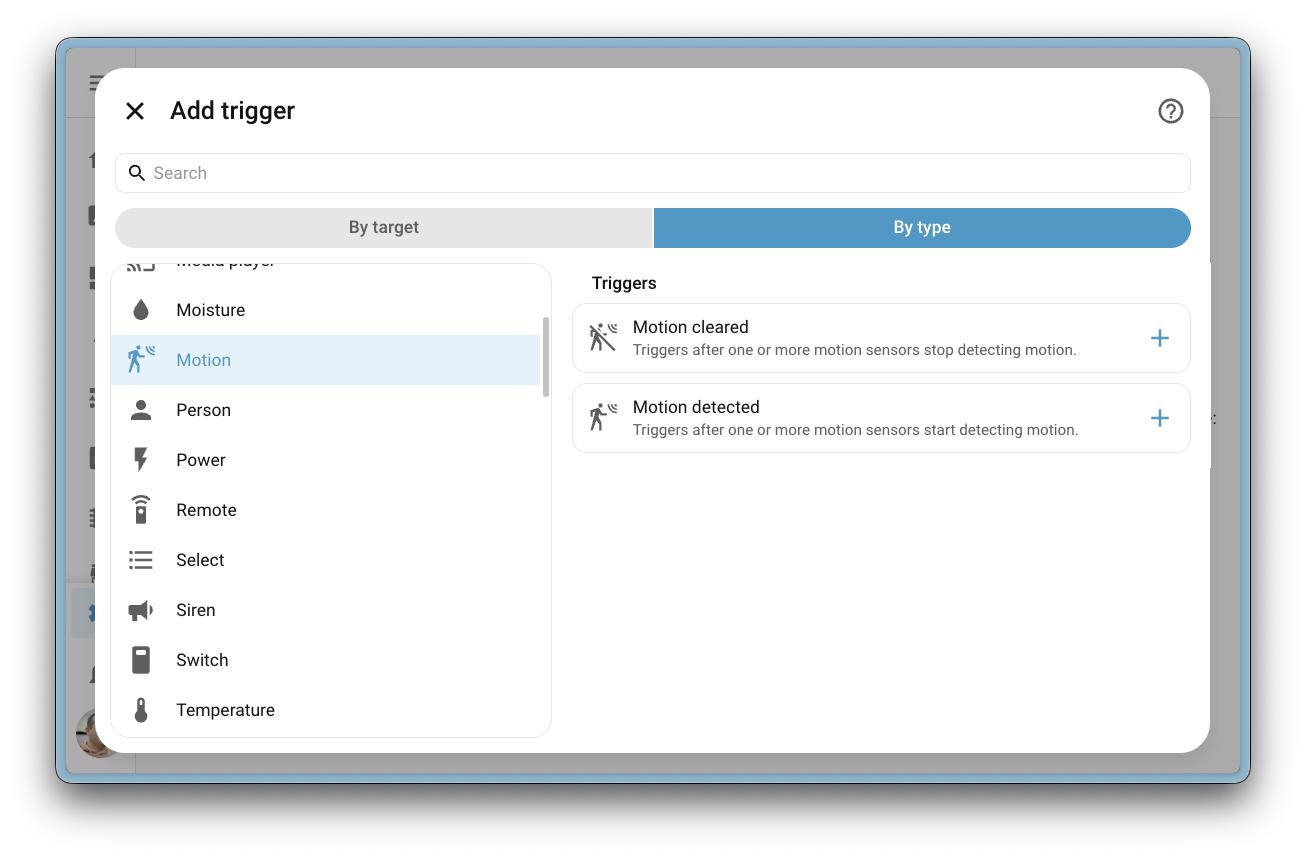
The new cross-domain categories include:
- Environmental Sensors: Humidity, Illuminance, Temperature, and Pressure.
- Security and Access: Door, Window, Motion, Occupancy, and Tamper.
- Utility and Power: Battery level, Power usage, and Water flow.
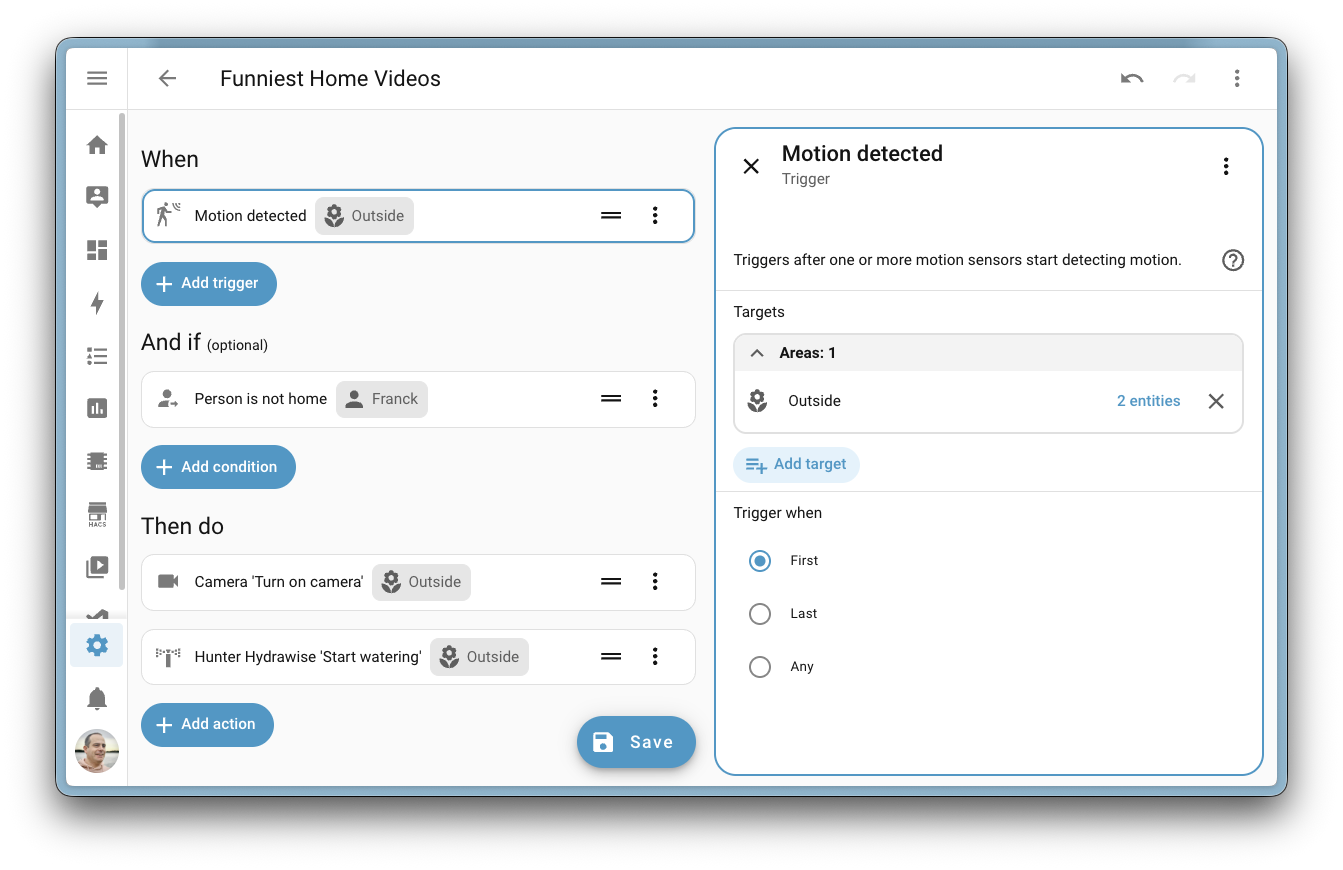
This update also allows for broader targeting. Users can set triggers for entire areas, floors, or custom labels. For example, an automation can now be configured to "Turn off all lights if no motion is detected on the ground floor for ten minutes." This significantly reduces the complexity of managing large-scale smart home installations and makes the platform more accessible to non-technical users.
Matter Lock Management and Security Enhancements
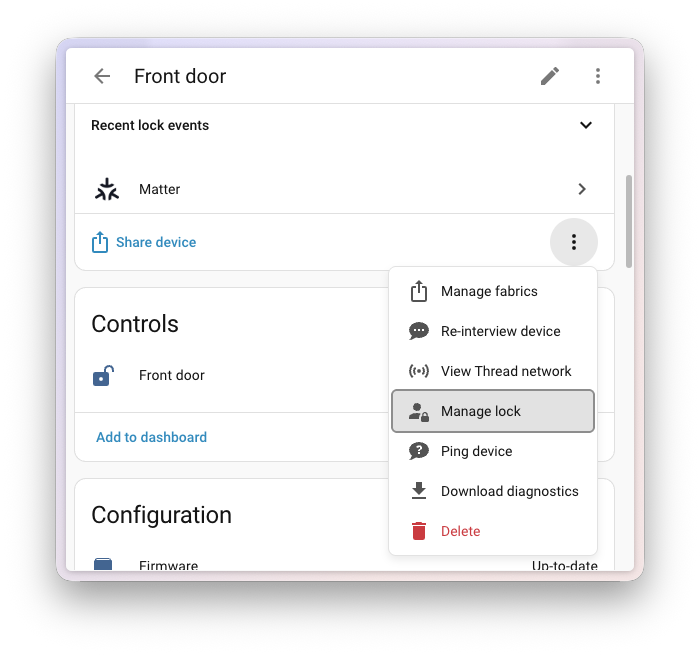
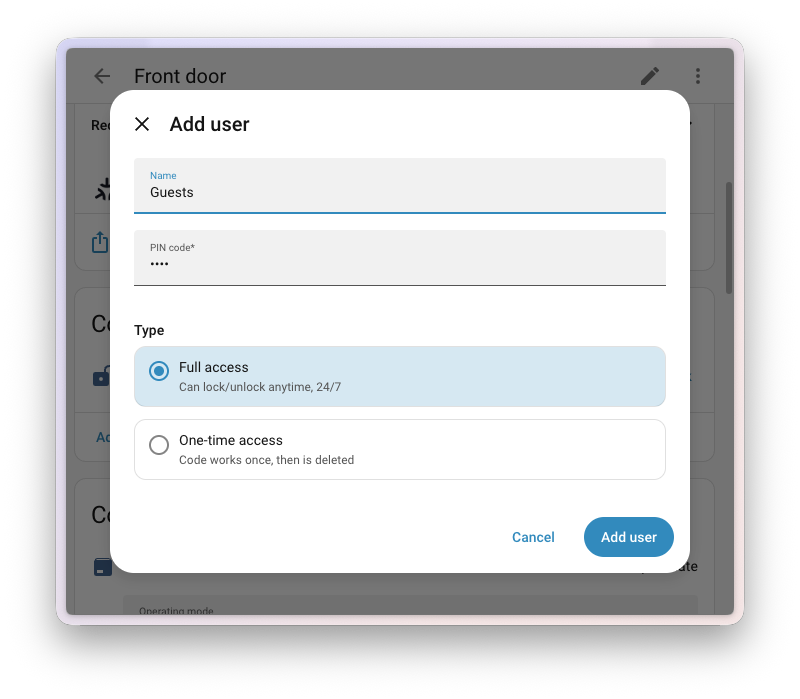
As the Matter standard continues to gain traction in the smart home industry, Home Assistant 2026.4 introduces advanced management tools for Matter-compatible smart locks. Users can now manage PIN codes and user access directly from the Home Assistant interface, eliminating the need for proprietary manufacturer apps.
The new Matter lock manager allows for the creation of various access types, including permanent "full access" and "one-time access" codes. The latter is particularly useful for guest management, as the PIN is automatically purged from the lock’s memory after a single use. This functionality is also exposed to the Home Assistant automation engine, enabling scenarios where a temporary code is generated and sent to a visitor via an automated notification upon their arrival.
In addition to feature updates, the release includes several security advisories. The development team has disclosed and patched vulnerabilities in the core system, following their standard policy of delayed disclosure to ensure users have time to update. This proactive approach to security remains a cornerstone of the Home Assistant project, which prioritizes local control and data privacy.
Enhancing the User Interface: Dashboard Sections and Visual Refinements
The 2026.4 update introduces several aesthetic and functional improvements to the Home Assistant dashboard, aimed at improving clarity and ease of use.
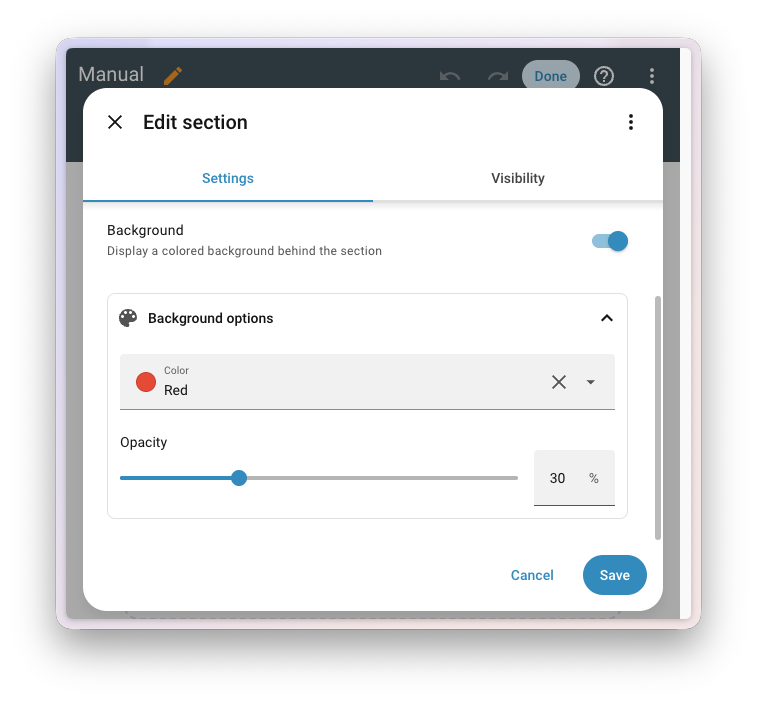
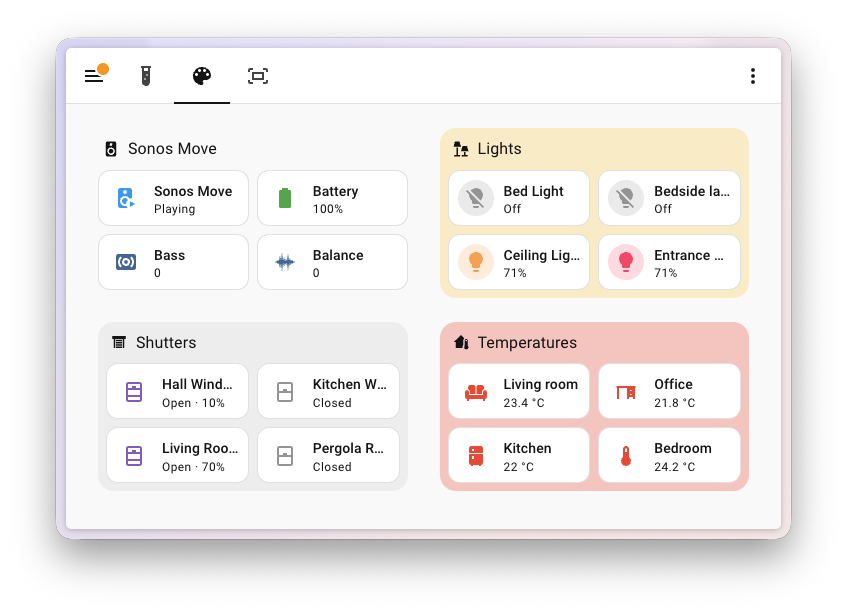
Section Backgrounds and Layouts
Users can now apply background colors and adjust opacity for specific dashboard sections. This visual grouping helps distinguish between different functional areas of the home, such as climate control versus security. To maintain a clean aesthetic, sections without backgrounds automatically align with adjacent colored sections. Furthermore, the "Auto height" feature for cards is now available via the UI editor, allowing cards to dynamically resize based on their content rather than sticking to a rigid grid.
Favorites and One-Tap Controls
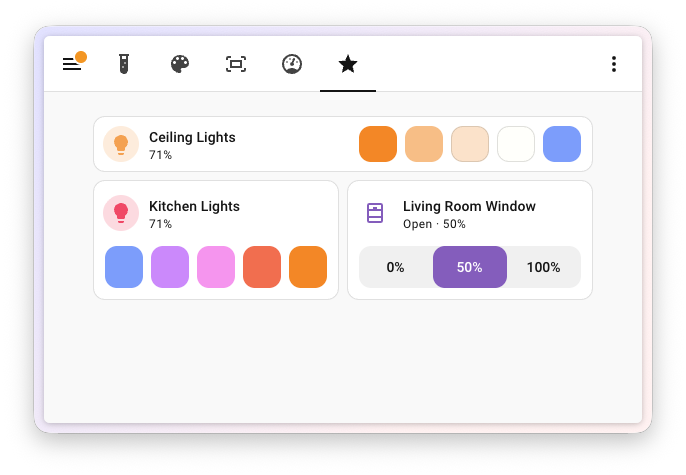
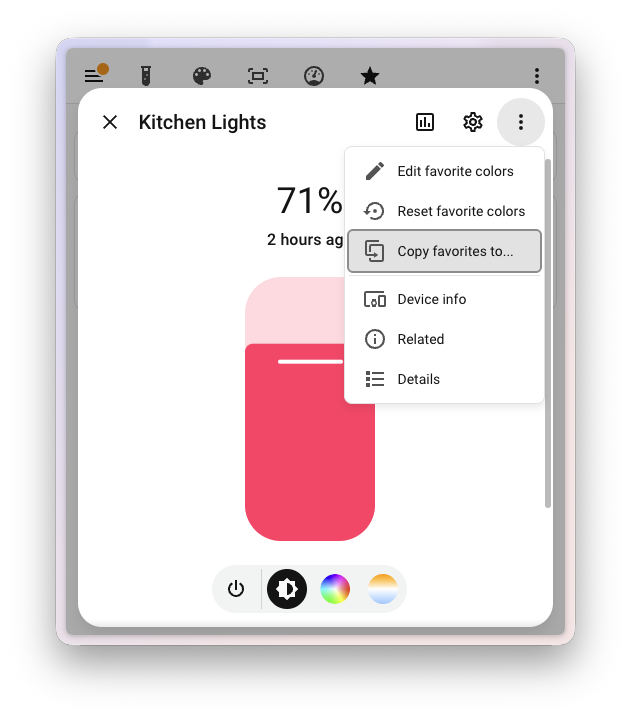
The concept of "favorites" has been expanded beyond lighting. While users could previously save favorite colors for lights, they can now save favorite positions for covers (blinds and shutters) and valves. These favorites can be added directly to Tile cards as "features," providing one-tap access to preferred settings without needing to open sub-menus. A new synchronization feature also allows users to copy these favorites across multiple similar devices, streamlining the setup process.
Gauge Card Redesign
The Gauge card, a staple for displaying sensor data like temperature or power usage, has received its first major visual overhaul in several years. The new design is more modern and polished, featuring improved needle visibility and better integration with the overall system theme.
AI Transparency: Understanding "Assist"
With the increasing integration of Large Language Models (LLMs) into the Home Assistant "Assist" voice and text agent, the 2026.4 release introduces a transparency layer. Users can now view the "thinking" process of the AI agent.
When a request is made to an AI-powered conversation agent, a new "Show details" section appears in the Assist dialog. This section outlines the steps the AI took, which internal tools it called, the arguments it passed to those tools, and the data it received in return. This feature serves two purposes: it builds user trust by demystifying the AI’s actions and provides a critical debugging tool for developers and power users who are fine-tuning their local AI models.
Chronology and Community Impact
The development cycle for version 2026.4 began shortly after the release of the March update, with a focus on stabilizing the Labs features introduced in late 2025.
- December 2025: Initial introduction of purpose-specific triggers in Home Assistant Labs.
- February 2026: Beta testing of the Infrared Proxy architecture.
- April 1, 2026: Official release of Home Assistant 2026.4.
- April 3–17, 2026: Sequential patch releases (2026.4.1 through 2026.4.3) to address minor bugs and refine integration performance.
- April 8, 2026: The "State of the Open Home" event in Utrecht, Netherlands, where the developers showcased these features to a live audience.
The community response to the 2026.4 release has been overwhelmingly positive, particularly regarding the infrared support. Analysts suggest that by lowering the barrier to entry for legacy device integration, Home Assistant is positioning itself as the primary "bridge" controller in the fragmented smart home market.
Technical Summary and Integrations
The 2026.4 release includes 14 brand-new integrations, ranging from specialized industrial sensors to consumer-grade appliances like the Govee Life ecosystem and Meater smart thermometers. Additionally, several existing integrations, including JVC Projector, Tuya, and Z-Wave, have undergone significant updates to align with current entity standards.
As Home Assistant continues to move away from YAML-based configuration toward a user-friendly UI-driven approach, the 2026.4 update migrates several legacy integrations—such as Bang & Olufsen and Scrape—to the graphical interface. This transition ensures that the platform remains powerful enough for enthusiasts while becoming accessible enough for the average consumer.
In summary, Home Assistant 2026.4 is more than a incremental update; it is a strategic expansion of what a smart home hub can be. By combining the "old tech" of infrared with the "new tech" of AI and Matter, Home Assistant continues to lead the industry in versatility, sustainability, and user-centric design.