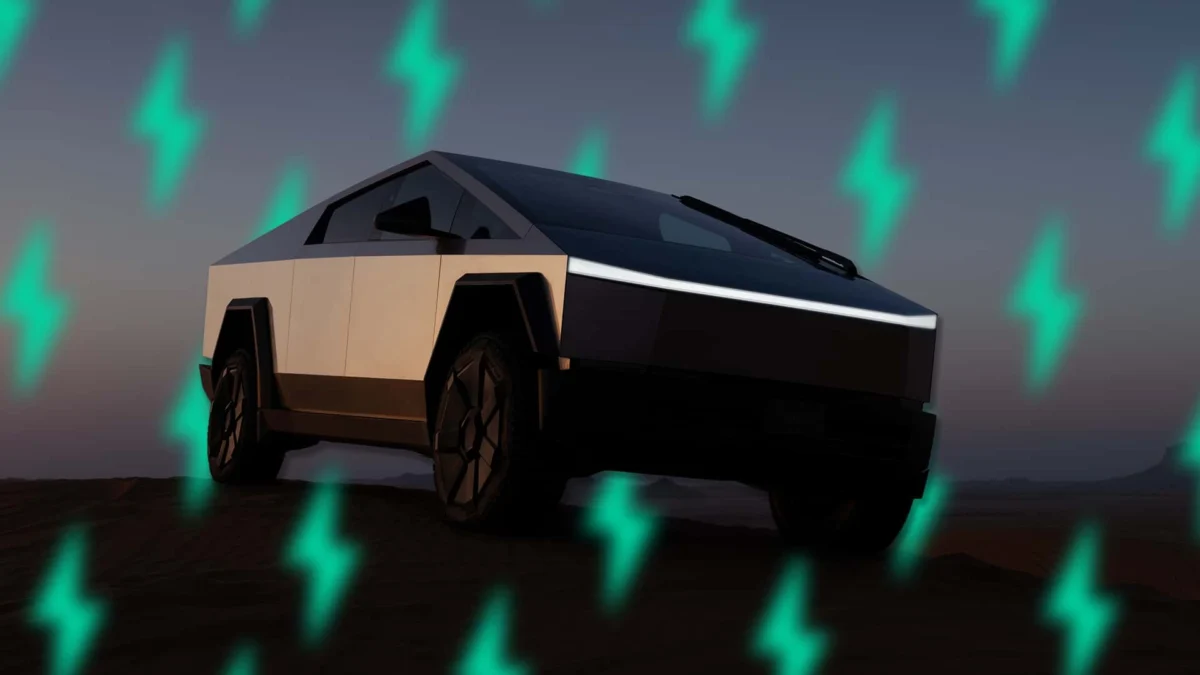
The highly anticipated Tesla Cybertruck, a vehicle that has consistently defied conventional automotive design since its 2019 unveiling, is reportedly experiencing a significant portion of its sales being absorbed by companies within Elon Musk’s extensive business empire. New data revealed by Bloomberg, citing S&P Global Mobility, indicates that in the final quarter of 2025, a substantial number of Cybertrucks were registered to SpaceX and other affiliated entities, raising questions about organic market demand versus internal corporate purchasing.
Internal Demand Fuels Cybertruck Registrations
In the fourth quarter of 2025, a total of 7,071 Tesla Cybertrucks were registered in the United States. Of this figure, SpaceX, the aerospace giant also helmed by Elon Musk, accounted for 1,279 registrations. An additional 60 Cybertrucks were acquired by other Musk-controlled companies, including The Boring Company, Neuralink, and xAI. This collective purchase from Musk’s ventures represents just under 19% of all Cybertruck sales during that period. The trend appears to have continued into the early months of 2026, with companies within Musk’s sphere registering another 225 Cybertrucks in January and February. Furthermore, Tesla itself has been observed integrating unsold Cybertrucks into its own fleet of service vehicles, suggesting a strategy to manage inventory.
The financial implications of these internal acquisitions are considerable. With the Cybertruck’s base price hovering around $70,000, the combined spending by SpaceX, xAI, The Boring Company, and Neuralink likely exceeded $100 million in the fourth quarter of 2025 alone. It is also plausible that these affiliated companies negotiated fleet discounts, potentially altering the overall per-unit cost.
Strategic Fleet Replenishment and Unclear Motivations
While the integration of Cybertrucks into SpaceX’s operations has a discernible rationale, the acquisition of these vehicles by other Musk-led companies raises more questions. Wes Morrill, the lead engineer for the Cybertruck project, confirmed in October that SpaceX was indeed in the process of replacing its aging, gasoline-powered support fleet with the Cybertruck. This strategic move aligns with SpaceX’s operational needs for robust and technologically advanced support vehicles at its launch sites and facilities.
However, the purpose behind companies like xAI, an artificial intelligence research firm, and Neuralink, a neurotechnology company, acquiring dozens of Cybertrucks remains less clear. Bloomberg’s Dana Hull noted the ambiguity, stating, "It’s not entirely clear what Musk’s other companies are doing with the Cybertrucks, or why an artificial intelligence and social media company would acquire 50 of them." This lack of transparency fuels speculation about the broader motivations behind these substantial purchases.
The Cybertruck’s Market Performance and Industry Context
The reported reliance on internal corporate purchases comes at a time when the Cybertruck’s external market performance has fallen short of Tesla’s initial ambitious projections. Elon Musk had previously targeted an annual production and sales volume of 250,000 units. While the Cybertruck experienced a strong initial reception, driven by pent-up demand from devoted Tesla enthusiasts who had awaited the vehicle for years, its sales trajectory has since seen a significant decline.
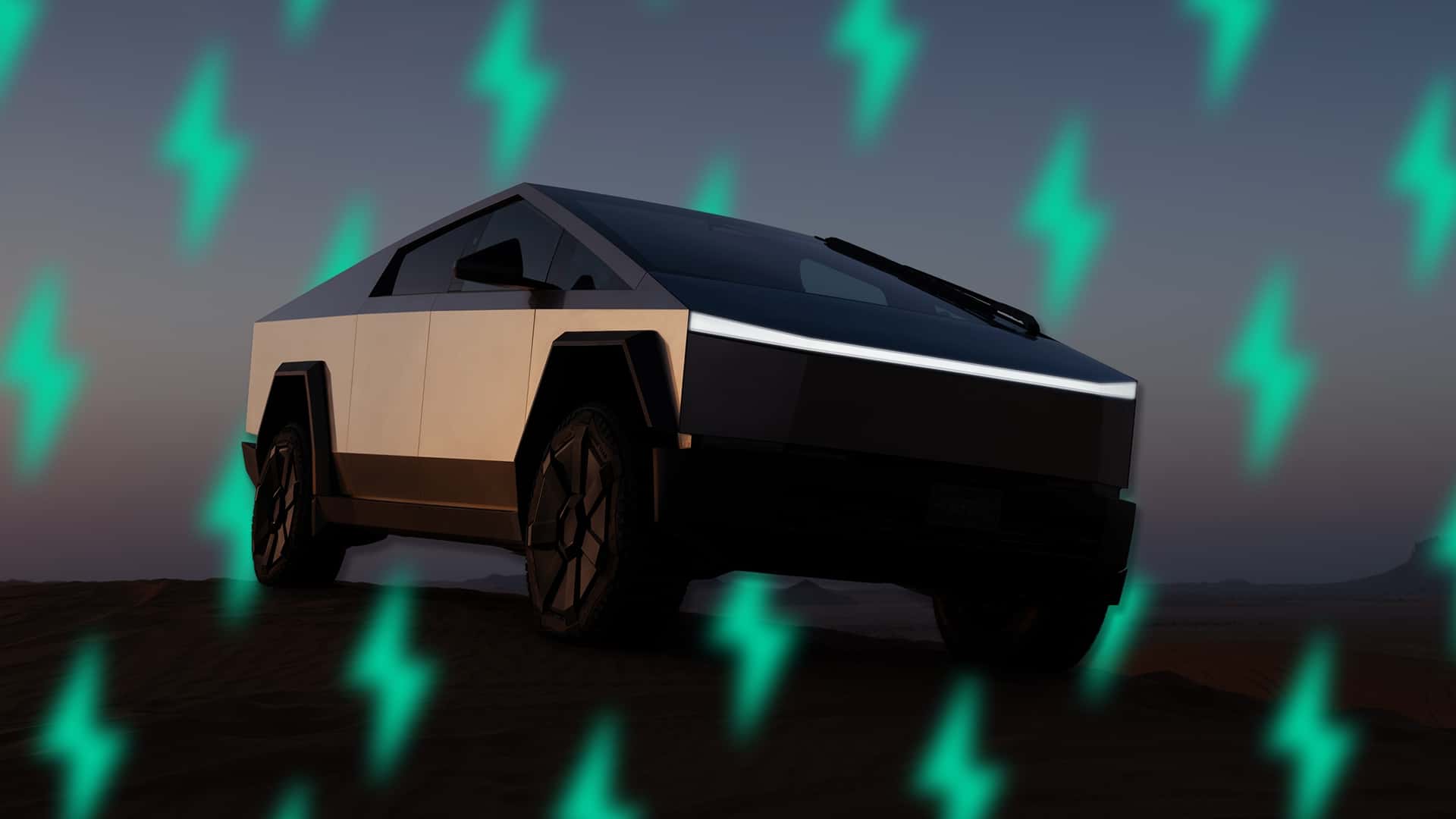
In its first full year on sale in 2024, the Cybertruck sold approximately 39,000 units, according to estimates from Cox Automotive. This figure, while substantial, represents a fraction of the initial target. By 2025, sales were reportedly halved, indicating a cooling of external demand. This trend is not unique to the Cybertruck. The broader electric pickup truck market has faced headwinds, with automakers struggling to achieve expected sales volumes. High purchase prices and persistent range anxiety among traditional truck buyers, who often require robust towing and hauling capabilities for extended periods, have been cited as primary deterrents. Many potential customers in this segment remain hesitant to transition from established gasoline-powered trucks, which often offer a more familiar and predictable ownership experience.
A History of Interconnectedness and Tesla’s Evolving Strategy
The close financial and operational ties between Elon Musk’s various companies are well-documented and have been a feature of his business ventures for years. This interconnectedness naturally extends to procurement decisions. For instance, Tesla announced a significant $2 billion investment in xAI in January, further solidifying the financial links between the two entities. The Boring Company, which focuses on developing tunneling technology for urban transit systems, already utilizes Tesla vehicles for its operations in Las Vegas. The sharing of engineers and resources across these companies is also a common practice, fostering a synergistic environment that can facilitate coordinated purchasing strategies.
Tesla itself is navigating a complex period. The company’s strategic decision to discontinue the Model S and Model X sedans has effectively streamlined its premium lineup, leaving the Cybertruck as its sole new model outside of the popular Model Y crossover. This move places increased pressure on the Cybertruck to perform as a significant revenue generator and a flagship product. However, its polarizing design and high price point have limited its mass-market appeal.
Future Outlook and Potential Catalysts
The future trajectory of Cybertruck sales remains a subject of considerable interest. While internal purchases can provide a temporary boost to registration numbers and support production targets, sustainable growth will ultimately depend on its ability to attract a wider range of external buyers. The challenges faced by the EV pickup segment, including cost and practicality concerns, will need to be addressed for broader adoption.
Industry analysts are closely watching for any strategic shifts or new product introductions from Tesla that could reignite sales momentum. Recent reports from Reuters suggest that Tesla may be revisiting plans for a more affordable, smaller electric crossover. Such a vehicle, if successfully brought to market, could broaden Tesla’s appeal to a more price-sensitive demographic and potentially alleviate some of the pressure on the Cybertruck to carry the company’s premium vehicle sales alone.
The ongoing developments surrounding the Cybertruck underscore the dynamic nature of the automotive market and the unique strategies employed by companies operating within the broader Elon Musk ecosystem. While the Cybertruck’s futuristic design has captured the public imagination, its true market success will be determined by its ability to overcome economic and practical hurdles in the competitive landscape of electric vehicles. The current reliance on internal corporate purchases, while a pragmatic solution for managing inventory and supporting production, highlights the ongoing challenge of cultivating robust, organic demand for such a distinctive and unconventional vehicle. The coming years will be critical in determining whether the Cybertruck can transition from a niche, enthusiast-driven product to a more broadly accepted and successful offering in the evolving automotive market.