Rockstar Games faces pivotal union recognition vote as employment tribunal reaches conclusion in November
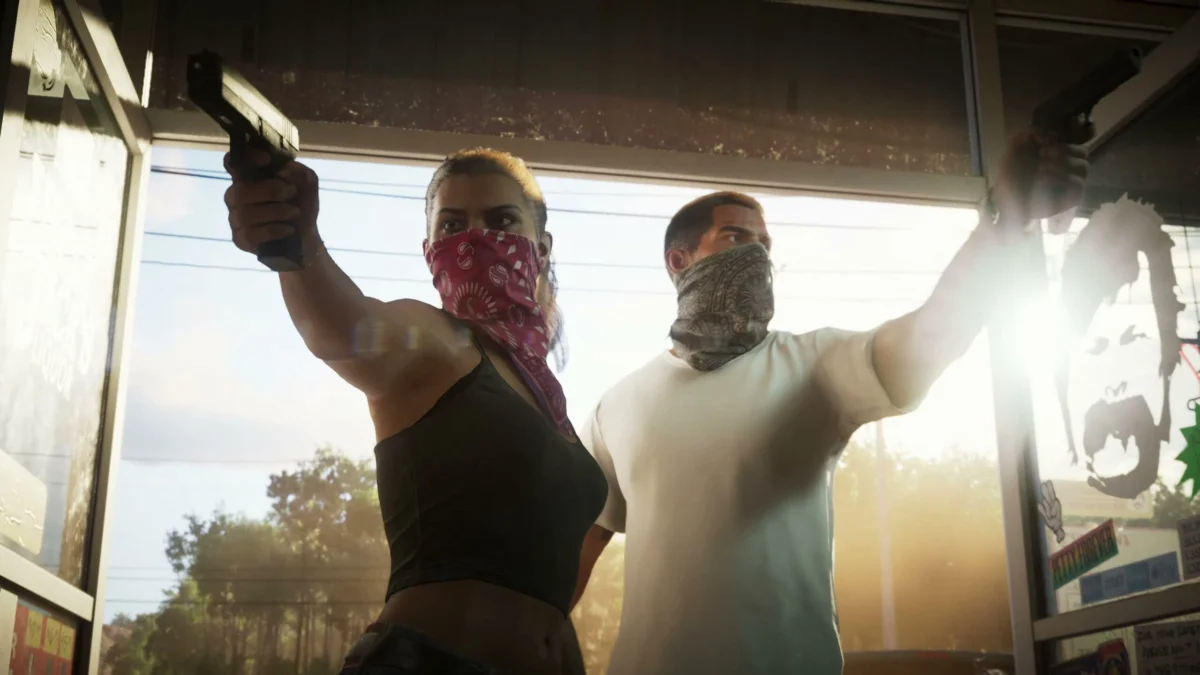
November represents a critical juncture for Rockstar Games, as the developer behind the multi-billion dollar Grand Theft Auto franchise navigates a high-stakes convergence of corporate labor relations and high-profile product development. As the studio gears up for the much-anticipated launch of Grand Theft Auto VI, its internal workforce is preparing for a landmark ballot that could fundamentally alter the landscape of the United Kingdom’s interactive entertainment industry. Between November 12 and November 26, staff at the studio will participate in a formal vote to determine whether the Independent Workers of Great Britain (IWGB) union will be officially recognized to represent their collective interests.
The Scope of the Recognition Bid
The proposed recognition deal, which has been negotiated between worker representatives and Rockstar management, marks a significant shift in the studio’s internal governance. If the motion passes, the IWGB would be granted the authority to bargain on behalf of employees regarding a comprehensive suite of workplace concerns. Key areas subject to collective bargaining would include base pay structures, bonus systems, overtime protocols, and redundancy procedures.
Perhaps most notably in the current climate of the gaming industry, the agreement would grant employees a seat at the table regarding the implementation of generative artificial intelligence policies. As AI integration becomes an increasingly contentious issue in game development—specifically regarding intellectual property rights and the displacement of creative labor—the ability for staff to influence these policies represents a significant expansion of worker agency. If successful, the union would become the largest recognized labor organization in the UK video game sector, setting a potential precedent for other major studios currently facing similar internal pressure to democratize corporate decision-making.
Historical Context and Labor Friction
This push for collective bargaining does not exist in a vacuum; it is the culmination of years of mounting tension between the workforce and the studio’s leadership. The history of Rockstar Games has long been punctuated by debates surrounding "crunch" culture—a practice of mandatory, extended overtime during the final phases of game development. While Rockstar has made public commitments to improve workplace culture over the last five years, many employees argue that these changes have been inconsistent.
The current atmosphere is heavily influenced by the events of late 2023. In an incident that garnered significant international attention, Rockstar laid off 31 employees in what labor advocates described as an act of union busting. The company, at the time, maintained that the layoffs were part of a broader corporate restructuring. However, the affected workers, supported by the IWGB, filed claims alleging that the terminations were a targeted attempt to disrupt nascent organizing efforts. This led to an ongoing employment tribunal, which has become a focal point for labor activists and industry observers alike.
The Tribunal Timeline
The legal proceedings between the union and the developer have been exhaustive, spanning months of discovery and testimony. The tribunal is currently scheduled to reach its conclusion in mid-November. Closing arguments are slated to take place between November 17 and November 18. This timing is particularly sensitive, as it coincides almost exactly with the release window of Grand Theft Auto VI.
The judicial decision, which will follow the closing arguments, will determine whether Rockstar’s previous conduct violated UK employment law. A ruling in favor of the union could have far-reaching implications, not only for the specific individuals involved but for the power dynamics between major publishers and their development teams. The fact that these arguments will be presented just days before the launch of the most anticipated title in the company’s history highlights the volatility of the current situation.
Perspectives from the Workforce
Shanti Easton-Steel, a member of the Rockstar Game Workers Union Committee, has been vocal about the necessity of this transition. In a recent statement, Easton-Steel emphasized that the drive for unionization is fundamentally about transparency and long-term sustainability. "For me, this vote comes down to ensuring employees at Rockstar get honesty and openness surrounding the decisions that affect them," Easton-Steel noted.
The union argues that without a formalized mechanism for feedback, employees remain vulnerable to the "uneven and ever-changing" nature of studio policies. Specifically, the union has pointed to the persistent gender pay gap within the tech and gaming sectors, as well as the uncertainty surrounding job security for temporary or contract-based workers once a major project reaches completion. By securing a recognized union, staff hope to mitigate the risks associated with the industry’s "boom-and-bust" release cycles.
Broader Industry Implications
The gaming industry is currently undergoing a massive correction. According to data from various industry trackers, the sector saw over 10,000 job losses in 2023 alone, with 2024 continuing that trend of aggressive downsizing despite record revenues for top-tier publishers. In this context, the Rockstar vote is viewed by industry analysts as a litmus test for labor movements in AAA gaming.
If the IWGB succeeds, it would provide a blueprint for workers at other major studios—such as Ubisoft, Electronic Arts, or Activision Blizzard—to pursue formal recognition. The standard argument against unionization in gaming has historically been that the creative and agile nature of development is incompatible with rigid collective bargaining agreements. However, the IWGB’s successful negotiation of the terms for this vote suggests that management at major studios is increasingly willing, or perhaps forced, to accept that the traditional, top-down management style is no longer sustainable.
The Road Ahead: November and Beyond
The weeks between November 12 and November 26 will be a period of intense activity for both the union and the studio. While Rockstar Games will be preoccupied with the logistical and marketing demands of a global product launch, the internal vote will serve as a constant reminder of the company’s evolving obligations to its staff.
The duality of the moment is striking: a company reaching the absolute pinnacle of commercial success, while simultaneously facing its most significant internal challenge in decades. The outcome of the tribunal, combined with the result of the union vote, will likely define the studio’s corporate identity for years to come. Whether or not the workforce achieves formal recognition, the act of organizing has already succeeded in shifting the discourse from a discussion about the product to a discussion about the people who create it.
As the industry watches, the results of the ballot will offer a clear indicator of how the next generation of game developers intends to shape their working conditions. For Rockstar, the challenge will be to reconcile its massive commercial ambitions with the growing demands for a more equitable and transparent workplace. The convergence of these events—the tribunal, the vote, and the game launch—ensures that November will be remembered as a transformative period in the history of one of the world’s most influential entertainment entities. The outcome will resonate far beyond the studio’s offices in Scotland, potentially establishing a new standard for how major development houses navigate the intersection of labor rights and global creative production.
Related posts:

Related News