Apple’s premier authorized reseller and exclusive chain of retail stores in Israel, iDigital (operating under DI Bot Ltd.), has released its financial reports detailing a remarkable trajectory of growth. Driven by robust consumer demand for the latest hardware releases—most notably the iPhone 17 lineup—and a steady expansion into high-margin corporate and retail sectors, the company has solidified its standing as a dominant force in the Israeli consumer electronics market.
According to official filings submitted to the Tel Aviv Stock Exchange (TASE) via the Magna reporting system, iDigital’s recent performance reflects broader shifts in how Israeli consumers approach premium technology. Despite macroeconomic headwinds and currency fluctuations, the appetite for high-end smartphones, personal computing devices, and integrated smart-home ecosystems has reached unprecedented levels.
Financial Highlights and Revenue Expansion
The financial disclosures reveal a sweeping increase across multiple revenue streams for the period ending February 2026. iDigital posted overall revenues of 451 million NIS, marking a substantial 23.4 percent jump compared to the 365.4 million NIS recorded during the same timeframe in the previous year.
This financial momentum was mirrored across the company’s core operational segments. Retail division revenues climbed to 48.1 million NIS, reflecting a 31 percent year-over-year increase. Meanwhile, the digital and online commerce division experienced an even more dramatic surge, shooting up 75.3 percent to reach 17.6 million NIS. The service and support sector also saw strong double-digit growth, expanding 92.6 percent to 12.3 million NIS.
Corporate and B2B operations—a critical growth engine for the brand—demonstrated resilience and steady upward movement. Revenues from corporate sales and enterprise solutions reached 169.5 million NIS, up 67.2 percent from 101.4 million NIS the previous year. This segment has benefited heavily from businesses upgrading their hardware infrastructure to support AI-driven workloads and enhanced remote-work security protocols.
Conversely, traditional wholesale distribution figures saw a minor contraction. Revenues from wholesale activities dipped 5.5 percent to 86.2 million NIS. However, wholesale revenue specifically tied to Apple-branded products bucked this trend, rising 23 percent to 48.4 million NIS. Overall, retail revenue directly associated with Apple products grew by 26 percent, hitting 126.8 million NIS.
Chronology and Market Context
To fully understand iDigital’s current market position, it is necessary to examine the trajectory of the Israeli consumer electronics landscape over the past half-decade. Following the disruptions of the global pandemic in 2020 and 2021, the domestic technology sector experienced a bifurcated market: an initial boom driven by remote-work hardware purchases, followed by a period of market saturation and inflationary pressure.
By late 2023 and throughout 2024, rising interest rates and cost-of-living concerns dampened consumer spending on non-essential electronics. However, the subsequent release cycles of late 2025 shifted market dynamics. The introduction of the iPhone 17 series acted as a powerful catalyst, reigniting consumer interest in premium device upgrades.
Furthermore, the competitive landscape in Israel underwent structural changes. Notable among these shifts was the entrance of alternative major retailers, such as KSP, into the official Apple import ecosystem. This increased competition forced existing players to optimize their supply chains, enhance customer service offerings, and deepen their focus on value-added services and trade-in programs. Rather than cannibalizing iDigital’s market share, the broader availability of Apple products across multiple retail channels appeared to expand the total addressable market, driving higher consumer awareness and fueling subsequent upgrade cycles.

Comparative Financial Overview (February 2025 vs. February 2026)
| Financial Metric | February 2026 (in Millions NIS) | February 2025 (in Millions NIS) | Percentage Change |
|---|---|---|---|
| Total Revenue | 451.0 | 365.4 | +23.4% |
| Retail Division | 48.1 | 36.7 | +31.0% |
| Online Commerce | 17.6 | 10.0 | +75.3% |
| Service and Support | 12.3 | 6.4 | +92.6% |
| Enterprise & B2B Sales | 169.5 | 101.4 | +67.2% |
| Wholesale Revenue (General) | 86.2 | 91.2 | -5.5% |
| Wholesale Revenue (Apple) | 48.4 | 39.4 | +23.0% |
| Retail Revenue (Apple Products) | 126.8 | 100.6 | +26.0% |
Strategic Shifts and the Rise of AI Integration
A key driver behind the recent financial surge is the deep integration of Artificial Intelligence (AI) capabilities into Apple’s hardware ecosystem. The launch of devices featuring advanced on-device AI processing units has created a compelling value proposition for consumers who previously held onto older smartphone models for extended periods.
Industry analysts note that consumers are increasingly viewing smartphones and personal computers not merely as communication tools, but as long-term investments capable of supporting complex machine learning tasks, automated productivity workflows, and enhanced security features. This shift has shortened the replacement cycle for high-end devices, benefiting authorized resellers who maintain strong brand loyalty and comprehensive trade-in frameworks.
Despite the strong top-line revenue growth, profitability metrics displayed a more nuanced picture. Gross profit margins contracted slightly due to aggressive promotional pricing and competitive discounting across the broader retail sector. Operating expenses also rose as iDigital continued to expand its physical retail footprint, open new flagship stores, and invest heavily in omnichannel logistics to support its booming e-commerce platform.
Broader Implications for the Israeli Telecommunications Sector
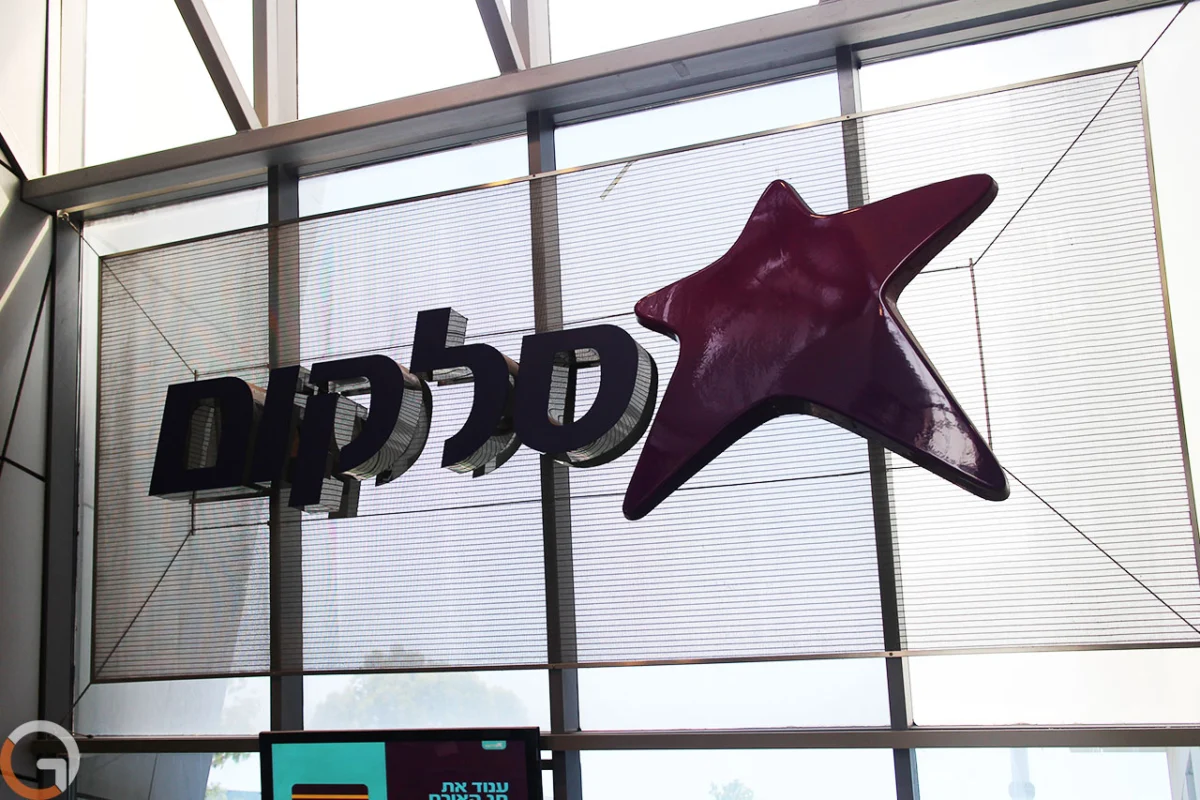
The success of iDigital and the broader demand for premium Apple hardware intersect directly with the performance of Israel’s legacy telecommunications operators, such as Cellcom and Partner. For years, traditional telecom companies relied heavily on handset sales as a primary driver of subscriber acquisition and equipment revenue. However, the entry of specialized electronics chains and authorized mono-brand resellers has steadily eroded the telecoms’ market share in hardware sales.
Recent earnings reports from firms like Cellcom highlight this ongoing transition. While telecom operators continue to generate substantial service revenues from cellular and fiber-optic subscriptions, their hardware sales divisions have faced margin compression and volume declines. Consumers increasingly prefer to purchase unlocked, premium devices directly from specialized retail environments or authorized mono-brand stores where they can access specialized technical support, trade-in programs, and tailored financing options.
This trend underscores a broader market maturation: Israeli consumers are willing to pay a premium for specialized retail expertise and immediate access to the latest global technology releases, shifting hardware purchasing power away from traditional mobile carriers toward dedicated consumer electronics specialists.
Outlook and Future Growth Vectors
Looking ahead, iDigital’s leadership remains optimistic about sustained demand, though mindful of macroeconomic vulnerabilities. The company plans to continue its aggressive retail expansion strategy, targeting high-traffic commercial centers and urban hubs across Israel.
At the same time, investments in digital infrastructure are expected to pay dividends, particularly as online shopping habits mature further. The ongoing rollout of next-generation computing hardware, including updated MacBook Pro models and specialized AI-centric accessories, is anticipated to maintain consumer engagement through the upcoming fiscal quarters.
Ultimately, iDigital’s latest financial disclosures paint a picture of a resilient retail brand successfully navigating a shifting economic landscape. By capitalizing on strong consumer affinity for the Apple ecosystem, expanding its enterprise footprint, and adapting to increased competitive pressures, the company has reinforced its position as a central pillar of Israel’s retail technology sector.