The modern outdoor industry is currently witnessing a significant shift in gear development, driven by an aging population of active hikers and a growing demographic of enthusiasts managing chronic musculoskeletal conditions. As of late 2026, industry reports suggest that nearly 30 percent of long-distance backpackers now identify "physical sustainability" as their primary factor when purchasing equipment. This transition from traditional heavy-duty kits to ultralight (UL) configurations is no longer merely a pursuit for speed-hikers; it has become a medical necessity for many, enabling those with chronic back, neck, and shoulder injuries to remain active on the trail.
The challenges of traditional backpacking are well-documented in clinical literature. A standard multi-day pack, often weighing between 25 and 40 pounds, places significant mechanical stress on the thoracic and lumbar spine. For individuals with existing injuries—often exacerbated by sedentary desk work and modern lifestyle stressors—this load can lead to acute flare-ups, radiating pain, and long-term physical degradation.
The Evolution of the Lightweight Movement
For years, the backpacking industry focused on durability and load-carrying capacity, often at the expense of base weight. However, a pivot occurred around 2022, as materials science advanced. The introduction of high-performance polymers, such as ALUULA Graflyte and advanced polyethylene composites, allowed manufacturers to strip weight without compromising structural integrity.
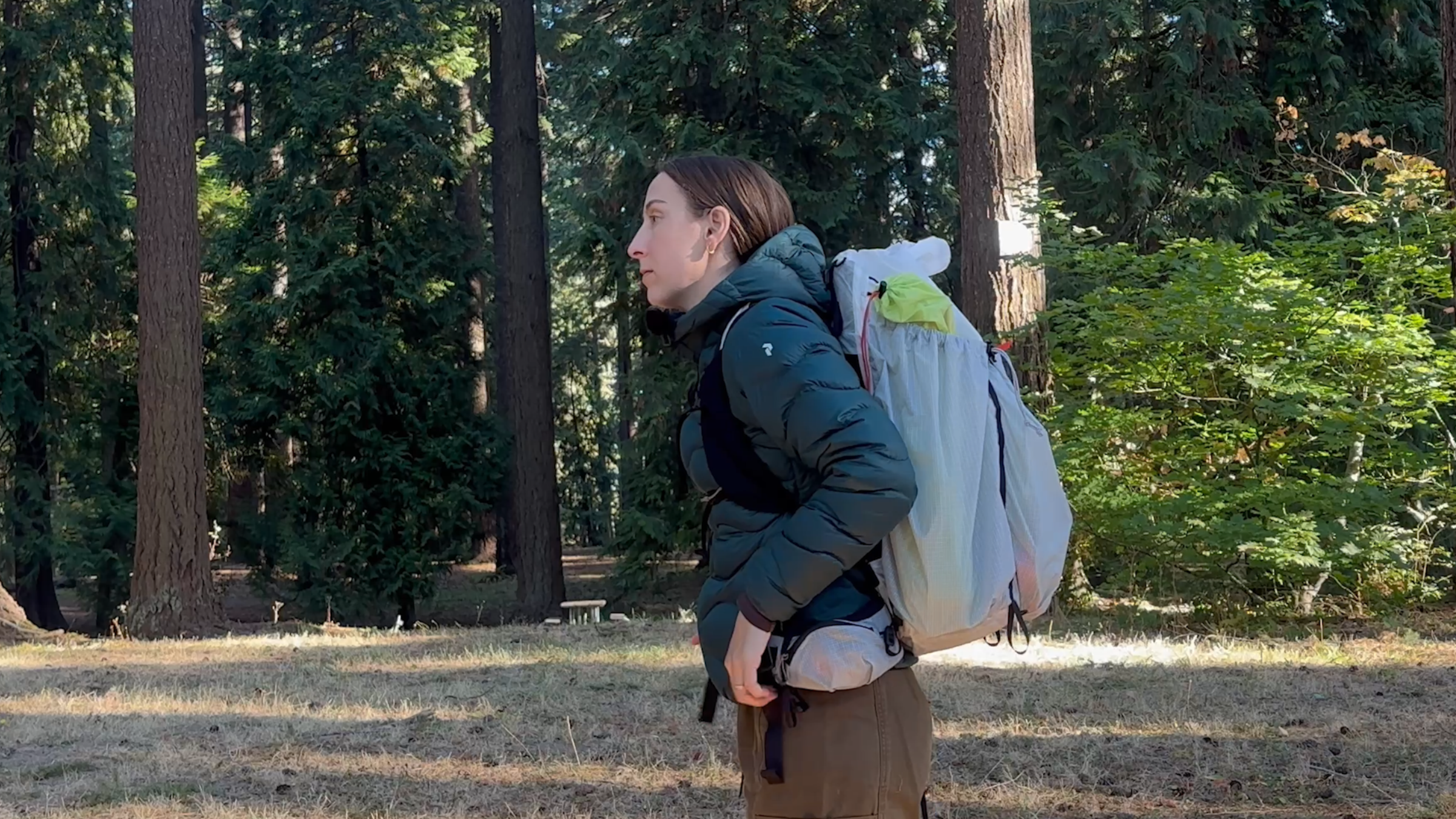
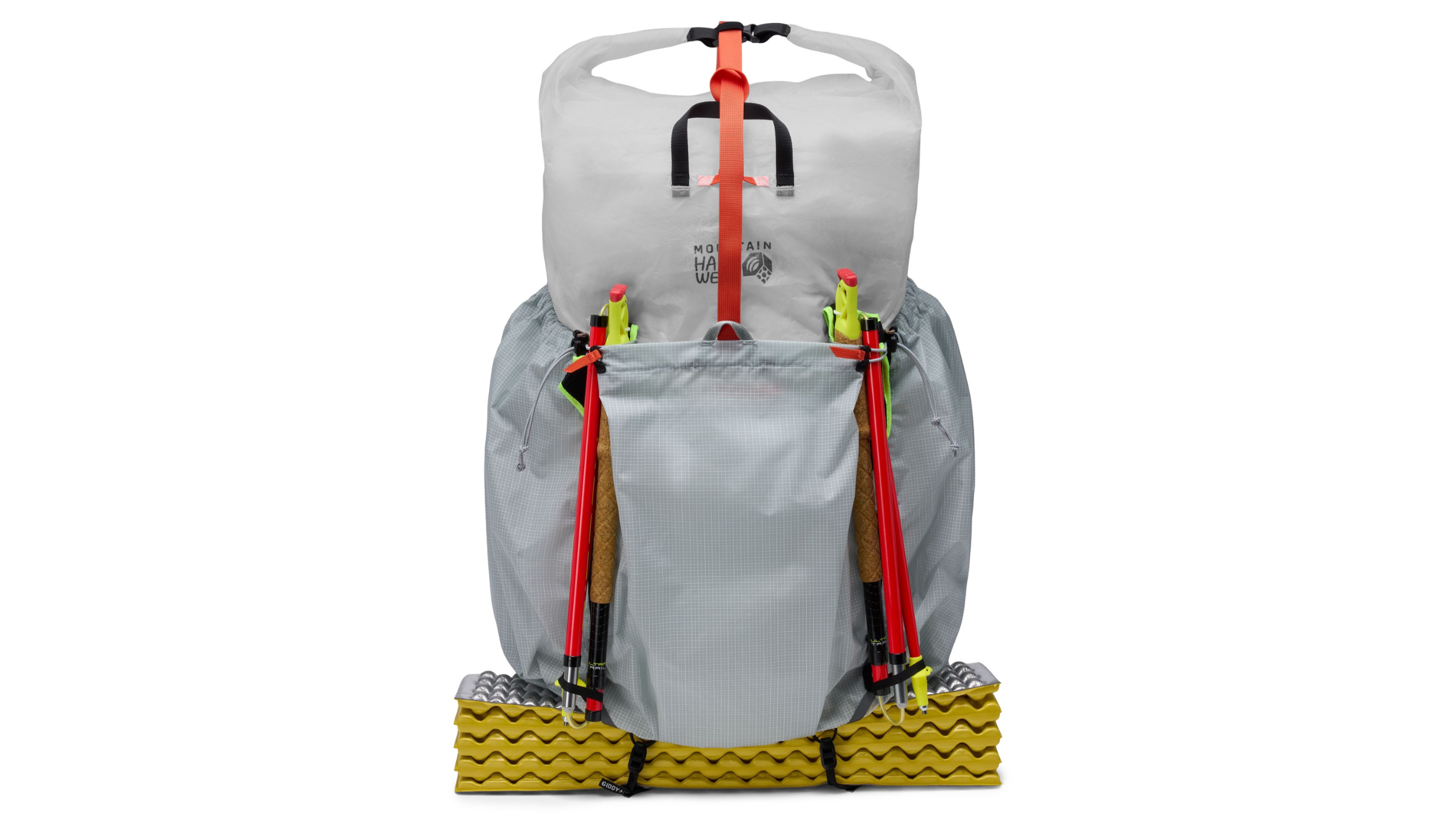
This technological leap is best exemplified by the current generation of packs, such as the Mountain Hardwear Alakazam 45L. By utilizing a zipperless design and advanced bonding techniques, this pack achieves a sub-two-pound weight while retaining an aluminum frame capable of stabilizing a load. For the user, this represents a fundamental change in kinetic energy management: by reducing the weight of the vessel itself, the hiker is better able to maintain proper posture, which is the first line of defense against trail-induced injury.
Chronology of Gear Innovation
The timeline of this shift in the gear market can be tracked through key milestones in material development and user adoption:
- 2019-2020: The rise of specialized recovery tools in the backcountry. Hikers began adopting silicone cupping sets and massage therapy balls, marking a departure from the "tough it out" culture of previous decades.
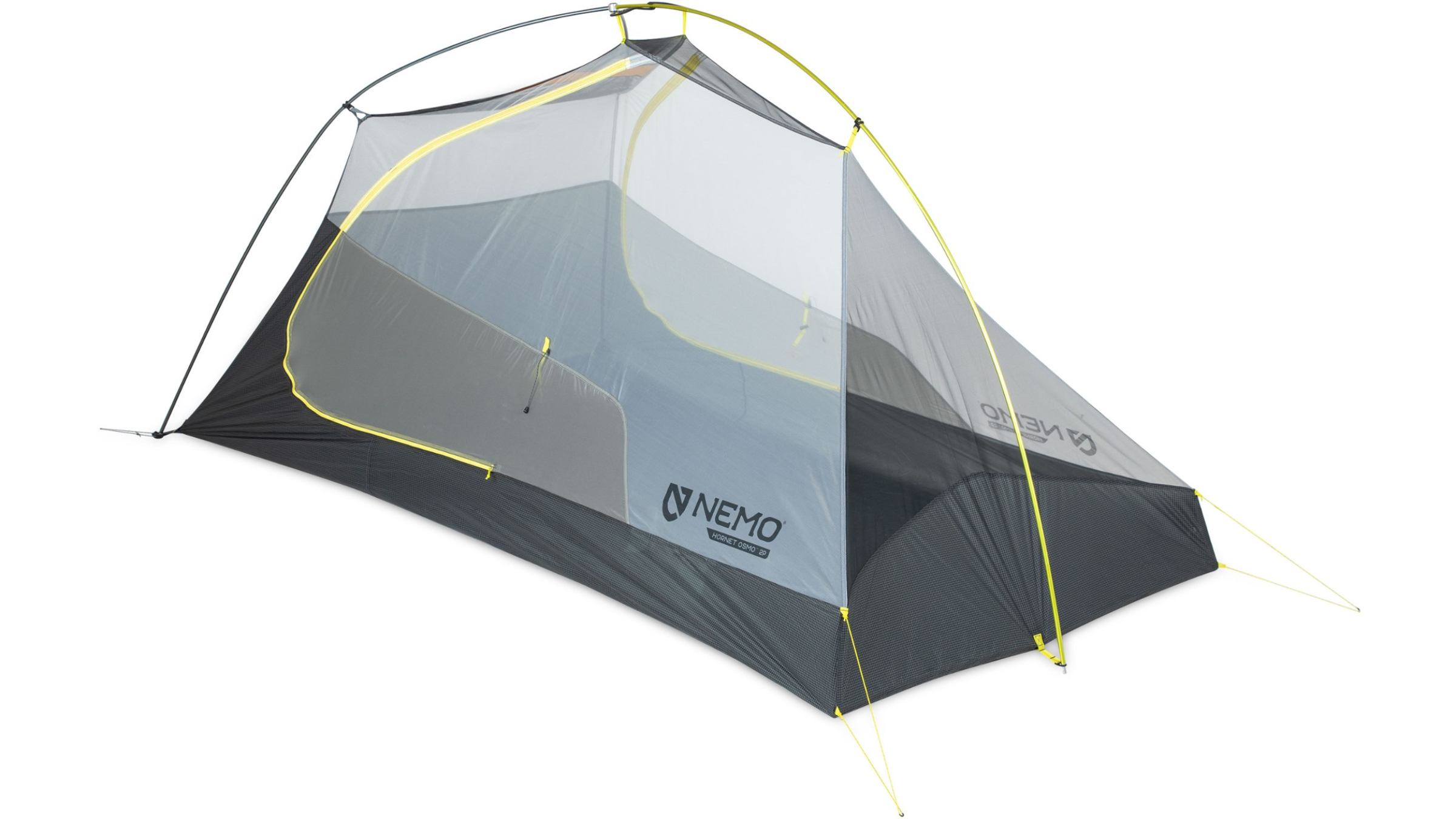
- 2023: Introduction of the NEMO OSMO fabric technology. This marked a breakthrough in PFC-free, durable, and highly packable tent materials, drastically reducing the weight-to-space ratio for multi-person shelters.
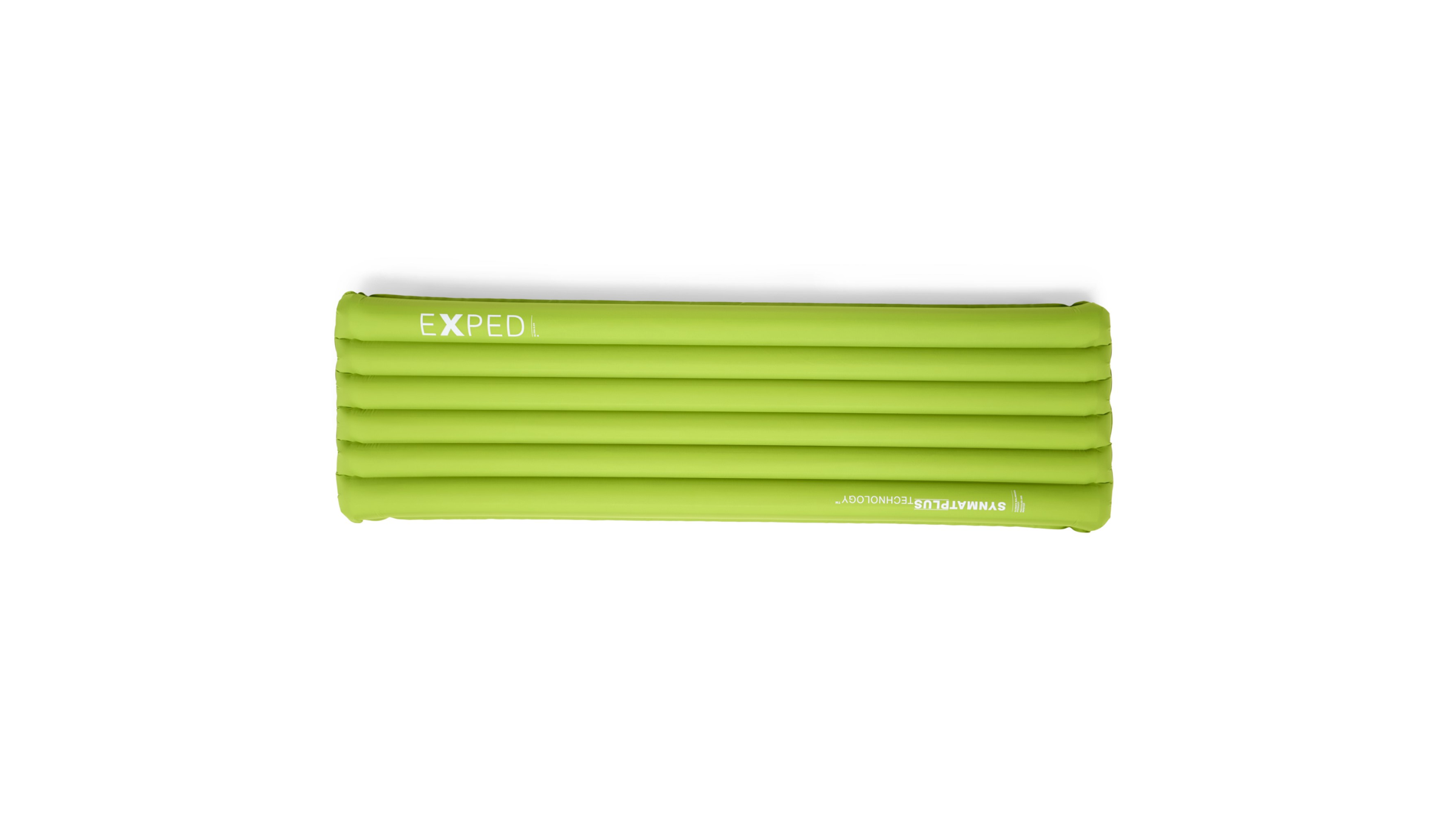
- 2025: Mainstream adoption of high-R-value, lightweight sleeping pads. Exped’s Ultra series, specifically the 6.5R, signaled a turning point where insulation for sub-freezing conditions no longer required the penalty of extreme bulk.
- October 2026: The current state of the market, where "ultralight" is no longer a niche, but a standard design philosophy across all major outdoor brands.
Clinical and Practical Implications
The reduction of a base pack weight from 22 pounds to 15 pounds—a common goal for hikers managing chronic pain—is not just an exercise in minimalism; it has quantifiable health implications. According to physical therapists specializing in outdoor athletics, reducing a pack’s weight by seven pounds can decrease the compressive force on the vertebrae by approximately 15 to 20 percent during a standard eight-hour hiking day.
Furthermore, the integration of recovery-focused gear is reshaping the "end-of-day" experience. The use of suction-based therapy cups, which weigh roughly 1.3 ounces, allows hikers to address localized inflammation at the site of muscle knots. While the efficacy of such tools remains a subject of ongoing study, anecdotal data from long-distance hikers suggests that combining these tools with topical CBD or anti-inflammatory balms provides significant, albeit temporary, relief that facilitates better sleep quality.
Industry and Expert Perspectives
Leading outdoor retailers have responded to these trends by restructuring their inventory to highlight "weight-to-utility" ratios. Experts in orthopedic gear design note that the most effective packs now utilize running-vest style straps. This design mimics the distribution patterns of professional trail-running vests, which shift the load from the shoulders—where major nerve clusters and muscle groups are prone to fatigue—toward the stronger, more stable core and chest muscles.
"The objective for the modern hiker is to achieve a neutral spine while under load," says an industry analyst familiar with the 2026 product cycle. "We are seeing a move away from rigid, over-engineered internal frames toward dynamic, flexible systems that move with the body. This reduces the ‘fight’ between the hiker’s natural gait and the pack’s center of gravity."
The Psychological Component of Gear Selection
While the physical benefits are clear, the psychological impact of lightweight backpacking is equally significant. For many, the ability to continue backpacking despite chronic pain is a vital component of mental health. The removal of the "heavy pack barrier" allows hikers to focus on the terrain rather than the pain, effectively extending the "trail life" of enthusiasts who might otherwise be forced into early retirement from the sport.
The inclusion of luxury items—such as a 500-page novel or a high-quality down pillow—is now being reframed by the outdoor community. If a hiker can shave four pounds off their tent and two pounds off their pack, they have effectively "bought back" the weight allowance to carry items that improve their mental well-being and comfort. This is the new paradigm of backpacking: strategic weight management to prioritize physical health and emotional enjoyment.
Future Trends and Market Sustainability
Looking ahead, the industry is expected to continue focusing on modular gear. As manufacturing processes for ultralight materials become more cost-effective, these technologies will likely trickle down to entry-level price points, making comfortable, pain-mitigating backpacking accessible to a broader audience.
The integration of smart-fabrics and even more ergonomic load-bearing systems is anticipated in the coming years. Furthermore, as the correlation between backpacking posture, weight, and chronic pain becomes more widely understood, it is likely that gear manufacturers will collaborate more closely with sports medicine professionals to design products that offer active, rather than passive, support.
Ultimately, the shift toward lightweight, supportive gear represents a maturation of the outdoor industry. It is a transition from a focus on extreme endurance to a focus on sustainable, long-term participation. By viewing the backpack not as a burden to be endured, but as a carefully curated ecosystem of support, hikers with chronic pain are finding that the trail remains a viable, and even healing, space. As the technology continues to evolve, the goal remains consistent: ensuring that the barriers to entry—and the barriers to staying—are lowered for everyone, regardless of their physical limitations.