The evolution of ultralight backpacking gear has long forced outdoor enthusiasts to weigh the benefits of reduced pack weight against the physical toll of minimalist designs. For decades, the conventional wisdom among thru-hikers and gear testers has dictated that structural hipbelts are non-negotiable for multi-day excursions requiring substantial load-bearing support. However, recent innovations in running-vest hybrid designs are challenging this long-held industry standard. Evaluating the Volpi FastPack 30 during a rigorous three-day trek along the scenic Ice Age Trail in Wisconsin, industry gear experts have begun to reconsider the functional viability of hipbeltless, frameless backpacks for mainstream backpacking applications.
Main Facts of the Volpi FastPack 30
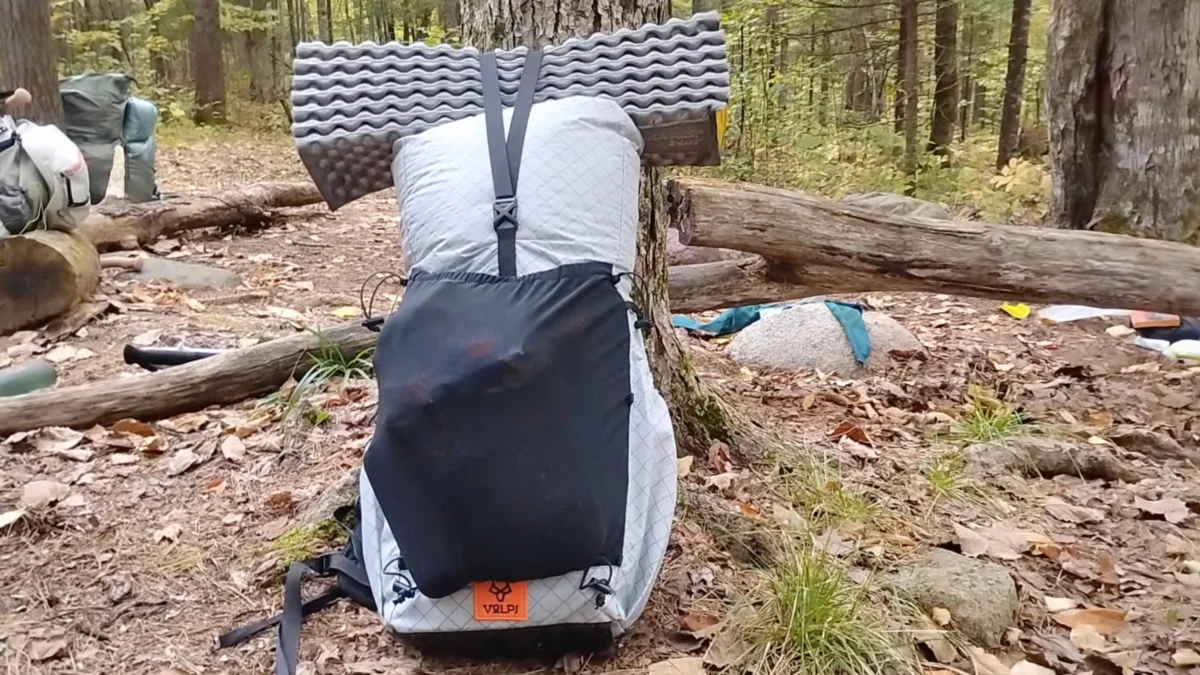
Weighing precisely one pound in its Ultra-fabric configuration, the Volpi FastPack 30 represents a minimalist approach to trail logistics. Manufactured by Volpi Outdoor Gear—a boutique enterprise founded by seasoned thru-hikers originating from Mexico—the pack is explicitly designed to meet the rigorous demands of fast-moving adventurers. Unlike traditional internal frame backpacks that anchor weight primarily to the hips, the FastPack 30 utilizes a vest-style architecture that distributes the load evenly across the wearer’s shoulders and chest.
The pack incorporates dual shoulder-strap pockets designed to accommodate soft flasks or standard water bottles, an oversized rear stretch-mesh pocket for quick-access layers, and dual side utility pockets. It features a traditional roll-top closure system and relies on careful internal packing—frequently utilizing sleep systems as a structural barrier—to prevent the pack from "barreling" or pressing uncomfortably against the hiker’s back. Additional exterior storage includes top compression straps designed to secure a sleeping pad and attachment loops for trekking poles when not in use.
Chronology and Field Testing on the Ice Age Trail
The initial field test of the Volpi FastPack 30 took place during a multi-day excursion on the Ice Age Trail, a National Scenic Trail tracing a 1,200-mile glacial landscape across Wisconsin. Gear analysts embedded on the trail put the pack through consecutive days of sustained movement to evaluate its ergonomic performance over extended mileage.
Prior to hitting the trail, testers carefully inventoried and distributed their gear to optimize the frameless architecture, ensuring that hard objects did not create pressure points. Throughout the initial phase of the trek, spanning the first 48 hours, testers monitored the pack’s stability, load transfer, and accessibility. By the conclusion of the three-day evaluation period, testers noted that the vest-style harness effectively mitigated the expected shoulder fatigue normally associated with hipbeltless designs, provided the total carried weight remained within moderate parameters.
Supporting Data and Design Tradeoffs
While the Volpi FastPack 30 offers notable weight savings, empirical field observations highlight distinct performance limitations inherent to its minimalist design. Backpacking data consistently demonstrates that hipbelts transfer roughly 70 to 80 percent of a pack’s total load directly to the user’s lower body and hips, preserving upper-body mobility and reducing muscular strain on the shoulders and trapezius muscles.
By eliminating the hipbelt, the FastPack 30 shifts 100 percent of the load onto the upper torso. Industry testers emphasize that this design introduces strict capacity and weight thresholds:
- Optimal Load Limits: The pack performs exceptionally well on trips where total base weight and consumable supplies (food and water) remain low.
- Hydration Constraints: Because the pack lacks lower structural support, carrying heavy water volumes—such as the two-gallon capacities sometimes required in arid environments like the American Southwest—results in significant ergonomic strain.
- Volume Management: The 30-liter interior capacity, governed by a roll-top closure, requires meticulous daily organization. Because accessing the main compartment on the fly can be cumbersome, testers found it necessary to pair the pack with a supplementary running hip pack for immediate access to items like navigation tools and midday nutrition.
Official Responses and Maker Philosophy
The conceptual framework behind the Volpi FastPack 30 stems directly from the firsthand experiences of its founders. Having logged thousands of miles on major long-distance trails, the designers sought to bridge the gap between trail-running vests and traditional overnight backpacks.
According to product developers at Volpi Outdoor Gear, conventional manufacturing often prioritizes universal features that add unnecessary grams for hikers who have already dialed in their ultralight kit. By stripping away redundant frames, heavy padding, and structural hipbelts, the brand aimed to produce a frictionless carrying experience that encourages natural biomechanics and faster movement speeds. While acknowledging that the design is not universally suited for every backpacker, the creators maintain that the FastPack 30 targets a rapidly growing demographic of fastpackers and ultralight purists willing to trade traditional comforts for radical weight reduction.
Broader Impact and Industry Implications
The emergence of packs like the Volpi FastPack 30 signals a broader philosophical shift within the outdoor recreation market. As advanced technical textiles—such as ultra-high-molecular-weight polyethylene (UHMWPE) fabrics—become more durable and ubiquitous, manufacturers are increasingly empowered to build structurally sound packs without reliance on traditional aluminum stays or rigid plastic frame sheets.
This trend reflects changing consumer habits. Modern backpackers, particularly younger demographics and fast-growing communities of endurance hikers, are increasingly prioritizing speed, agility, and low base weights over traditional creature comforts. Consequently, legacy gear brands are taking notice, frequently incorporating vest-style shoulder straps and dual-bottle chest storage into conventional daypacks and overnighters.
Nevertheless, industry analysts caution that hipbeltless packs remain a niche product best suited for specific itineraries. Trips characterized by abundant water sources, mild weather requiring minimal insulation, and short resupply windows represent the ideal operating environment for gear of this class. Conversely, winter mountaineering, extended unsupported expeditions, and family camping trips will continue to rely on heavy-duty, framed packs with robust hipbelt suspension systems.
As comprehensive testing of the Volpi FastPack 30 continues, early findings suggest that while ditching the hipbelt is no longer an exercise in pure suffering, it remains a deliberate gear compromise. For hikers prepared to embrace meticulous packing strategies and disciplined weight management, the FastPack 30 offers a compelling glimpse into the future of fast and light alpine travel.