Samsung Electronics officially unveiled its highly anticipated Galaxy Z Fold 8 at the recent Galaxy Unpacked event, signaling a significant strategic pivot in the company’s approach to foldable smartphone design. The device, which immediately drew considerable attention from technology journalists and industry analysts alike, represents what many perceive as the most substantial overhaul in the Z Fold series in several generations, moving beyond incremental refinements to introduce a fundamentally altered form factor. Early hands-on experiences and initial impressions from those transitioning to the new device suggest a deliberate shift in user experience, prompting both excitement for innovation and a period of adaptation for long-time foldable enthusiasts.
The Galaxy Unpacked event, a cornerstone of Samsung’s annual product launch calendar, serves as a global stage for the unveiling of its flagship devices. Historically, these events are meticulously choreographed showcases of technological prowess, designed not only to introduce new hardware but also to articulate Samsung’s vision for the future of mobile technology. For the Z Fold 8, the narrative centered on pushing the boundaries of what a foldable phone can be, moving past the established conventions of its predecessors. Unlike the Galaxy Z Fold 7, which was noted for its emphasis on a thinner profile, or the experimental Galaxy Z TriFold concept that explored multi-fold possibilities, the Z Fold 8 emerges as a definitive statement about a new direction for Samsung’s premium foldable line.

Initial reactions to the Z Fold 8’s design have been notably diverse, reflecting the inherent challenges and opportunities presented by such a radical redesign. Journalists and early testers, having spent initial hours with the device, reported a sense of bewilderment alongside undeniable excitement. The expectation of immediately falling in love with a new form factor was, for some, replaced by a more conflicted sentiment. Specific concerns emerged regarding its suitability for video consumption, suggesting that the new screen aspect ratios might prioritize different use cases compared to the previous Galaxy Z Fold models. This immediate divergence in perception underscores the ambition behind the Z Fold 8: to redefine, rather than merely refine, the foldable user experience.
A New Era for Foldable Design: Form Factor and User Adaptation
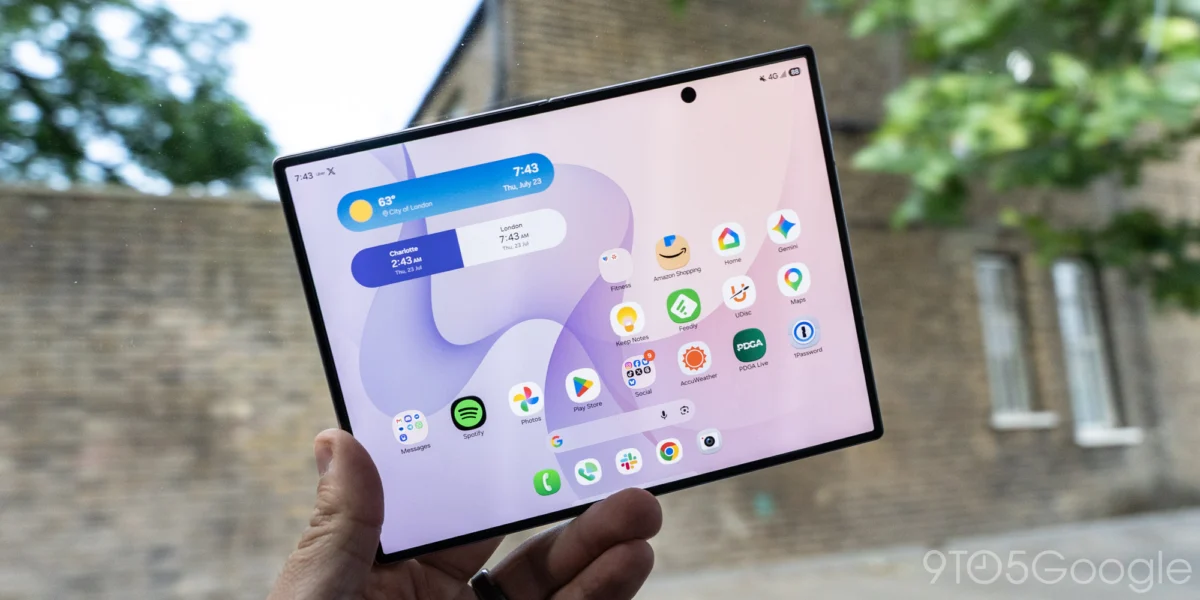
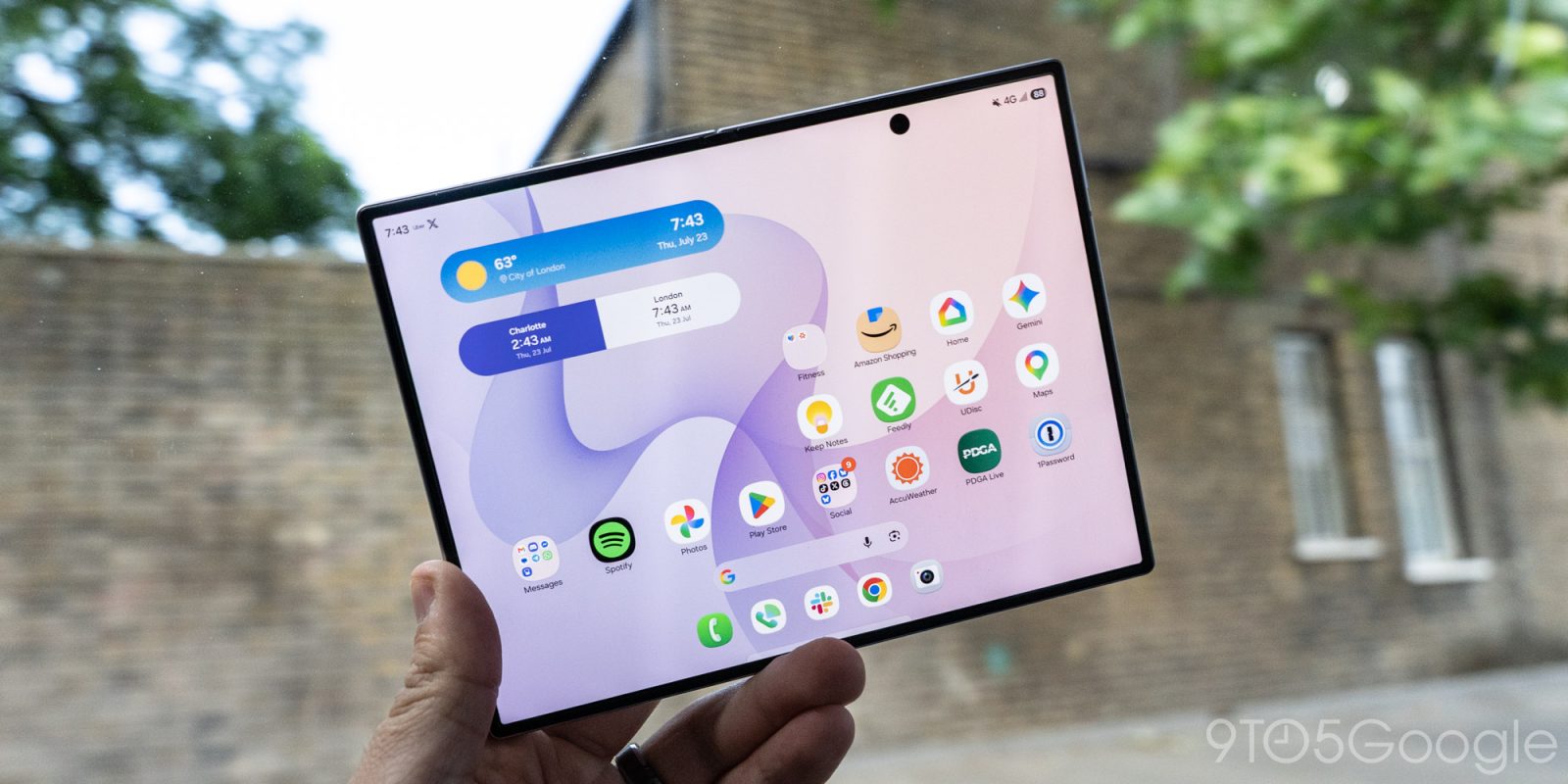
The most striking change in the Galaxy Z Fold 8 is its "short and stout outer display," a departure from the narrower, taller cover screens of previous generations. This alteration is not merely cosmetic; it fundamentally redefines how users interact with the device when folded. On earlier models, the narrow cover screen often necessitated opening the device for extensive typing or content viewing. With the Z Fold 8, the wider external display aims to offer a more conventional smartphone experience in its folded state, potentially reducing the need to unfold the device for everyday tasks. This design choice, however, comes with its own set of trade-offs, particularly regarding one-handed use and pocketability, aspects that previous Z Fold users had grown accustomed to.
This shift in the outer display’s geometry invariably impacts the internal main display as well. While specific dimensions and aspect ratios are subject to official specifications, the overall impression is that the Z Fold 8’s unfolded screen prioritizes a different set of interactions. For instance, if the device aims for a squarer aspect ratio when unfolded, it could enhance productivity applications, multi-window multitasking, and certain gaming experiences, while potentially introducing letterboxing for widescreen video content. This strategic decision by Samsung indicates a deliberate effort to sculpt the user experience around specific scenarios, potentially catering more to productivity-focused users or those seeking a miniature tablet experience.
The adaptation curve for users transitioning from older Z Fold models is expected to be steeper than with previous generational upgrades. The familiarity of the Fold 7’s slender design or the incremental changes of earlier models allowed for a smoother transition. The Z Fold 8, by contrast, demands a conscious adjustment in muscle memory and interaction patterns. Early reviewers have highlighted the need to "figure out" new usability and creature comfort adjustments over the coming days and weeks. This period of adaptation is critical for long-term user satisfaction and will largely determine whether the new design is perceived as a visionary leap or a polarizing experiment.
Hardware Innovations and Performance Outlook
Beyond the radical form factor changes, the Galaxy Z Fold 8 is poised to deliver significant hardware enhancements. Early impressions uniformly laud the "nice" hardware, "stunning" screens, and what is described as a "massive upgrade over past generations, inside and out." This suggests comprehensive improvements across various components.
Display Technology: Samsung, a leader in display technology, is expected to equip the Z Fold 8 with its latest advancements. This likely includes a more durable Ultra Thin Glass (UTG) for the main display, potentially reducing the visibility and tactile sensation of the crease. Brighter panels with enhanced color accuracy and higher refresh rates (likely 120Hz on both displays) are standard expectations for a premium flagship. The "stunning" quality mentioned by early testers points to these incremental yet crucial improvements in visual fidelity and responsiveness.
Performance: As with any new generation flagship, the Z Fold 8 will undoubtedly house the latest top-tier mobile processor, likely a custom-tuned variant of the Qualcomm Snapdragon 8 Gen series or Samsung’s own Exynos chipset, depending on the market. This ensures superior processing power, improved energy efficiency, and enhanced AI capabilities, crucial for handling complex multitasking, demanding applications, and advanced photographic computations. The internal upgrade is foundational to delivering a fluid and powerful user experience, especially given the dual-screen interface.
Build Quality and Durability: Samsung has progressively refined the hinge mechanism and overall durability of its foldable phones. For the Z Fold 8, further advancements in hinge design are anticipated, aiming for a more robust and seamless folding experience. Improvements in water and dust resistance, perhaps pushing towards higher IP ratings, would also be a critical upgrade, addressing common consumer concerns about the longevity of foldable devices. The perception of a "massive upgrade" likely encompasses these structural and material refinements, contributing to a more premium and reassuring feel in hand.
Camera System: While the original article expresses a sentiment of "cameras actually seem decent, though I already miss my telephoto lens," this provides a crucial insight into Samsung’s camera strategy for the Z Fold 8. The "decent" assessment suggests that the main camera array is competent, potentially featuring enhanced sensors for improved low-light performance and computational photography. However, the explicit mention of missing a telephoto lens implies a potential design compromise, possibly to accommodate the new form factor, battery size, or to hit a specific price point. If true, this could be a point of contention for users accustomed to the versatility of a triple-lens setup, particularly for optical zoom capabilities. It suggests Samsung might be optimizing for the core photographic experience and the unique capabilities of the foldable form factor (e.g., using the main camera for selfies when unfolded, or unique Flex Mode photography).
Market Context and Competitive Landscape
The launch of the Galaxy Z Fold 8 occurs within an increasingly dynamic and competitive foldable smartphone market. While Samsung has historically dominated this niche, with a significant market share in the foldable segment, new players and evolving strategies from competitors are constantly reshaping the landscape. Companies like Google with its Pixel Fold, OnePlus, Honor, and various Chinese manufacturers are introducing their own foldable devices, each offering unique interpretations of the form factor and user experience.
According to market analysis firms, the global foldable smartphone market is projected to experience substantial growth in the coming years. Reports from Counterpoint Research and IDC indicate a compound annual growth rate (CAGR) exceeding 20% for foldables through the end of the decade, with shipments potentially reaching tens of millions of units annually. Samsung’s sustained leadership in this segment is crucial for its overall mobile strategy, especially as the traditional smartphone market matures. The Z Fold 8’s bold redesign can be interpreted as a strategic move to differentiate itself further, retain its innovator status, and potentially capture a new segment of users who found previous Fold models too niche or unwieldy.
The success of the Z Fold 8 will depend not only on its technical prowess but also on its ability to resonate with a broader consumer base. Previous Fold models, while technologically impressive, often carried a premium price tag and catered to early adopters and tech enthusiasts. With the Z Fold 8’s significant design changes, Samsung aims to expand its appeal, potentially attracting users who might have previously dismissed foldables due to their narrow cover screens or specific aspect ratios.
Broader Implications and Future Outlook
The Galaxy Z Fold 8’s introduction marks a pivotal moment for Samsung and the broader foldable phone industry. By making such a decisive departure from established design conventions, Samsung is essentially testing the waters for what consumers truly want from a foldable device.
Redefining User Expectations: The "short and stout" cover screen and potentially altered internal display aspect ratio challenge preconceived notions of foldable utility. If successful, this could set a new trend, influencing future designs from Samsung and its competitors. It forces users to reconsider how they interact with their devices, promoting a more balanced use of both the cover and main screens.
Impact on Competition: Competitors will be closely watching the market reception of the Z Fold 8. If the new design proves popular, it could spur other manufacturers to adopt similar wider cover screens or re-evaluate their internal display aspect ratios. Conversely, if the design proves polarizing, it might reinforce existing design philosophies in the competitive landscape.

Technological Advancements: The "massive upgrade over past generations" hints at underlying technological breakthroughs that enable these design changes. This could include advancements in flexible display materials, hinge mechanisms, battery density, or cooling solutions, all of which contribute to a more refined and robust foldable experience. These innovations will inevitably trickle down to other foldable devices and potentially even traditional smartphones.
Market Segmentation: The Z Fold 8’s distinct design could further segment the foldable market. Users prioritizing a more traditional smartphone experience when folded might gravitate towards this new form factor, while those who preferred the slender profile for one-handed use might seek alternatives or adapt to the new paradigm. This diversification offers consumers more choice but also presents a challenge for manufacturers in balancing innovation with established user preferences.
As early adopters and reviewers continue their in-depth evaluations of the Galaxy Z Fold 8, the broader implications of Samsung’s bold design strategy will become clearer. The period following an Unpacked event is always crucial, as initial impressions solidify into comprehensive reviews, and market sentiment begins to take shape. The Z Fold 8 is not just another iteration; it is a statement of intent, a device designed to provoke thought, challenge norms, and potentially redefine the future trajectory of foldable smartphones. With pre-orders now open, the true test of its innovation lies in widespread user adoption and long-term satisfaction.