Samsung Electronics today unfurled its highly anticipated 2026 foldable smartphone lineup, marking a significant evolution in its pioneering eight-generation foldable family. The reveal introduced three distinct models for the first time: the premium Galaxy Z Fold 8 Ultra, the innovative wide-body Galaxy Z Fold 8, and the sleeker Galaxy Z Flip 8. Complementing these cutting-edge smartphones, Samsung also launched its latest wearables, the Galaxy Watch Ultra 2 and Galaxy Watch 9, solidifying its commitment to an integrated, high-performance ecosystem. While these new devices promise enhanced speed, slimmer profiles, and a suite of AI-powered features, they also arrive with a notable increase in price points, a consequence attributed to ongoing component shortages impacting the global tech industry. Preorders for all new hardware are live immediately, with a general availability date set for August 7.
A New Stratagem in Foldable Design and Market Positioning
Samsung’s decision to expand its foldable offerings to three distinct models represents a strategic pivot aimed at capturing a broader spectrum of the premium smartphone market. For years, the company has championed the foldable form factor, evolving from the experimental first-generation Galaxy Fold to more refined and durable iterations. The 2026 lineup, however, introduces unprecedented diversification. The Galaxy Z Fold 8 Ultra serves as the direct successor to last year’s Galaxy Z Fold 7, embodying the pinnacle of Samsung’s tablet-style foldable technology. The Galaxy Z Fold 8, however, is a novel entrant, designed with a wider body specifically optimized for media consumption rather than pure multitasking. This differentiation signals Samsung’s intent to cater to varied user preferences within the foldable segment, recognizing that not all users prioritize the same functionalities from a large, expandable display.
The launch occurs amidst a backdrop of increasing competition in the foldable space. While Samsung has historically dominated this niche, rivals such as Motorola, Google, and various Chinese manufacturers like Huawei, Xiaomi, and Oppo have intensified their efforts, bringing their own foldable innovations to market. By offering a three-tier approach, Samsung aims to reinforce its leadership, providing options that span ultra-premium productivity to entertainment-focused experiences, alongside the popular clamshell design of the Z Flip series.
The Foldables: Deeper Dive into Design and Performance
Galaxy Z Fold 8 Ultra: The Pinnacle of Productivity
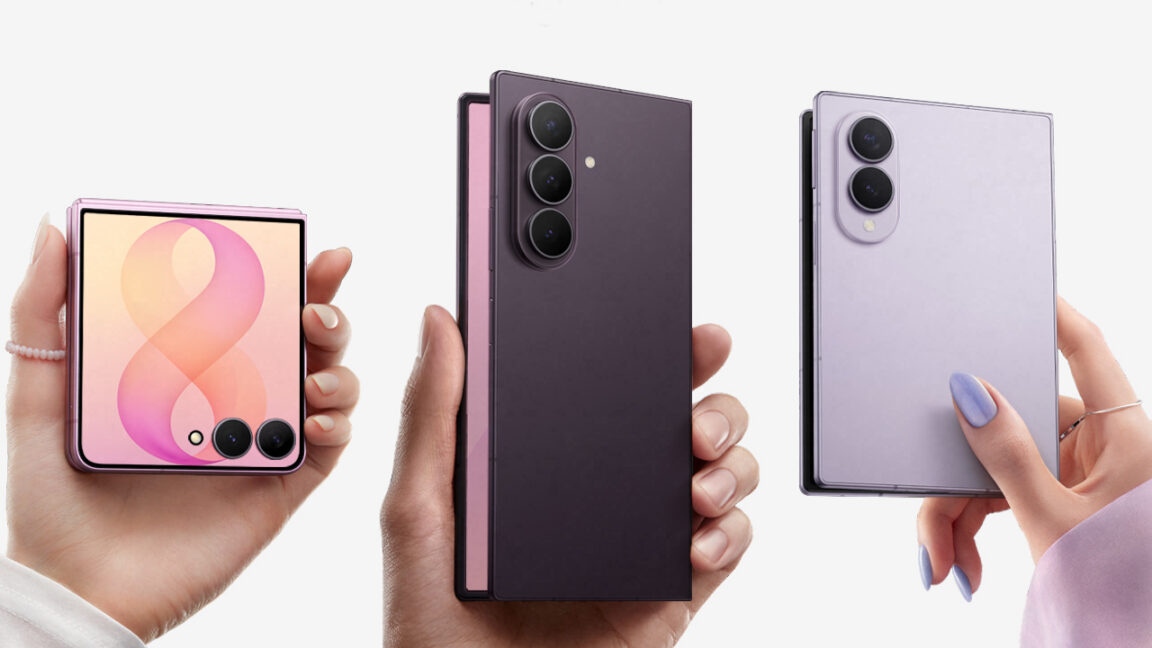
The Galaxy Z Fold 8 Ultra maintains the familiar form factor that has defined Samsung’s tablet-style foldables. When closed, its 6.5-inch Dynamic AMOLED 2X cover display offers a conventional smartphone experience with an FHD+ resolution (1080 x 2520) and a smooth 120Hz refresh rate. Unfurling the device reveals a expansive 8.0-inch QXGA+ Dynamic AMOLED 2X main display (2504 x 2256), boasting a sharp 422ppi and a 120Hz refresh rate. This nearly square main display is ideally suited for running two phone applications side-by-side, enhancing productivity and multitasking capabilities that have become a hallmark of the Fold series.
Under the hood, the Ultra is powered by the custom-tuned Snapdragon 8 Elite Gen 5 for Galaxy, a System-on-Chip (SoC) designed to deliver peak performance and optimize AI workloads. It comes with substantial memory options of 12GB or 16GB RAM and storage configurations up to 1TB, catering to the most demanding users. Battery capacity sees a welcome boost to 5,000 mAh, a significant improvement over previous generations, coupled with faster 45W wired charging that can achieve approximately 63% charge in 30 minutes. The camera system is equally impressive, featuring a triple-lens setup: a groundbreaking 200MP wide-angle primary sensor (F1.7, OIS), a 50MP ultrawide (F1.9), and a 10MP telephoto lens with 3x optical zoom (F2.4, OIS). Both cover and main displays feature a 10MP selfie camera (F2.2). Despite its robust features, the Ultra maintains an impressively slim profile, measuring just 4.1 mm when unfolded and weighing 215g.
Galaxy Z Fold 8: The Wide-Body Media Powerhouse
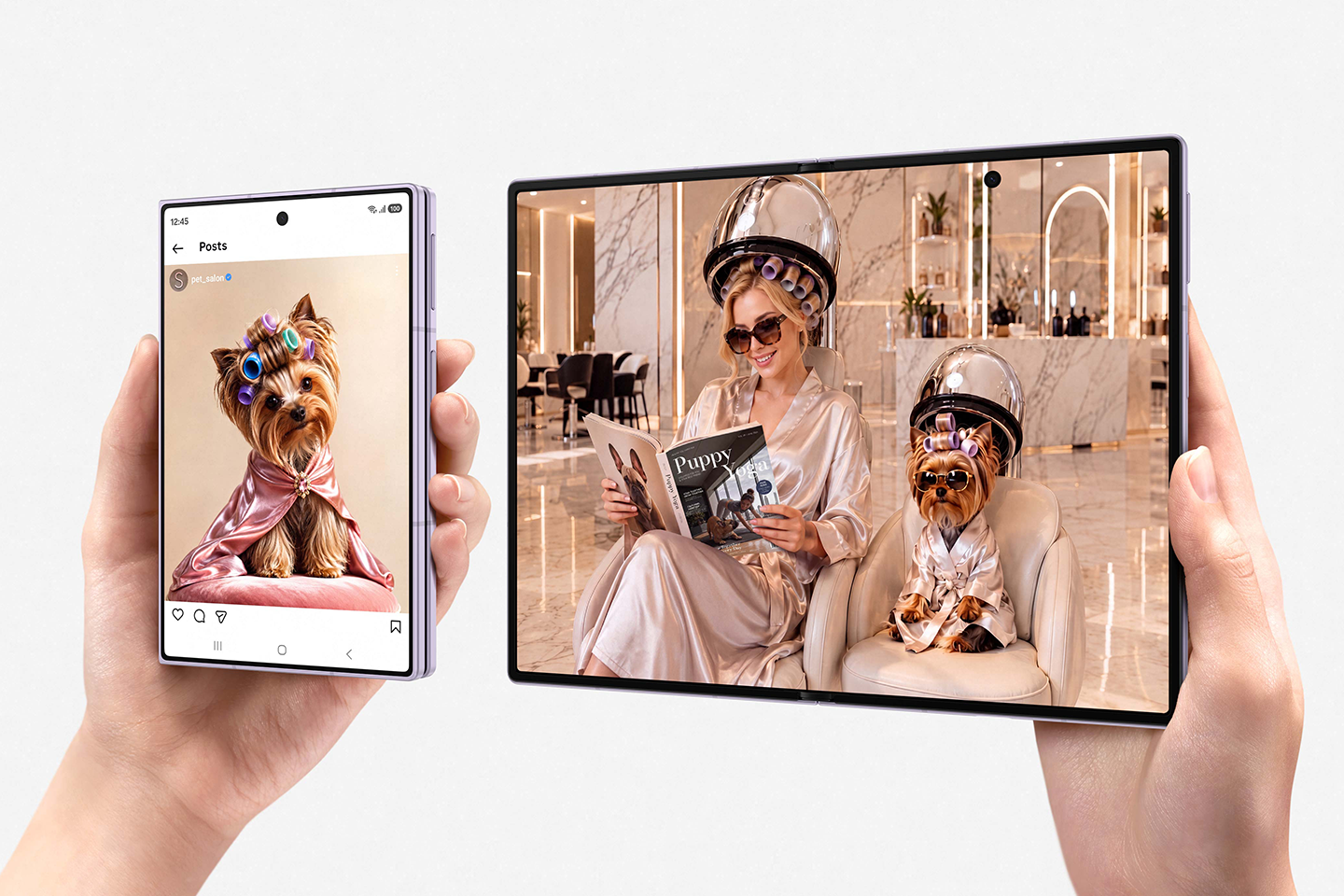
The Galaxy Z Fold 8 is a new concept, diverging from the Ultra’s productivity-first approach. Its design prioritizes media consumption, featuring a 5.5-inch Dynamic AMOLED 2X cover display with a chunky 10:16 aspect ratio (1248 x 1972) and a 120Hz refresh rate. When unfolded, it transforms into a 7.6-inch 4:3 display (1848 x 2448, 403ppi, 120Hz). This unique aspect ratio offers more breathing room for widescreen videos, minimizing black bars, and is touted as ideal for reading documents in portrait orientation. The shift to a wider internal display is a direct response to user feedback, acknowledging that many utilize their foldable’s large screen for entertainment and content viewing.
Like its Ultra sibling, the Z Fold 8 features the Snapdragon 8 Elite Gen 5 for Galaxy SoC, with 12GB or 16GB RAM and storage options up to 1TB. Its battery capacity is also significantly improved at 4,800 mAh, supporting the same 45W fast charging as the Ultra. However, to achieve its media-centric form factor and potentially a more aggressive price point (though still premium), the Z Fold 8 makes a compromise in its camera system. It features a dual-camera setup with a 50MP wide-angle primary sensor (F1.8, OIS) and a 50MP ultrawide lens (F1.9), lacking the telephoto capabilities of the Ultra. Its unfolded thickness is a mere 4.5 mm, weighing 201g.
Galaxy Z Flip 8: Sleeker, Smarter, Still Stylish
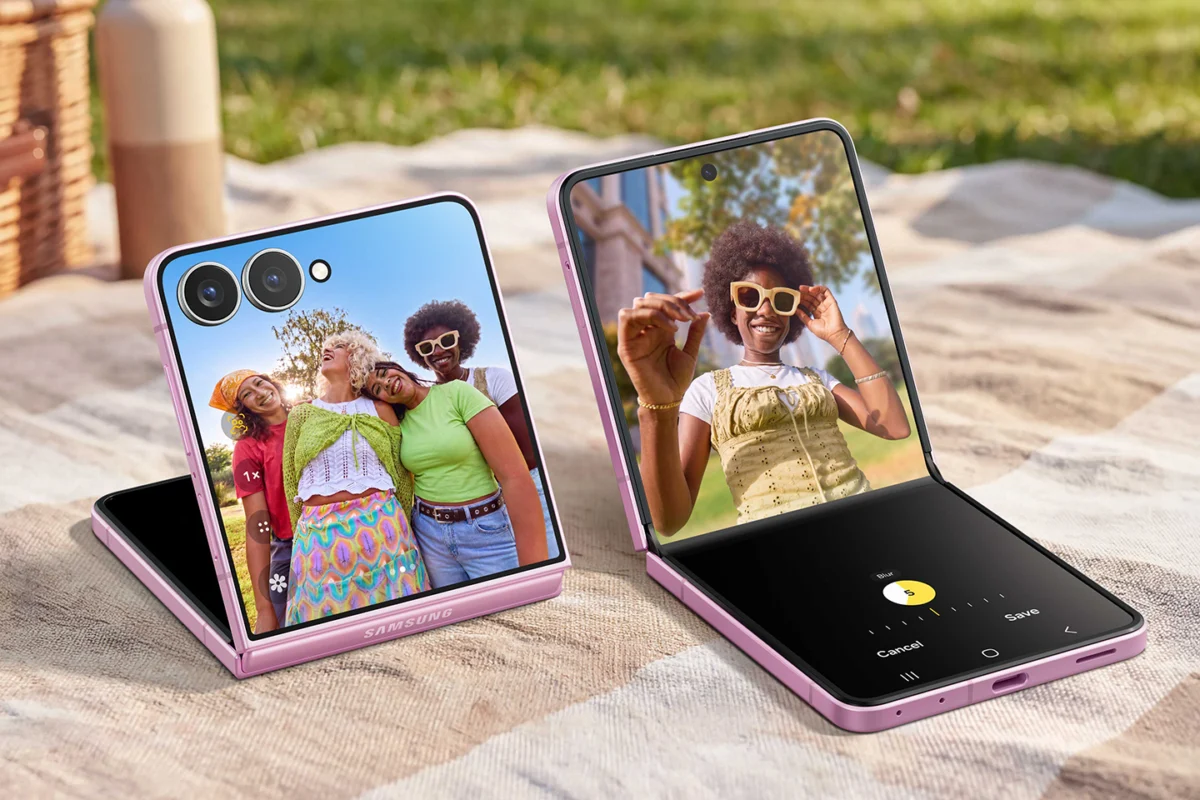
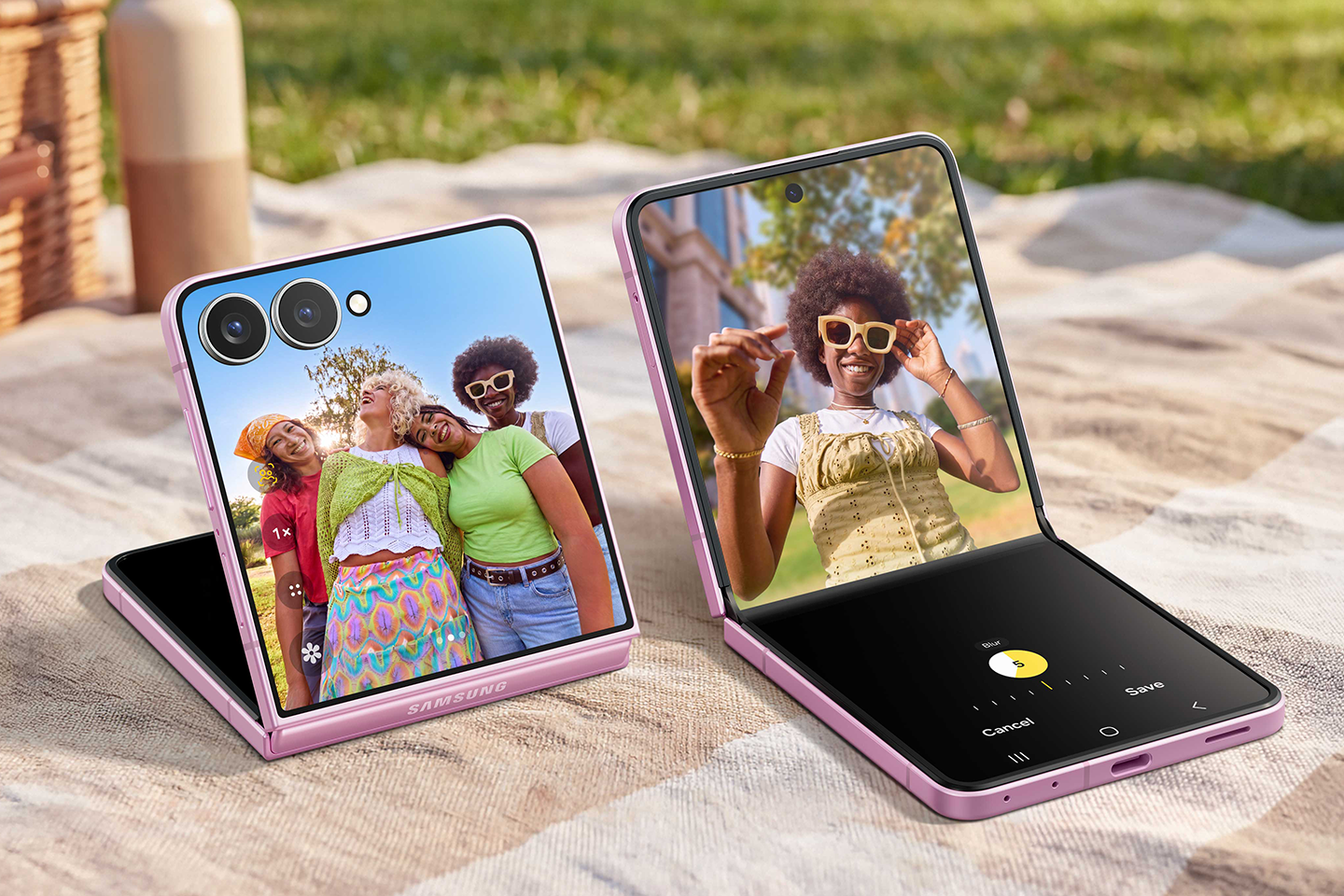
The Galaxy Z Flip 8 continues Samsung’s success in the compact clamshell foldable market. This iteration is notably thinner than its predecessors, enhancing its portability and pocketability. Its main display is a 6.9-inch Dynamic AMOLED 2X panel (1080 x 2520, 400ppi) with a 120Hz refresh rate, while the external cover screen has grown to a 4.1-inch AMOLED (948 x 1048, 342ppi) supporting a variable 60/120Hz refresh rate, offering more utility for quick glances and interactions.
Powering the Z Flip 8 is the same Snapdragon 8 Elite Gen 5 for Galaxy, paired with 12GB of RAM and storage options of 256GB or 512GB. The battery capacity remains at 4,300 mAh, consistent with previous generations, and charging speeds are maintained at 25W wired and 15W wireless. The camera setup includes a 50MP wide-angle primary sensor (F1.8, OIS) and a 12MP ultrawide lens (F2.2), alongside a 10MP selfie camera (F2.2). Its folded dimensions are a compact 85.7 x 75.4 x 13.1 mm, and it weighs 180g.
Shared Innovations: Flex Titanium and AI Integration
All new foldable devices feature "Flex Titanium," a design element that incorporates a titanium alloy film beneath the flexible OLED panels. Samsung states that this innovation significantly enhances screen resistance to impact, contributes to a smoother unfolding mechanism, and notably reduces the visibility of the dreaded foldable crease. Furthermore, a new low-reflection finish on all displays promises improved usability in bright outdoor conditions, addressing a common challenge for foldable screens.
On the software front, the new foldables will ship with Android 17, overlaid with Samsung’s custom One UI 9. Samsung emphasizes that this software has been extensively optimized for the "AI era." Features like "Brief" are enhanced to provide more intelligent suggestions, including crucial security and privacy insights. "Now Nudge" is designed to proactively offer AI-driven assistance across the device, anticipating user needs. The integration of "Gemini Notebook" (formerly NotebookLM) with enhanced foldable multitasking capabilities underscores the deep integration of Google’s AI models into Samsung’s ecosystem, promising a more intelligent and fluid user experience tailored to the unique form factor.
Wearables: The Galaxy Watch Ultra 2 and Galaxy Watch 9
Alongside the foldables, Samsung unveiled its next-generation smartwatches, both running on the Snapdragon Wear Elite platform, promising enhanced performance and efficiency.
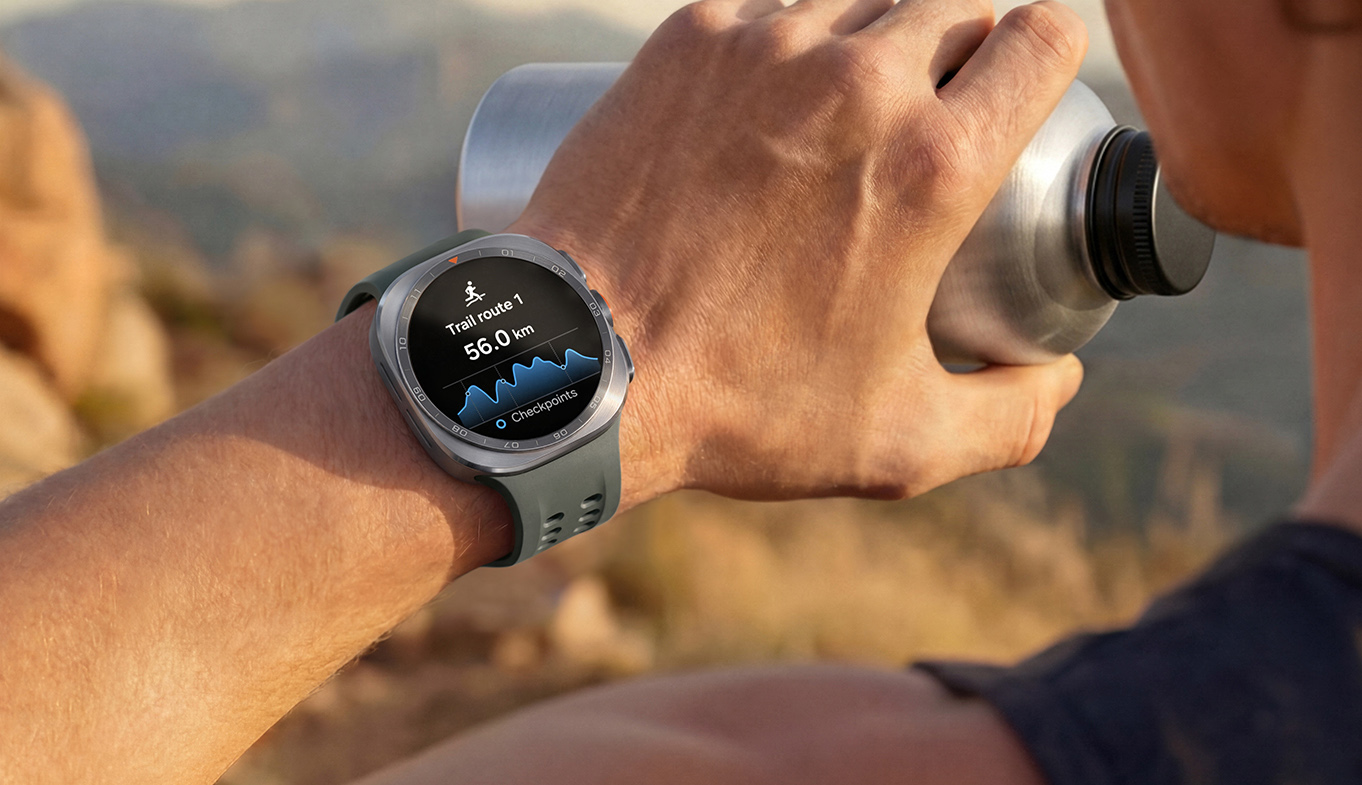
Galaxy Watch Ultra 2: Samsung’s Rugged Contender
The Galaxy Watch Ultra 2 is Samsung’s direct answer to the rugged smartwatch segment, aiming squarely at the Apple Watch Ultra. Measuring 47mm, it boasts a robust titanium case and a more rugged aesthetic. Key features include increased battery capacity, a brighter display, and an impressive IP69K rating for water and dust resistance, offering 10ATM water protection—a significant upgrade from the Watch 9’s 5ATM (IP68). This superior durability makes it suitable for extreme environments, with Samsung even planning to release a dedicated diving app later in the year. Priced at $700, it positions itself at the very top of the smartwatch market.
Galaxy Watch 9: Everyday Elegance and Functionality
The Galaxy Watch 9 comes in two case sizes: 40mm and 44mm. It features an aluminum case and retains the popular squircle design that debuted with the first Ultra watch. Available in both LTE and Bluetooth versions, the mobile data-enabled variant starts at $430, while the Bluetooth-only model begins at $380. It offers a balance of style, functionality, and connectivity for everyday users, serving as a more accessible entry point into Samsung’s premium wearable ecosystem.
Pricing and Market Implications: A Premium for Innovation

The 2026 lineup arrives with elevated price tags, a trend Samsung attributes in part to the ongoing "RAMpocalypse" and other component shortages that have driven up manufacturing costs across the tech industry.
- Galaxy Z Flip 8: Starting at $1,200, it’s $100 more than its 2025 predecessor. While packed with features, this price point positions it in a competitive landscape where rivals like Motorola offer Razr foldables for hundreds less, potentially challenging Samsung’s market share in the more accessible foldable segment. Samsung, however, banks on its superior performance, ecosystem integration, and camera capabilities to justify the premium.
- Galaxy Z Fold 8: A new entry at $1,900.
- Galaxy Z Fold 8 Ultra: At $2,100, it becomes one of the most expensive foldables on the market. For the discerning buyer already considering a $2,000 device, an additional $100 may not be a significant deterrent, reinforcing its status as an ultra-premium device for early adopters and tech enthusiasts.
Samsung’s strategy seems to be twofold: leveraging enhanced trade-in values to mitigate the sticker shock for existing customers and solidifying its brand as a leader in premium, cutting-edge technology, even if it means catering to a more affluent demographic. The company’s executives, while acknowledging the challenges posed by global supply chains, have consistently highlighted Samsung’s unwavering commitment to innovation and delivering unparalleled user experiences. The strategic decision to offer a diverse range of foldable options, from the media-centric Z Fold 8 to the ultimate productivity powerhouse Z Fold 8 Ultra, reflects an understanding of evolving consumer demands and a drive to maintain market leadership.
The launch of these new devices, alongside the advanced Galaxy Watches, underscores a significant moment for Samsung and the broader mobile industry. As devices become increasingly sophisticated, integrating powerful AI capabilities and innovative form factors, the premium segment continues to expand. This release not only pushes the boundaries of what smartphones and wearables can do but also sets new benchmarks for design, performance, and user experience in the competitive landscape of 2026 and beyond. All products are available for preorder today and are scheduled to begin shipping on August 7.