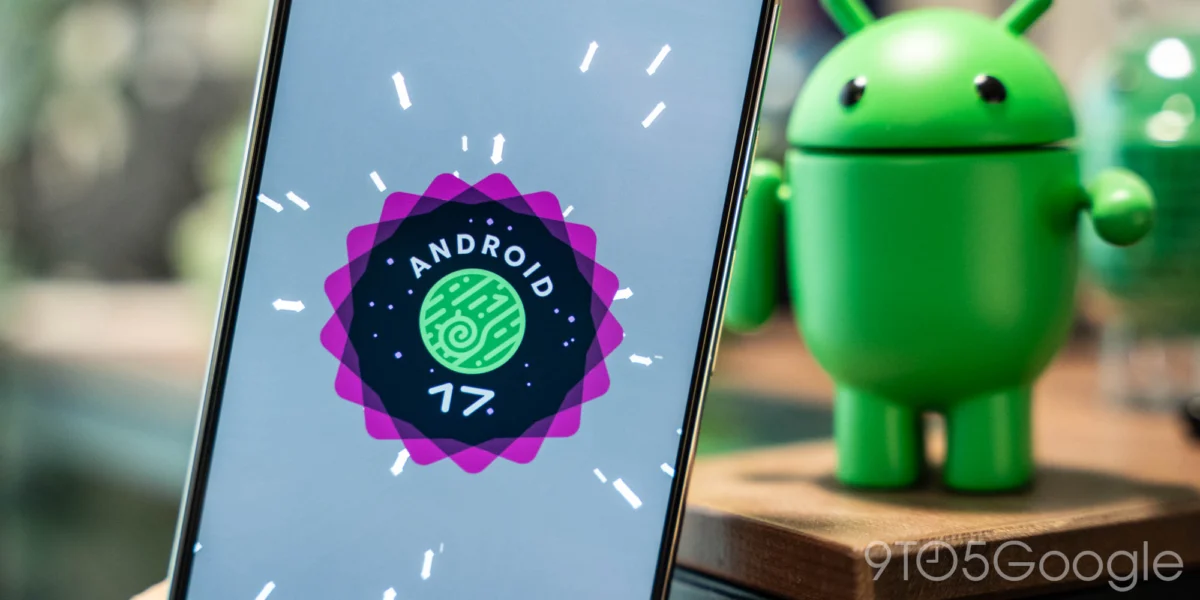
Following the recent culmination of the core Android 17 Beta program, Google has swiftly pivoted its development efforts, initiating the rollout of Android 17 QPR1 Beta 1. This new phase marks the beginning of the journey towards the highly anticipated September Feature Drop, a quarterly update designed to infuse Google’s Pixel devices with enhanced functionalities and refinements. As per Google’s official communication, "Android 17 QPR1 Beta continues with the next round of Beta updates for our September Feature Drop release," signaling a continuous commitment to evolving the user experience beyond the annual major platform updates.
This initial QPR1 Beta release, while significant for developers and avid testers, does not immediately present any obvious user-facing changes. Instead, it lays the crucial groundwork for features and optimizations that will mature over subsequent beta iterations before their public debut. For the Pixel ecosystem, these Quarterly Platform Releases (QPRs) have become a cornerstone of Google’s strategy, ensuring a steady cadence of innovation and improvement that keeps the Android experience fresh and competitive throughout the year.
Understanding Quarterly Platform Releases (QPRs) and Feature Drops
To fully grasp the significance of Android 17 QPR1 Beta 1, it is essential to understand Google’s structured approach to Android development beyond the flagship annual version. Quarterly Platform Releases (QPRs) represent incremental updates to the stable Android platform, typically rolled out every three months. These releases are distinct from the major annual Android versions (like Android 17 itself), which introduce sweeping changes to the operating system’s core architecture, user interface, and fundamental APIs. Instead, QPRs focus on delivering new features, performance enhancements, security updates, and bug fixes to the already stable Android build.
For Pixel device owners, these QPRs translate directly into "Feature Drops." These curated packages of new functionalities, often exclusive or first-to-Pixel, arrive regularly in December, March, June, and September, providing a compelling reason for users to stay within the Pixel ecosystem. The QPR1 Beta program is specifically geared towards the September Feature Drop, meaning that the features and improvements being tested now will form the core of what Pixel users receive in their next significant update. This iterative development model allows Google to introduce innovations more frequently, responding to user feedback and market trends with greater agility than a purely annual release cycle would permit.
The Android 17 Journey: A Chronology of Development

The release of Android 17 QPR1 Beta 1 is a natural progression in a meticulously planned development timeline. Typically, the journey for a major Android version like Android 17 begins early in the year, often around February or March, with the release of Developer Previews (DPs). These early builds are primarily aimed at app developers, allowing them to adapt their applications to upcoming platform changes, test new APIs, and provide crucial feedback on the foundational elements of the operating system.
Following several Developer Previews, Google transitions into the public Beta phase, usually commencing around April or May. This phase typically includes a series of Beta releases (Beta 1, Beta 2, Beta 3, Beta 4, and sometimes more), each incrementally stabilizing the platform, refining features, and addressing reported bugs. The "final scheduled release for the Android 17 Beta coming last week" indicates that the core development of Android 17 has reached its conclusion, culminating in a stable release, which historically lands in August or September for public rollout.
Immediately after the stable release of the major Android version, or sometimes concurrently with its final beta stages, Google initiates the QPR Beta programs. Android 17 QPR1 Beta 1, therefore, represents the first public testing phase for the first quarterly update after the stable launch of Android 17. This sets the stage for the September Feature Drop. Looking ahead, subsequent QPR Beta cycles will follow for QPR2 (targeting the December Feature Drop) and QPR3 (for the March Feature Drop of the following year), demonstrating a continuous, year-round development and delivery pipeline for the Android platform on Pixel devices. This structured approach ensures that new features and improvements are not merely confined to the annual OS overhaul but are integrated throughout the year, maintaining user engagement and device relevance.
Delving Deeper: What QPR1 Beta 1 Entails Under the Hood
While the announcement explicitly states "there are no obvious user-facing changes in this release," the absence of visible new features in Android 17 QPR1 Beta 1 does not imply a lack of activity. On the contrary, initial beta builds for QPRs are crucial for laying the groundwork for future enhancements and ensuring the stability of the platform. The "issues addressed" section, which was empty in the initial announcement, typically fills up with specific bug fixes identified during the preceding Android 17 Beta cycle or from early internal testing. Even if not explicitly listed for this inaugural QPR1 Beta, the fundamental purpose of these updates is to resolve lingering issues, improve system performance, and enhance overall stability.
Developers participating in the beta program can expect to see various under-the-hood optimizations. These often include refinements to system APIs, which allow applications to interact more efficiently with the operating system, potentially leading to better app performance and responsiveness. Security patches, while typically delivered monthly, can also be integrated into QPR betas, providing an additional layer of protection. Furthermore, these early QPR builds are where Google engineers optimize system processes, memory management, and power consumption, leading to subtle yet significant improvements in battery life and overall device fluidity that may not be immediately apparent but contribute to a superior long-term user experience. The "Android 17 Easter Egg" image accompanying the announcement serves as a playful nod to a long-standing Android tradition, a hidden interactive element within the OS version screen, suggesting that while the public-facing features might be minimal, the system itself is fully developed and ready for its next evolutionary steps.
Extensive Device Support: Google’s Commitment to the Pixel Ecosystem
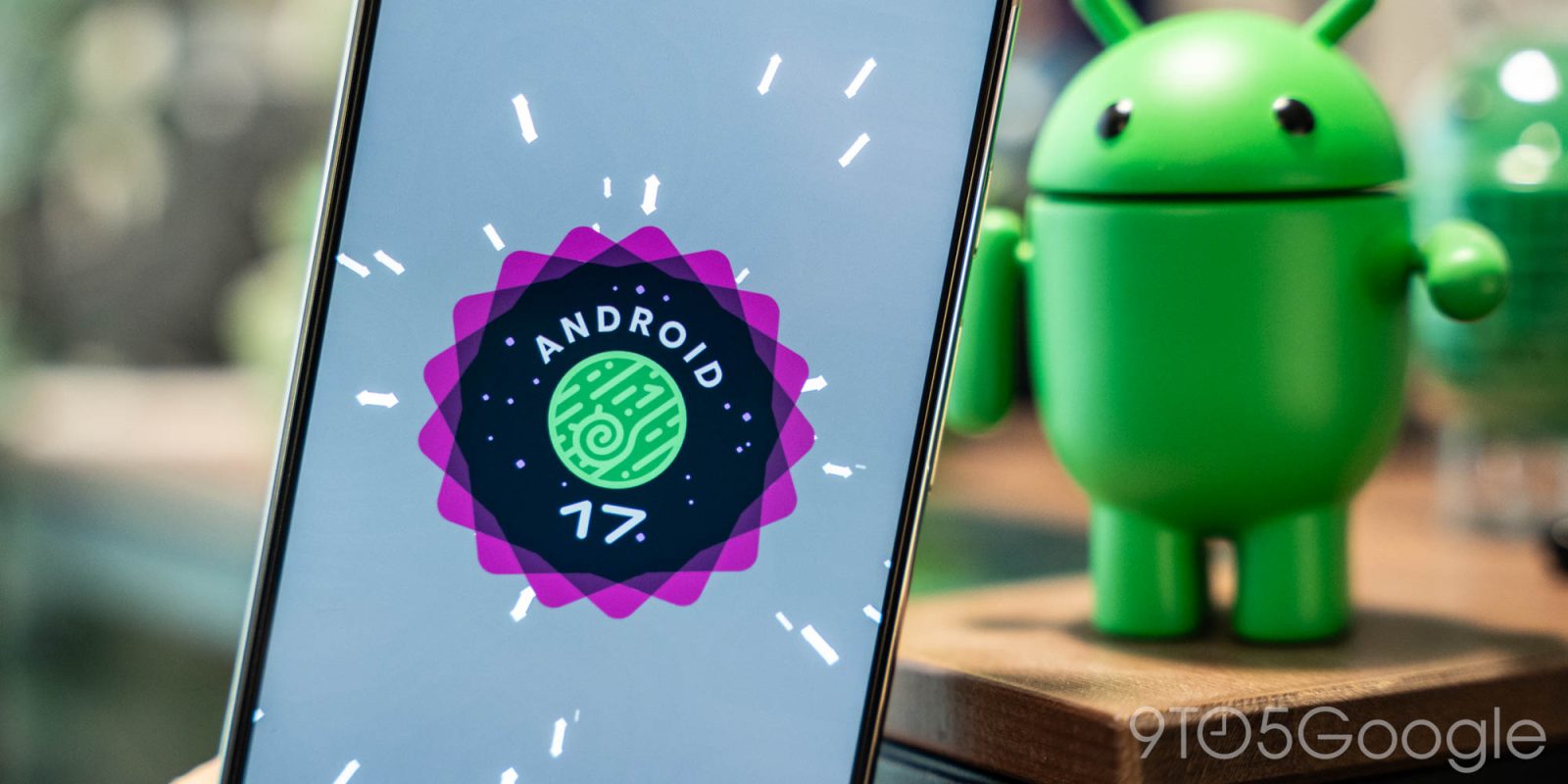
A notable aspect of the Android 17 QPR1 Beta 1 release is the extensive list of supported Pixel devices, underscoring Google’s commitment to providing long-term software support across its hardware lineup. The beta is available for a remarkably broad range of devices, including the Pixel 6, Pixel 6 Pro, Pixel 6a, Pixel 7, Pixel 7 Pro, Pixel 7a, Pixel Tablet, Pixel Fold, Pixel 8, Pixel 8 Pro, Pixel 8a, Pixel 9, Pixel 9 Pro, Pixel 9 Pro XL, Pixel 9 Pro Fold, Pixel 9a, Pixel 10, Pixel 10 Pro, Pixel 10 Pro XL, and Pixel 10 Pro Fold, as well as the Android Emulator.
This comprehensive list, spanning multiple generations of Pixel smartphones, including the foldable and tablet form factors, highlights Google’s strategy to maintain a unified and continuously updated experience across its diverse hardware portfolio. Supporting older generations like the Pixel 6 series alongside the latest Pixel 10 series (projected into the future as per the original source’s date of 2026) demonstrates a dedication to device longevity and customer value. For users, this means that even devices that are a few years old will continue to receive the latest features and security enhancements through the QPR cycles, extending their useful life and enhancing their perceived value. For developers, this wide compatibility ensures that new features and API changes introduced in QPRs can be tested and deployed across a significant user base, fostering a healthy and vibrant app ecosystem that caters to a broad spectrum of Pixel users. The inclusion of the Pixel Tablet, Pixel Fold, and their projected successors further solidifies Google’s push into new form factors, ensuring they remain at the forefront of Android innovation.
The Beta Program: A Collaborative Development Model
Google’s Android Beta Program is a cornerstone of its software development philosophy, fostering a collaborative environment where enthusiastic users and developers play a critical role in shaping the final product. Individuals interested in experiencing the cutting edge of Android and contributing to its refinement can easily join the program via the official Android Beta Program website. Once enrolled, eligible Pixel devices receive Over-The-Air (OTA) updates, seamlessly delivering the beta builds directly to their devices.
The value of the beta program extends far beyond simply offering early access to new features. It is a vital mechanism for gathering real-world feedback from a diverse user base, operating on a multitude of devices and in various network conditions. Google provides robust channels for this feedback, including the dedicated Android Beta Feedback app, accessible from the app drawer or Quick Settings on Pixel devices. This application allows users to directly file bugs and provide detailed reports, which are then routed to the Google issue tracker for engineering teams to review and address. Additionally, the Android Beta community on Reddit serves as an informal yet highly active forum where users can discuss issues, share observations, and collaborate on troubleshooting, providing another layer of valuable public feedback. This multi-pronged approach to feedback collection is instrumental in identifying and rectifying issues that might not surface during internal testing, ensuring that the stable Feature Drops are as polished and reliable as possible before their widespread public release. The insights gleaned from thousands of beta testers are indispensable for Google’s continuous improvement cycle, making the beta community an integral part of Android’s evolution.
Implications for Users and Developers
The ongoing development cycle, spearheaded by releases like Android 17 QPR1 Beta 1, carries significant implications for both end-users and the developer community.

For Users: The QPR system, culminating in Feature Drops, represents a commitment from Google to continually enhance the user experience on Pixel devices. This means that users can anticipate a steady stream of new functionalities, interface refinements, and performance improvements throughout the year, rather than waiting for a single annual update. While participating in beta programs offers early access to these innovations, it also comes with the understanding that beta software may contain bugs or stability issues. However, the eventual stable Feature Drops promise a more dynamic and evolving device experience, keeping Pixel phones, tablets, and foldables competitive and fresh. It reinforces the idea that purchasing a Pixel device is an investment in a continuously improving software platform.
For Developers: The QPR betas are crucial for maintaining app compatibility and leveraging new platform capabilities. Each QPR, especially as it progresses towards a stable release, may introduce new APIs, change existing behaviors, or optimize system resources. Developers must stay abreast of these updates, testing their applications against the latest beta builds to ensure seamless functionality and to take advantage of any new tools or features that can enhance their apps. Early testing in the beta environment allows developers to identify and address potential compatibility issues proactively, ensuring their apps are ready when the Feature Drop reaches the wider public. This continuous update cycle encourages developers to adopt an agile development mindset, iteratively updating their applications to align with Google’s evolving platform.
Looking Ahead: The Future of Android Feature Drops
The release of Android 17 QPR1 Beta 1 reaffirms Google’s strategic vision for Android: a platform characterized by continuous innovation and refinement. The QPR and Feature Drop model has become a defining characteristic of the Pixel experience, setting it apart from other Android implementations by delivering a consistent stream of valuable enhancements. This approach not only provides a compelling reason for users to choose and stay with Pixel devices but also fosters a dynamic ecosystem where software evolves rapidly to meet changing user needs and technological advancements.
As the Android 17 QPR1 Beta program progresses, users and developers will closely monitor subsequent beta releases for the unveiling of the specific features destined for the September Feature Drop. These features could range from new AI capabilities, camera enhancements, interface tweaks, to productivity tools, all designed to further integrate the Android experience with Google’s broader suite of services. The sustained evolution of the Android platform through these quarterly updates ensures that the operating system remains at the forefront of mobile technology, constantly adapting and improving, making each Pixel device a testament to Google’s enduring commitment to innovation.