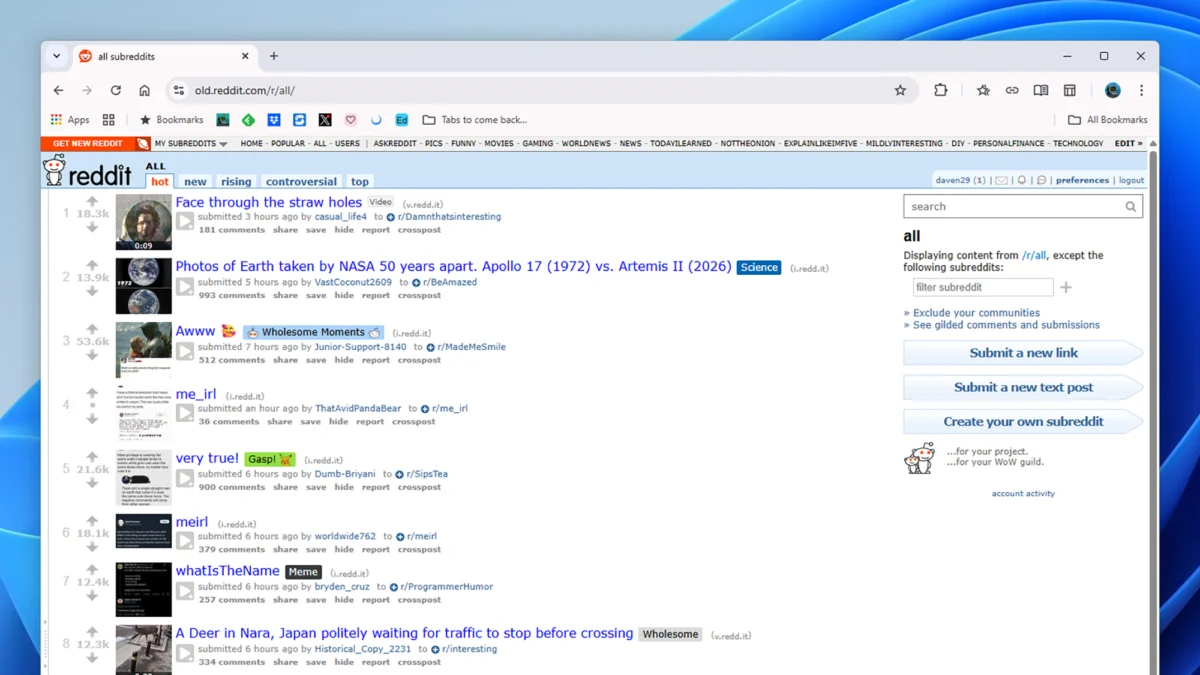
In an increasingly hyper-connected world, the pervasive influence of social media platforms on professional productivity and personal well-being has become a critical concern. A recent account from a seasoned tech journalist, who spends much of their professional life online, highlights the profound challenges individuals face in managing digital consumption and the subtle ways these platforms embed themselves into daily routines, often leading to unintended distractions and a decline in focus. This journalist’s struggle, initially rooted in a desire to reclaim time and improve mental health, serves as a poignant case study illustrating the broader societal grappling with digital dependency and the complex mechanisms that make detachment so difficult.
The Pervasive Digital Dilemma
For many, the distinction between essential online engagement and time-wasting social media consumption has blurred. What begins as a quick check for updates or news can rapidly devolve into prolonged, aimless scrolling, consuming significant portions of time without tangible benefit. This phenomenon is not unique to any single profession but is particularly pronounced for those whose work mandates constant online presence, such as journalists in the technology sector. The initial recognition of this issue often stems from a feeling of diminished productivity and a growing awareness of the public discourse surrounding social media’s ethical implications and its impact on mental health. Recent legal rulings and increasing public backlash against major platforms like Meta and YouTube underscore a global re-evaluation of the role and responsibility of these digital giants.
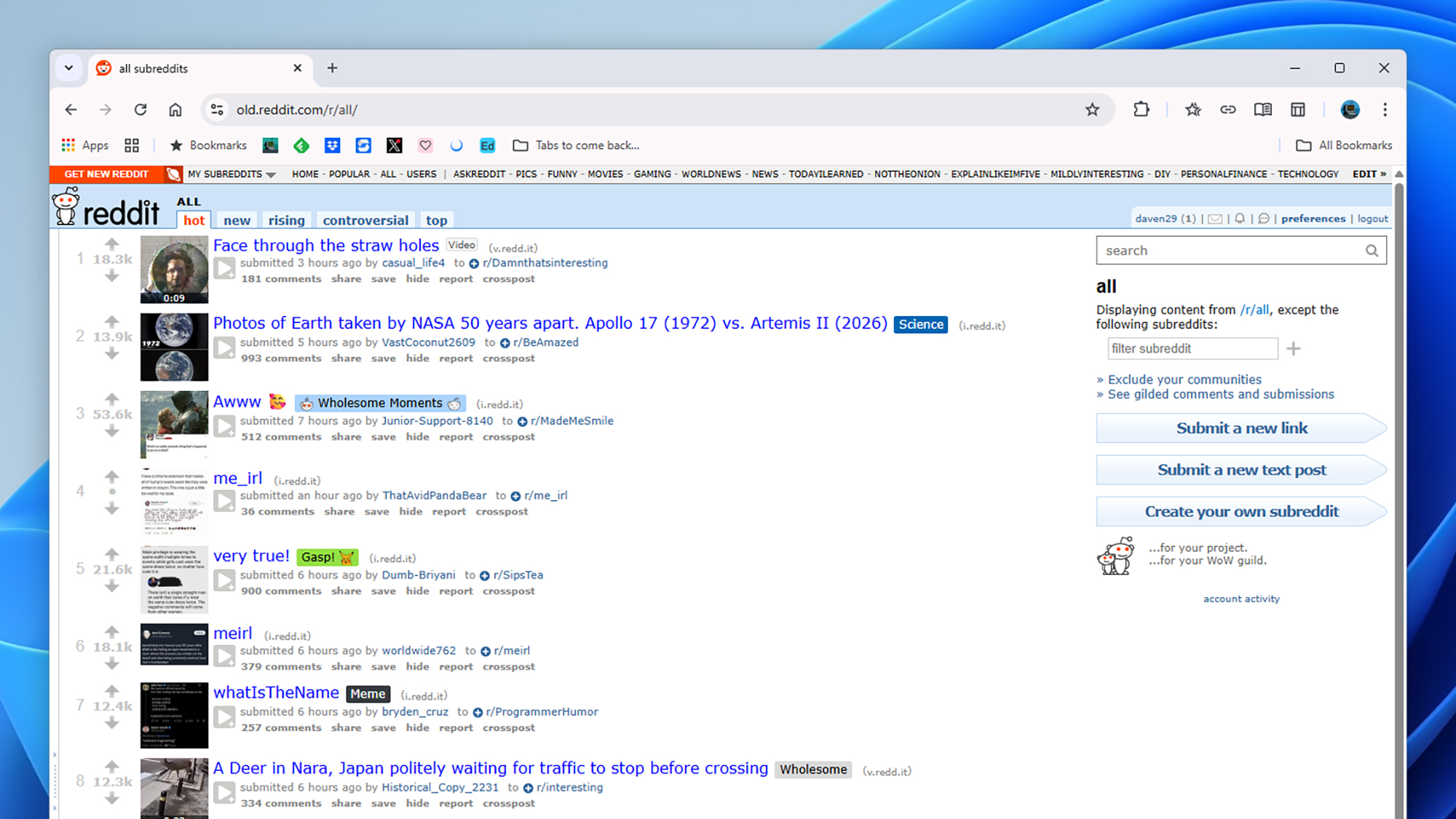
The journalist in question initially dismissed the more commonly cited problematic platforms like Facebook, Instagram, TikTok, and X (formerly Twitter), believing their usage was confined to less overtly "addictive" sites. However, a deeper self-assessment revealed a ballooning reliance on Reddit and YouTube, platforms often given a "soft pass" in discussions about digital detoxes, despite their equally potent capacity for fostering compulsive engagement. These platforms, through their infinite scroll designs, recommendation algorithms, and vast user-generated content, are meticulously engineered to maximize user engagement, often at the expense of time management and focused attention.
Diagnosing the Issue: A Loss of Focus and Time
The core of the problem, as identified by the journalist, was the insidious creep of these platforms into productive hours. Working from a home PC, the boundary between work and leisure easily dissolves, making it exceptionally simple to succumb to digital distractions. A brief foray into Reddit or YouTube, intended for a quick update or a specific piece of information, routinely expanded into half an hour or more of consuming irrelevant content. Over time, this fragmented attention span began to impact tasks that traditionally held deep interest, such as reading physical books or pursuing hobbies. The inability to sustain focus, even during scheduled leisure activities, pointed to a deeper issue of digital dependency. This experience aligns with broader trends identified in research, which indicate a decline in sustained attention spans among digital natives and heavy screen users. Studies by organizations like the Pew Research Center have consistently highlighted concerns among adults regarding the amount of time spent online and its impact on personal relationships and mental well-being.
The Science of Addiction: Why Social Media Hooks Us
The difficulty in breaking away from social media is rooted in fundamental psychological principles. Platforms are designed using principles of variable reward schedules, similar to slot machines, which trigger dopamine releases in the brain. Each notification, like, comment, or new piece of content offers a potential reward, creating a strong feedback loop that encourages continuous checking and scrolling. This mechanism, coupled with the fear of missing out (FOMO) and the constant stream of personalized content delivered by sophisticated algorithms, fosters a compulsive need to engage. Dr. Anna Lembke, a Stanford psychiatrist and author of "Dopamine Nation," elucidates how our brains, in a constant pursuit of pleasure, can become overstimulated by easily accessible digital stimuli, leading to a diminished capacity to find joy in less intense, real-world activities. This neurological conditioning makes cold-turkey approaches challenging but often necessary for individuals seeking to reset their digital habits.
Initial Attempts at Digital Disengagement: A Chronology of Resolve
Recognizing the severity of the problem, the journalist embarked on a concerted effort to disengage. Drawing from past experiences with habit cessation (such as caffeine), a "cold turkey" approach was chosen over gradual reduction, which had proven ineffective previously. The strategy was straightforward: close all Reddit and YouTube browser tabs, delete the corresponding mobile applications, and actively replace the void with work, existing hobbies, and reading physical books. This blunt method, while challenging, was based on the hope that discipline would prevail as the brain’s dopamine pathways gradually recalibrated.
The initial days of this digital detox yielded promising results. The immediate absence of "easy" distraction options created a palpable sense of having more free time. Productivity at work demonstrably increased, engagement with hobbies became more profound, and even routine household tasks received more attention. Crucially, there was an unexpected lack of longing for the removed platforms, suggesting that the initial physiological withdrawal symptoms were manageable and the benefits of disengagement were immediately apparent. This early success underscored the potential for significant improvements in quality of life when digital consumption is curbed.
The Relapse: Navigating the Entrenched Information Ecosystem
However, the journey towards sustained digital disengagement proved to be fraught with unforeseen challenges. Approximately two to three weeks into the detox, a seemingly innocuous decision triggered a significant relapse. The journalist, seeking to purchase a new bass guitar for a hobby, initiated a product research process that began with a standard Google search. This seemingly innocent step quickly revealed the pervasive integration of social media platforms into the modern information ecosystem.
The search results were heavily populated with Reddit threads and YouTube videos, offering detailed product reviews, comparisons, and user experiences. What started as "strictly for research" quickly morphed into browsing the front pages of these platforms for related content. Almost subconsciously, the journalist found themselves ensnared in the familiar pattern of mindless scrolling, the carefully constructed barriers of the detox crumbling under the weight of information-seeking necessities and the platforms’ addictive design.
This incident highlights a critical shift in how information is discovered and consumed online. Editorial sites, like TechRadar where the journalist is employed, are increasingly finding themselves competing with, and sometimes being overshadowed by, social media platforms in search engine results. This trend, driven by algorithmic changes that prioritize user-generated content and community discussions, means that avoiding social media entirely, even for practical research, has become exceptionally difficult. Platforms like Reddit and YouTube are no longer just entertainment hubs; they are integral components of the modern search and discovery process, making complete abstinence a formidable task for anyone seeking information or product recommendations.
Broader Implications: Productivity, Mental Health, and the Media Landscape
The journalist’s experience resonates with broader societal implications across several domains:
- Productivity and Attention Economy: The constant battle against digital distraction significantly erodes productivity. Research by organizations like RescueTime consistently shows that individuals spend hours daily on distracting apps, impacting deep work and creative output. The fragmented attention fostered by constant notifications and infinite feeds makes it challenging to engage in tasks requiring sustained cognitive effort.
- Mental Health and Digital Well-being: The link between excessive social media use and mental health challenges, including anxiety, depression, and poor sleep, is well-documented. The comparison culture, cyberbullying, and the pressure to maintain an idealized online persona contribute to psychological distress. The journalist’s account of difficulty engaging in beloved hobbies mirrors a common complaint of reduced enjoyment in real-world activities due to digital overstimulation.
- The Evolving Media Landscape: The observation that editorial sites are being "squeezed out" of search results in favor of social media reflects a significant shift in the media landscape. This trend raises concerns about the quality and veracity of information, as user-generated content, while offering diverse perspectives, often lacks the rigorous editorial standards of professional journalism. It also presents a challenge for traditional media outlets in reaching audiences and sustaining their business models.
- The Challenge of Information Vetting: When social media platforms become primary sources for research, users are often exposed to unfiltered opinions, anecdotal evidence, and potentially misleading information. The critical skill of evaluating sources becomes even more paramount, yet the design of these platforms often encourages passive consumption rather than critical analysis.
Expert Perspectives and Industry Responses
Mental health professionals consistently advocate for conscious digital consumption and the implementation of "digital hygiene" practices. Dr. Jean Twenge, author of "iGen," emphasizes the importance of setting clear boundaries and engaging in offline activities to counteract the negative effects of excessive screen time. Therapists specializing in digital addiction often recommend strategies such as scheduling specific times for social media use, turning off notifications, and engaging in "digital sabbaticals" – short periods completely disconnected from screens.
From the industry side, major tech companies have, in recent years, introduced features aimed at promoting "digital well-being," such as screen time trackers, app limits, and "focus modes." While these tools offer users some control, critics argue they are often insufficient to counteract the deeply ingrained addictive design principles of the platforms themselves. There’s an ongoing debate among policymakers about whether more stringent regulations, similar to those in other public health domains, are necessary to mitigate the societal impact of social media.
Charting a Path Forward: Strategies for Sustained Digital Wellness
Despite the setback, the journalist’s experience provided valuable insights into the tenacity of digital habits and the pervasive nature of social media in modern life. The renewed resolve includes a stricter adherence to the self-imposed ban, irrespective of perceived "research" needs. This suggests a recognition that even legitimate information-seeking can be a gateway back to compulsive scrolling.
Furthermore, the journalist’s plan to schedule dedicated time off work, away from screens, aligns with expert recommendations for digital detoxes. Such intentional periods of disconnection can serve as crucial reset points, allowing individuals to recalibrate their relationship with technology, rediscover offline pursuits, and re-establish healthier habits. These strategies are not merely about reducing screen time but about fostering a more intentional and balanced approach to technology, where digital tools serve as aids rather than masters of our attention and time.
The ongoing struggle highlights that digital wellness is not a one-time achievement but a continuous process of awareness, discipline, and adaptation in a rapidly evolving technological landscape. As social media platforms become even more integrated into our daily lives, developing robust personal strategies for managing their influence will remain a fundamental challenge for individuals and a critical area of focus for public health and policy.