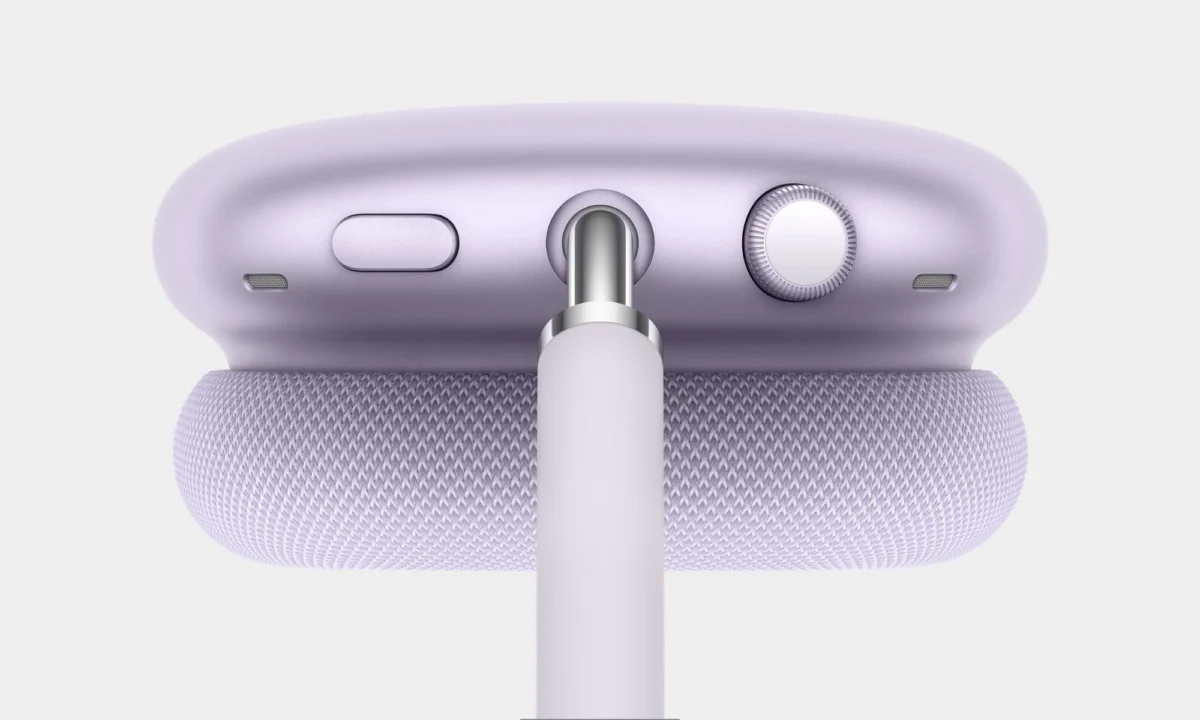
After a five-year hiatus since their initial launch, Apple has finally unveiled an updated iteration of its premium over-ear headphones, the AirPods Max. The second generation, powered by the new H2 chip, introduces a suite of enhancements that aim to elevate the listening experience and bring the AirPods Max more in line with the capabilities of Apple’s other audio products, particularly the AirPods Pro. While these upgrades promise meaningful improvements on paper, particularly in audio processing and noise cancellation, the practical impact for consumers is more nuanced, with the core design and some long-standing usability concerns remaining largely unchanged. This refresh focuses on refining the internal workings rather than reinventing the external form, leaving potential buyers to weigh the technological advancements against the familiar physical limitations.
The H2 Chip: The Heart of the Upgrade
The most significant internal overhaul for the AirPods Max 2 is the transition from dual H1 chips to dual H2 chips. This identical silicon found in the latest AirPods Pro represents a substantial leap in processing power and efficiency. The H2 chip is the cornerstone upon which many of the new features are built, unlocking capabilities that were conspicuously absent in the original model. This strategic move underscores Apple’s commitment to its audio ecosystem, ensuring that its flagship over-ear headphones benefit from the same cutting-edge technology that defines its other personal audio devices.
Enhanced Noise Cancellation and Transparency: A Quieter, More Natural Soundscape
One of the most prominent claims surrounding the AirPods Max 2 is a significant improvement in active noise cancellation (ANC). Apple states that the new H2 chip enables ANC to be up to 1.5 times more effective. This translates to a more immersive listening experience, adept at isolating the user from distracting environmental sounds, whether on a busy commute, in a bustling office, or during air travel. The original AirPods Max already offered impressive ANC, but this substantial uplift suggests a noticeable reduction in ambient noise, allowing for greater focus on the audio content.
Complementing the enhanced noise cancellation is a refined transparency mode. This feature, designed to allow external sounds to pass through naturally, has been meticulously tuned to sound more authentic. This means conversations can be held and environmental cues can be perceived with greater clarity and less artificiality, bridging the gap between being fully immersed in audio and remaining aware of one’s surroundings.
Adaptive Audio and Conversation Awareness: Intelligent Listening Experiences
The H2 chip also enables the introduction of Adaptive Audio, a sophisticated feature that intelligently blends active noise cancellation and transparency mode. This dynamic adjustment means the headphones will automatically optimize their sound profile based on the user’s immediate environment. For instance, as you move from a quiet room to a noisy street, the AirPods Max 2 will seamlessly transition their ANC levels to provide optimal noise reduction without requiring manual intervention. This creates a more fluid and less intrusive listening experience, adapting in real-time to changing acoustic conditions.
Further enhancing the intelligent audio features is Conversation Awareness. This innovative function automatically lowers the volume of the audio playback when the user begins to speak. This not only facilitates natural conversations without the need to manually pause or adjust volume controls but also encourages more spontaneous interactions. The transition from focused listening to engaging in dialogue is now smoother and more intuitive.
Personalized Volume and Loud Sound Reduction: Tailored Audio Protection
Apple is also introducing personalized volume, a feature that learns the user’s listening habits over time and adapts the playback volume accordingly. This aims to provide a more comfortable and personalized listening experience, potentially avoiding the need for users to constantly adjust volume levels manually. Coupled with this is loud sound reduction, a crucial safety feature designed to manage sudden, high-amplitude external noises. This technology acts as a protective buffer, preventing potential hearing damage from unexpected loud sounds, such as sirens or industrial noises, by rapidly reducing their intensity.

Live Translation: Breaking Down Language Barriers
A groundbreaking addition to the AirPods Max 2 is support for live translation. This feature leverages the H2 chip’s processing power to enable real-time conversations across different languages. By facilitating seamless translation through the headphones, Apple is aiming to break down communication barriers and enhance the utility of the AirPods Max for international travel and cross-cultural interactions. This feature positions the AirPods Max as more than just an audio device, transforming them into a communication aid.
Sound Quality Refinements: A Focus on Fidelity
Beyond the ANC and smart audio features, the AirPods Max 2 also benefit from internal audio enhancements. Apple has incorporated a custom high dynamic range amplifier, designed to deliver improved bass response, greater vocal clarity, and more precise instrument separation. Crucially, this amplifier is engineered to reduce distortion even at higher volumes, ensuring that the audio remains clean and detailed across the entire volume spectrum.
The original AirPods Max were lauded for their warm, balanced, and detailed sound signature. This update appears to be focused on refining that established profile rather than undertaking a radical retuning. The synergy between the improved processing capabilities of the H2 chip and the enhanced amplifier is likely where the most perceptible gains in overall audio fidelity will be realized, promising a more nuanced and impactful listening experience for audiophiles.
Lossless Audio Arrives, But With a Wired Caveat
A highly anticipated feature finally making its debut is support for lossless audio. The AirPods Max 2 can now deliver 24-bit, 48kHz playback, a significant step up in audio fidelity. However, this premium listening experience is strictly tethered to a wired connection. Users will require a USB-C to analog cable to unlock lossless audio. Over Bluetooth, the audio remains limited to the AAC codec, which, while efficient and widely supported, does not offer the same uncompressed quality as true lossless formats. This limitation stands out for a premium device in 2026, where higher-bandwidth wireless audio codecs are becoming increasingly common in the competitive headphone market. The requirement for a cable for lossless playback means that the full audio potential of the AirPods Max 2 is not accessible in a truly wireless fashion, a point of contention for users seeking the ultimate in portable, uncompromised audio.
Expanded Functionality: Beyond Just Listening
Apple has also broadened the functionality of the AirPods Max 2 beyond mere audio playback. The iconic digital crown, a hallmark of the AirPods Max design, has been given new capabilities. It can now serve as a remote shutter for the iPhone camera, offering a convenient way to capture photos and videos without directly interacting with the phone’s screen. This integration enhances the device’s utility for content creators and casual photographers alike.
Furthermore, voice isolation has been enhanced, positioned as a tool to improve call clarity and enable more flexible recording scenarios. This technology intelligently filters out background noise during calls, ensuring that the user’s voice is heard clearly by the person on the other end. For recording, it can help isolate specific sounds, making the AirPods Max 2 a more capable tool for podcasters or individuals who frequently use their headphones for voice memos or field recordings.
Head Gesture Controls: A Glimpse into Future Interaction
In a move that aligns the AirPods Max 2 with other Apple audio devices, head gesture controls have been integrated. Users can now interact with Siri by simply nodding their head to accept a call or shake their head to decline it. While these features are practical and add a layer of intuitive control, their utility on a larger over-ear headphone like the AirPods Max might be less immediately apparent compared to their implementation on smaller earbuds. The physical nature of head movements could be more pronounced and potentially less subtle in certain social contexts. Nevertheless, it represents Apple’s ongoing exploration of seamless, hands-free interaction with its devices.

What Remains Unchanged: The Familiar Physicality
Despite the significant internal upgrades, the physical design of the AirPods Max 2 remains remarkably consistent with its predecessor. The premium aluminum construction, the non-folding structure, and the distinctive mesh canopy headband are all carried over. This adherence to the original design means that some of the criticisms leveled against the first generation persist.
The Smart Case, which remains essential for putting the headphones into a low-power state, continues to offer minimal protection against impacts and scuffs. Its primary function is battery management, and the absence of a dedicated power button means the case is still a necessary accessory for efficient battery usage.
Battery life remains unchanged at approximately 20 hours of listening time. In an era where many competitors are offering 30 hours or more on a single charge, this figure is beginning to feel modest, especially for a premium product. The weight of the headphones has slightly increased to around 386 grams, and their non-folding design continues to make them less portable than many rivals. Furthermore, the AirPods Max 2 still lack any official water or dust resistance rating, a surprising omission for headphones at this price point, limiting their suitability for workouts or use in inclement weather.
Implications and Analysis: A Refined Experience, But Not a Revolution
The AirPods Max 2 represent a clear evolutionary step, particularly in areas driven by processing power and sophisticated software. The H2 chip is the engine behind a more intelligent and adaptive listening experience, with demonstrable improvements expected in noise cancellation and overall sound processing. For users who prioritize these aspects and are deeply embedded in the Apple ecosystem, the update offers compelling enhancements.
However, the unchanged physical design and persistent usability limitations mean that the AirPods Max 2 will feel very familiar to those who owned the original. The lack of portability, the reliance on the Smart Case for power management, and the unchanged battery life are significant factors that may deter potential buyers seeking a more modern and versatile headphone design. The premium price point also means that these compromises carry more weight.
Is It Enough? A Question of Expectations
Ultimately, the question of whether the AirPods Max 2 justify their update hinges on individual priorities. For consumers who were eagerly awaiting enhanced sound refinement, more potent noise cancellation, and deeper integration with Apple’s expanding ecosystem, this iteration delivers. The new features like Adaptive Audio and Live Translation showcase Apple’s continued innovation in personal audio technology.
Conversely, for those who hoped for a more radical redesign that addressed comfort for extended wear, improved portability through a folding mechanism, or a more robust build with water resistance, the AirPods Max 2 will likely feel more like a familiar friend than a groundbreaking new device. The core appeal of the AirPods Max has always been its premium build and exceptional sound, and the H2 chip refines these aspects. However, the hardware limitations that were present at launch continue to cast a shadow, suggesting that Apple’s focus for this generation was squarely on internal technological advancement rather than external design reinvention. The market will undoubtedly weigh the enhanced internal capabilities against the enduring physical traits to determine the true value of this subtle, yet significant, upgrade.