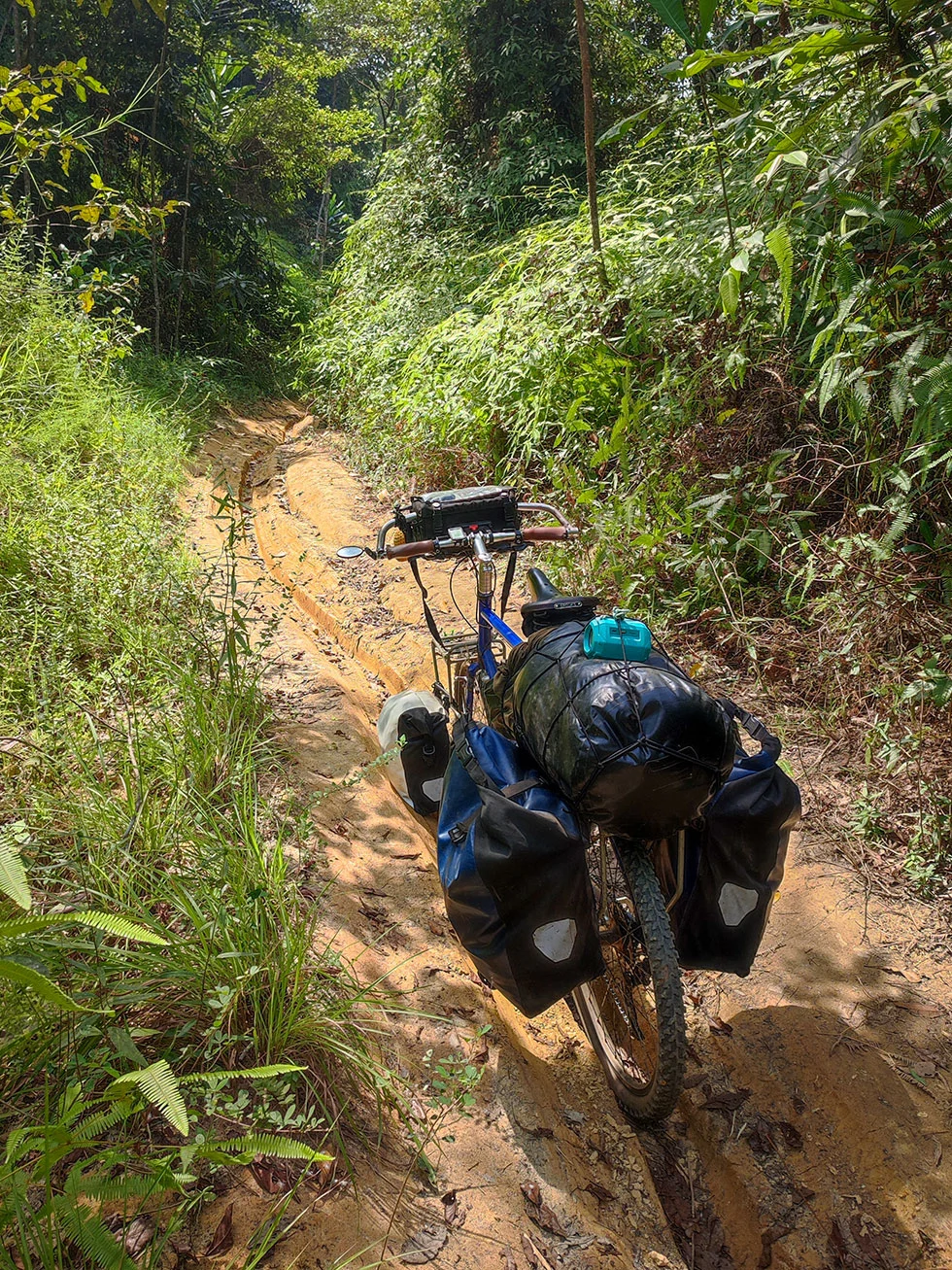
The Gola Rainforest, a transboundary landscape spanning the border of Liberia and Sierra Leone, represents one of the final remnants of the Upper Guinean Forest. Navigating this environment on a bicycle is a feat rarely attempted, and doing so self-supported—carrying the tools for survival, navigation, and documentation—requires a level of preparation that borders on the obsessive. Explorer and keynote speaker Jude Kriwald recently completed a solo crossing of this terrain, a journey that highlighted the intersection of modern technology and traditional expeditionary skill. With a total gear weight of 53 kilograms, Kriwald’s expedition serves as a case study in equipment reliability within one of the world’s most unforgiving climates.
The Geographical and Historical Context of the Gola Rainforest
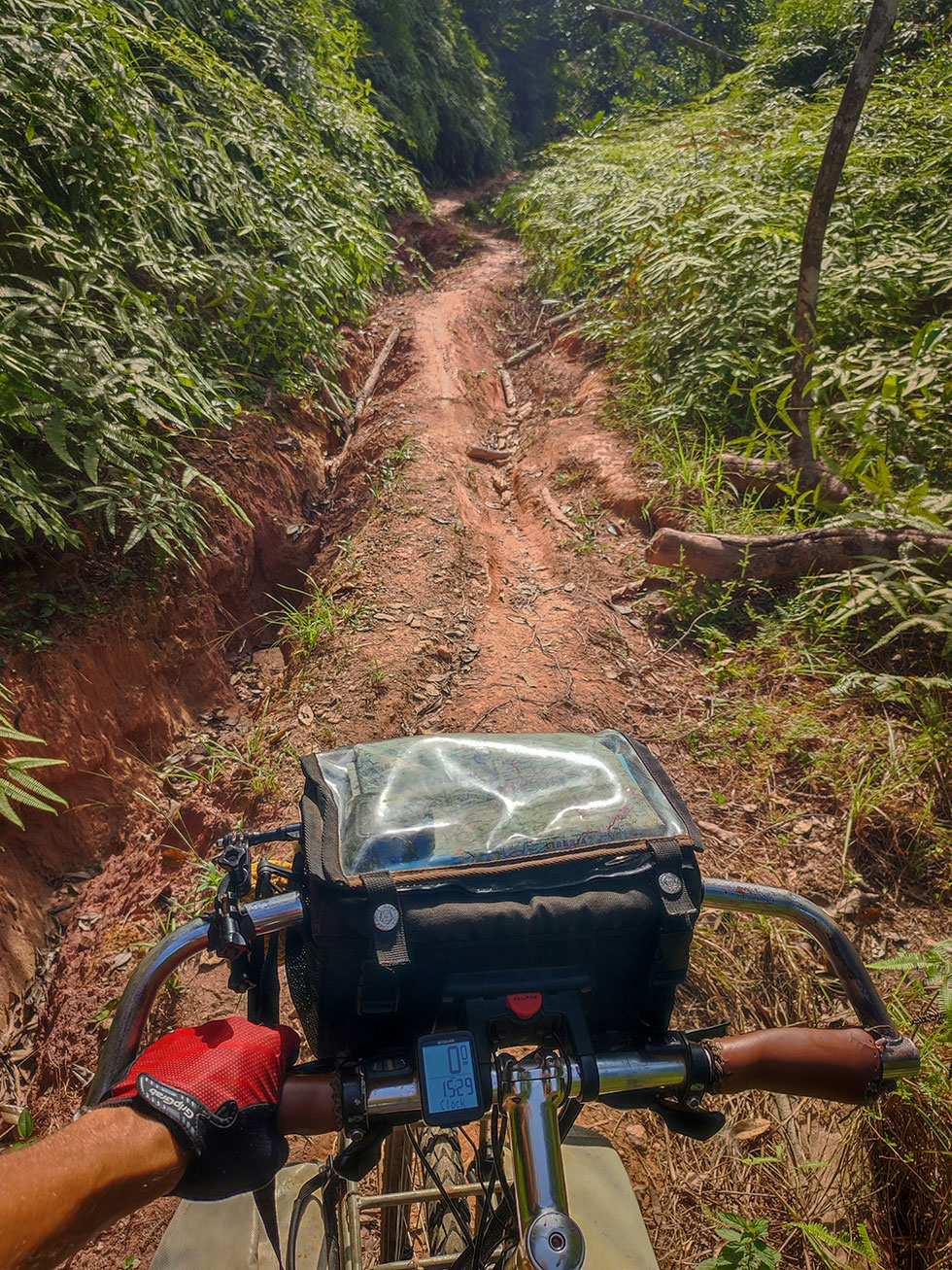
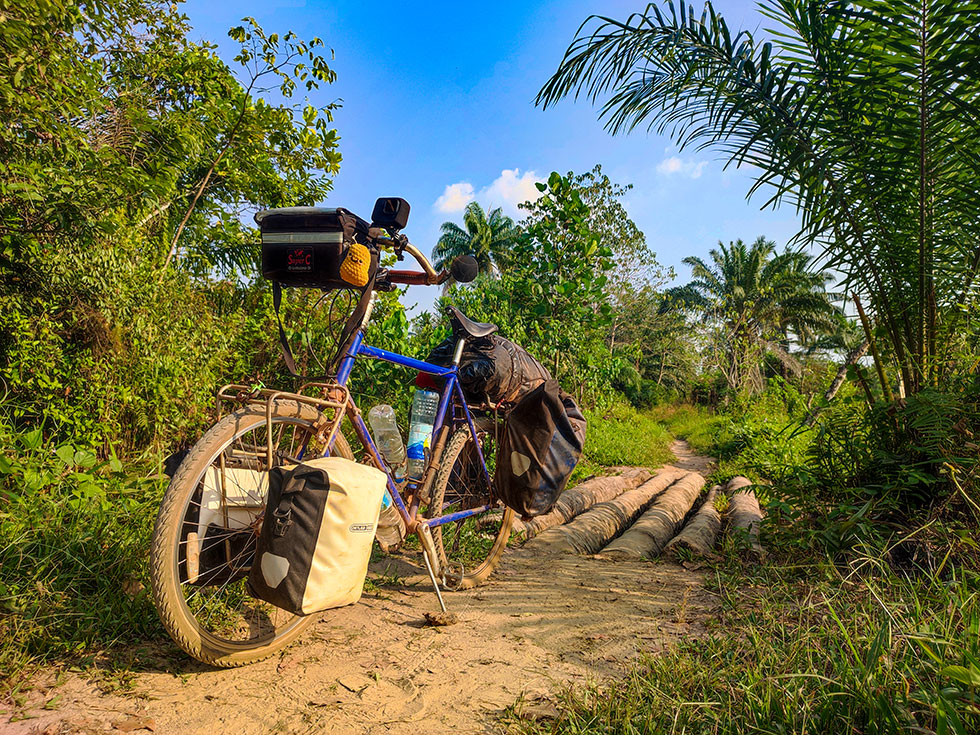
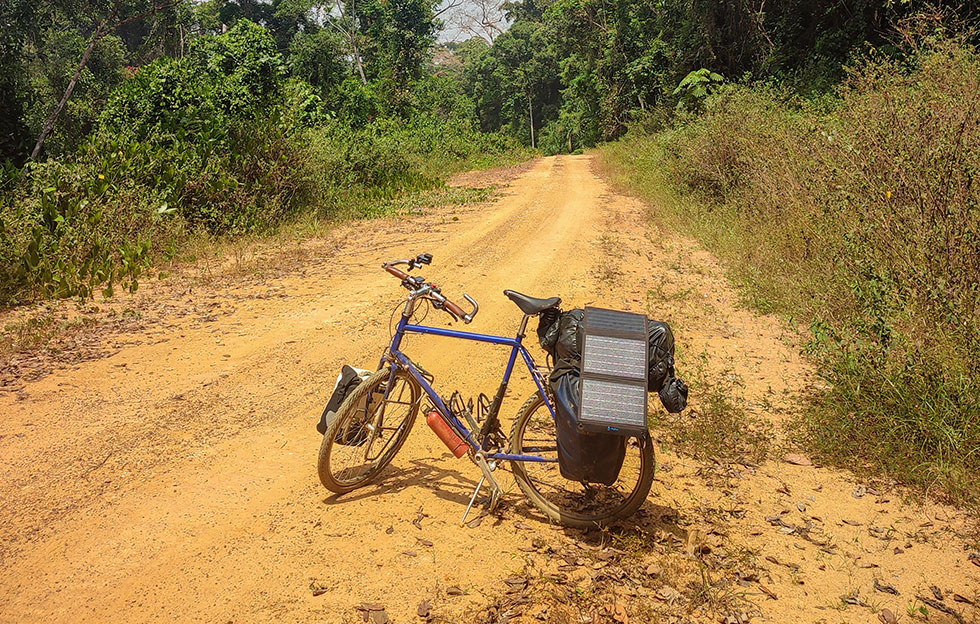
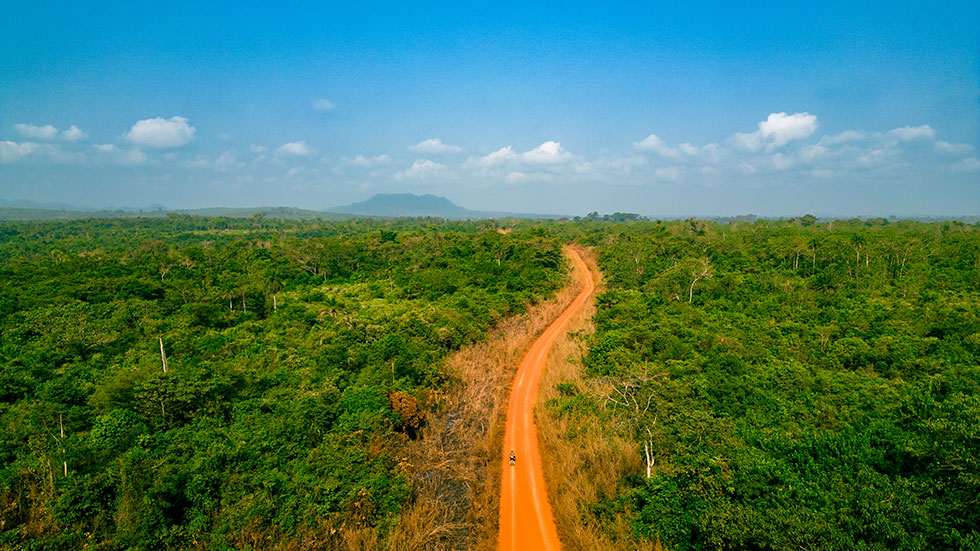
The Gola Rainforest National Park in Sierra Leone and the Gola Forest National Park in Liberia form a critical ecological corridor. This region is a "Global Biodiversity Hotspot," home to endangered species such as the pygmy hippopotamus and various rare primates. However, for the explorer, the forest presents a formidable physical barrier. The tracks through the Liberian interior were largely abandoned following the conclusion of the Second Liberian Civil War in 2003. In the intervening two decades, tropical vegetation has reclaimed the infrastructure, bridges have collapsed into riverbeds, and once-established roads have faded into ghost trails.
Navigating this terrain is complicated by the dense canopy, which often reaches heights of 30 to 40 meters. This foliage creates a "satellite desert" where GPS signals are frequently obstructed and solar power is intermittent. Furthermore, the high humidity—often exceeding 80%—and constant threat of torrential rain mean that gear failure is not a matter of "if," but "when."
Chronology of the Solo Crossing
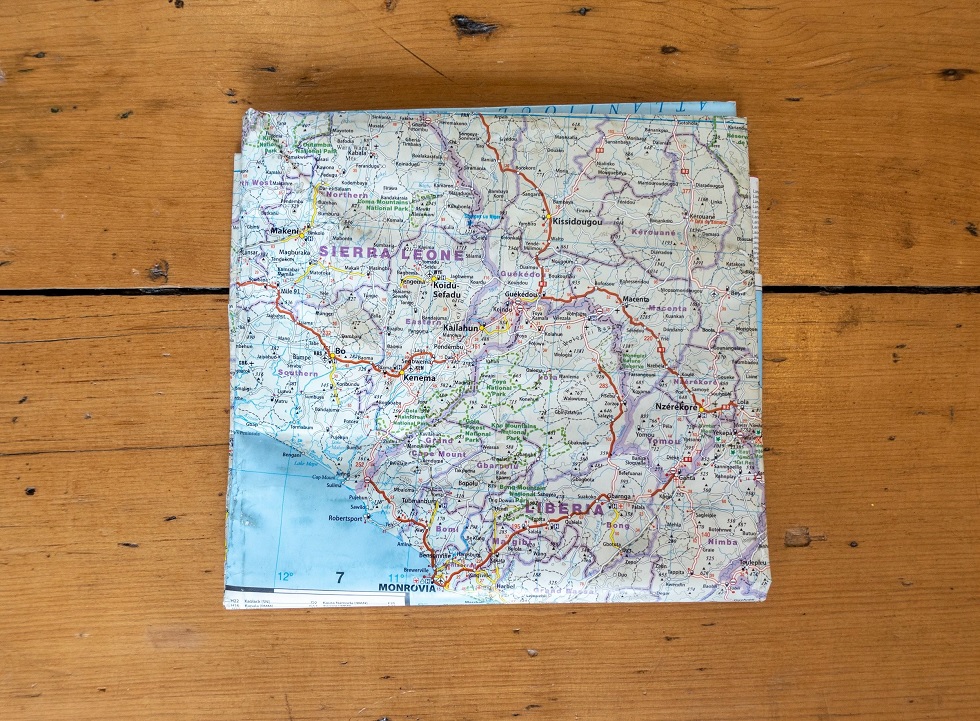
Kriwald’s expedition began with an intensive digital scouting phase. Because the Gola Rainforest is not accurately mapped in standard topographical databases, he utilized Open Street Map (OSM) data and spent hundreds of hours poring over high-resolution satellite imagery on Google Earth. The objective was to identify potential clearings and track remnants that suggested a viable, if difficult, passage.
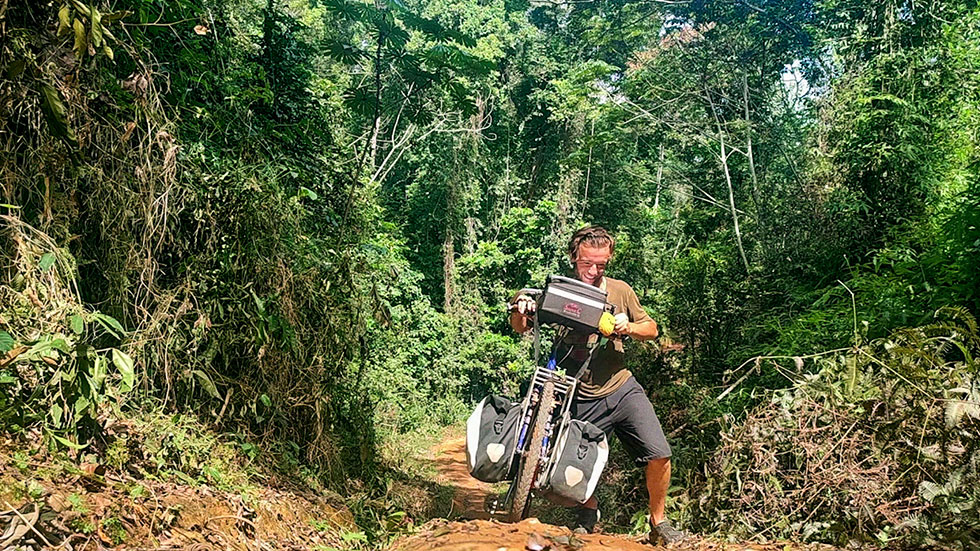
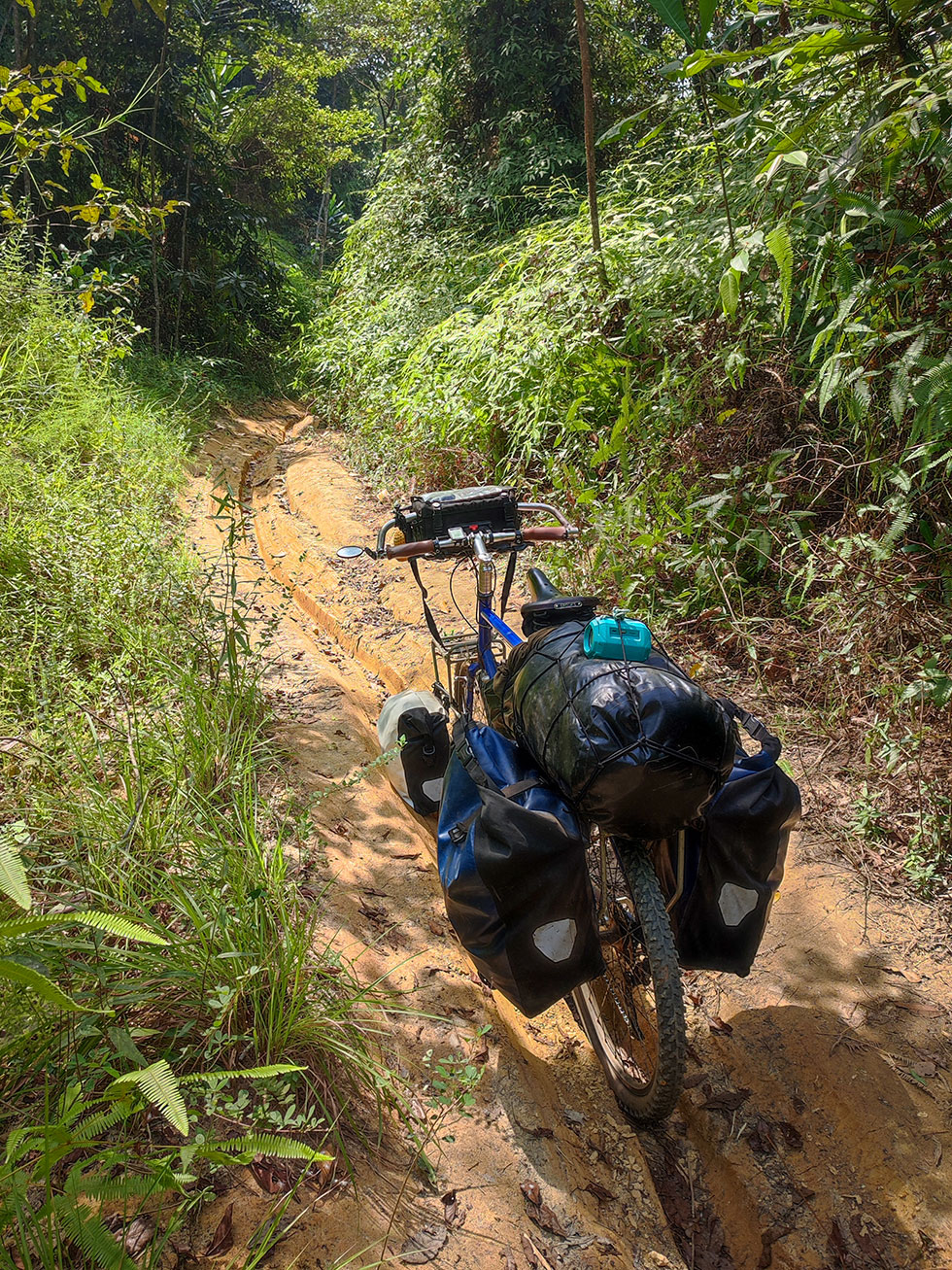
Upon entering the forest, the journey shifted from theoretical planning to physical endurance. The primary challenge was the state of the "roads." Many sections required "hike-a-bike" maneuvers, where the 53kg payload had to be pushed or carried over fallen timber and through swampy depressions. The timeline of the crossing was dictated by the sun; near the equator, light fades rapidly, leaving a narrow window for establishing a safe camp before the forest’s nocturnal insect and predator activity peaks.
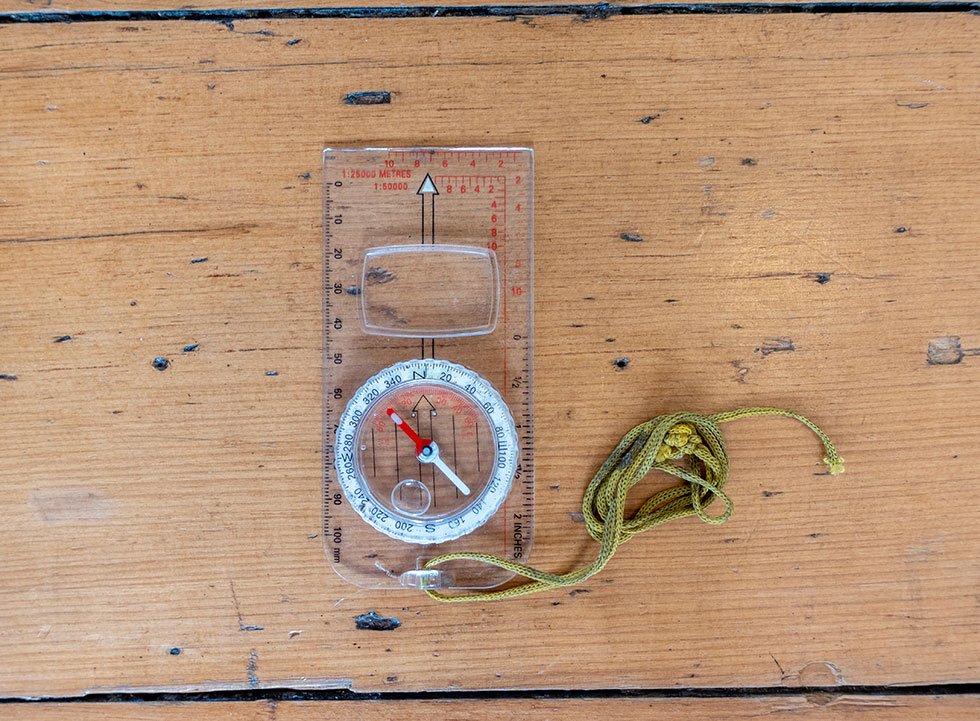
A critical juncture occurred toward the end of the crossing when the uncharted track split. With no digital data to clarify the route and the canopy blocking all sense of the sun’s position, Kriwald was forced to rely on analogue navigation tools to make a defensible decision. This moment underscored the expedition’s central philosophy: in remote environments, redundancy is the only true safety net.
Technical Analysis of the 53kg Payload
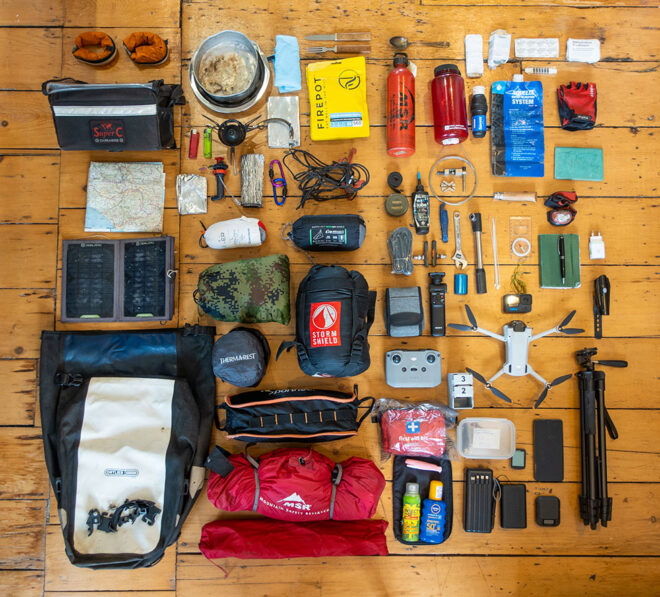
The equipment selected for the Gola crossing was chosen for durability and field-repairability rather than minimal weight. The gear can be categorized into four essential systems: storage, survival, navigation, and documentation.
Heavy-Duty Storage Systems
The foundation of the kit consisted of Ortlieb Panniers and a Roll Bag. A staple of the global cycle-touring community, these bags are constructed from high-frequency welded polyester or cordura. Their waterproof integrity is absolute, a necessity when crossing rivers where the bicycle may be partially submerged. Kriwald noted that these bags had previously survived floods in Mumbai and river crossings in Tibet, proving their worth in the humid Gola environment where piercing thorns are a constant threat to fabric integrity.
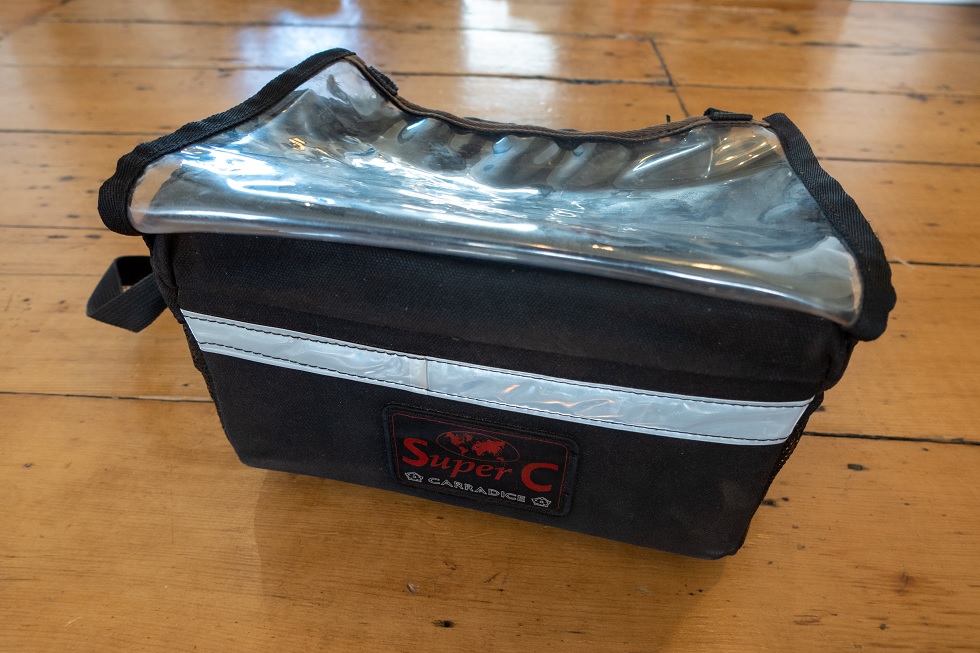
Complementing the panniers was a Carradice Super C Handlebar Bag. Acting as a "mobile office," this bag housed high-value items such as currency, passports, and GPS units. Its quick-release mechanism allowed for immediate removal, ensuring that essential valuables remained with the explorer even if the bicycle had to be momentarily abandoned.
Survival and Health Infrastructure
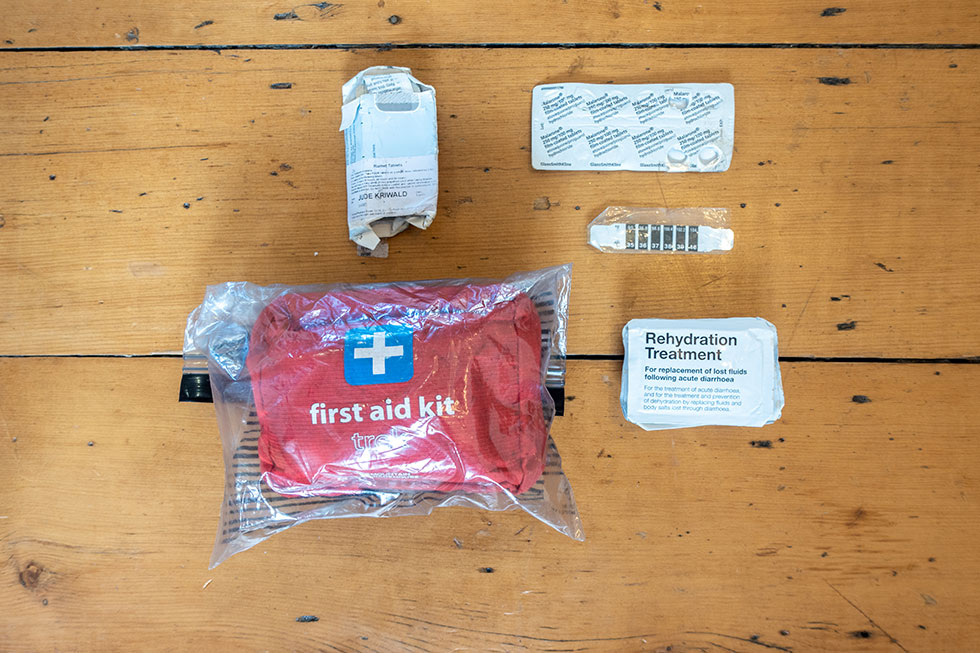
In a region where medical facilities are non-existent, the expedition’s health kit was centered on the prevention and treatment of tropical diseases. Having previously contracted malaria, typhoid, and giardia, Kriwald prioritized a malaria testing kit and a three-day course of curative drugs.
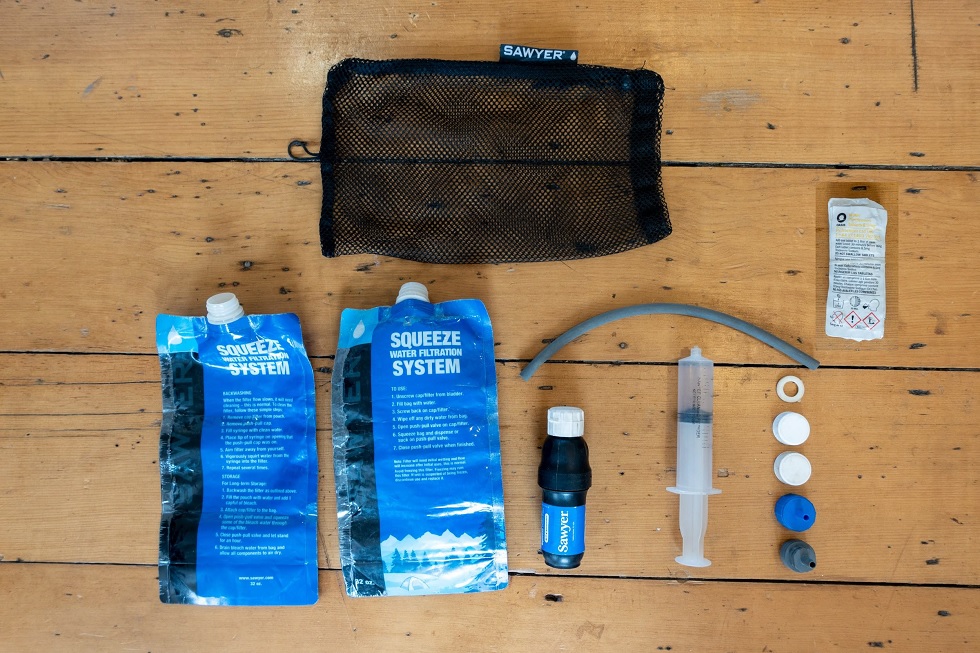
Water security was managed through a dual-layer system. A Sawyer Water Filter served as the primary tool for removing bacteria and protozoa from muddy puddles and streams. However, to combat viral threats—especially near human settlements—chemical sterilization tablets were used as a secondary treatment.
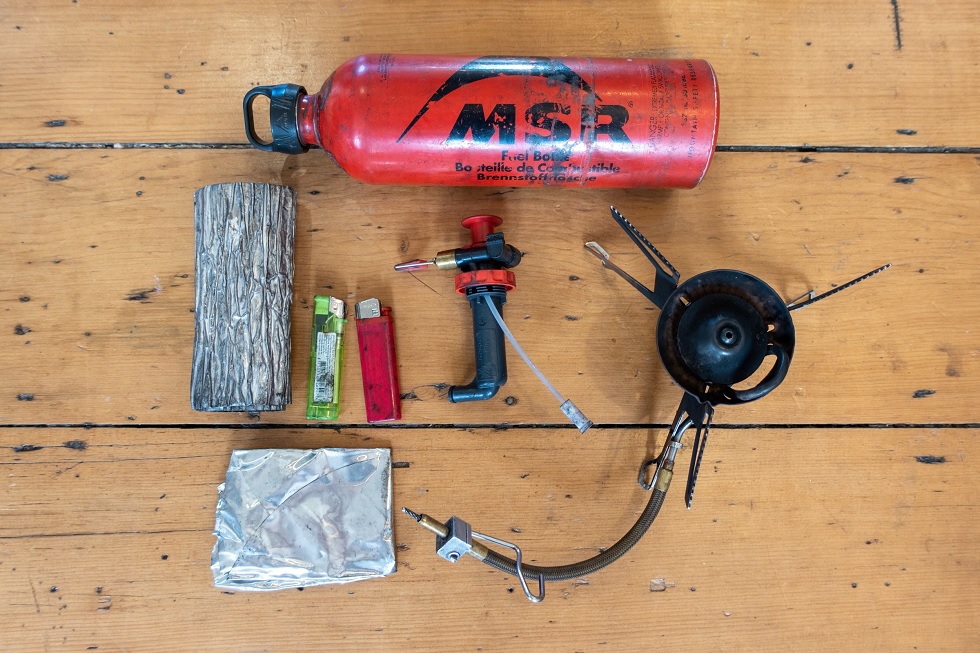
For nutrition, the MSR Whisperlite International stove was selected for its multi-fuel capabilities. In the Liberian interior, specialized camping gas is unavailable, but petrol is a ubiquitous commodity. The Whisperlite’s ability to burn petrol, diesel, or kerosene makes it the gold standard for off-grid exploration.
Sheltering in a Hostile Biome
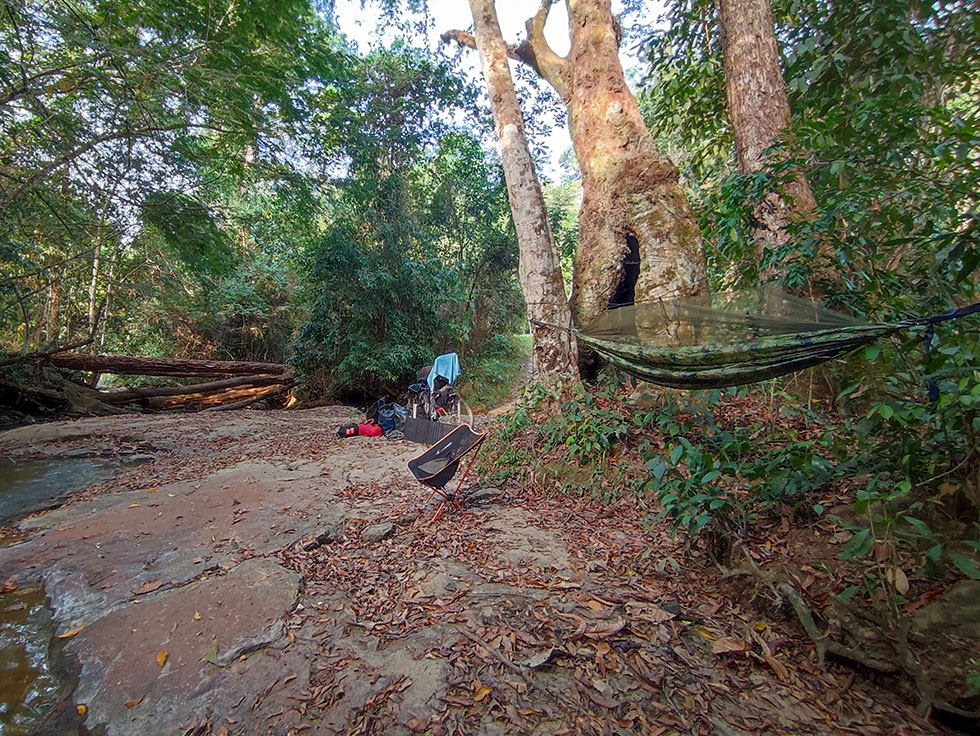
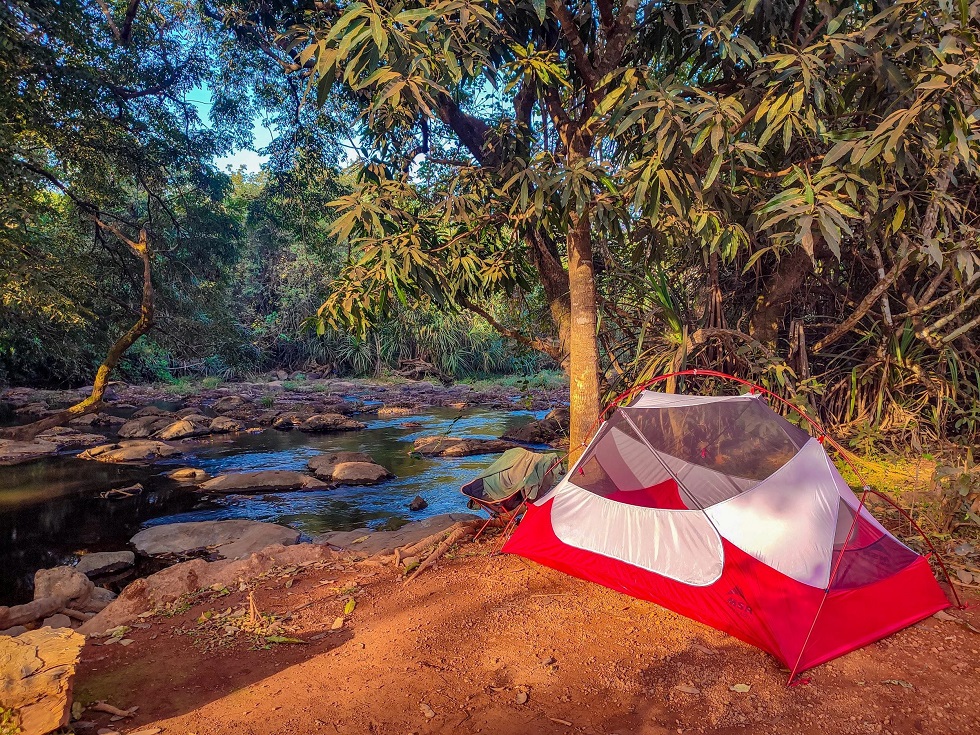
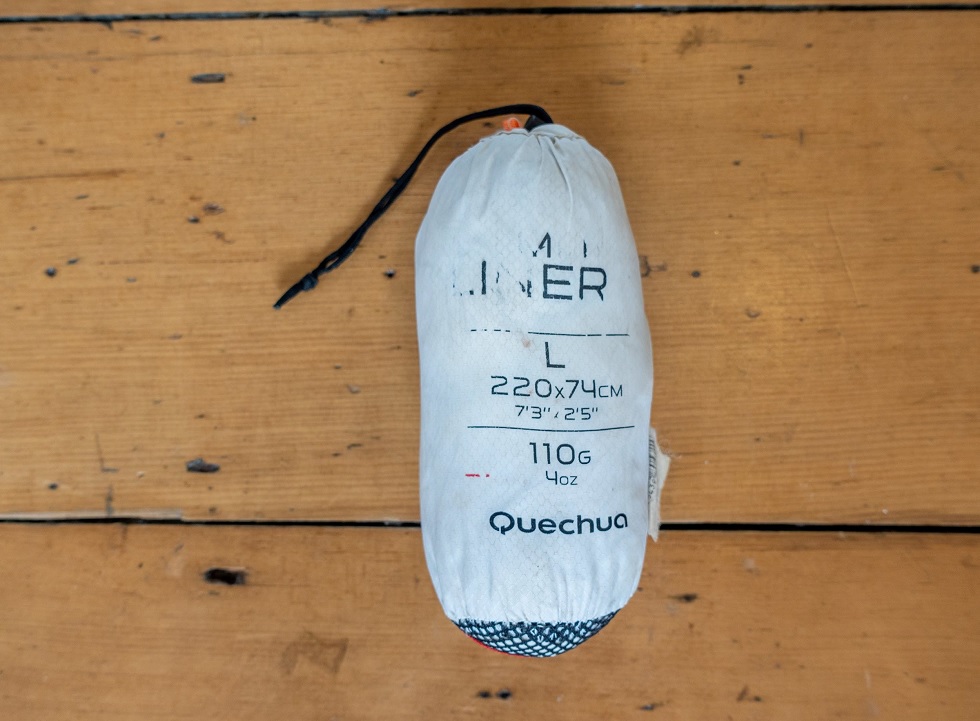
The forest floor in the Gola is a complex ecosystem of thorns, aggressive ant colonies, and standing water. To mitigate these threats, a dual-shelter system was employed. A lightweight hammock, treated with permethrin to repel mosquitoes, provided an elevated sleeping option for the densest parts of the jungle. When ground conditions allowed, an MSR Hubba Hubba 2 tent was used. The two-person capacity provided the necessary space for maintaining equipment and managing the expedition’s digital workflow.
Navigation and Power Management
The "Analogue vs. Digital" debate is settled in the jungle by the necessity of both. While OSMand (an offline map application) provided the digital framework, the lack of reliable GPS signals under the canopy made a traditional magnetic compass the most vital tool for orientation.
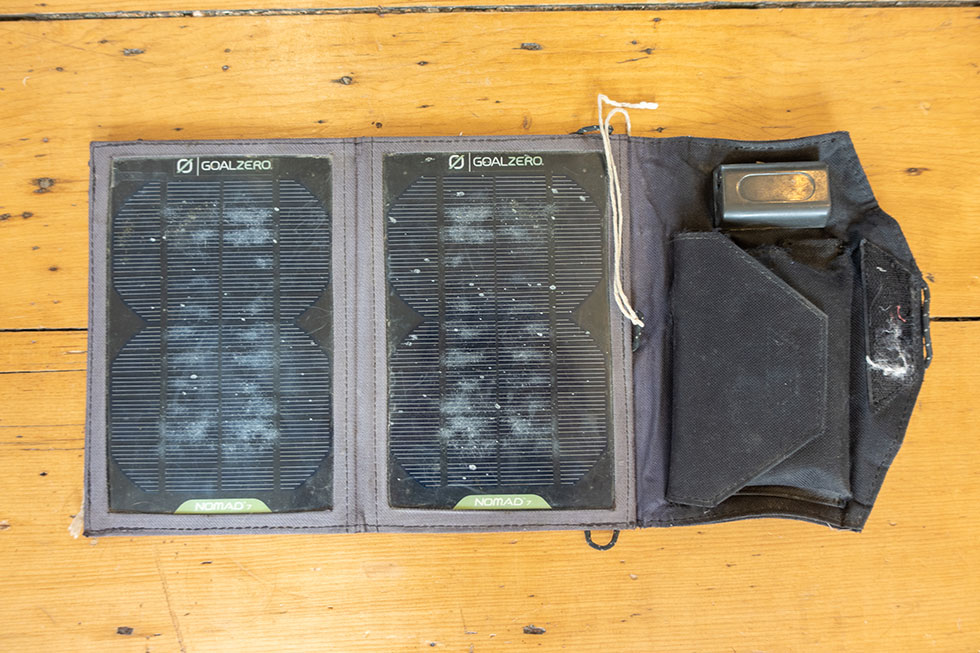
Power was maintained through a 28W solar panel and high-capacity battery packs. The panel was used to charge the battery packs during rare clearings in the canopy, which in turn charged the phone and laptop. This "buffered" charging system protects sensitive electronics from the fluctuating voltage output of solar panels.
Documentation and the Digital Workflow
For a modern explorer, the journey does not end at the forest’s edge; it must be documented. Kriwald carried a laptop and a rugged hard drive to back up daily video footage. This required an hour of work each night inside the tent, a grueling addition to a 12-hour day of physical exertion. The move toward "Analogue Adventures" is often discussed in exploration circles, but for those providing educational and keynote content, the digital payload is an inescapable necessity.
Broader Implications and Analysis
The solo crossing of the Gola Rainforest highlights several trends in modern exploration. First, it demonstrates the "democratization of mapping." Tools like Open Street Map allow individuals to contribute to and utilize data in regions that commercial mapping giants like Google often overlook.
Second, the expedition underscores the importance of "Post-Conflict Adventure Tourism." As countries like Liberia continue to stabilize, the return of explorers and researchers to these remote regions can bring international attention to conservation efforts. The Gola Rainforest is a critical carbon sink and a bastion of biodiversity; documenting its interior helps reinforce the argument for its continued protection.
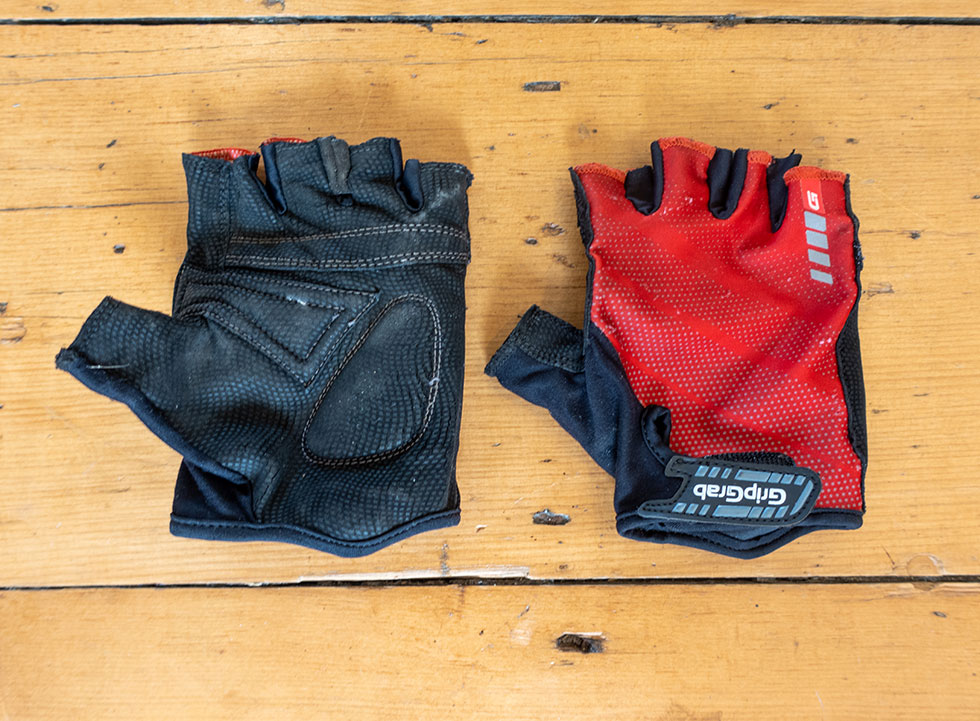
Finally, the success of the 53kg payload suggests a shift away from the "ultralight" trend in certain contexts. In the deep jungle, the weight penalty of heavy-duty panniers, multi-fuel stoves, and comprehensive medical kits is an acceptable trade-off for the increased margin of safety they provide. As Kriwald noted, the jungle exposes weak kit and poor judgment with equal speed. In such environments, over-preparation is the only rational response to the unknown.
The crossing of the Gola Rainforest remains a testament to human endurance and the strategic application of technology. It serves as a reminder that even in an age of global connectivity, there are still places where the canopy closes in, the satellites vanish, and the way forward must be carved one kilometer at a time.