The geopolitical tensions simmering in the Middle East, particularly the recent conflict involving Iran, have sent ripples across global markets, with energy prices being among the most immediately impacted. As crude oil prices continue their upward trajectory, a long-standing question resurfaces: will this volatility finally ignite a significant U.S. market for electric vehicles (EVs)? While widespread EV adoption hasn’t materialized overnight, early indicators suggest a palpable shift in consumer sentiment, with automakers reporting increased interest and sales.
A Resurgence of Interest in Electric Mobility
The persistent surge in gasoline prices, which saw the average cost for a gallon of regular cross the $4 mark at the end of March and remain elevated, is prompting American consumers to re-evaluate their transportation choices. This economic pressure is translating into a renewed focus on more cost-effective and potentially future-proof alternatives.
Hyundai Motor Company CEO José Muñoz has publicly stated that the automaker experienced a notable increase in its U.S. EV sales, jumping by an impressive 40% from February to March. Muñoz directly attributes this surge to the rising cost of fuel at the pump. "We have seen a significant change in the dynamic," he remarked during a recent interview with Bloomberg Television. "So definitely, when the American consumer sees an increase in fuel prices, they try to move to solutions which are more friendly in terms of cost, especially in states like California."
This observation aligns with broader market trends. Car-buying marketplaces such as Edmunds have reported a discernible uptick in consumer inquiries and searches for electric and hybrid vehicle options since the escalation of the conflict in the Middle East. Ingrid Malmgren, senior policy director at Plug In America, an advocacy organization for electric vehicles, echoes this sentiment. She believes that the current high gas prices are a powerful catalyst, compelling more individuals to consider EVs, as well as hybrids and plug-in hybrids.
Malmgren pointed to a recent Pew Research Center survey, which indicated that 32% of Americans are somewhat or very likely to consider an EV for their next vehicle purchase. "As they’re seeing these gas prices and paying $100 to fill up their vehicle, it’s a really strong driver," she emphasized, underscoring the direct correlation between economic pain at the gas station and interest in alternative fuel vehicles.
Hyundai’s EV Performance Amidst Market Headwinds
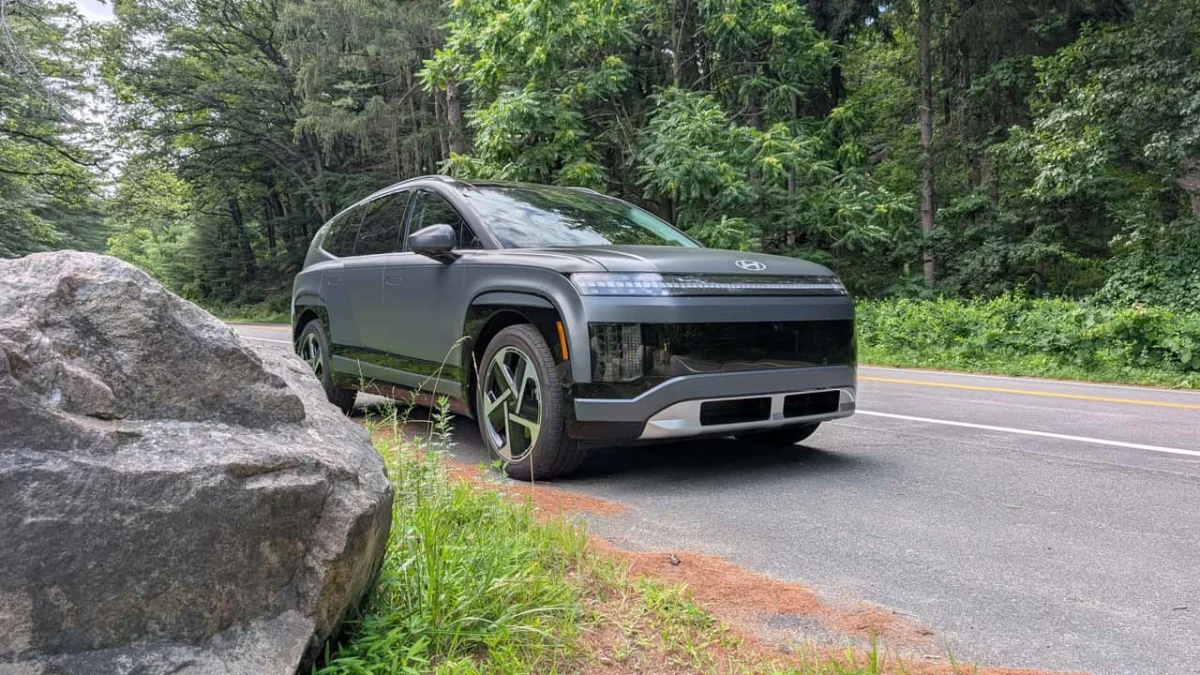
Hyundai’s performance in the EV sector offers a compelling case study. The company’s Ioniq 5 crossover saw a significant sales increase of 27% in March, reaching 4,425 units compared to February. This made the Ioniq 5 the second best-selling non-Tesla EV in the U.S. during the first quarter of 2026, trailing only the Toyota bZ. The Ioniq 9 also experienced robust growth, with sales jumping by over 40%, from 505 vehicles in February to 905 in March.
While Muñoz acknowledges that not all of Hyundai’s sales gains can be solely attributed to gas prices, he clearly views the current energy price crisis as a significant tailwind for the company’s electric vehicle strategy. This is particularly noteworthy given the broader challenges facing the U.S. EV market.
The Broader U.S. EV Market Landscape
The U.S. electric vehicle market has been navigating a complex environment. The recent expiration of certain federal tax credits and other government incentives that previously spurred demand for cleaner cars has created headwinds. Cox Automotive estimates that U.S. EV sales experienced a 27% decline in the first quarter of 2026. This overall market contraction makes Hyundai’s reported growth even more significant.
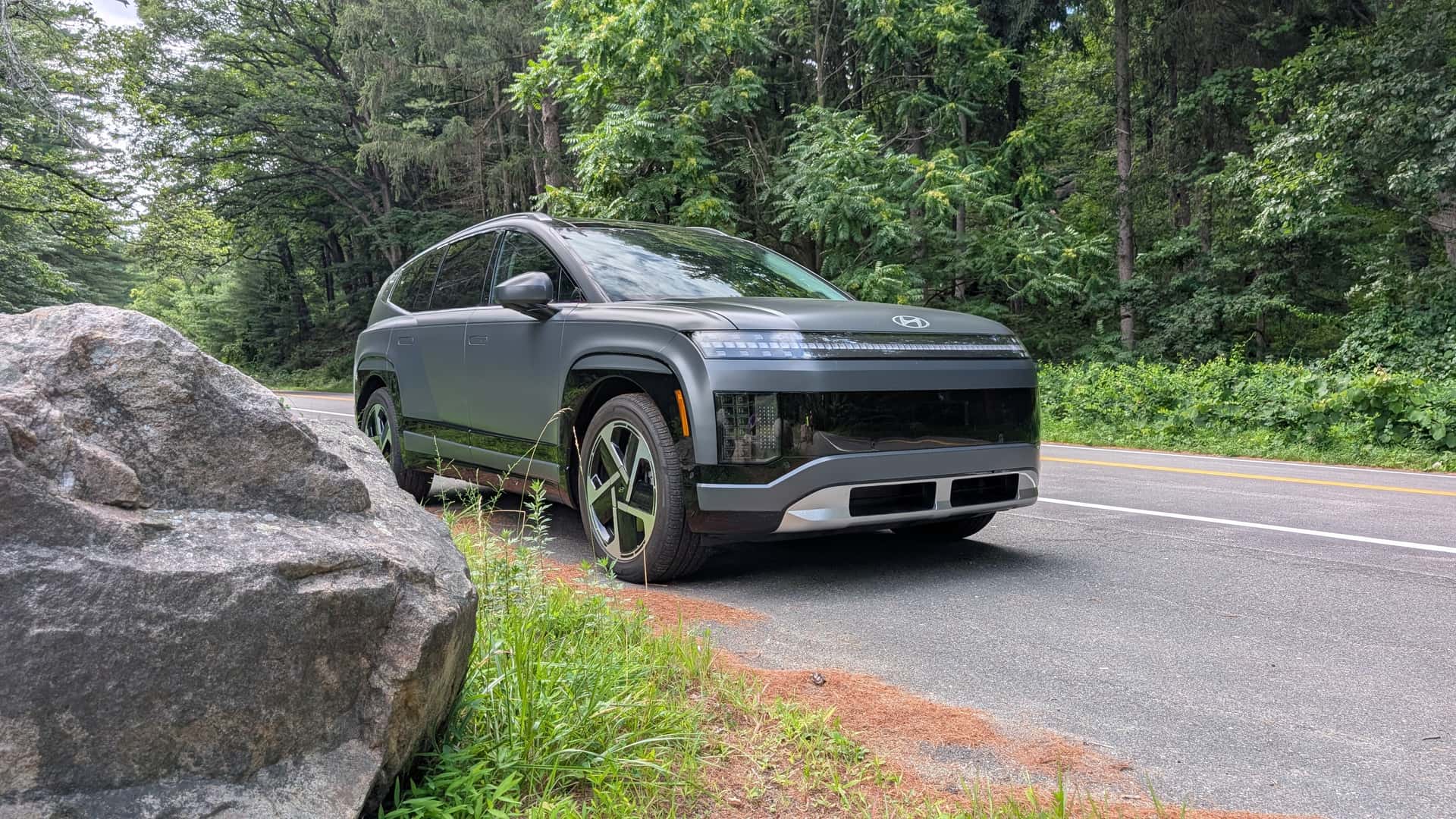
Despite the general market downturn, Hyundai has maintained a commitment to the electric vehicle segment, differentiating itself from some competitors who have scaled back their EV ambitions or shifted focus. While the company did discontinue the slow-selling Ioniq 6 sedan, it has demonstrably leaned into the hybrid market as well.
"We see the reality and the future differently" than some competitors, Muñoz stated at a recent CNBC event. He tempered expectations for a rapid EV market dominance, acknowledging that EVs are unlikely to reach the 50% or 60% market share in the U.S. by the end of the decade, as was once anticipated. However, he remains optimistic about continued EV sales growth, projecting a market share of "something like 10 to 15 percent," which he considers "good enough to commit to this technology."
Geopolitical Context and Energy Market Impact
The current surge in gas prices is intrinsically linked to the escalating geopolitical situation involving Iran. The Strait of Hormuz, a critical chokepoint for global oil transport, is a focal point of this tension. Approximately a quarter of the world’s oil supply typically transits through this waterway. The disruption or threat of disruption to this vital artery has sent shockwaves through the energy markets, leading to increased uncertainty and price volatility.
The International Energy Agency (IEA) has characterized the conflict and its implications for global energy security as "the largest energy crisis we have ever faced." This stark assessment underscores the potential for prolonged periods of elevated energy costs, which could further amplify the appeal of electric vehicles and other fuel-efficient transportation solutions.
Analysis of Implications and Future Outlook
The current surge in EV interest, driven by high gasoline prices, presents a critical opportunity for both automakers and policymakers. For manufacturers like Hyundai, it validates their investment in electric and hybrid technologies and provides a much-needed boost in a challenging market. The increased demand could incentivize further investment in battery production, charging infrastructure, and the development of more affordable EV models.
However, the sustainability of this trend hinges on several factors. The duration and severity of the geopolitical conflict and its impact on global oil supply will play a crucial role. If oil prices remain elevated for an extended period, the economic case for EVs will become increasingly compelling for a wider segment of the population.
Furthermore, the availability of charging infrastructure and the overall cost of EV ownership, including purchase price and potential battery replacement costs, remain important considerations for consumers. Continued government support, through incentives or investments in charging networks, could further accelerate the transition to electric mobility.
The recent Pew survey data, suggesting a significant portion of Americans are open to considering EVs, indicates a fertile ground for growth. The immediate impact of high gas prices acts as a powerful, albeit potentially temporary, catalyst. The long-term success of the EV market will depend on a confluence of factors, including technological advancements, infrastructure development, and sustained consumer demand, which is now being significantly influenced by the volatile global energy landscape. The current geopolitical climate, while concerning, may inadvertently accelerate the adoption of cleaner transportation technologies in the United States, reshaping the automotive market for years to come.