Dell Technologies, a long-standing titan in the personal computing industry, is charting a new course for its laptop portfolio in 2025, marked by a significant rebranding initiative and a continued commitment to innovation across various market segments. From its memorable "Dude, you’re getting a Dell" campaigns of the early 2000s to its consistent presence on "best of" lists, Dell has maintained a solid reputation since its first laptop debuted in 1989. This year, the company is not only introducing new hardware but also streamlining its product nomenclature to align more closely with market leaders like Apple, a move aimed at simplifying consumer choices while reinforcing its tiered offerings.
Dell’s Enduring Legacy and Market Position
For decades, Dell has been synonymous with reliable and accessible computing. Its iconic XPS series, celebrated for its premium design and performance, has consistently been a benchmark in the industry. Beyond the high-end, Dell’s extensive range has ensured its inclusion in virtually every major laptop category, from budget-friendly options to powerful gaming rigs and long-lasting productivity machines. This broad appeal has cemented Dell’s position as a dominant force in the global PC market, often vying with competitors like HP and Lenovo for top market share. The company’s ability to innovate while catering to diverse user needs has been a cornerstone of its success. As the tech landscape continues to shift with the rise of AI-powered devices and ARM-based processors, Dell’s strategic adjustments are crucial for maintaining its competitive edge.

A Strategic Rebrand: Dell’s 2025 Naming Convention
In a pivotal announcement in January 2025, Dell unveiled a comprehensive overhaul of its laptop naming conventions, a move designed to simplify its extensive product lines and make them more intuitive for consumers. This strategic rebranding sees familiar names like Inspiron, XPS, Latitude, and Precision phased out, replaced by a streamlined, Apple-esque tiered system: Dell, Dell Plus, Dell Premium, Dell Pro, and Dell Pro Max.
The entry-level and mainstream consumer lines, previously known as Inspiron and Inspiron Plus, will now simply be "Dell" and "Dell Plus." These models are expected to continue offering excellent value for everyday tasks such as web browsing, basic productivity, and media consumption, typically starting below the $1,000 mark. The premium consumer segment, formerly the highly acclaimed XPS series, is now designated "Dell Premium." These laptops are positioned to compete directly with high-end devices like Apple’s MacBooks, offering superior design, advanced features, and robust performance, with configurations ranging from just under $1,000 to over $3,000.
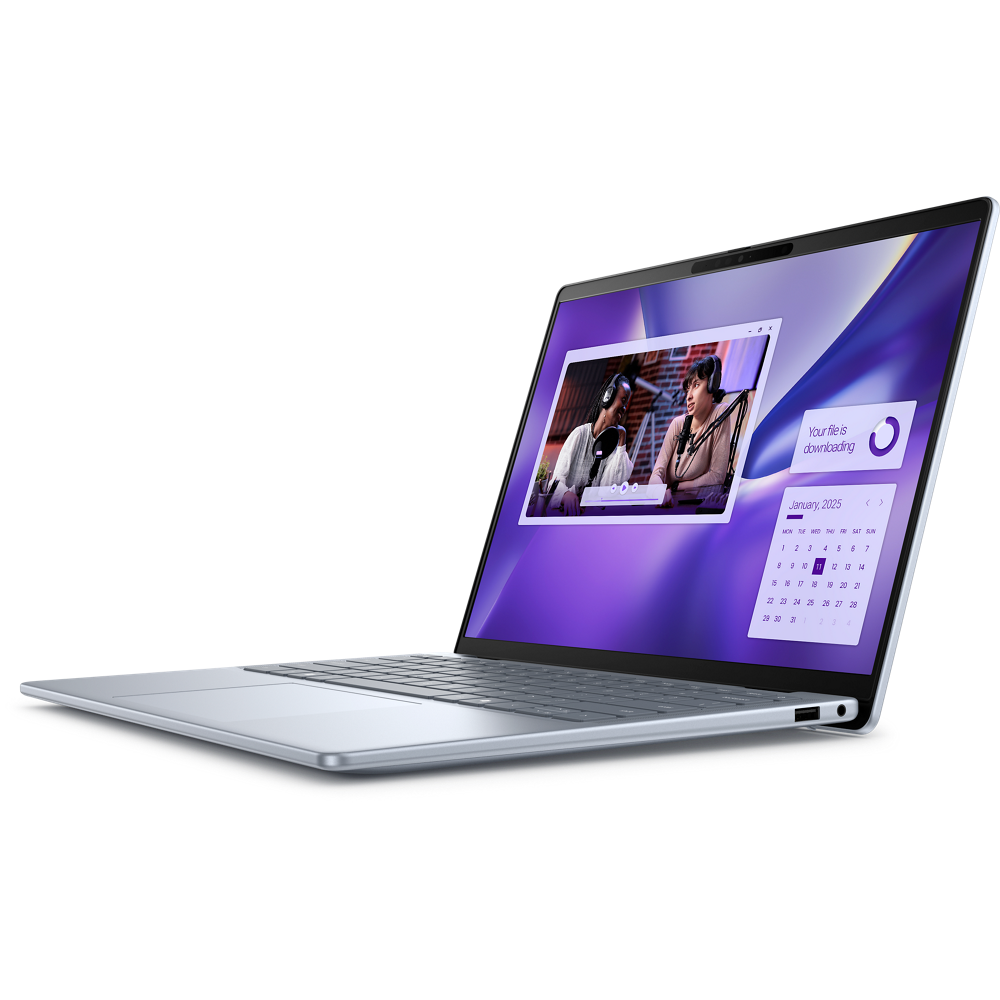
For its business and workstation-class laptops, Dell has introduced a more granular tiered system. The Latitude series, a staple in enterprise environments, transitions to "Dell Pro," with further differentiation into "Dell Pro," "Dell Pro Plus," and "Dell Pro Premium." This allows businesses to select devices tailored to specific performance and quality requirements, from essential office tasks to more demanding corporate applications, with prices ranging from around $500 to $2,500. Finally, the high-performance Precision workstations are now "Dell Pro Max," also segmented into "Dell Pro Max," "Dell Pro Max Plus," and "Dell Pro Max Premium." These top-tier machines are engineered for professionals requiring extreme processing power for tasks like 3D rendering, complex simulations, and 4K/8K video editing, with price points extending from approximately $1,300 to $4,000. This rebrand signals Dell’s intent to create a clearer, more understandable hierarchy for its products, potentially easing the purchasing decision for both individual consumers and corporate clients.
Flagship Offerings: Performance and Innovation in 2025
Dell’s 2025 lineup showcases a diverse array of laptops, each tailored to specific user needs, demonstrating the company’s commitment to balancing performance, battery life, and display quality across its new tiers. Laptop Mag’s recent reviews highlight several standout models:
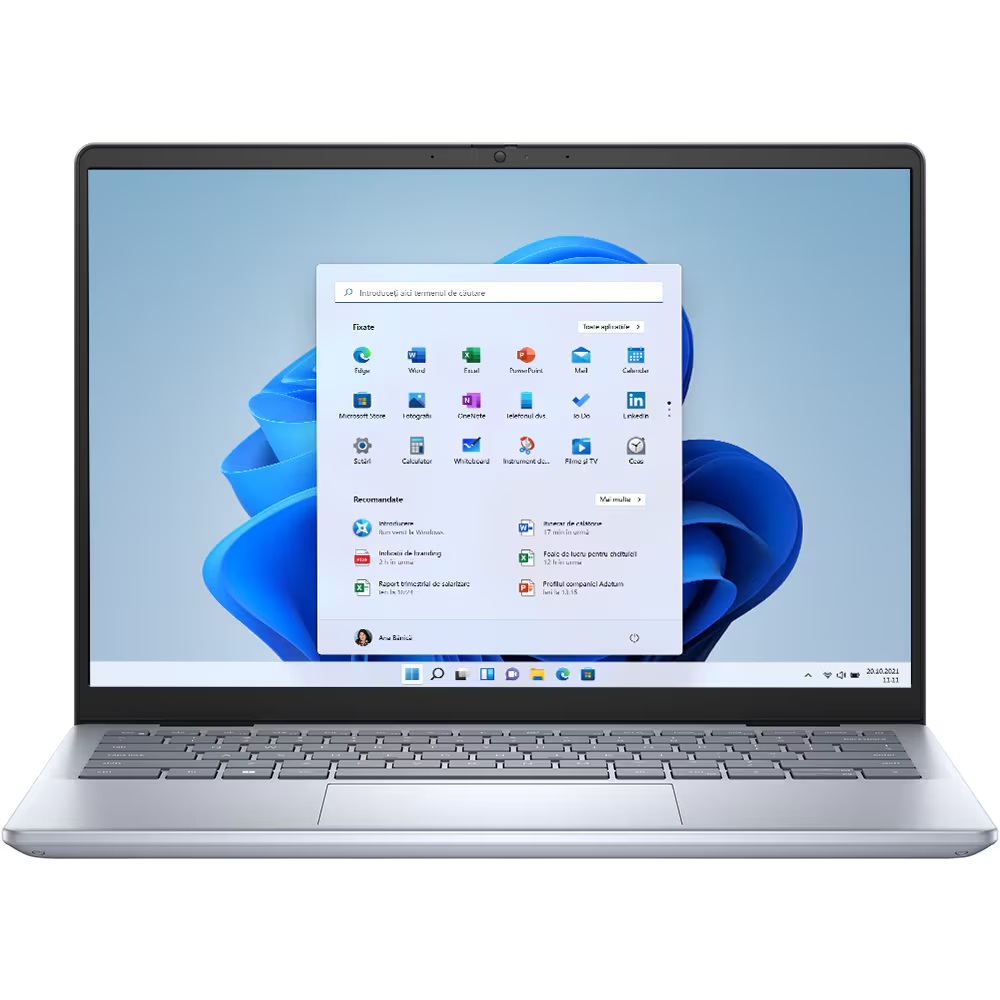
Best for Most Users: Dell Inspiron 14 Plus (7441) – Now Dell Plus (Qualcomm Snapdragon X Plus)
The Dell Inspiron 14 Plus (7441), now likely positioned as a Dell Plus model, emerges as a top recommendation for its balanced attributes and affordability. Powered by the Snapdragon X Plus X1P-64-100 processor, this ARM-based laptop delivers impressive multitasking performance, often outperforming its Intel and Apple counterparts in its class. In Geekbench 6 multicore tests, it scored 13,281, surpassing the average premium laptop score by 22% and even exceeding the MacBook Air M3 (12,087) by 9%. Its 512GB SSD also boasts swift transfer speeds of 1,510 MBps, 14% faster than the segment average. A crucial highlight is its exceptional battery life, lasting a remarkable 18 hours and 20 minutes in web surfing tests, significantly beyond the 13-hour, 23-minute average. Furthermore, its thermal management keeps the chassis cool, making it comfortable for extended use. While its display, covering 69.1% of the DCI-P3 gamut, falls short on color vibrancy compared to rivals like the Asus Zenbook 14 (79.8%), its brightness of 470 nits ensures good visibility. This model represents Dell’s strong entry into the ARM-powered Windows laptop market, offering a compelling blend of speed, endurance, and comfort for remote workers and general users.
Budget-Friendly Excellence: Dell Inspiron 14 Plus (7440) – Now Dell Plus (Intel Meteor Lake)
Positioned as an excellent budget option, the Dell Inspiron 14 Plus (7440), another Dell Plus contender, proves that "last-gen" Intel chips still pack a punch. Equipped with an Intel Core Ultra 7 155H processor, it achieved a Geekbench 6 multicore score of 12,729, outperforming the premium laptop average by 9% and the MacBook Pro M3 (11,968) by 6%. Its integrated Intel Arc graphics provide a notable advantage over ARM competitors, achieving a playable 34 frames per second in Sid Meier’s Civilization VI: Gathering Storm (1080p, Medium), significantly better than the Snapdragon Inspiron’s 21 fps. The laptop also offers commendable battery life at 15 hours and 6 minutes, surpassing the premium laptop average. However, its display, similar to its Snapdragon sibling, offers limited DCI-P3 color gamut coverage (68.4%) and a moderate brightness of 367 nits. A notable drawback is its higher thermal output, reaching 108 degrees on the underside, and the presence of only one USB-C port, a potential limitation in a modern accessory ecosystem. Despite these minor issues, its robust performance, graphics capabilities, and impressive battery life make it a strong value proposition for users seeking power under $1,000.
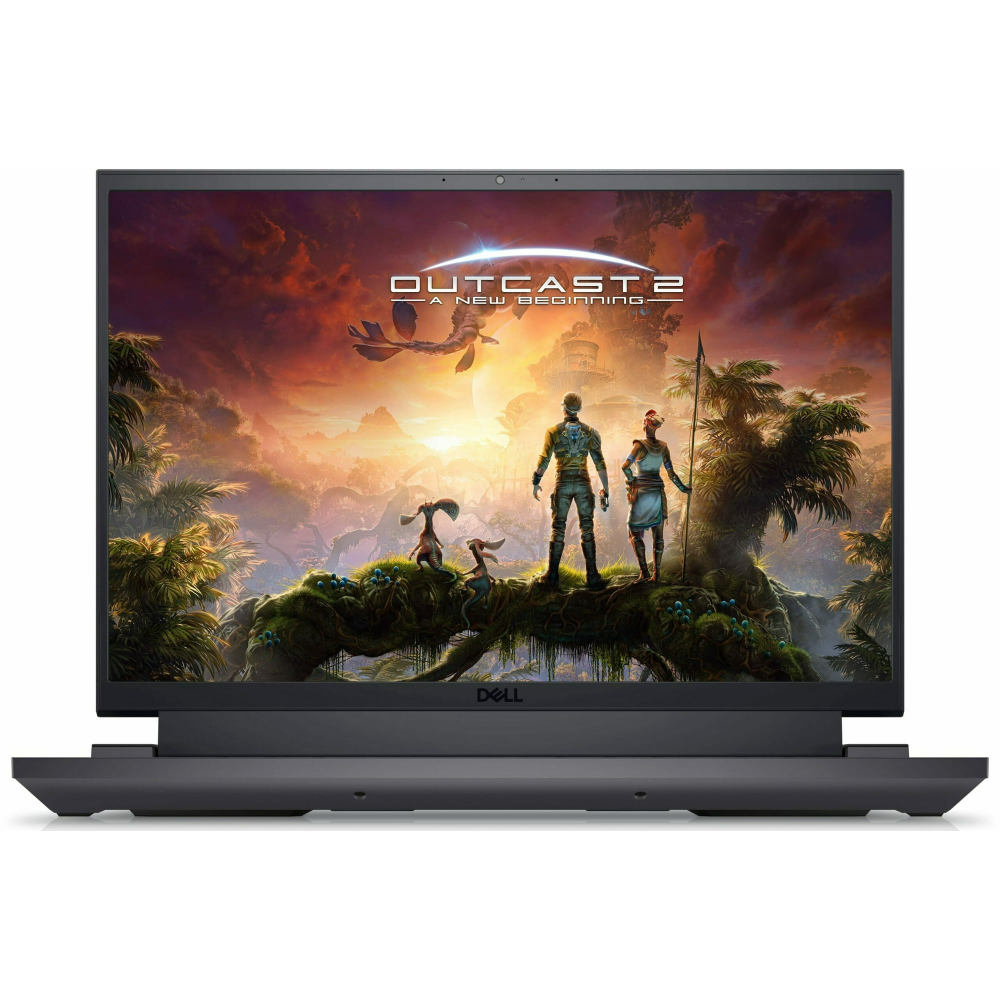
Gaming Prowess on a Budget: Dell G16 (7630)
In a market where budget gaming laptops are becoming scarce, the Dell G16 (7630) stands out as an exceptional offering, priced under $1,000. This model, likely continuing under its current nomenclature or integrated into a new gaming sub-brand, impressed reviewers with its powerful performance and high-end features. Equipped with an Intel Core i7-1365HX CPU and an Nvidia GeForce RTX 4060 GPU, it delivered strong gaming benchmarks, achieving 33 fps in Cyberpunk 2077 (1080p, Ultra) and 88 fps in Assassin’s Creed Mirage (1080p, Ultra), competitive with other RTX 4060 laptops. The 16-inch, 2560 x 1600, 240Hz IPS display is a highlight, boasting an impressive 114% DCI-P3 color gamut coverage, far exceeding the budget gaming laptop average of 79.1%. While its brightness of 310 nits is only average, its vibrant colors elevate the gaming experience. A unique feature for its price point is the inclusion of a Cherry MX tactile mechanical keyboard, offering superior typing and gaming feedback. Battery life for a gaming laptop is decent at 5 hours and 4 minutes. The primary drawbacks are a tiny touchpad and hollow-sounding speakers, though these are often mitigated by external peripherals favored by gamers. The Dell G16 represents a rare and compelling option for gamers seeking high performance without breaking the bank.
Visual Brilliance: Dell XPS 13 OLED (Intel Lunar Lake) – Now Dell Premium
The Dell XPS 13 OLED, now a Dell Premium model, continues the series’ legacy of innovation, particularly with its stunning display. While the minimalist design, "touch bar," and "invisible" trackpad have garnered mixed reactions, the optional OLED panel is universally praised. Featuring an Intel Core Ultra 7 258V processor and Intel Arc integrated graphics, it offers solid performance and respectable gaming capabilities, averaging 53 fps in Sid Meier’s Civilization VI: Gathering Storm (1080p, Medium). The 13.4-inch 3K (2880 x 1800) Tandem OLED display covers an extraordinary 144.60% of the DCI-P3 color gamut, significantly outclassing its IPS counterpart (69.9%) and rivals like the MacBook Air M3 (77.8%). Peak brightness for the OLED panel reaches 377 nits, sufficient for most indoor conditions. The laptop maintains its characteristic thin and light form factor at 0.6 inches thick and 2.6 pounds. However, the power-hungry OLED panel results in a reduced battery life of 8 hours and 40 minutes, considerably less than the non-OLED model’s 18 hours and 43 minutes and the premium laptop average. The compact keyboard and limited two USB-C ports are also potential considerations for some users. This XPS 13 variant is ideal for creative professionals and users who prioritize an exceptional visual experience above all else.
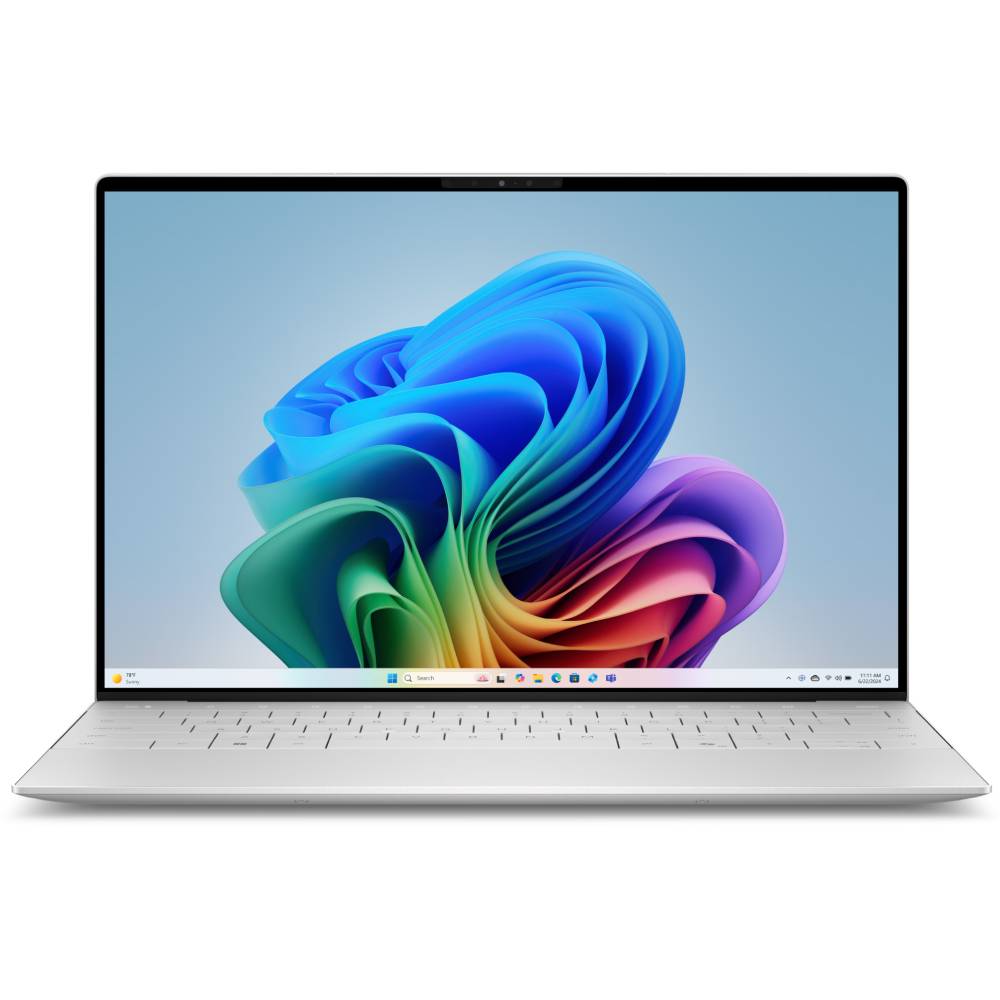
Enduring Power: Dell XPS 13 (Qualcomm Snapdragon X Elite) – Now Dell Premium
For users whose primary concern is battery longevity, the Dell XPS 13 (9345) with the Qualcomm Snapdragon X Elite X1E-80-100 processor sets a new standard. This Dell Premium model boasts an astonishing battery life of 20 hours and 51 minutes after a BIOS update, an improvement from an already impressive 19 hours and 1 minute. This remarkable endurance far exceeds the average premium laptop (13:23) and even outlasts the MacBook Air M3 (15:13), placing it in an elite category alongside dedicated workstations like the Lenovo ThinkBook 16 Gen 7 (21:02). Beyond battery, its Snapdragon X Elite processor delivers potent multicore performance, scoring 14,635 in Geekbench 6, making it 29% faster than the average premium laptop and notably quicker than the MacBook Air M3 (12,087). The laptop’s svelte design and bright 13.4-inch, 1920 x 1200, 120Hz display (456 nits) further enhance its appeal. However, a significant compromise is its display’s poor color accuracy, covering only 66.9% of the DCI-P3 gamut, which is 20% lower than the premium laptop average. Reviewers noted washed-out colors and terrible contrast during media playback. Like the OLED variant, it features a cramped keyboard and only two USB-C ports. Despite the display’s shortcomings, the unparalleled battery life and strong performance make this XPS 13 a compelling choice for road warriors and heavy multitaskers.
Deep Dive into Key Technologies and Benchmark Analysis
Dell’s 2025 lineup showcases a significant embrace of ARM-based processors from Qualcomm (Snapdragon X Plus and X Elite) alongside Intel’s latest offerings (Meteor Lake and Lunar Lake). This dual-platform strategy reflects a broader industry trend toward diversifying processor architectures to optimize for specific performance and efficiency goals.
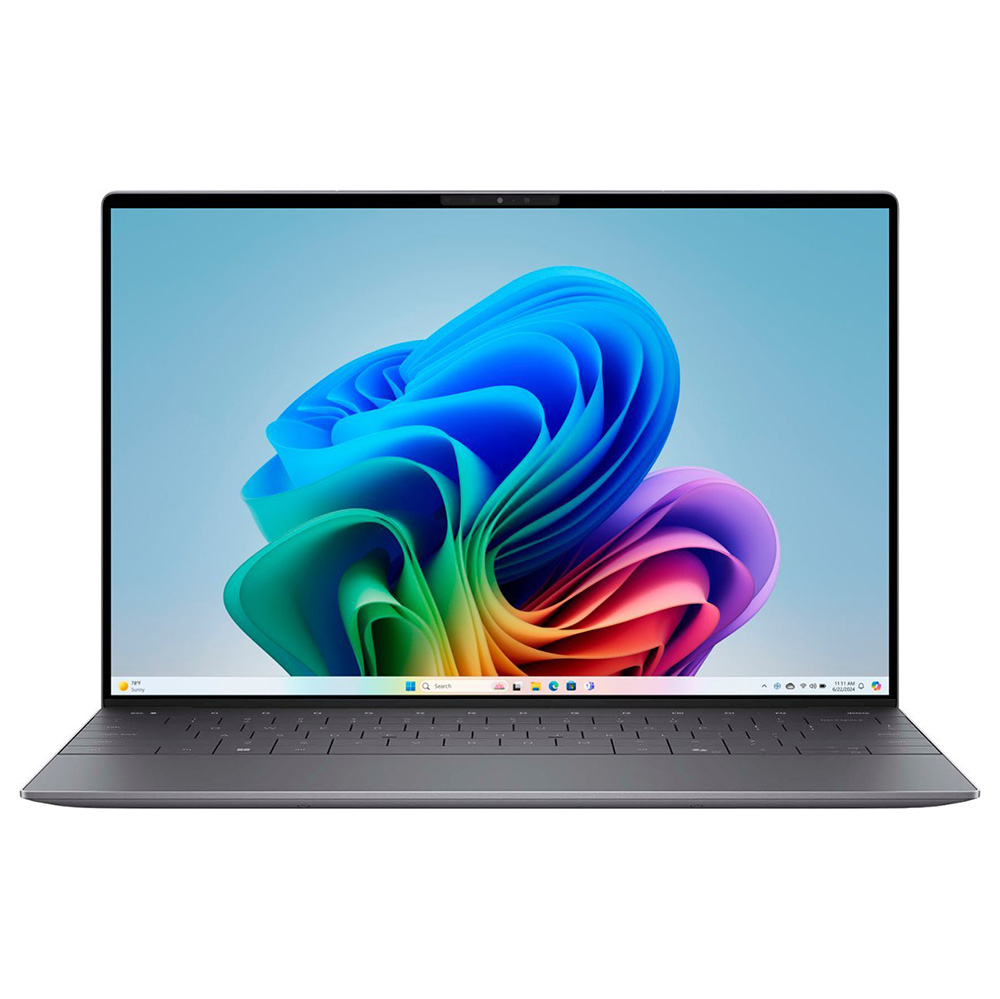
- Processor Performance (Geekbench 6): The Snapdragon X Elite in the XPS 13 (14,635) and Snapdragon X Plus in the Inspiron 14 Plus (13,281) demonstrate exceptional multicore performance, often surpassing Intel’s Meteor Lake (Inspiron 14 Plus, 12,729) and Lunar Lake (XPS 13 OLED, 11,033) in general productivity benchmarks. This highlights ARM’s efficiency in handling diverse workloads. The gaming-focused Dell G16 with its Intel Core i7-1365HX scored 11,209, a strong showing for its category.
- Video Encoding (Handbrake): Intel’s processors generally maintain an edge in intensive tasks like video transcoding. The Dell G16 (4:19) and XPS 13 (Snapdragon X Elite, 4:41) performed best, while the Intel Meteor Lake Inspiron (5:02) also did well. The Intel Lunar Lake XPS 13 OLED lagged at 8:28, indicating optimization differences.
- Storage Speed (SSD Transfer): All Dell models reviewed exhibit strong SSD performance, crucial for fast boot times and application loading. The Dell G16 led with 1719 MBps, closely followed by the Intel Meteor Lake Inspiron (1618.3 MBps) and the Snapdragon Inspiron (1510 MBps).
- Battery Life (Web Surfing): This is where ARM-based Snapdragon processors truly shine. The XPS 13 (Snapdragon X Elite) set a record at 20 hours and 51 minutes, with the Inspiron 14 Plus (Snapdragon X Plus) also delivering an outstanding 18 hours and 20 minutes. The Intel Meteor Lake Inspiron offered a robust 15 hours and 6 minutes, while the XPS 13 OLED’s powerful display reduced its endurance to 8 hours and 40 minutes, and the gaming-focused G16 managed 5 hours and 4 minutes.
- Display Quality (DCI-P3 Gamut & Brightness): Dell offers a spectrum of display quality. The XPS 13 OLED stands out with a remarkable 144.6% DCI-P3 coverage, making it ideal for color-critical work. The G16’s IPS panel also impresses with 114%. However, the non-OLED XPS 13 (Snapdragon) and both Inspiron models show more limited color reproduction (66.9% to 69.1%). Brightness levels are generally good across the board, with the Snapdragon Inspiron (470 nits) and XPS 13 (Snapdragon, 456 nits) leading, ensuring good outdoor visibility, while the G16 (310 nits) is more modest.
- Thermal Management: The Snapdragon-powered Inspiron 14 Plus maintained excellent cool temperatures (88 degrees). In contrast, the Intel-powered Inspiron 14 Plus (108 degrees) and the G16 (107 degrees) ran hotter, exceeding the 95-degree comfort threshold, a common characteristic of high-performance Intel mobile processors and gaming systems. The XPS 13 models stayed relatively cool, with the OLED at 100.4 degrees and the Snapdragon at 120 degrees at its hottest point, but this was localized.
Addressing Consumer Concerns: FAQs and Testing Methodology
Dell acknowledges common consumer queries regarding its laptops. For gamers, while Alienware remains Dell’s dedicated gaming brand, models like the Dell G16 (7630) offer strong performance for enthusiasts. Microsoft Office software is typically offered as a trial, not a free inclusion, requiring separate purchase. Dell laptops are also highly suitable for students, with Inspiron (Dell/Dell Plus) models catering to general academic needs and XPS (Dell Premium) or Precision (Dell Pro Max) lines serving more intensive fields like engineering or film production.
Dell’s commitment to quality is underpinned by a rigorous testing methodology. Each laptop undergoes extensive synthetic and real-world benchmarks to evaluate performance, battery life, display, audio, and thermal management. Display quality is assessed using a Klein K10 colorimeter for brightness and DCI-P3 gamut. Performance is measured with tools like Geekbench 6 and 3DMark, alongside practical tests like 4K video conversion and 25GB file duplication. Real-world gaming performance is gauged using titles like Sid Meier’s Civilization VI: Gathering Storm and AAA games like Cyberpunk 2077 for gaming laptops. Battery life is determined by continuous web surfing over Wi-Fi at 150 nits, aiming for over 10 hours for Windows 11 laptops and over 5 hours for gaming and workstation models. This comprehensive approach, combining laboratory data with expert hands-on reviews, ensures that Laptop Mag provides thorough and trustworthy evaluations. Dell’s global manufacturing footprint, with facilities in the US (Austin, Texas), China (Shanghai, Shenzhen, Chengdu), and Ireland (Limerick), underscores its vast operational scale.

Outlook and Implications for the Future
Dell’s strategic rebrand and diverse product launches in 2025 signify its adaptive approach in a highly competitive market. The simplified naming convention aims to enhance brand clarity and consumer accessibility, potentially mirroring Apple’s successful product tiering. The company’s strong embrace of Qualcomm’s Snapdragon X processors in its Inspiron and XPS lines highlights a significant push into the ARM-powered Windows ecosystem, challenging Intel’s long-standing dominance and offering consumers unprecedented battery life. Meanwhile, its continued reliance on Intel for specific performance and graphics needs, particularly in gaming and certain professional segments, demonstrates a pragmatic multi-architecture strategy.
The success of Dell’s 2025 lineup will hinge on how well these new models resonate with consumers and how effectively the rebranded tiers communicate value. While initial reviews show promise in performance, battery life, and display innovation, challenges remain in areas like consistent color accuracy across all panels and thermal management for some Intel-based models. As the laptop market continues to evolve with AI integration and increasingly specialized demands, Dell’s ability to balance cutting-edge technology with user-centric design and a clear product strategy will be paramount to its sustained leadership.