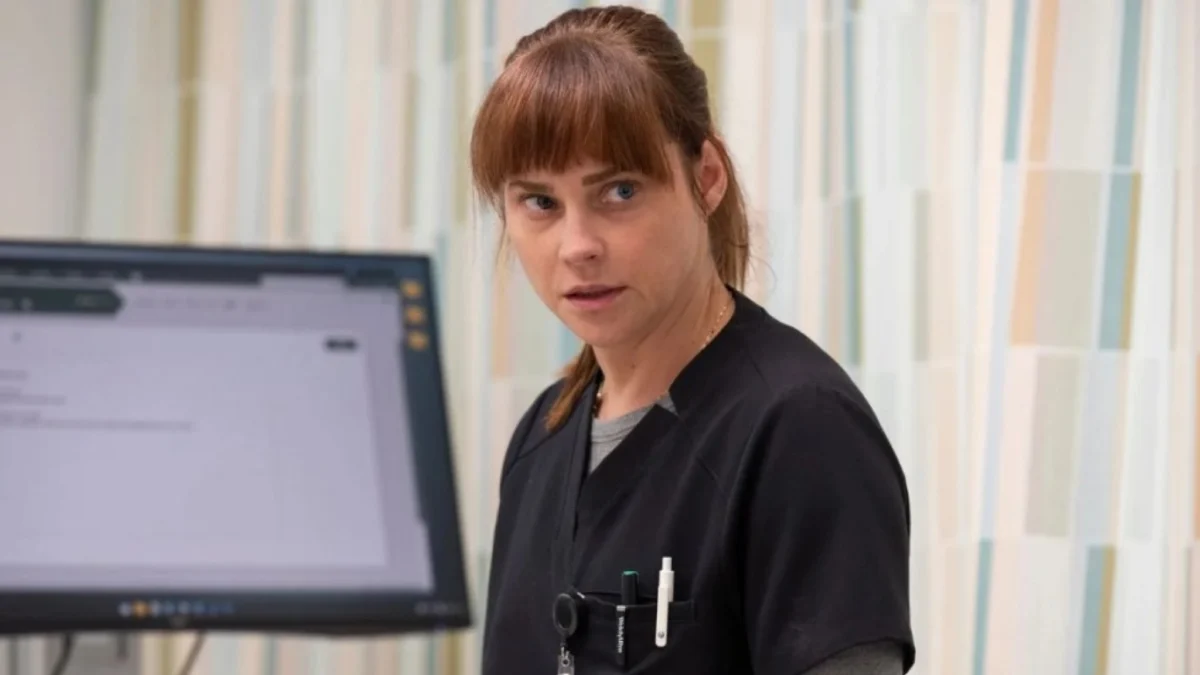
The critically acclaimed medical drama The Pitt has officially secured its third season renewal on HBO Max, a decision made notably early during the broadcast run of its second season. This swift commitment from the streaming giant signals strong confidence in the series, which has carved out a distinctive niche in the crowded medical drama landscape. Production for the anticipated third installment is slated to commence in June 2026, with an estimated release window targeting January 2027, maintaining the show’s consistent annual premiere schedule. Significant cast adjustments have been confirmed, including the departure of Supriya Ganesh and the elevation of Ayesha Harris to a series regular, while the core ensemble is largely expected to return to Pittsburgh’s high-stakes emergency room. The upcoming season is poised to delve into an intriguing thematic exploration: "doctors benefitting from patients."
The Pitt’s Unique Pulse: Series Background and Themes
The Pitt distinguishes itself within the medical drama genre by focusing intensely on the psychological and emotional toll of healthcare on its practitioners, often blurring the lines between healer and patient. The series, set in a bustling teaching hospital, explores complex ethical dilemmas, personal struggles, and the relentless pressure faced by medical professionals. Its debut season, which premiered in January 2025, introduced audiences to a diverse ensemble of doctors and residents grappling with their own vulnerabilities while navigating life-and-death situations. The central thesis of Season 1 was famously articulated as "the doctor is the patient," highlighting how the demands of the profession often mirror the afflictions of those they treat.
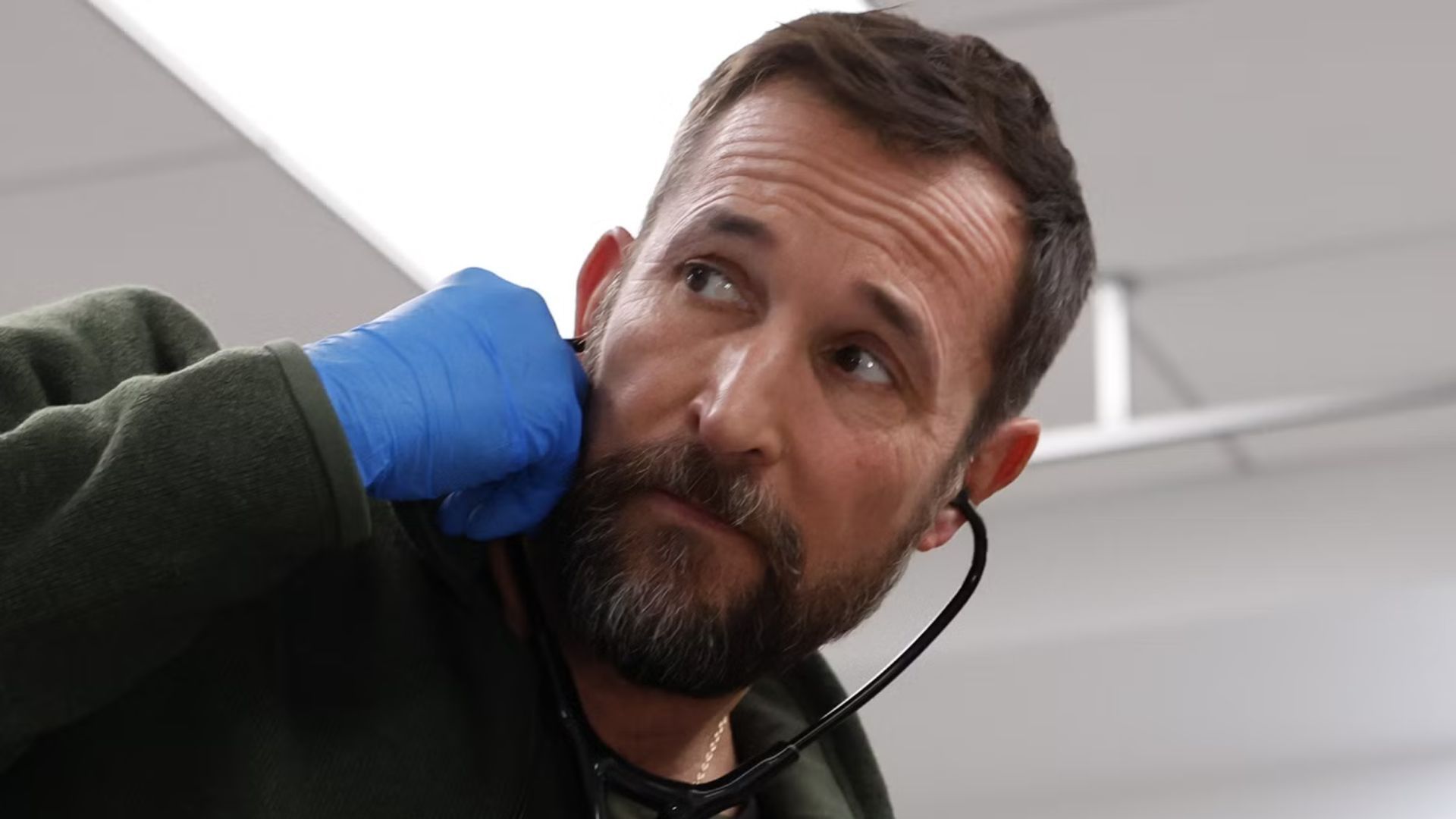
Season 2, which followed in January 2026, deepened this exploration with the theme "doctors don’t make very good patients." This narrative arc saw several characters confronting their own physical and mental health crises, often resisting the very care they dispense to others. The show’s creators have consistently aimed for a grounded, character-driven approach, moving beyond purely procedural storytelling to examine the human condition within a high-stress medical environment. This thematic depth, coupled with compelling performances and intricate storylines, has garnered a dedicated following and critical praise, drawing comparisons to revered predecessors like ER for its realistic portrayal of hospital life and its ensemble-driven narrative. The early renewal for a third season underscores HBO Max’s recognition of the show’s quality and its ability to resonate with a broad audience.
A Consistent Calendar: Production and Release Timeline
The production and release schedule for The Pitt has established a remarkably consistent pattern, a testament to the efficiency of its creative and production teams. Following the January 2025 premiere of Season 1 and the January 2026 launch of Season 2, the targeted January 2027 release for Season 3 indicates a deliberate strategy by HBO Max to provide its subscribers with a reliable annual installment of the popular drama. This predictability in release dates is a valuable asset in the competitive streaming landscape, allowing viewers to anticipate new content without prolonged waits.
The decision to renew The Pitt for a third season while the second season was still airing demonstrates significant confidence from the network. This early commitment allows for ample pre-production time, which is crucial for a show with a large ensemble cast and intricate medical storylines. With filming scheduled to commence in June 2026, the timeline provides approximately seven months for principal photography and post-production, a tight but achievable schedule given the show’s established rhythm. This expedited turnaround suggests a well-oiled machine, capable of delivering high-quality content on an annual basis, a model that has proven successful for many network dramas. The consistency also implies that The Pitt is meeting internal performance metrics for HBO Max, likely in terms of viewership, subscriber engagement, and critical reception, solidifying its place as a key offering on the platform.
Navigating the Aftermath: Season 2’s Lingering Questions
Season 2 of The Pitt concluded with a series of deeply personal and emotionally charged cliffhangers, leaving its ensemble of characters at pivotal crossroads. These unresolved narratives are expected to form the bedrock of the upcoming third season, with a four-month time jump allowing for both immediate repercussions and subtle shifts in character dynamics.
Dr. Al-Hashimi (Sepideh Moafi) was last seen breaking down in tears in the hospital parking lot, a moment that encapsulated the immense emotional burden carried by healthcare professionals. Her storyline in Season 2 explored themes of professional burnout, personal sacrifice, and the struggle to maintain composure under duress. The raw vulnerability displayed suggests a character teetering on the brink, and Season 3 will likely explore the aftermath of this emotional collapse, potentially forcing her to confront her own well-being and re-evaluate her career path.
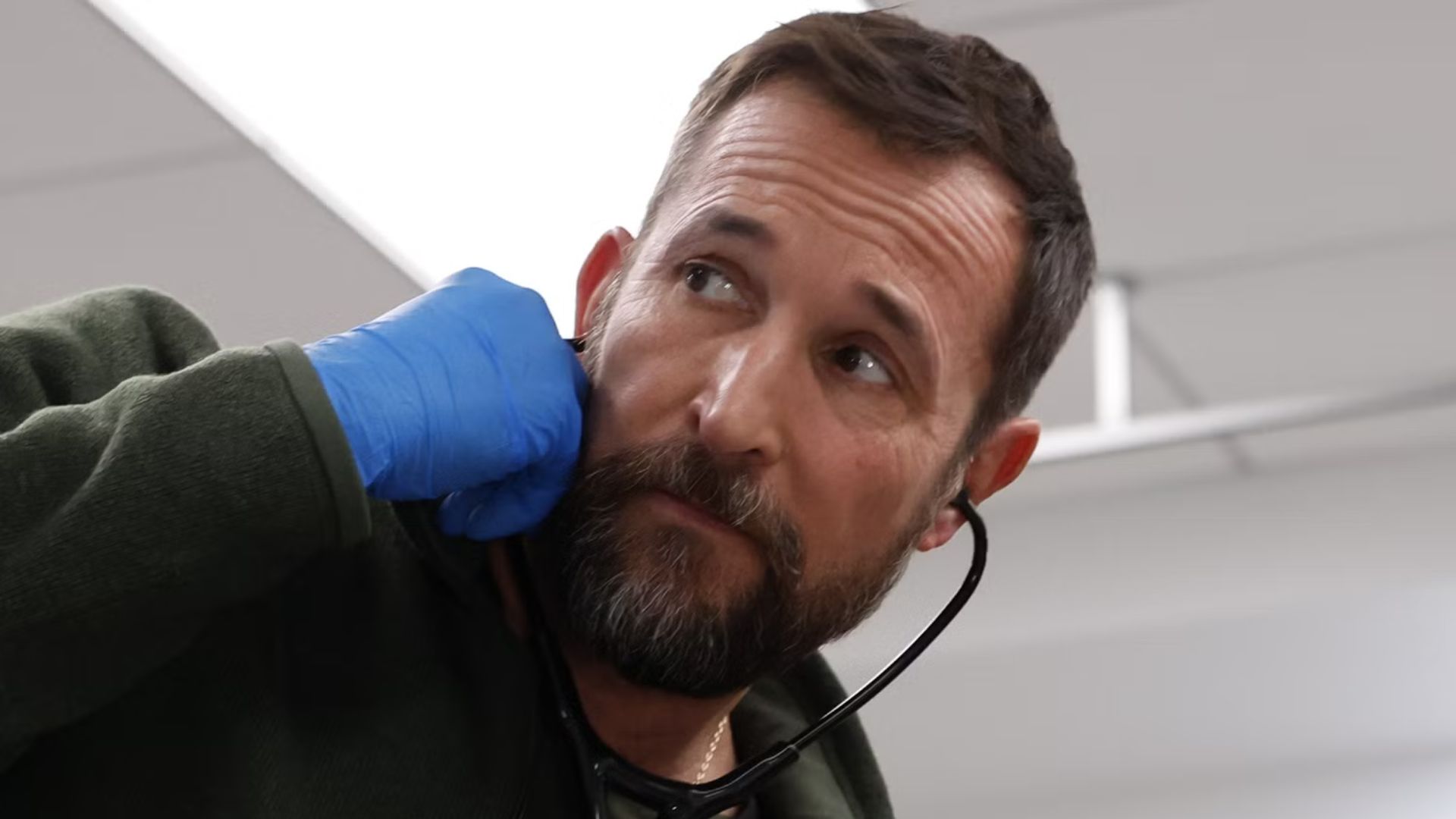
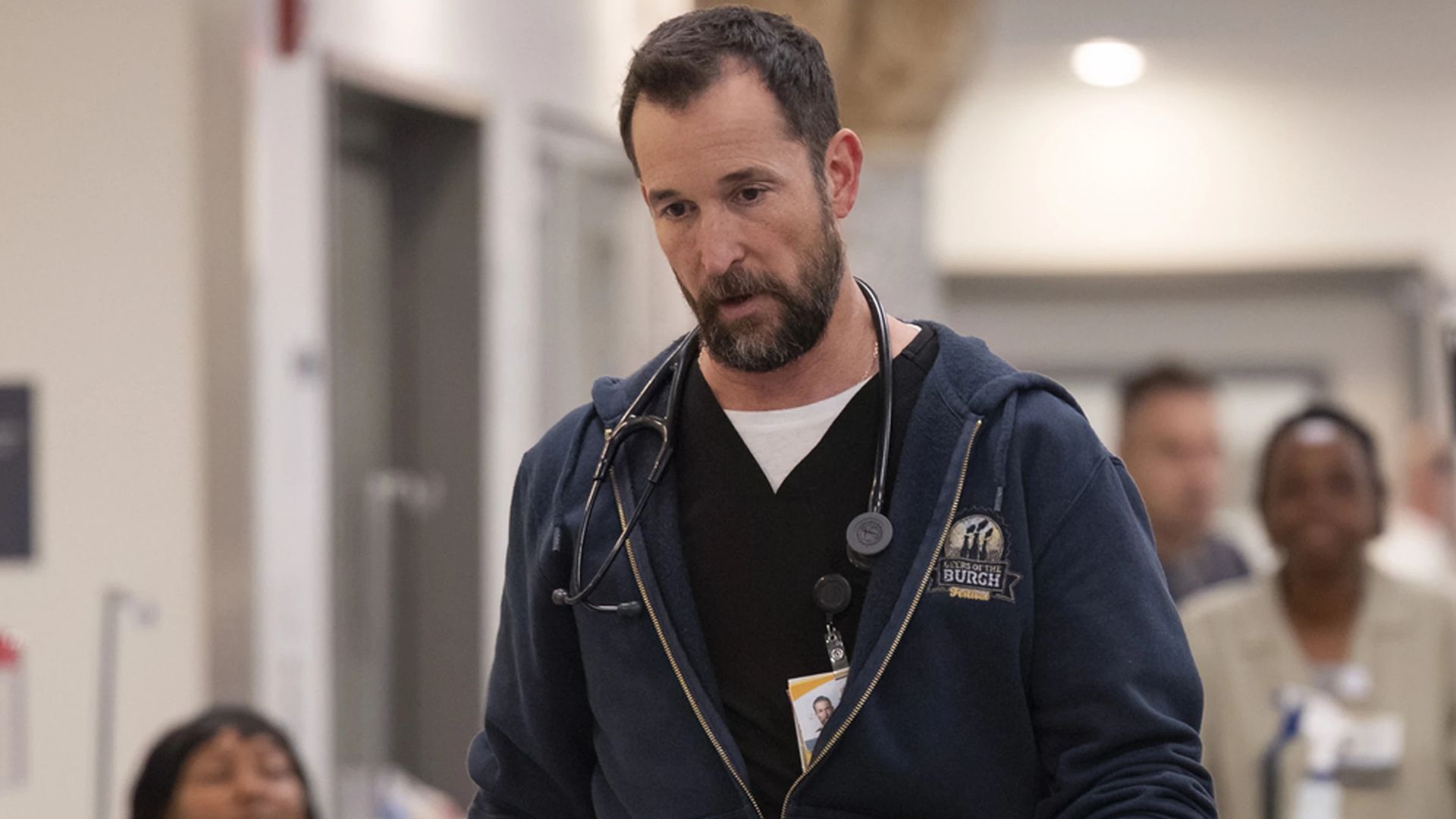
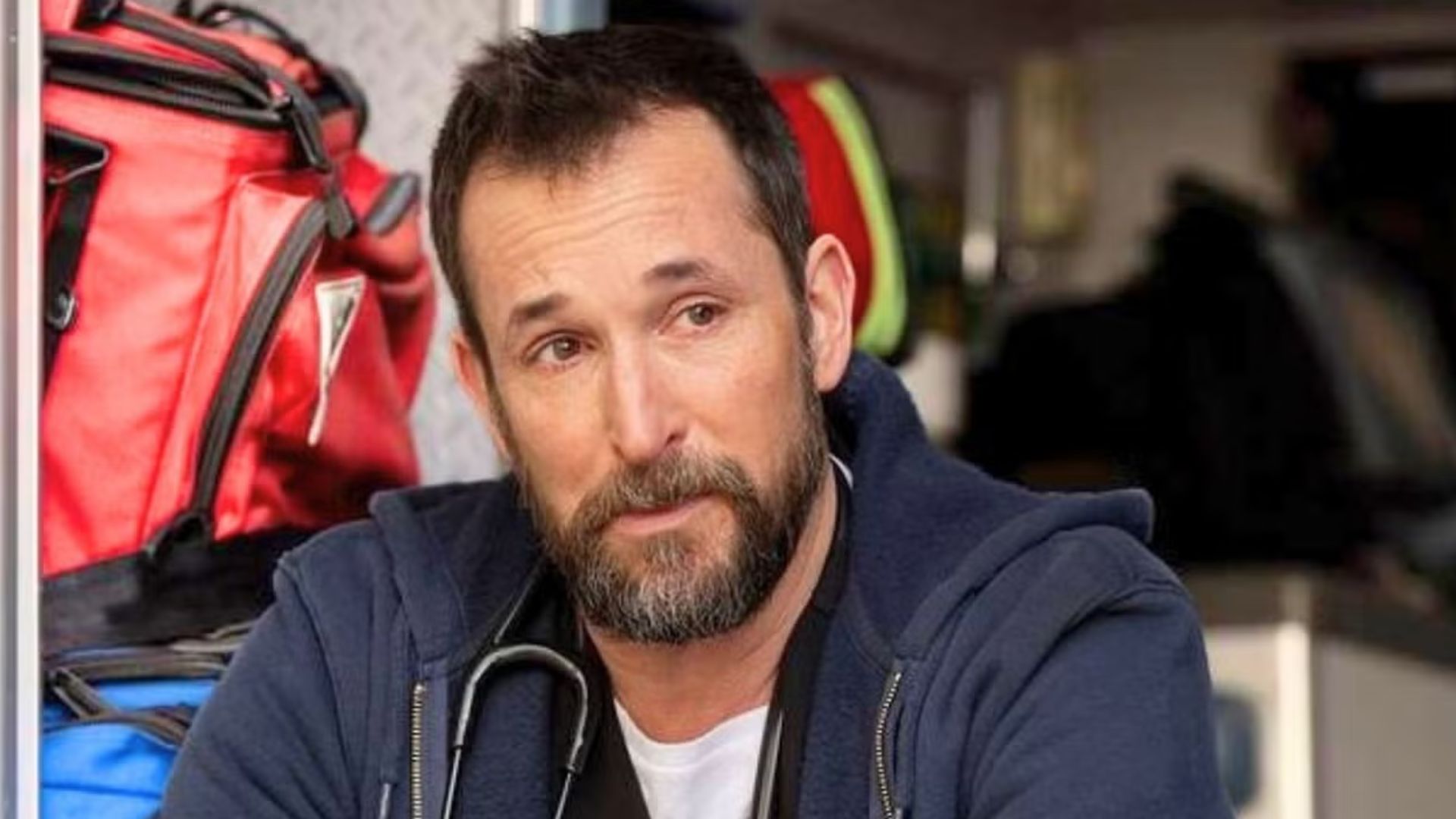
The enigmatic Dr. Robby (Noah Wyle), a central figure in the series, embarked on a planned three-month sabbatical, only to find his departure complicated by the unexpected arrival of "Baby Jane Doe." His decision to remain and care for the infant, deferring his much-needed break, highlighted his profound sense of responsibility and perhaps his inability to truly detach from the hospital’s pervasive needs. This development presents a fascinating arc for his character, forcing him into an unplanned role as a caregiver and potentially blurring the lines between his professional and personal life in unprecedented ways. The time jump will reveal how this new responsibility has impacted his life and his initial plans for a sabbatical.
Meanwhile, Mel (Taylor Dearden) continued to navigate complex family dynamics, struggling with her sister’s growing independence. Her character often serves as a grounding force, but her personal challenges underscore the difficulty of balancing demanding careers with external familial pressures. Santos (Isa Briones) hit a critical burnout point, a narrative thread that directly feeds into Season 2’s theme of doctors struggling as patients. Her journey will likely involve a deep dive into self-care, professional boundaries, and the long-term sustainability of a high-stress medical career. Whitaker (Gerran Howell) found himself wholesomely attempting to be a good boyfriend to his new girlfriend and her baby, a significant shift for a character often defined by his professional aspirations. This new domesticity could bring both stability and unforeseen challenges, testing his commitment and capacity for personal growth.
Fiona Dourif’s character, Cassie McKay, also holds a crucial role, with Dourif herself confirming her character’s desire to "roll until the wheels fall off." McKay’s relentless drive and intense dedication to her work, often bordering on self-destructive, provide a compelling counterpoint to the more emotionally vulnerable characters. Her return is eagerly anticipated, as her unique perspective and unwavering intensity add a vital layer to the ensemble.
These interwoven personal narratives, set against the backdrop of a demanding medical environment, ensure that The Pitt Season 3 will not only continue its tradition of medical realism but also deepen its character studies, exploring how these professionals cope with the lingering effects of their past decisions and the ever-present challenges of their chosen field.
Cast Changes and Character Evolution
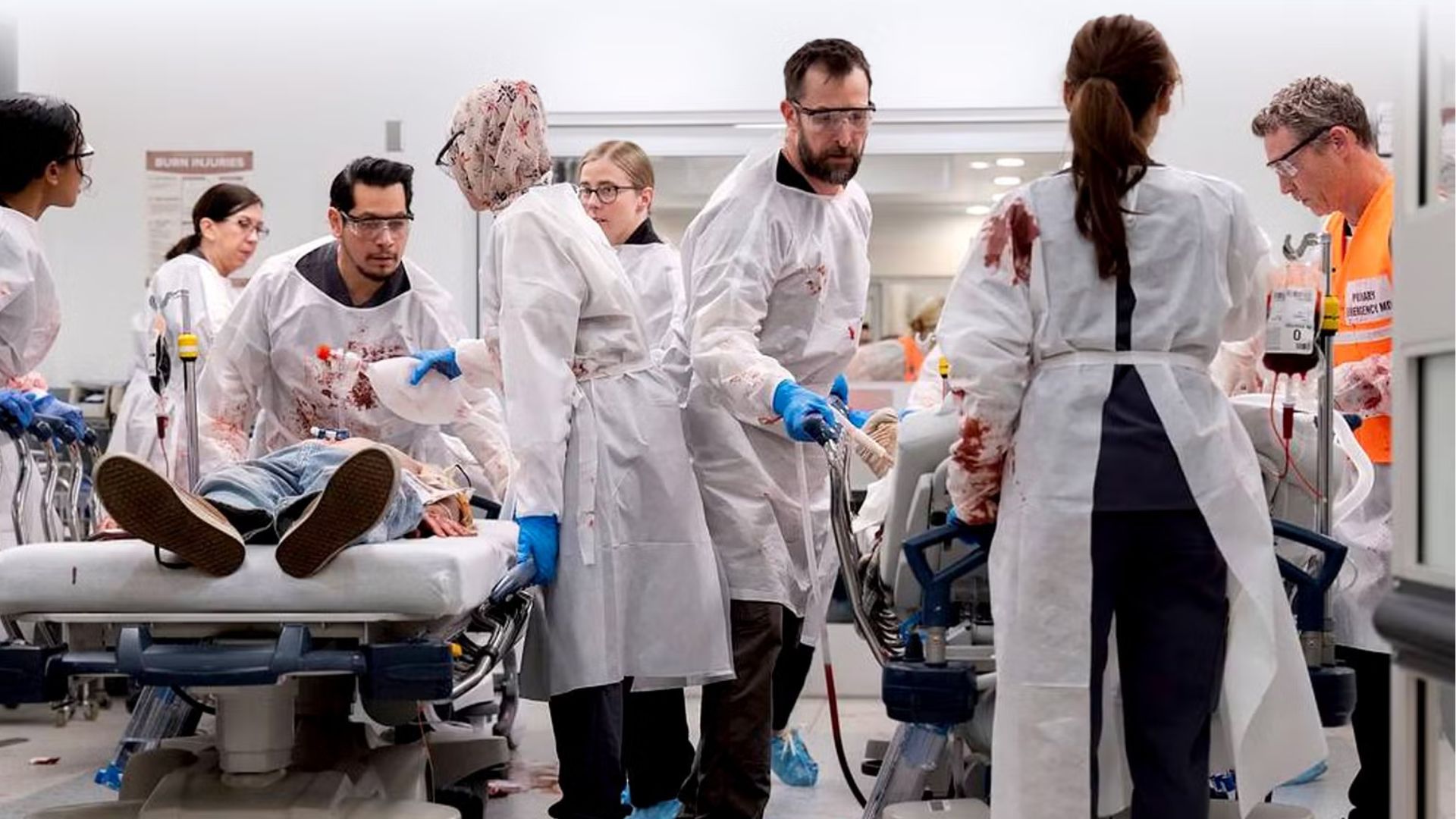
The upcoming third season of The Pitt will introduce some notable shifts in its cast roster, reflecting the dynamic and often transient nature of a teaching hospital environment. The most significant departure confirmed is that of Supriya Ganesh, who portrayed the senior resident Dr. Samira Mohan. Her character has been a consistent presence since the show’s inception, and her absence will undoubtedly leave a void in the ensemble.
Co-creator and star Noah Wyle, who plays Dr. Robby, addressed Ganesh’s departure during a PaleyFest event, offering insight into the show’s realistic approach to cast changes. "It’s an inevitability that’s going to happen every season with this show because as writers we’re hard pressed to figure out what a lapse of time we can have and keep most of the ensemble together realistically," Wyle explained. He further elaborated on the inherent fluidity of medical careers: "Emergency rooms have a high revolving door. As always, we try to bring in new characters or promote from within as we go through these cast changes and try to keep the storylines fresh, but obviously Supriya has been a huge part of our show since the beginning."
Creator R. Scott Gemmill echoed this sentiment, emphasizing the practicalities of a teaching hospital setting. "Part of the nature of the business of a teaching hospital is that people come, they learn, and they leave," Gemmill stated. "In order to try to be truthful to the process, we’re turning over our cast." This philosophical approach to character turnover ensures that departures are not merely plot devices but rather organic reflections of the medical profession, grounding the show in a layer of realism often missing from long-running dramas. The exit of Dr. Mohan will likely open new narrative avenues, allowing other characters to step into more prominent roles and experience accelerated professional growth.
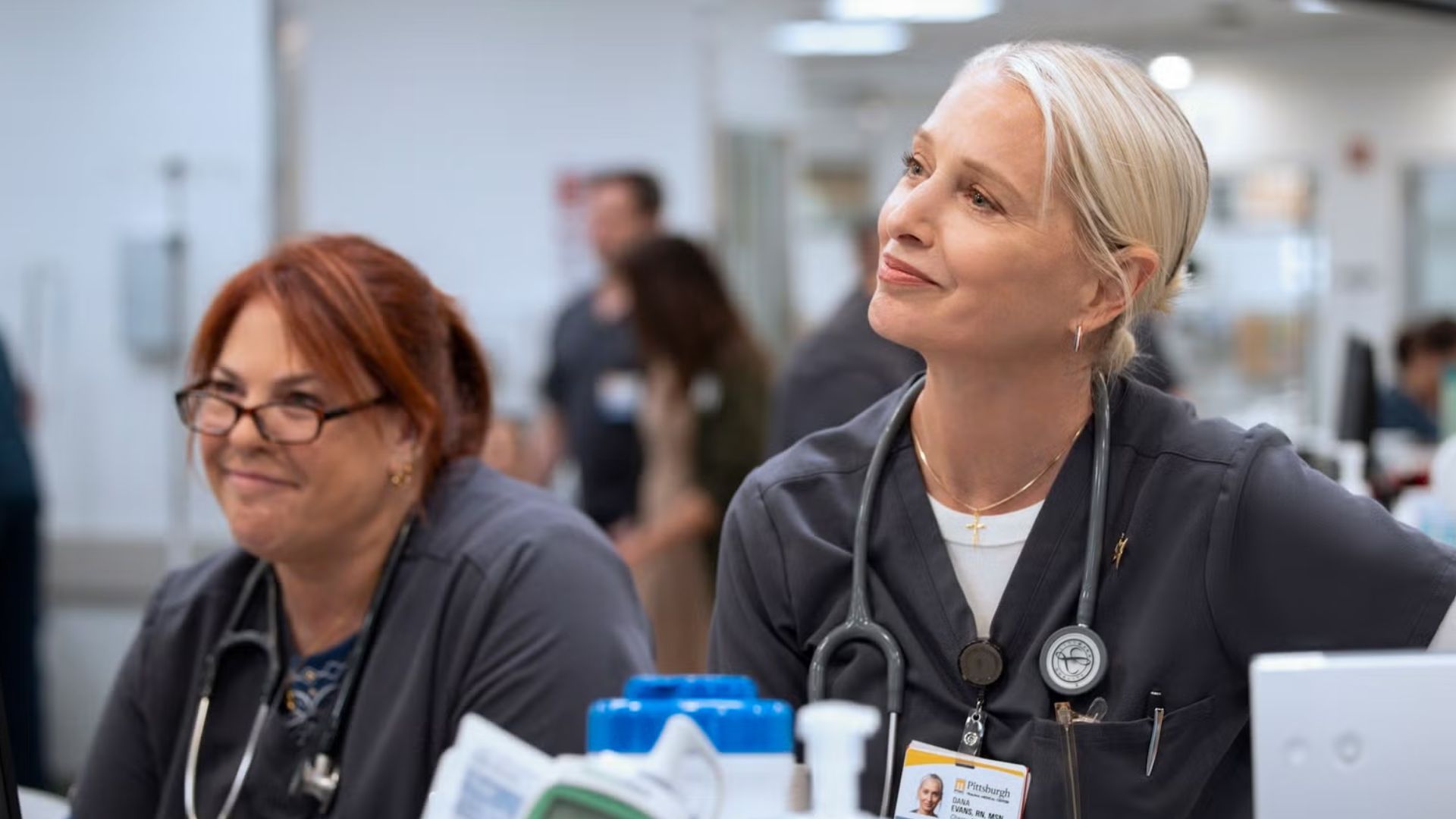
Conversely, Ayesha Harris, who has played the night-shift resident Dr. Parker Ellis, has been promoted to a series regular for Season 3. This promotion suggests an expanded role and increased screen time for Dr. Ellis, whose character has steadily gained prominence. Her elevation signifies a deeper exploration of her personal and professional journey, potentially placing her at the forefront of new medical cases and ethical dilemmas. This is a common strategy in ensemble dramas, allowing for the natural evolution of supporting characters into central figures as others move on.
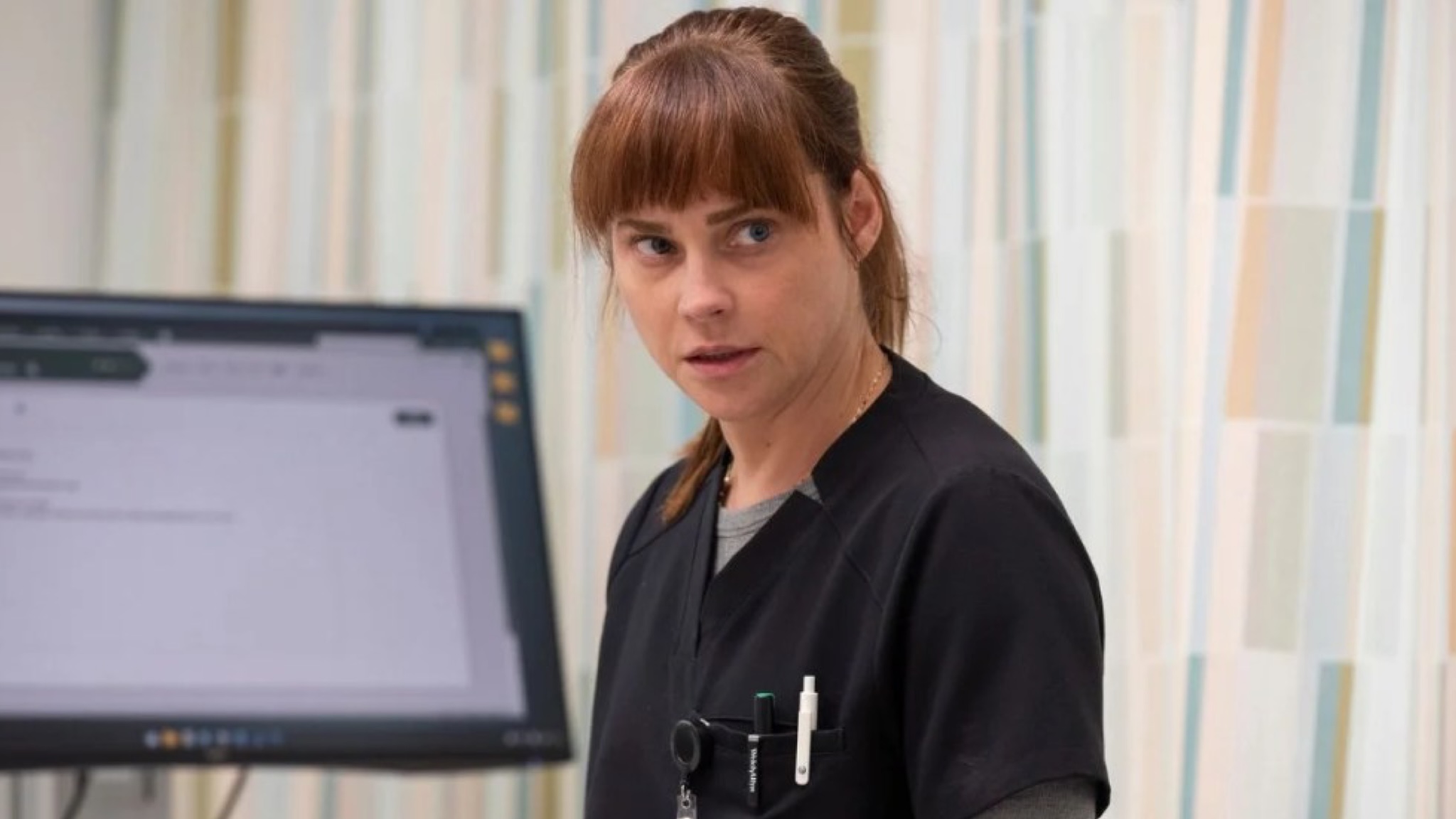
The good news for fans is that the majority of the main cast members are expected to return, ensuring continuity for many beloved characters. This includes Sepideh Moafi as Dr. Al-Hashimi, Taylor Dearden as Mel, Isa Briones as Santos, and Gerran Howell as Whitaker, all of whom concluded Season 2 with compelling, unresolved storylines. Noah Wyle, as Dr. Robby, remains a cornerstone of the series. Fiona Dourif, portraying Cassie McKay, has also enthusiastically confirmed her return, expressing her enjoyment of the show’s production. "I think it is shocking how fun The Pitt is to shoot. Not every TV show is like that. It really runs like a machine in the best way," Dourif told reporters, highlighting the positive working environment and efficient operation behind the scenes. Her character, Cassie, is known for her tenacity, and her continued presence ensures that her unique brand of intense dedication will remain a key ingredient in the show’s dynamic.
These strategic cast adjustments aim to refresh the narrative while maintaining the strong core ensemble that audiences have come to appreciate. The blend of familiar faces with new, expanded roles promises a revitalized dynamic for the upcoming season.
Plotting the Future: A Deeper Dive into Season 3’s Narrative
The narrative direction for The Pitt Season 3 promises to build upon the established thematic framework of its predecessors, with a new focus on "doctors benefiting from being patients." This evolution of the central theme—from Season 1’s "the doctor is the patient" and Season 2’s "doctors don’t make very good patients"—suggests a more introspective and potentially redemptive journey for the characters. It implies that experiencing illness or vulnerability firsthand, or perhaps learning from the experiences of those they treat, could lead to profound personal and professional growth for the medical staff. This theme could manifest in various ways, such as doctors facing their own health crises, developing deeper empathy for patients, or being forced to confront the systemic flaws within the healthcare system that they are a part of.
Creator R. Scott Gemmill also revealed a four-month time jump between seasons 2 and 3, a strategic choice designed to facilitate narrative progression without requiring extensive exposition. "We’re only going to do a four-month jump. We’ll start in November. That serves a lot of purposes for us. It gives us some cold-weather scenarios, but also allows us to keep people a little longer who would normally be moving on, if we want," Gemmill explained to TV Line. "Sometimes those big jumps aren’t always ideal. There’s a lot of information you have to catch up on, so this way it’s less of a dump." This November start date not only offers fresh seasonal aesthetics but also allows for subtle character developments to occur off-screen, providing a fresh starting point without completely resetting the emotional landscape.
One of the most anticipated plotlines revolves around Dr. Robby (Noah Wyle). His decision to forgo his sabbatical and care for Baby Jane Doe was a defining moment at the close of Season 2. Gemmill hinted at the implications of this choice: "In those final moments with the baby, Robby finally puts her down and decides to go. Part of it is he feels he has to go now because he’s talked about it for so long." However, Robby’s return to the hospital will not be immediate. "One of the things we play in season 3 is that he comes back, but he doesn’t come back to the hospital right away," Gemmill teased. This suggests a period of adjustment for Robby, perhaps exploring his life outside the immediate demands of the ER, or dealing with the emotional and practical fallout of his choice regarding the infant. His eventual reintegration into the hospital setting could be fraught with new challenges and a changed perspective, directly tying into the season’s overarching theme of doctors benefiting from their own experiences.
The time jump will also provide an opportunity to explore the evolution of other characters’ Season 2 cliffhangers. How has Dr. Al-Hashimi coped with her emotional breakdown? Has Santos found a path to combat her burnout, and what changes has she implemented in her life or career? How has Whitaker’s unexpected domesticity evolved, and what new responsibilities or joys has it brought? These unresolved threads, combined with the new thematic focus and cast dynamics, promise a season rich in character development and complex storytelling, continuing The Pitt‘s tradition of exploring the intricate lives of those dedicated to healing others.
The Broader Landscape: The Pitt’s Place in Medical Drama and Future Prospects
The Pitt has rapidly carved out a significant presence in the highly competitive landscape of medical dramas. Its blend of intense medical cases, deeply personal character arcs, and a commitment to exploring the psychological impact of the profession sets it apart. The early renewal by HBO Max for a third season, even before the second had fully concluded its run, is a strong indicator of the network’s confidence in the show’s performance and its potential to attract and retain subscribers. This strategy aligns with HBO Max’s broader effort to bolster its original content library with critically engaging dramas.
The consistent annual release schedule is a key factor in building audience loyalty, providing a reliable source of compelling storytelling. In an era where streaming platforms often experiment with varied release patterns, The Pitt‘s predictability is a strategic advantage. Its efficient production, as praised by cast members like Fiona Dourif, contributes to its viability as a long-term investment for the network. This operational efficiency means the show can maintain high production values while adhering to a rigorous schedule, a crucial element for sustained success.
The comparison to ER, a medical drama renowned for its longevity and cultural impact, is a telling one. The Pitt shares ER‘s commitment to realism, its focus on an ensemble cast, and its ability to blend gripping medical emergencies with profound human stories. If The Pitt continues to deliver on these fronts, and if HBO Max maintains its support, the series could indeed enjoy a similarly extended run. The show’s thematic flexibility, as demonstrated by its evolving season themes, also allows for continuous narrative innovation, preventing stagnation and keeping the stories fresh and relevant. The focus on "doctors benefiting from patients" in Season 3 is another example of this adaptable storytelling.
The future of The Pitt beyond its third season remains unconfirmed, as is typical for most television productions. However, the strong foundation laid by its compelling narratives, dedicated cast, and efficient production, combined with HBO Max’s evident support, paints a promising picture. As audiences eagerly await the January 2027 premiere, The Pitt is well-positioned to continue its exploration of the complex, often heartbreaking, and ultimately heroic lives of those who work on the front lines of healthcare, solidifying its status as a cornerstone drama for the streaming service.