Tesla’s long-anticipated foray into the Indian automotive market has been a narrative of overcoming significant commercial and regulatory challenges. For years, the electric vehicle (EV) giant grappled with import duties as high as 70% to 110% on fully built vehicles, a policy that rendered Tesla’s premium offerings prohibitively expensive for the price-sensitive Indian consumer. These steep tariffs not only inflated prices astronomically but also served as a substantial barrier, delaying the company’s strategic entry plans into one of the world’s fastest-growing economies.
The journey began with Elon Musk, Tesla’s CEO, vocally criticizing these duties as among the highest globally, a sentiment that underscored the uphill battle the company faced. These high import taxes meant that a vehicle like the Tesla Model Y, even in its most basic configuration, would carry a sticker price far beyond the reach of the average car buyer in India. This situation created a stark contrast with Tesla’s established markets in North America, Europe, and China, where more accessible pricing strategies were possible due to more favorable import policies or localized manufacturing.
The Initial Launch and Its Challenges
After protracted negotiations and several postponements, Tesla finally made its official debut in India in July 2025. The initial rollout was a subdued affair, primarily targeting the luxury segment. Tesla established showrooms in key metropolitan areas, including Mumbai and New Delhi, and began importing standard Model Y SUVs directly from its Gigafactory in Shanghai, China. This strategic decision to import from China was itself a complex maneuver, influenced by the production capacity and efficiency of that particular Tesla facility.
However, the launch encountered immediate headwinds. The imported Model Y vehicles were priced at approximately $70,000 USD (equivalent to around ₹58 lakhs at the time), a figure that significantly dampened demand. Early sales figures were notably tepid. Reports from Bloomberg indicated that only about 600 orders were placed within the first two months of the launch. Official registration data for the entire year of 2025 painted an even starker picture, with just 227 Model Y units registered across the country, a number far below Tesla’s internal projections and market expectations.
In response to the sluggish sales and to manage excess inventory, Tesla resorted to offering discounts. By early 2026, the company had implemented price reductions of up to ₹200,000 (approximately $2,200 USD) on its unsold stock, a move that signaled the significant market challenges it was facing. This period highlighted the delicate balance Tesla had to strike between maintaining its premium brand image and adapting to the economic realities of the Indian market.

A Strategic Pivot: The Model Y L Variant
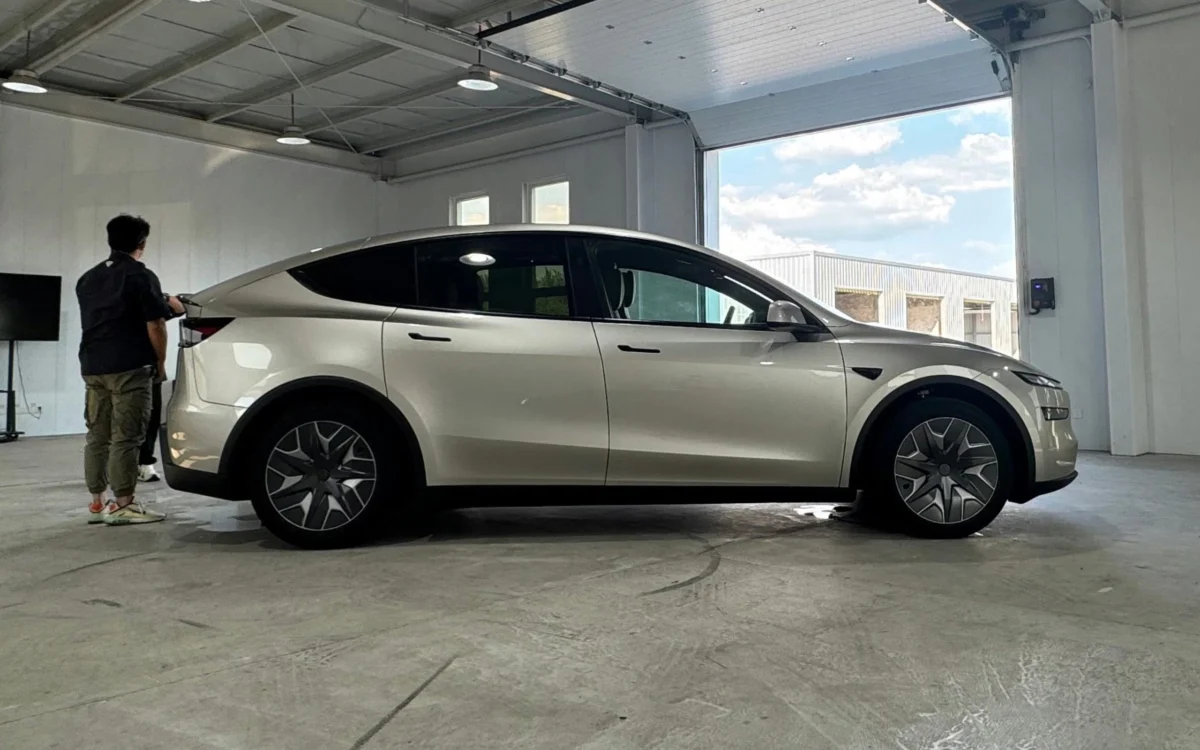
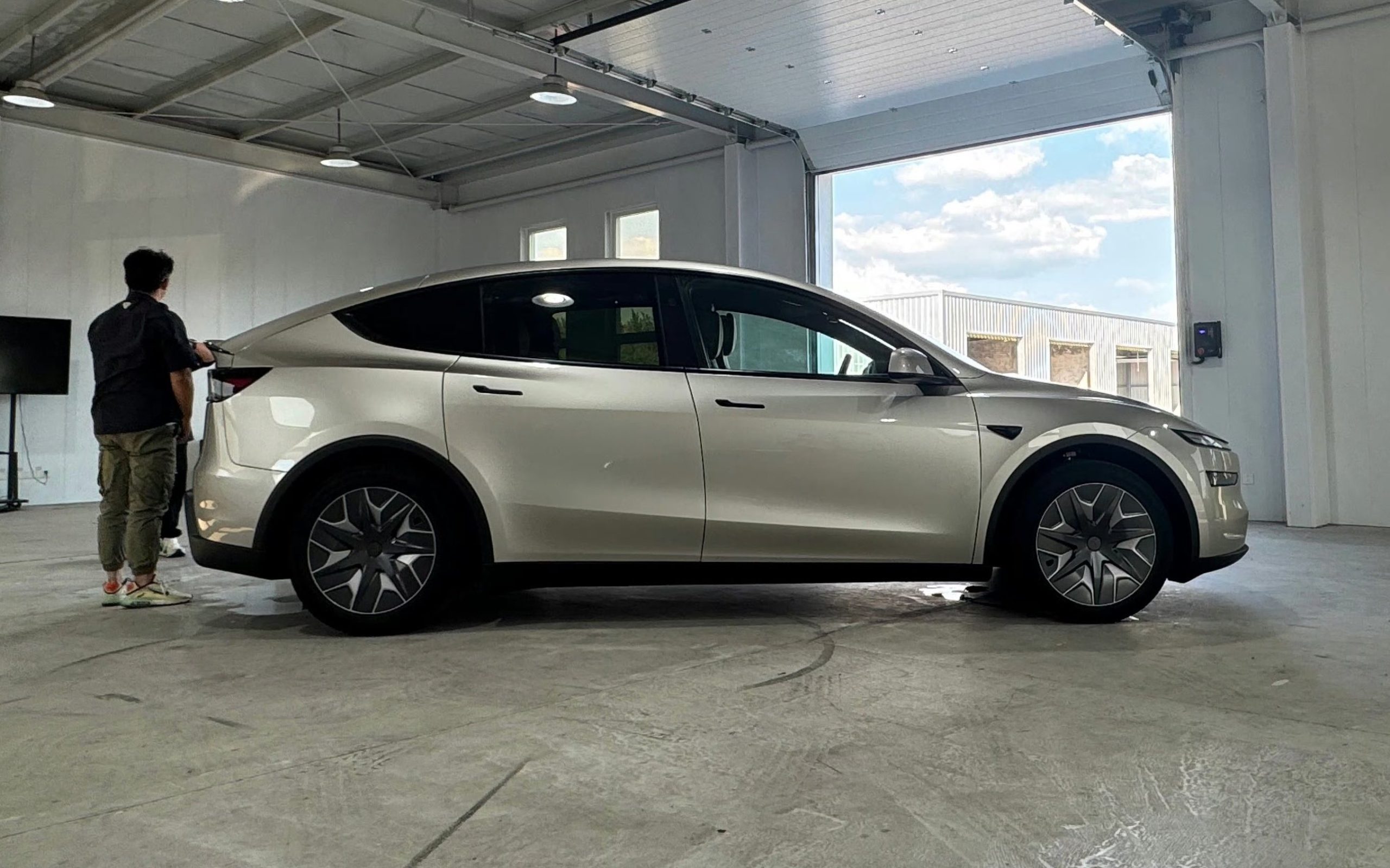
Demonstrating remarkable resilience and adaptability, Tesla is now preparing to introduce a new variant of its popular Model Y to the Indian market, a move that signifies a strategic recalibration of its approach. According to a Bloomberg report dated April 17, 2026, the company is set to launch the Model Y L, a six-seat, long-wheelbase variant featuring three-row seating, as early as the following week.
This introduction marks Tesla’s first new product rollout in India since its initial market entry. Notably, the Model Y L, which first debuted in China in 2025, is specifically designed with enhanced interior space to cater to family needs. This variant will once again be exported directly from Tesla’s Shanghai Gigafactory. The decision to leverage an existing, well-received variant from its Chinese operations underscores Tesla’s pragmatic strategy: to expand its sales reach and offer a highly requested configuration without immediately committing to local manufacturing. This approach circumvents the immediate need for large-scale factory investments while still addressing a perceived market gap.
The introduction of the six-seater Model Y L is particularly significant as it directly addresses a key preference in the Indian automotive landscape: the demand for spacious, multi-generational vehicles. Indian families often require larger vehicles to accommodate extended family members, making the three-row configuration of the Model Y L a potentially attractive proposition. This move represents a more targeted strategy, aiming to broaden Tesla’s appeal beyond the early luxury adopters and cater to practical family requirements, even if the pricing remains in the premium segment due to ongoing import duties.

Navigating Global and Local Challenges
Tesla’s incremental strategy in India is unfolding against a backdrop of global EV market fluctuations and India’s unique challenges. The country’s charging infrastructure, while growing, is still developing, presenting a potential hurdle for EV adoption. Furthermore, the market is characterized by intense competition from established domestic and international automotive manufacturers offering a wide range of vehicles, including increasingly competitive electric options.
The continued reliance on imported vehicles means that the Model Y L, like its predecessors, will likely carry a premium price tag. While the six-seater configuration aims to enhance its appeal by addressing practical family needs, the high import tariffs remain a persistent factor influencing its market competitiveness. Tesla’s ability to navigate these pricing challenges will be crucial for its long-term success in India.
A Pragmatic Bridge to Market Penetration
The introduction of the China-built Model Y L exemplifies Tesla’s adaptive strategy in overcoming the very obstacles that once made its entry into India so difficult. This approach signifies a departure from the initial struggle against prohibitive import duties to a more nuanced, product-specific market entry. By leveraging an existing variant designed for broader appeal, Tesla is attempting to build momentum and strengthen its presence in one of the world’s most populous and dynamic markets.
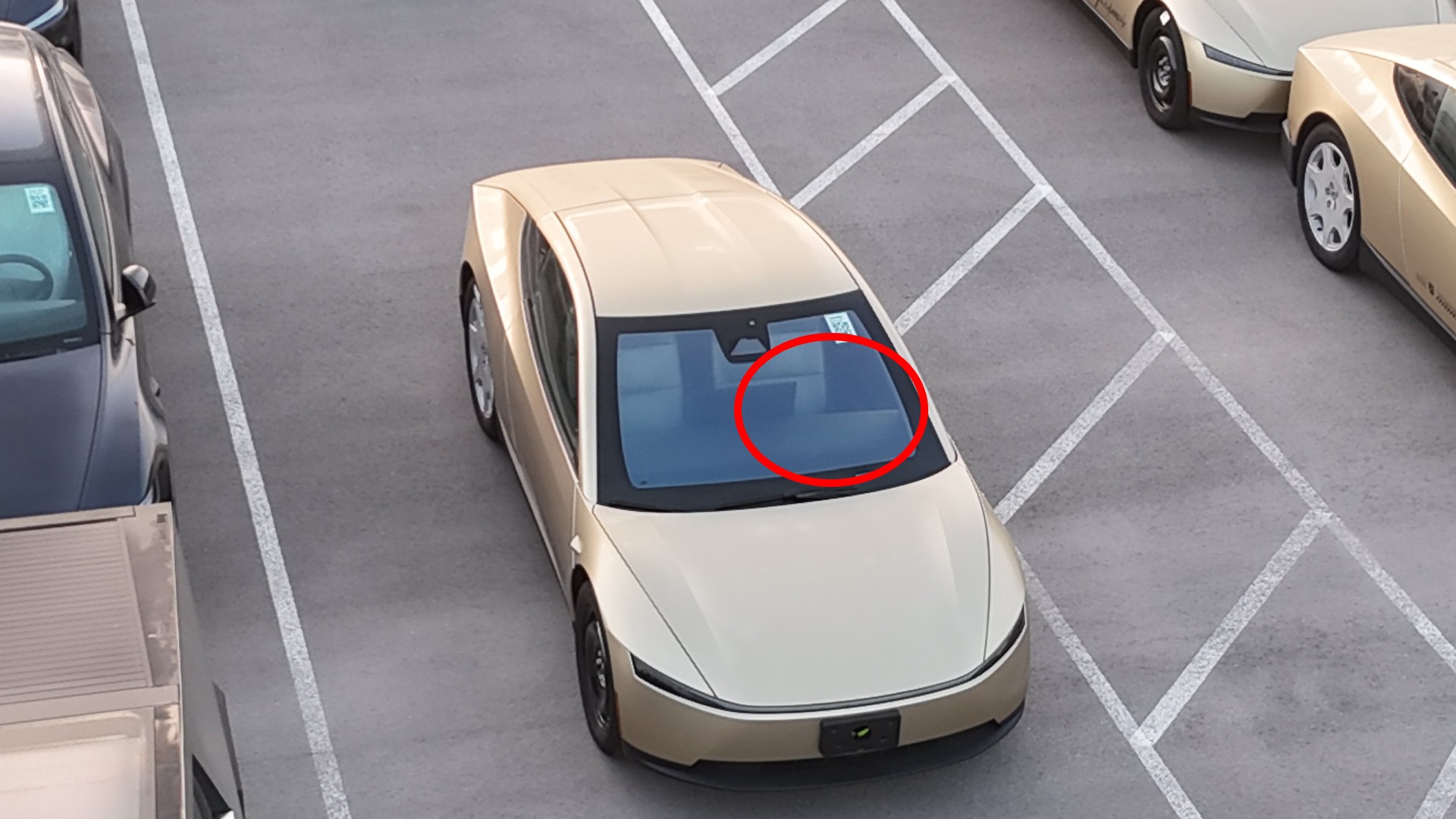
The success of the Model Y L could serve as a critical stepping stone for Tesla in India. It could not only bolster the company’s market foothold but also pave the way for potential future investments, such as localized manufacturing, should significant tariff reductions or policy shifts materialize. For now, the established China-to-India supply chain represents a pragmatic solution, a bridge over the initial barriers that once seemed insurmountable. This latest move signals a cautious optimism, suggesting that Tesla is committed to finding its place in the Indian automotive ecosystem, one strategic step at a time.
Broader Context: Tesla’s Global Expansion and Market Dynamics
Tesla’s strategy in India is part of a larger global push to expand its market reach and diversify its revenue streams. The company has consistently sought to enter new markets, adapting its product offerings and pricing strategies to local conditions. India, with its rapidly growing middle class and increasing environmental consciousness, represents a significant long-term opportunity for EV manufacturers.
The challenges faced by Tesla in India are not unique. Many global automakers have encountered difficulties in penetrating the Indian market due to its unique consumer preferences, price sensitivity, and complex regulatory landscape. However, Tesla’s direct-to-consumer sales model, its focus on technology and performance, and its brand cachet provide it with distinct advantages.

The company’s approach of initially importing vehicles and later considering local production is a common strategy for automakers entering developing markets. This allows them to test the market, understand consumer demand, and build brand recognition before committing to the substantial capital investment required for a local manufacturing facility. The success of the Model Y L will likely be a key determinant in Tesla’s future investment decisions in India, including the potential for local assembly or even full-scale manufacturing plants, which would significantly alter the cost structure and market accessibility of its vehicles. The evolving landscape of government incentives for EVs and the potential for future trade agreements could also play a crucial role in shaping Tesla’s long-term strategy in the subcontinent.