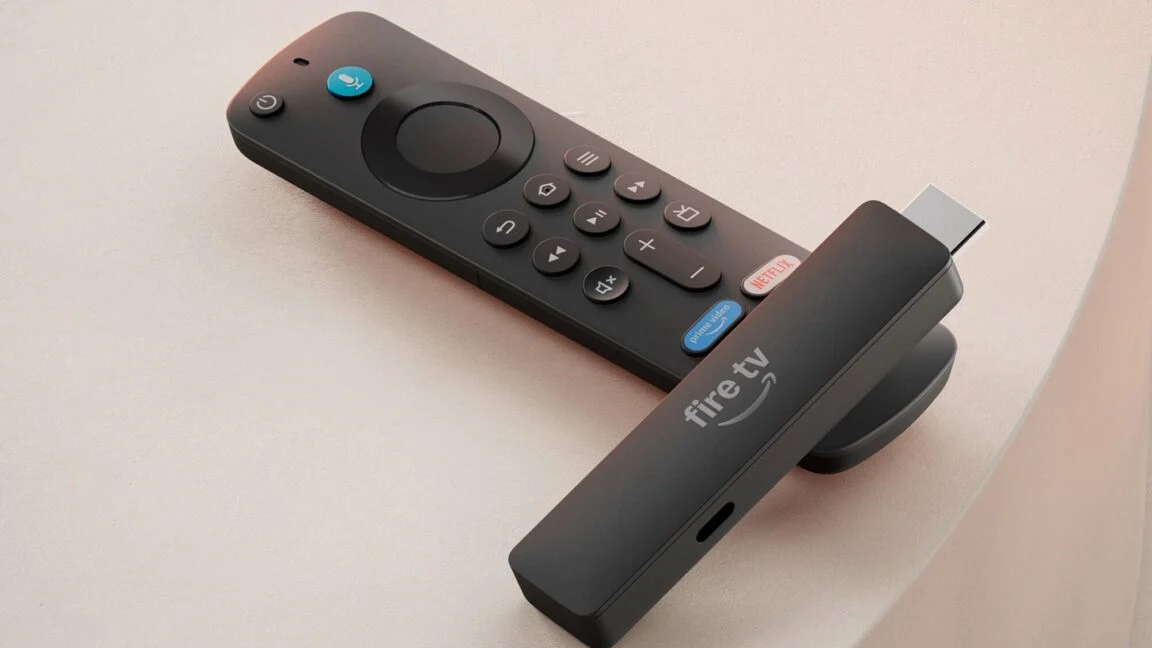
In a pivotal strategic move confirmed in October, Amazon has stated that it has no plans to update its existing Fire OS devices to Vega, its forthcoming Linux-based operating system. This announcement, initially reported by German IT publication Heise Online, signals a significant pivot for Amazon’s widely popular Fire TV and Fire Tablet lines, with profound implications for device functionality, user freedom, and the ongoing battle against digital piracy. The transition to Vega, expected to roll out with new devices from 2025, represents Amazon’s bid for greater control over its ecosystem, an embrace of modern software capabilities, and a concerted effort to curb the unauthorized distribution of content that has plagued its platform for years.
The Evolution of Fire OS and the Strategic Shift to Vega
For years, Amazon’s Fire streaming devices, including the ubiquitous Fire TV Sticks and Fire Tablets, have operated on Fire OS. This proprietary operating system is an Android fork, specifically built upon the Android Open Source Project (AOSP). While leveraging the vast Android developer ecosystem, Fire OS has historically lagged behind the latest Android software versions, leading to potential issues with security updates, performance optimizations, and access to the newest features. This reliance on an older Android codebase has often presented a dual challenge: ensuring compatibility with the latest applications while maintaining Amazon’s distinct user experience and service integrations.
The decision to transition to Vega, a Linux-based operating system, marks a fundamental departure from this Android-centric foundation. This move is not merely a technical upgrade but a strategic reorientation for Amazon. By adopting a Linux kernel, Amazon gains a far greater degree of control over the underlying software architecture. This enhanced control is anticipated to facilitate the integration of more modern software, potentially offering superior performance, improved security protocols, and greater flexibility in designing the user interface and core functionalities. Industry analysts suggest that this shift aligns Amazon more closely with companies like Samsung (with Tizen for TVs) or Apple (with tvOS and iOS), which exert tight control over their device ecosystems to ensure a cohesive and managed user experience.
One of the most prominent features touted for Vega is its capacity to support advanced services such as Alexa+, Amazon’s generative AI chatbot. This integration suggests a future where Fire devices are not just content consumption portals but sophisticated AI-powered hubs, capable of highly personalized interactions, proactive content recommendations, and seamless control over smart home environments. Such capabilities would significantly elevate the user experience, distinguishing Amazon’s offerings in a crowded market. However, this enhanced control also extends to limiting the use of applications that might be detrimental to Amazon’s business model, including those that cost the company money through lost revenue or, critically, host illegal content.
The Sideloading Dilemma: Functionality, Customization, and Illegality
Sideloading, the practice of installing applications from sources other than a device’s official app store, has long been a common, albeit often unsupported, method for users to expand the functionality of their Fire devices. This practice gained popularity due to Fire OS’s Android lineage, which inherently supports the installation of APK (Android Application Package) files from unknown sources, provided users enable "Developer Options." For many enthusiasts, sideloading was a legitimate and valuable pathway to customization and enhanced utility.
Users frequently sideloaded apps to access the Google Play Store, thereby gaining access to a much wider array of Android applications not officially available on Amazon’s Appstore. This allowed for greater app choice, bypassing Amazon’s curated selection and sometimes limiting the intrusive advertising often embedded within the Fire OS interface. Beyond these conveniences, sideloading enabled various practical applications. For instance, many users transformed their Fire tablets into versatile smart home controllers by installing specialized applications for home automation platforms that were not present in the Amazon Appstore. This flexibility empowered users to tailor their devices to specific needs, fostering a vibrant community of modders and power users.
However, the permissibility of sideloading has also created a significant vulnerability that Amazon is now aggressively addressing: the proliferation of applications used for watching pirated content. Over the past several years, Amazon’s Fire Sticks, in particular, have gained notoriety as a preferred device for accessing unauthorized streaming services. These "fully loaded" or "jailbroken" devices, often pre-configured with piracy applications, allowed users to stream movies, TV shows, and live sports without paying for legitimate subscriptions.
Escalating Anti-Piracy Measures and Industry Pressure
The issue of piracy on Fire devices has not gone unnoticed by Amazon or the broader media industry. In the fall preceding the Vega announcement, Amazon initiated a more direct crackdown, beginning to block the installation of applications that had been blacklisted by the Alliance for Creative and Entertainment (ACE). ACE is a global anti-piracy coalition comprising major studios, streaming services, and content creators, including Netflix, Disney, Warner Bros., and Amazon itself. This proactive blocking at the installation stage, rather than merely at launch, represented a significant escalation in Amazon’s enforcement efforts.
This move came amidst growing pressure from various stakeholders. A May report from Enders Analysis, a prominent media, entertainment, and telecommunications research firm, highlighted the severe economic impact of "jailbroken" Fire Sticks, claiming they had enabled "billions of dollars" worth of streaming piracy. Such figures underscore the immense financial losses incurred by content owners, affecting the entire creative ecosystem from production studios to individual artists.
High-profile content owners, particularly in the lucrative sports broadcasting sector, have vocally expressed their concerns. The Sky Sports UK soccer channel and the Premier League professional soccer league in England, both major rights holders with substantial investments in live sports content, have been among those publicly pressuring Amazon to implement more robust anti-piracy measures. The ability for users to access premium live sports broadcasts through illicit means directly undermines their subscription models and intellectual property rights. Amazon, as a burgeoning player in sports broadcasting itself (e.g., Thursday Night Football), has a vested interest in protecting content integrity and ensuring fair monetization for its own and its partners’ properties.
Economic Ramifications of Streaming Piracy
The economic impact of streaming piracy is staggering and far-reaching. Industry reports consistently estimate annual losses in the tens of billions of dollars globally. For instance, studies by the U.S. Chamber of Commerce have indicated that digital piracy costs the U.S. economy alone hundreds of thousands of jobs and billions in lost wages, tax revenues, and creative output. This illicit activity directly siphons revenue from legitimate content creators, distributors, and broadcasters, impacting their ability to invest in new productions, foster innovation, and employ talent.
Beyond direct financial losses, piracy erodes the value of intellectual property, discourages investment in high-quality content, and can distort market competition. For platform providers like Amazon, facilitating piracy, even inadvertently, carries significant reputational risks and potential legal liabilities. Content owners increasingly hold platforms accountable for enabling the infringement of their copyrights, leading to a complex legal landscape where technology providers are expected to play a more active role in policing their ecosystems. Amazon’s decision to shift to Vega and restrict sideloading can be viewed as a proactive step to mitigate these risks and strengthen its position as a responsible partner in the digital content ecosystem.
Amazon’s Strategic Imperatives: Control, AI, and Ecosystem Lock-in
Amazon’s transition to Vega is driven by several interconnected strategic imperatives. First and foremost is the desire for enhanced control. By moving away from Android’s open-source nature, Amazon can design a leaner, more secure, and more tightly integrated operating system optimized specifically for its hardware and services. This allows for greater control over software updates, security patches, and the overall user experience, reducing fragmentation and ensuring a consistent performance across its device portfolio.
Secondly, the integration of generative AI through Alexa+ is a critical future-proofing measure. As AI becomes increasingly central to consumer technology, a custom-built OS like Vega can provide the foundational support necessary for deep, system-level AI integration, offering capabilities that might be more challenging to implement efficiently on an Android fork. This positions Amazon to lead in the next generation of intelligent streaming and smart home devices.
Thirdly, the crackdown on sideloading reinforces Amazon’s "walled garden" approach, guiding users towards its official Appstore and services. This strategy maximizes revenue through app sales, subscriptions, and advertising within its ecosystem. While it limits user freedom, it also ensures a more curated, potentially safer, and more controlled environment. For Amazon, maintaining the integrity of its platform is paramount for attracting and retaining legitimate content partners and advertisers. This move also strengthens Amazon’s competitive stance against rivals like Google, which supplies the Android OS that Amazon previously adapted. By developing its own OS, Amazon reduces its reliance on a competitor’s technology, gaining greater autonomy and flexibility in its product roadmap.
Industry Reactions and User Perspectives
The announcement regarding Vega and the cessation of sideloading support for current devices is expected to elicit a mixed reaction across the industry and user base. Anti-piracy groups and content owners will likely welcome Amazon’s more stringent controls, viewing it as a significant victory in their ongoing fight against illicit streaming. The move reinforces the idea that platform providers bear a responsibility to protect intellectual property and will likely encourage other device manufacturers to re-evaluate their own policies regarding app installation and content security.
However, the impact on Amazon’s user base will be more nuanced. Many casual users, who primarily rely on Amazon’s official Appstore for popular streaming services like Netflix, Prime Video, and Disney+, are unlikely to be significantly affected. Their usage patterns align with Amazon’s intended ecosystem, and they may even benefit from a more secure and streamlined experience under Vega.
Conversely, a segment of "power users" and enthusiasts who have leveraged sideloading for legitimate purposes – such as accessing niche apps, alternative launchers, or the Google Play Store – will face considerable disruption. For these users, the loss of sideloading represents a significant reduction in device flexibility and personal control. They will be compelled to explore alternative streaming devices from competitors like Roku, Google (with Chromecast with Google TV), or Apple TV, which may offer more open ecosystems or different sets of functionalities. The market for streaming devices is highly competitive, and user choice remains a powerful driver. Some users may also actively seek out potential workarounds or exploit new vulnerabilities, though such endeavors are likely to become increasingly challenging and risky as Amazon tightens its platform security.
Furthermore, the fact that current Fire OS devices will not receive the Vega update means that these devices, many of which are still in active use, will eventually become legacy hardware running an older operating system. While Amazon typically provides security updates for a period, the lack of a major OS upgrade could accelerate the obsolescence of these devices, prompting users to purchase new Vega-equipped hardware if they wish to access Amazon’s latest features and AI integrations.
The Future of Streaming Devices and User Choice
Amazon’s strategic pivot with Vega underscores a broader trend in the streaming device market: the increasing tension between open, flexible platforms and tightly controlled, curated ecosystems. While the Android ecosystem thrives on openness and user choice, many tech giants are moving towards more integrated, proprietary solutions to ensure security, performance, and deeper service integration.
The move to Vega represents a bold step for Amazon, prioritizing control, security, and advanced AI capabilities over the broad flexibility offered by an Android-based OS. It signifies Amazon’s commitment to protecting its content partners and its own burgeoning content ventures from piracy, while also laying the groundwork for a more advanced, AI-driven user experience. As the streaming wars intensify and the fight against digital piracy evolves, this strategic shift by Amazon will undoubtedly reshape the landscape of streaming devices, influencing user expectations, developer strategies, and the ongoing debate about the balance between platform control and user freedom in the digital age. The coming years will reveal whether this enhanced control translates into a superior user experience and a more robust ecosystem, or if it alienates a significant portion of its dedicated user base.