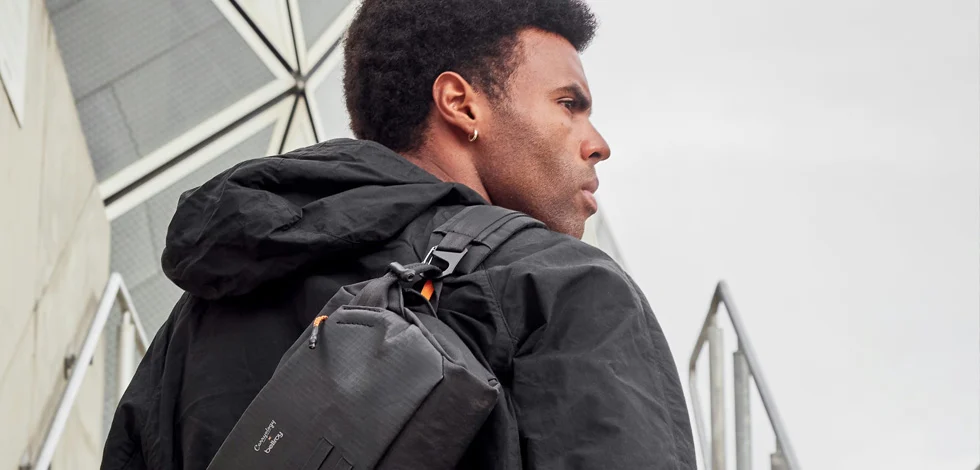
The sling bag, once relegated to the periphery of fashion as a utilitarian relic of the 1980s, has undergone a radical transformation to become the most significant growth category in the global carry industry over the last five years. Often misunderstood and frequently subjected to a revolving door of nomenclature—ranging from fanny packs and bum bags to hip packs and cross-body organizers—the sling bag has survived a tumultuous history of peak popularity and cultural derision. Today, the accessory stands as a cornerstone of the Every Day Carry (EDC) movement, bridging the gap between high-fashion aesthetics and technical functionality. This resurgence is not merely a cyclical fashion trend but a response to shifting technological needs, urban mobility patterns, and a fundamental change in how individuals interact with their personal essentials.
The Historical Trajectory of the Waist and Shoulder Pack
The lineage of the sling bag can be traced back millennia, rooted in the basic human necessity to carry small items while keeping the hands free. Indigenous cultures across the globe utilized various forms of waist-mounted pouches made of leather or woven fibers for foraging and tool transport. However, the modern iteration of the "sling" began to take shape in the mid-20th century. In the 1950s, leather pouches became popular among European skiers who needed a secure way to carry wax and snacks without the bulk of a traditional rucksack.
The 1980s marked the first true "boom" for the accessory. Rebranded as the "fanny pack" in North America and the "bum bag" in the United Kingdom, the items were manufactured in vibrant, neon-colored nylons, mirroring the decade’s obsession with aerobics and synthetic textiles. By 1988, Adweek named the fanny pack the "Product of the Year," citing its ubiquity among tourists and athletes alike.
However, the 1990s and early 2000s saw the category enter an "international faux pas era." The bag became a visual shorthand for the unfashionable tourist, often associated with bulky silhouettes and poor styling. This cultural stigma led to a nearly two-decade decline in mainstream popularity, during which the bag was largely abandoned by fashion houses and relegated to the clearance bins of sporting goods stores. The journey from this low point to its current status as a "must-have" item represents one of the most successful identity pivots in the history of soft goods.
The Strategic Shift: From Waist to Chest Carry
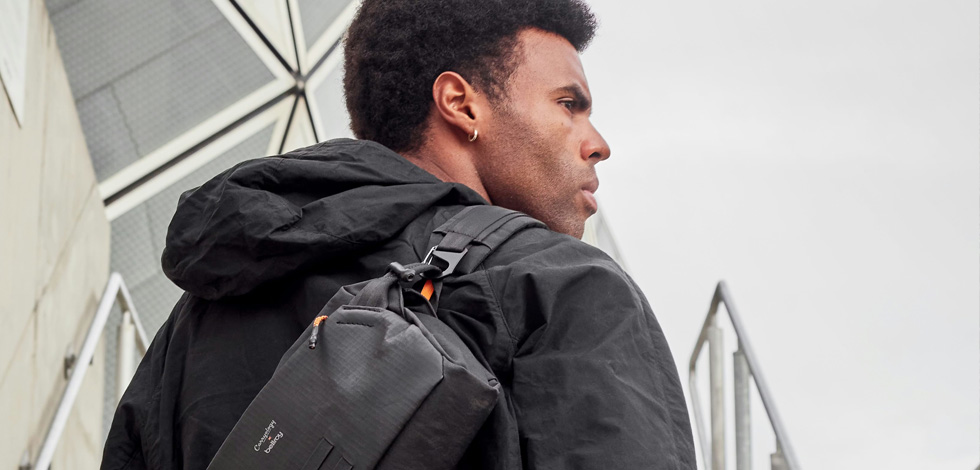
The pivotal moment in the sling bag’s redemption was not a change in the bag itself, but a change in how it was worn. The transition from "waist carry" to "diagonal chest carry" effectively rebranded the accessory for a new generation. By wearing the bag across the torso, users found a more secure, ergonomic, and aesthetically pleasing way to access their belongings.
This shift was driven largely by the streetwear movement and the rise of "techwear"—a subculture focused on high-performance fabrics and utilitarian design. Brands like Acronym and various Japanese labels began experimenting with asymmetrical carry systems that prioritized quick access. This "cross-body" orientation allowed for better weight distribution and prevented the bag from bouncing against the hips during movement, making it ideal for urban commuters and cyclists.
Supporting Data: The Economic Impact of the Sling Resurgence
The commercial performance of the sling bag category reflects its newfound dominance. According to market research data from the NPD Group, sales of "waist packs" and small cross-body bags grew by triple digits between 2017 and 2022. In the luxury sector, the impact is even more pronounced. Reports from Bain & Company indicate that accessories, specifically small leather goods and "hands-free" bags, accounted for a significant portion of the 20% growth seen in the global personal luxury goods market in 2022.
Furthermore, the rise of the "Every Day Carry" (EDC) community has fueled a secondary market for high-end, technical slings. Online forums and carry-focused publications have seen a 400% increase in engagement regarding sling bag reviews compared to traditional backpacks. This data suggests that consumers are increasingly looking for specialized solutions for smaller payloads, moving away from the "one large bag for everything" mentality.
Technical Innovation and Material Evolution
Modern slings are no longer simple nylon pouches. The current market is defined by a sophisticated use of materials and hardware that was previously reserved for professional mountaineering gear. Manufacturers have adopted high-performance textiles such as:
- X-Pac: A laminated fabric originally designed for sailcloth, offering extreme water resistance and a high strength-to-weight ratio.
- Cordura Nylon: Specifically 500D and 1000D variants, known for their abrasion resistance and durability.
- Dyneema: Often referred to as the world’s strongest fiber, used in ultra-lightweight, high-end slings.
- Fidlock Buckles: Magnetic fasteners that allow for one-handed operation, a hallmark of modern "tech" slings.
The internal architecture of these bags has also evolved. As smartphones have increased in size and price, slings have incorporated dedicated, fleece-lined compartments. The proliferation of wireless earbuds, portable power banks, and multi-tools has necessitated complex internal organization, including elastic webbing and zippered mesh pockets. This level of engineering reflects the sling’s role as a "mobile command center" for the modern professional.
The Role of Technology in Driving the Trend
The primary driver behind the sling bag’s permanence is the evolution of personal technology. In the early 2000s, the "laptop bag" was the standard because the laptop was the essential tool. Today, the smartphone is the primary device, and for many, it is the only device needed for a day in the city.
As mobile devices have become more capable, the need for a 20-liter backpack has diminished for the average urbanite. The sling bag provides exactly enough space for a phone, a wallet, keys, and perhaps a tablet or a camera. It addresses the "pocket overflow" problem created by modern smartphones, which have grown too large for comfortable carry in standard trouser pockets. This technological downsizing has made the sling the most logical choice for the modern "minimalist" lifestyle.
Industry Perspectives and Reaction
Designers across the industry have noted that the sling bag represents a unique challenge in ergonomics. "A sling has to be comfortable in three different positions: on the back, on the chest, and at the side," noted a lead designer for a prominent San Francisco-based carry brand. "Unlike a backpack, which has two points of contact, a sling must remain stable while being asymmetrical. This has forced the industry to innovate with pivoting strap attachments and contoured back panels."
Retailers have also adjusted their inventories to reflect the sling’s dominance. Major outdoor retailers that once stocked only a handful of waist packs now feature dedicated "Sling and Crossbody" sections, often positioned at the front of the store. The consensus among retail analysts is that the sling has successfully shed its "tourist" reputation and is now viewed as a legitimate, gender-neutral accessory that appeals to Gen Z and Millennials’ preference for functional, modular gear.
Broader Implications and the Future of Carry
The rise of the sling bag is a symptom of a broader shift toward "agile" urban living. As more people move into dense urban environments and rely on public transit, micro-mobility (scooters and e-bikes), and walking, the demand for compact, secure, and accessible carry solutions will only increase.
Looking forward, the category is expected to integrate more deeply with "smart" technology. We are already seeing the introduction of slings with integrated RFID-blocking materials to prevent digital theft and bags featuring built-in charging ports. Sustainability is also becoming a major factor, with brands moving toward recycled ocean plastics and carbon-neutral manufacturing processes to appeal to the environmentally conscious consumer.
The sling bag’s journey from a 1950s ski accessory to an 80s fad, a 90s joke, and finally a 21st-century essential is a testament to the power of design evolution. It is no longer a "misunderstood" bag; it is a refined response to the complexities of modern life. By prioritizing access, security, and technical prowess, the sling bag has secured its place as a permanent fixture in the landscape of human carry, proving that utility, when executed with intentionality, will always find its way back into favor.