
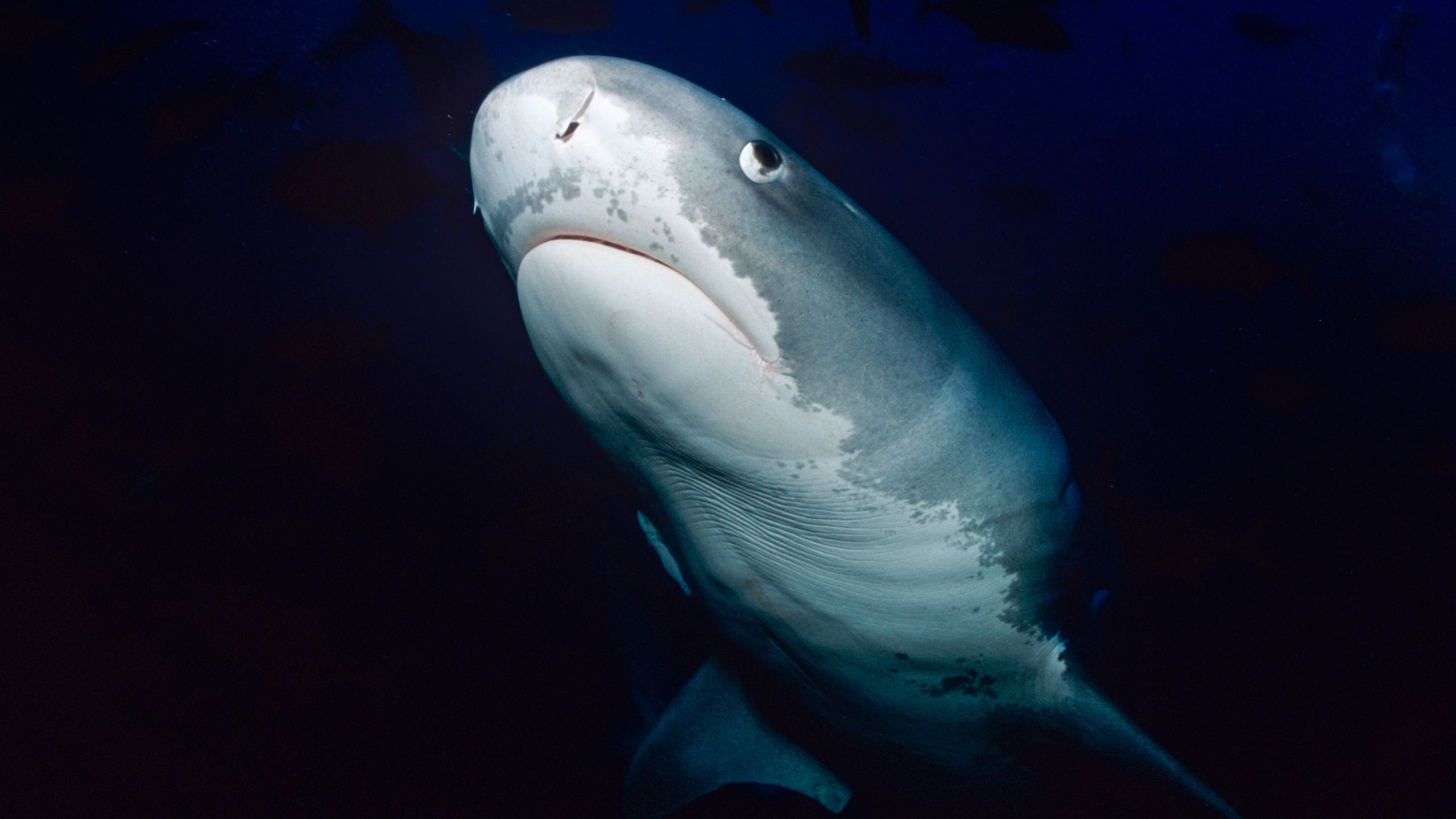
Marine conservation advocates and wildlife photographers are once again confronting the grim reality of illegal high-seas exploitation after a dive tour leader and underwater filmmaker documented a severely mutilated tiger shark in the southern Maldives. Xabi Romero, an Argentinian-Spanish photographer working in the region, captured footage of the juvenile female shark—locally recognized and named Fin—gliding near the coral-covered seafloor of Fuvahmulah, a single-island atoll recognized as a UNESCO Biosphere Reserve.
The resulting digital media, which rapidly disseminated across Instagram and other global social networks, has ignited renewed outrage and international discussion regarding the efficacy of marine protections. While the discovery underscores the vital role that visual journalism plays in exposing environmental crimes, it simultaneously exposes the stark vulnerabilities that persist in remote maritime territories, where regulatory enforcement often lags behind sophisticated illicit networks.
Anatomy of an Encounter: The Discovery at Fuvahmulah
The incident occurred while Romero and a fellow camera operator were navigating the clear, biodiverse waters off Fuvahmulah. Initially mistaking the marine animal for an unusual silhouette, Romero soon recognized the severe physical trauma inflicted upon the juvenile tiger shark. Commercial fishermen had systematically removed her pectoral and dorsal fins, leaving only the upper portion of her caudal (tail) fin intact, before casting her back into the open ocean to succumb to her injuries.
"This is the saddest encounter of my life," Romero wrote in his widely viewed social media post, describing the experience as an emotional low point in his career as a marine filmmaker.
The shark, identified by local dive operators and researchers as "Fin," had previously been documented as a healthy, intact juvenile interacting peaceably with marine eco-tourists in the area. Her survival following the mutilation was severely compromised; without complete fins, apex predators lose their hydrodynamic stability, rendering them unable to hunt effectively, maintain buoyancy, or escape secondary predators. This calculated cruelty is emblematic of the broader shark finning trade, where animals are routinely stripped of their most valuable anatomical parts and discarded alive to maximize limited cargo space on fishing vessels.
The Mechanics and Global Economy of Shark Finning
Shark finning is globally condemned by marine scientists, conservation organizations, and international environmental bodies as an exceptionally wasteful and destructive practice. Driven primarily by the culinary demand for shark fin soup—a traditional status symbol and delicacy across various Asian markets, including mainland China, Taiwan, and Hong Kong—the trade commands exorbitant prices. A single set of dried fins can fetch hundreds or even thousands of dollars on the international black market, creating a lucrative incentive that overshadows ecological concerns.
According to data compiled by conservation groups such as the International Union for Conservation of Nature (IUCN) and the Shark Specialist Group, an estimated 73 to 100 million sharks are killed annually to supply the global fin trade. This unsustainable mortality rate has driven numerous shark species toward the brink of extinction. Because apex predators like tiger sharks reproduce slowly, mature late, and produce small litters, their populations are exceptionally vulnerable to overexploitation. The loss of these keystone species triggers cascading ecological impacts throughout marine ecosystems, including the destabilization of lower-tier marine food webs and the degradation of coral reef health.
Regulatory Frameworks and Enforcement Challenges in the Maldives
The Maldives occupies a unique position in global shark conservation. As a nation heavily reliant on marine biodiversity for its foundational luxury tourism and diving economy, the Maldivian government instituted landmark protective legislation decades ahead of many neighboring states. In 2010, the country enacted a nationwide, comprehensive ban on all shark fishing within its territorial waters, expanding these protections in subsequent years to explicitly prohibit the catching, retaining, or processing of tiger sharks, whale sharks, and other vulnerable pelagic species.
To enforce these rules, maritime authorities have increasingly deployed technological solutions, including mandated vessel monitoring systems and GPS tracking devices on commercial fishing fleets. Furthermore, marine protected areas such as the Fuvahmulah Biosphere Reserve are subject to strict zoning, constant patrols by the Maldivian Coast Guard, and vigilant reporting by professional dive operators and eco-tourism enterprises.
Despite these stringent legal frameworks, enforcement gaps persist. The vast expanse of the Maldivian archipelago—comprising over 1,190 coral islands spread across nearly 90,000 square kilometers of the Indian Ocean—makes continuous, real-time surveillance nearly impossible. Unscrupulous commercial operators frequently exploit nighttime hours, territorial boundaries, or remote atolls to engage in illegal, unreported, and unregulated (IUU) fishing. Observers note that while domestic commercial fishers largely adhere to the ban due to severe penalties, foreign vessels or rogue operators occasionally cross into Maldivian waters specifically to target high-value pelagic species.
The Chronology of Response and Artistic Activism
Following his initial discovery, Romero returned to the waters of Fuvahmulah in an attempt to document Fin further, transforming his personal grief into a campaign for advocacy.
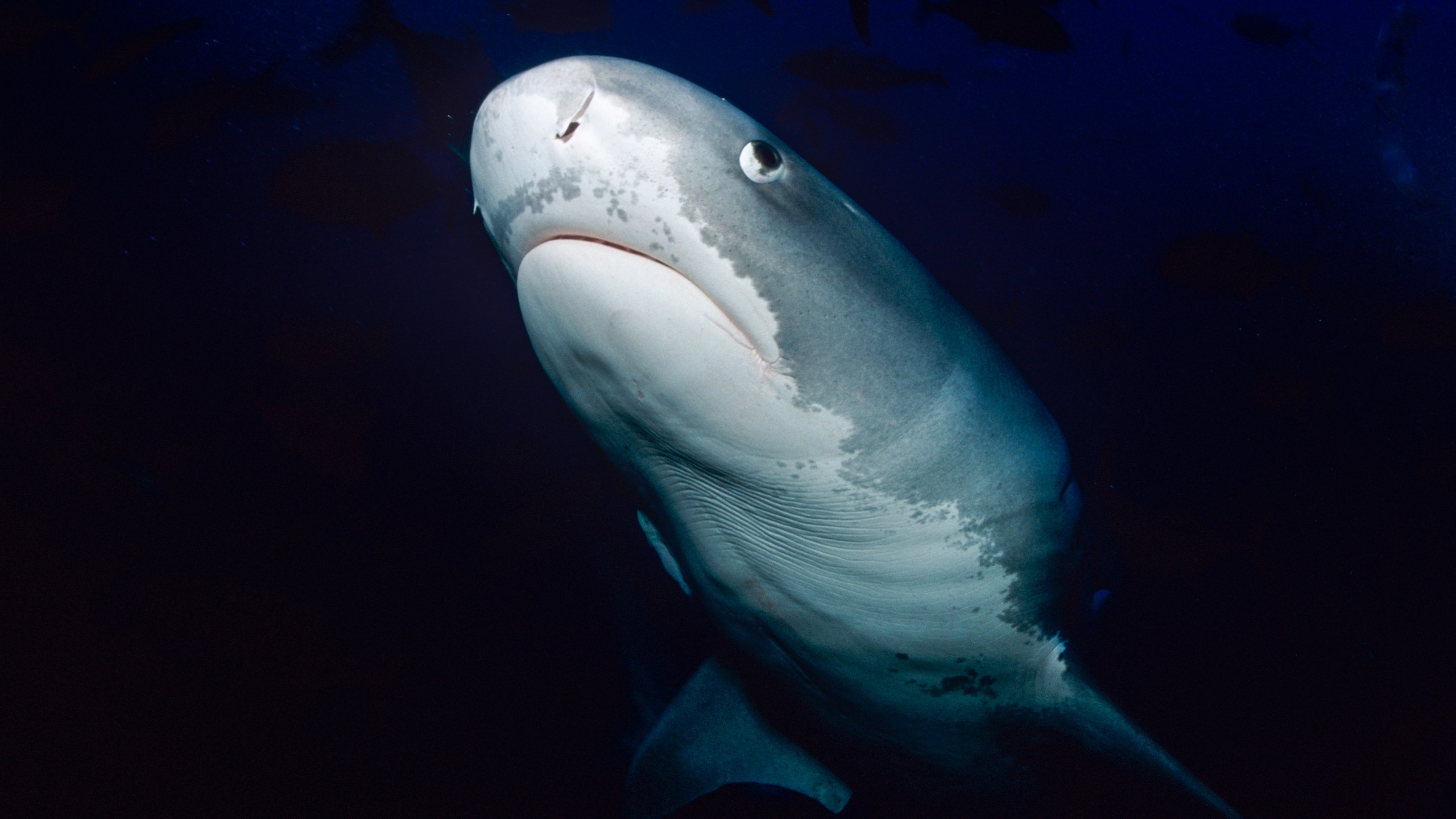
"I became obsessed with photographing Fin," Romero stated in follow-up accounts. "Seeing her for the first time made me so sad, and I felt like that was a feeling worth sharing."
Recognizing the power of visual media to mobilize public opinion, Romero produced high-resolution fine-art prints featuring the mutilated shark. He offered these photographs for public purchase, pledging a portion of the financial proceeds to marine conservation initiatives dedicated to protecting shark populations. While specific financial breakdowns and recipient organizations were not publicly detailed, the initiative exemplifies a growing trend among contemporary wildlife photographers who leverage digital platforms not merely for aesthetic documentation, but as direct conduits for philanthropic fundraising and environmental activism.
Broader Implications for Marine Conservation and Eco-Tourism
The viral spread of Fin’s story highlights a broader shift in how environmental crimes are exposed and prosecuted in the digital age. Historically, illegal fishing practices in remote oceanic zones remained entirely hidden from the public eye, insulated by the vastness of the sea. Today, the proliferation of accessible underwater imaging technology, coupled with global social media distribution networks, transforms recreational divers and filmmakers into frontline citizen journalists.
However, marine experts caution that viral outrage, while crucial for generating awareness, must be translated into sustained systemic pressure. The survival of apex predators like tiger sharks depends heavily on international cooperation to curb consumer demand for shark fin products in destination markets. Without parallel law enforcement crackdowns on the import and sale of fins in major trade hubs, local protections in sanctuaries like the Maldives will remain constantly undermined by transnational black-market networks.
As marine authorities review the incident and local conservationists continue to monitor the waters of Fuvahmulah, the legacy of Fin serves as both a tragic testament to human cruelty and a powerful catalyst for global environmental accountability. The imperative moving forward remains clear: bridging the gap between progressive local legislation and infallible maritime enforcement, ensuring that sanctuaries established to protect marine life can fulfill their protective promise in an increasingly pressured global ocean.