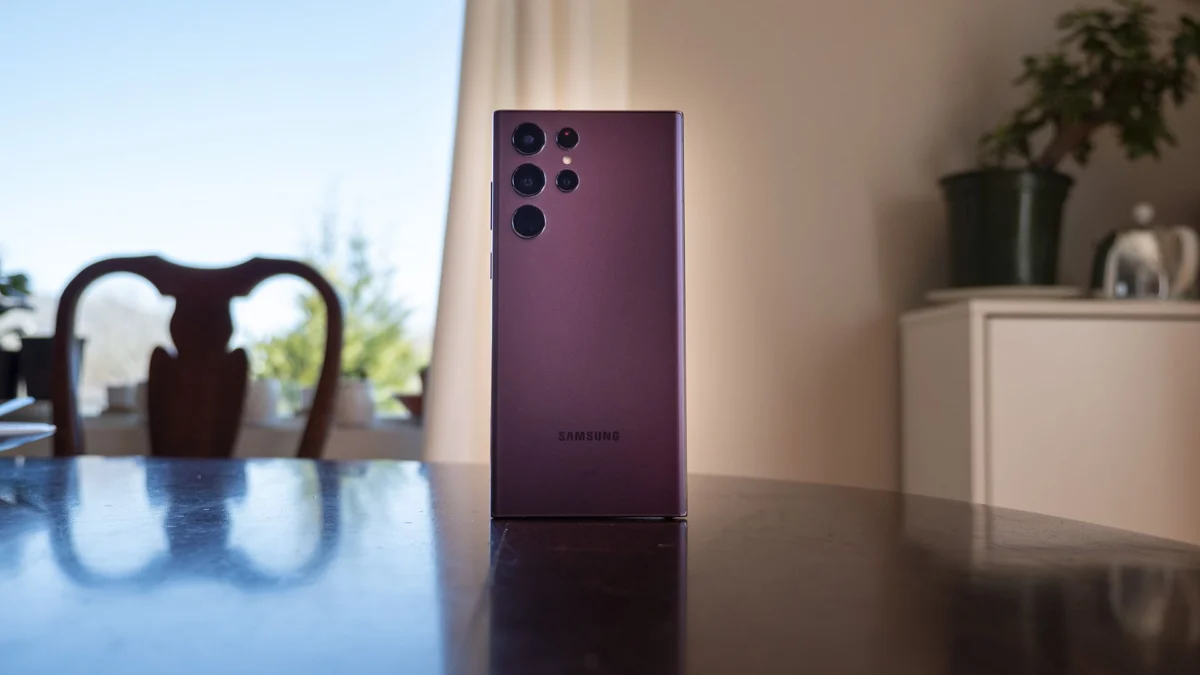
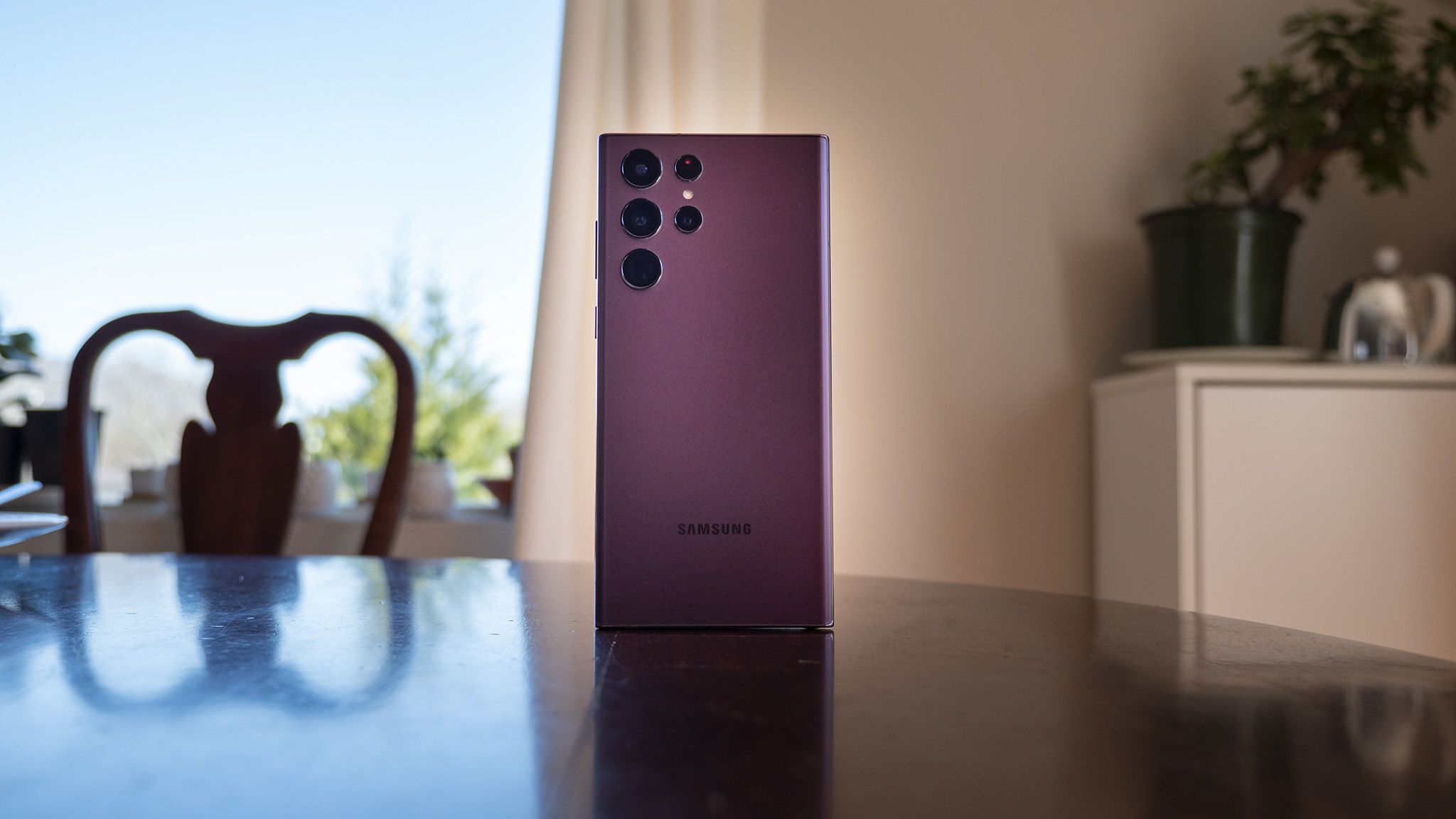
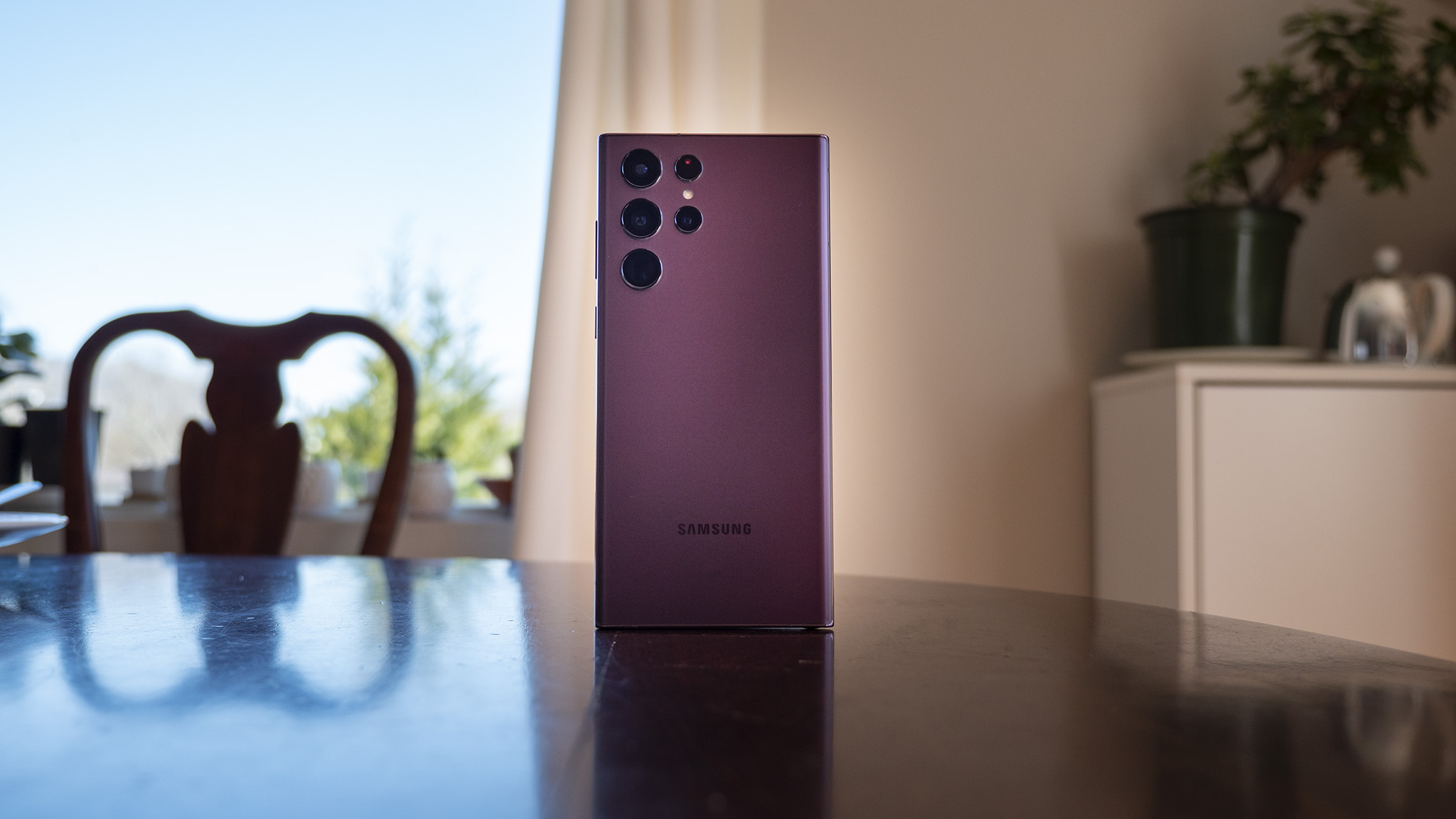
Samsung Electronics has been handed a substantial financial penalty by South Korean regulatory authorities following a high-profile investigation into deceptive marketing practices surrounding the gaming performance of several flagship devices. The Korea Fair Trade Commission (KFTC) officially imposed a fine of 20 billion KRW, approximately equivalent to $15 million USD, targeting misleading promotional campaigns associated with the Galaxy S21, Galaxy S22, and Galaxy Tab S8 product lines.
The regulatory action concludes a lengthy inquiry into how Samsung advertised the processing capabilities of its high-end hardware, specifically regarding how the company managed hardware limitations during intensive mobile gaming sessions. According to regulatory findings, promotional materials heavily emphasized rapid screen transitions, vivid graphical effects, and seamless rendering capabilities to highlight the processing power of these premium gadgets. However, consumers who purchased the devices experienced performance outcomes that frequently fell short of these heavily marketed benchmarks due to an internal software protocol known as the Game Optimizing Service (GOS).
Background Context and the Mechanics of the Game Optimizing Service
At the heart of the regulatory dispute is the Game Optimizing Service, an application pre-installed on millions of Samsung devices designed to monitor and control thermal output during extended usage periods. While modern smartphones and tablets are equipped with sophisticated internal cooling systems, high-intensity applications such as 3D mobile games can quickly generate excessive heat, potentially leading to hardware degradation, thermal throttling, or unexpected system shutdowns.
Originally marketed as an intelligent heat management tool, the GOS came under intense scrutiny from consumer advocacy groups and tech enthusiasts in early 2022. Investigators discovered that the software intentionally limited the performance capacities of the device’s central processing unit (CPU) and graphics processing unit (GPU) whenever a recognized game was launched. Rather than dynamically scaling back resources strictly in response to dangerous temperature thresholds, the GOS reportedly applied performance caps universally upon application startup, regardless of whether the physical hardware was cold or overheating.
This proactive restriction resulted in noticeable frame rate drops, visual stuttering, screen freezing, and input lag during gameplay—experiences diametrically opposed to the fluid, high-performance gaming scenarios depicted in Samsung’s official marketing advertisements. The KFTC noted that gaming performance serves as a primary metric for consumers evaluating the overall capability of premium smart devices, making transparency regarding hardware limitations crucial for fair consumer choice.
Chronology of the Controversy and Regulatory Investigation
The controversy first erupted in the public domain in early 2022, when tech communities and benchmarking analysts discovered that Samsung devices were artificially throttling thousands of applications while benchmark software like Geekbench remained unaffected. This revelation led to widespread consumer backlash across South Korea and global markets, prompting international tech platforms to temporarily delist several Samsung Galaxy models from standardized performance databases due to compromised integrity.
In response to the mounting public pressure and consumer complaints, Samsung released software updates later that year allowing users to manually disable the GOS performance limits via the Game Booster settings menu. Despite these patches, consumer rights organizations in South Korea filed formal grievances with antitrust authorities, demanding an official investigation into potential violations of the Act on Fair Labeling and Advertising.
The KFTC launched its formal inquiry later in 2022, scrutinizing corporate communications, advertising scripts, and software engineering documents. The investigation culminated in the recent $15 million penalty, marking one of the most significant regulatory actions taken against a major smartphone manufacturer for software-induced performance throttling.
Official Responses and Corporate Defense
Samsung Electronics has strongly contested the KFTC’s ruling and the accompanying financial penalty. In statements released following the announcement of the fine, company representatives defended the inclusion and operation of the Game Optimizing Service, maintaining that the software was implemented with consumer safety and experience in mind.
According to Samsung, the GOS acts as a critical stability mechanism intended to prevent extreme overheating and protect hardware integrity, thereby allowing users to enjoy prolonged gaming sessions without risking sudden thermal shutdowns or battery degradation. The technology giant asserted that performance adjustments are a standard and necessary industry practice to balance peak processing capabilities with energy efficiency and thermal management.
Legal representatives for Samsung have indicated that the company plans to formally appeal the KFTC’s decision through the South Korean legal system, arguing that the promotional materials accurately reflected the theoretical maximum capabilities of the hardware under ideal testing conditions rather than intentional deception.
Broader Market Implications and Technological Evolution
The regulatory penalty highlights a growing tension between smartphone manufacturers striving to maximize benchmark performance metrics and the physical realities of thermal management in increasingly compact mobile form factors. As mobile gaming continues to expand, pushing hardware limits with graphically demanding titles such as Wuthering Waves and Genshin Impact, transparency regarding sustained performance versus peak burst performance has become a major industry talking point.
Industry analysts suggest that the KFTC ruling could establish a stringent legal precedent for how hardware manufacturers market processing power, potentially forcing companies to provide explicit disclosures regarding thermal throttling and software-based performance restrictions. Failure to do so could expose multinational tech corporations to substantial financial liabilities and reputational damage in key consumer markets.
Concurrently, Samsung has sought to address the root cause of these thermal management challenges through hardware and architectural advancements. Historical models relying on proprietary Exynos processors frequently faced criticism for rapid heat generation compared to competing Snapdragon counterparts. In recent hardware generations, including the integration of the Exynos 2600 and ongoing development cycles for the anticipated Exynos 2700, Samsung has invested heavily in redesigning internal vapor cooling chambers and optimizing semiconductor efficiency. These engineering improvements aim to deliver sustained high-performance gaming experiences naturally, reducing reliance on aggressive software-side throttling systems and restoring consumer trust in the brand’s flagship ecosystem.