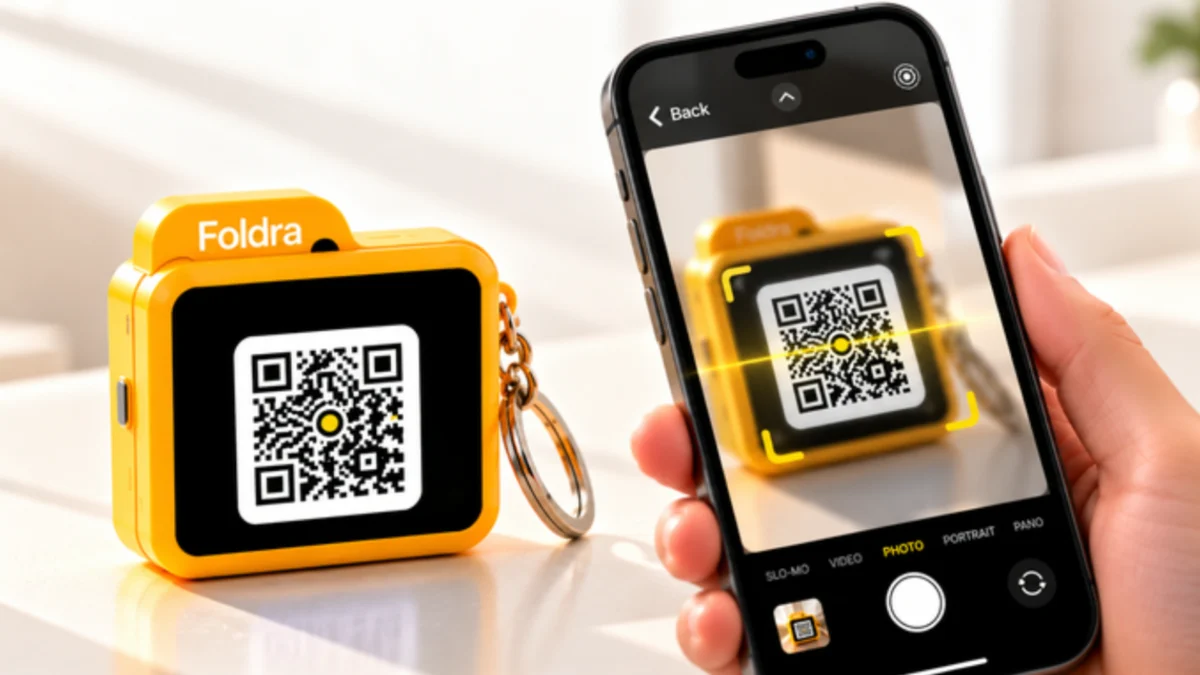
The modern digital landscape is increasingly defined by a heavy reliance on centralized cloud infrastructure. From personal photograph backups to professional document archiving, mainstream consumers and enterprises alike have grown accustomed to storing their data on remote servers managed by technology conglomerates. However, growing concerns regarding data privacy, recurring subscription costs, and internet connectivity requirements have sparked a counter-movement toward local, sovereign data ownership. Entering this evolving market is Foldra, a pocket-sized personal expandable storage device engineered to let users store, access, and share files entirely independent of conventional online cloud platforms or internet service providers.
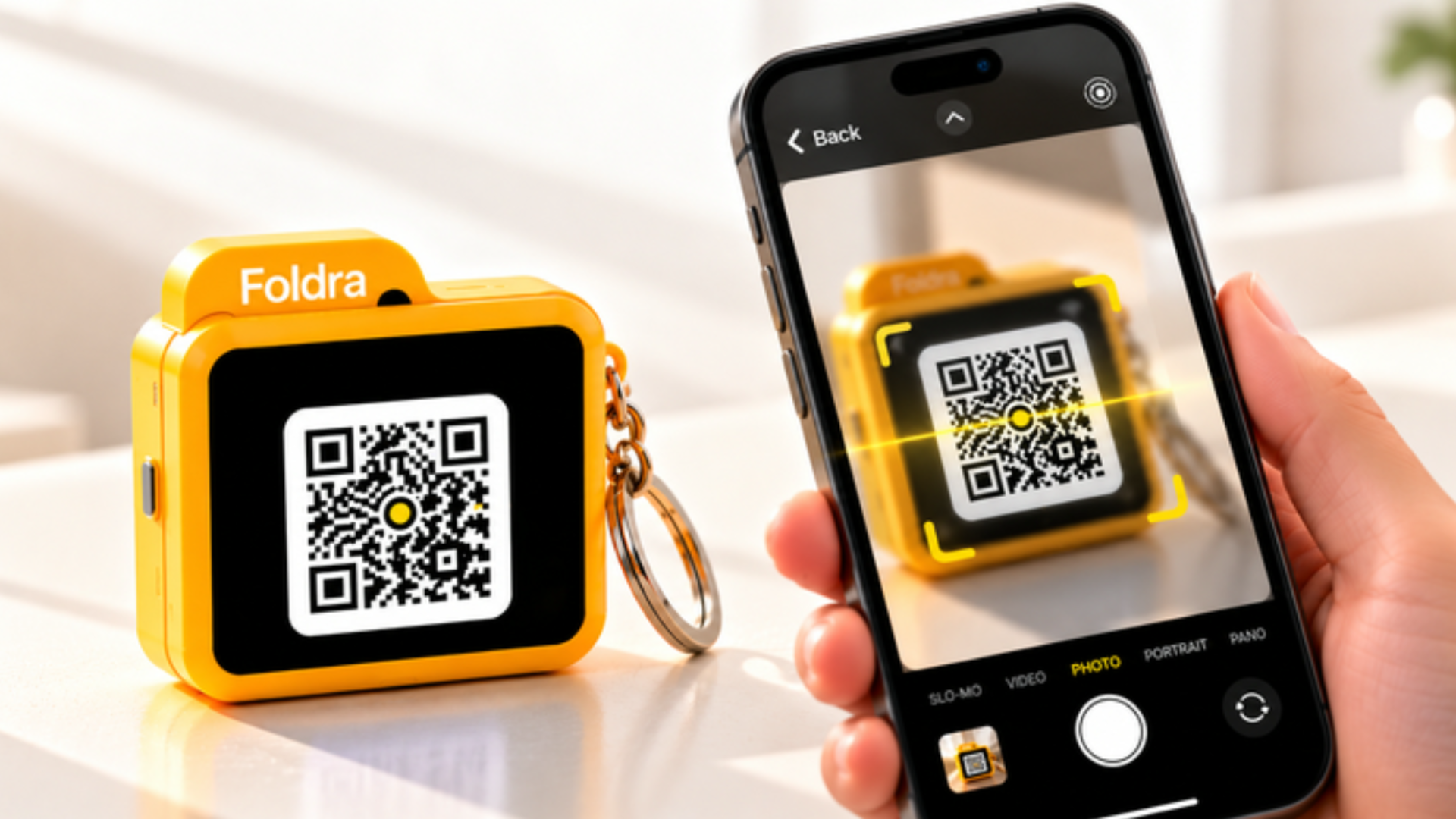
Billed by its creators as the world’s smallest wireless server, Foldra bridges the gap between physical portable storage and localized network hardware. By combining a vibrant touchscreen interface, an integrated rechargeable battery, and robust wireless connectivity within a compact physical footprint, the device aims to redefine how individuals handle personal data on the go. As crowdfunding campaigns gain momentum and privacy-conscious consumers seek alternatives to corporate data silos, Foldra offers a fascinating glimpse into the future of decentralized, pocket-scale computing.
A Portable File Server Equipped with an Integrated Touchscreen
At its core, Foldra functions by generating its own localized private Wi-Fi network. This self-contained network environment enables nearby smartphones, tablets, and laptops to seamlessly connect and access stored documents, media, and backups through an ordinary web browser, eliminating the need for dedicated companion applications or active internet connections.
For initial file transfers or direct high-speed data management, users can connect the device via a standard USB-C port, allowing Foldra to operate just like a conventional removable storage drive. Once disconnected from a host computer, the hardware immediately transitions back to wireless operation, maintaining local network accessibility for all paired client devices.
Navigation and device management are handled through a 480 × 480-pixel AMOLED touchscreen. This crisp display provides users with intuitive controls for browsing file directories, monitoring remaining storage capacity, managing active wireless connections, and adjusting system settings. Furthermore, storage expandability is addressed via an integrated microSD card slot capable of accommodating high-capacity cards reaching up to 1TB. An internal rechargeable battery ensures that the device can operate untethered from a permanent power source for extended periods.
Under the hood, Foldra is powered by an ESP32-S3R8 microcontroller processor, complemented by 8MB of PSRAM and 16MB of flash memory. This lean yet capable hardware architecture allows the device to run more than 15 built-in applications covering a diverse range of functions, including media playback, productivity, security, and casual entertainment. Users can preview photographs, play WAV audio files, watch MJPEG videos, maintain digital notes, manage task lists, and utilize a built-in focus timer. Additional utilities include simple arcade-style games, activity tracking logs, network selection tools, PIN code protection, and a movement-triggered locking mechanism designed to secure data if the device is abruptly shifted or misplaced.
To enhance user interaction, Foldra incorporates an internal speaker that emits audible alerts for various operational events, such as completed file transfers, successful device connections, security locking, and a locating feature to help users find misplaced hardware nearby. Users retain full control over these audio outputs, with options to adjust volume levels or disable the speaker entirely when discretion is required.
Empowering Developers with Open Documentation and Customization
Recognizing the enthusiasm of the maker and developer communities, the creators of Foldra have structured the project to encourage hardware and software modification. Comprehensive software code and hardware documentation are slated for release, allowing developers to dive deep into the device’s programming interfaces, explore its application ecosystem, and even adapt the physical enclosure design using 3D printing or custom manufacturing techniques.
To cater to different tiers of consumers and developers, the product lineup features distinct pricing editions. The standard edition of Foldra is priced at $89, while a specialized $139 Maker Edition includes additional tools, documentation, and resources tailored specifically for users who wish to program, hack, and customize the hardware. For collectors and enthusiasts, a personalized $179 Signature Edition is available, alongside a multi-device package priced at $249 that includes three standard units for mesh networking or expanded storage deployments.
Crowdfunding Momentum and Project Timeline
The path from concept to commercial reality is currently being charted through a crowdfunding campaign hosted on Kickstarter. The project initially launched with a modest funding goal of $5,000, a threshold it rapidly surpassed within the opening hours of the campaign. As of the time of writing, Foldra has successfully raised $47,970 from 347 backers, with 12 days remaining in the funding cycle.
To incentivize early adopters, the campaign introduced tiered pricing structures. These included an extremely limited $79 founders’ offer available exclusively during the first 48 hours, followed by an $89 early bird tier restricted to the first 50 backers, and a standard campaign edition priced at $99.
The project roadmap outlines a methodical schedule for production and fulfillment. According to the official campaign timeline, component sourcing and bulk purchasing are scheduled to commence in December 2026. This will be followed by full-scale manufacturing, assembly, and rigorous quality assurance checks throughout January and February 2027. If the timeline holds, final packaging and estimated product deliveries to backers are slated to begin in March 2027.
Industry Observers Urge Caution Amid Crowdfunding Realities
While the concept of a pocket-sized, cloud-independent wireless server has generated considerable enthusiasm among tech enthusiasts and privacy advocates, industry analysts and consumer technology experts consistently advise caution when participating in crowdfunding initiatives.
Crowdfunding platforms, while instrumental in bringing innovative hardware concepts to life, carry inherent financial and operational risks. Common challenges facing hardware startups include unforeseen supply chain bottlenecks, component shortages, manufacturing defects, customs clearance delays, and, in worst-case scenarios, the complete failure to deliver the promised product.
The ultimate real-world utility and market viability of Foldra will depend heavily on several critical performance factors once mass production units reach consumers. Key metrics to watch include real-world storage read/write speeds, actual battery longevity under continuous wireless load, wireless signal stability in congested environments, and the overall polish and responsiveness of the onboard software interface. Potential backers and prospective buyers are therefore encouraged to thoroughly evaluate the project details, weigh the inherent risks of hardware development, and proceed entirely at their own discretion.
Broader Implications for Data Privacy and Portable Computing
The emergence of devices like Foldra reflects a broader cultural and technological shift questioning the dominance of subscription-based cloud storage models. For years, consumers have traded localized control for the convenience of remote accessibility, accepting recurring monthly fees and trusting third-party corporations with their most sensitive personal documents, family photographs, and professional files.
However, recurring data breaches, unexpected account closures, shifting terms of service, and rising cloud subscription costs have catalyzed a renewed interest in "local-first" software and hardware architectures. By packing server-grade file-sharing capabilities, an interactive touchscreen, and expandable storage into a device small enough to slip into a pocket, projects like Foldra demonstrate that personal data sovereignty does not have to come at the expense of portability or modern convenience.
Whether Foldra can successfully transition from an ambitious Kickstarter campaign into a reliable, commercially viable everyday carry gadget remains to be seen. Nonetheless, as developers continue to push the boundaries of micro-scale computing and decentralized networking, devices that empower users to own, manage, and protect their digital lives locally will undoubtedly play a pivotal role in the future of personal technology.