

UK Splash 81m warning system climate catastrophes: As climate change intensifies, the UK faces a growing threat from extreme weather events like flooding, coastal erosion, and storm surges. To protect its citizens, the UK has developed a sophisticated 81m splash warning system.
This system utilizes a network of sensors, data analysis, and communication channels to alert communities about impending threats, giving them precious time to prepare and evacuate if necessary.
The 81m splash warning system is a vital tool in the UK’s strategy to mitigate the impact of climate-related disasters. It relies on a combination of traditional methods like sirens and public announcements, as well as modern technologies such as mobile apps and real-time data analysis.
This comprehensive approach ensures that warnings reach a wide audience and are delivered with the utmost speed and accuracy.
Technological Advancements in Warning Systems
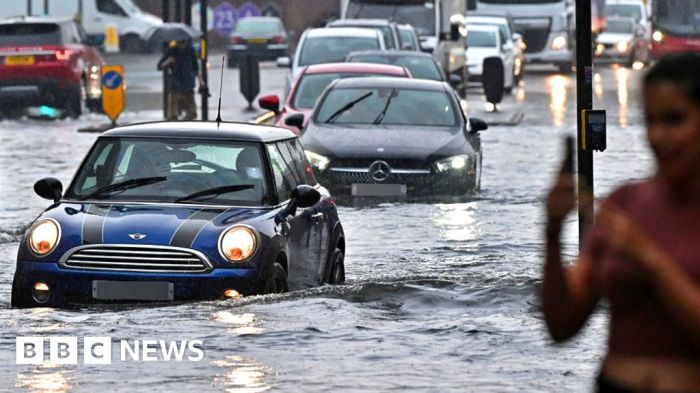
The world is facing increasingly frequent and severe climate-related disasters. To mitigate the impact of these events, it is essential to have effective early warning systems in place. Traditional warning systems, often based on weather forecasts and limited communication channels, are being augmented by a range of modern technological advancements that offer greater accuracy, speed, and reach.
Enhance your insight with the methods and methods of evernote acquired how new owner can fix it.
Real-Time Data Analysis
Real-time data analysis plays a critical role in improving the accuracy and timeliness of warning systems. Modern warning systems leverage a wide array of sensors, including weather stations, satellite imagery, and even citizen-generated data, to collect real-time information about environmental conditions.
This data is then processed using sophisticated algorithms and machine learning models to identify potential hazards and generate warnings.
AI-Powered Prediction Models
Artificial intelligence (AI) is transforming the way we predict and respond to climate-related disasters. AI-powered prediction models can analyze vast amounts of data, including historical weather patterns, climate projections, and real-time sensor readings, to identify potential risks and forecast the severity and timing of events.
These models can provide more accurate and detailed warnings, allowing authorities to prepare for and respond to disasters more effectively.
Drone Surveillance
Drones are increasingly being used for surveillance and monitoring in disaster response efforts. Drones equipped with high-resolution cameras and sensors can provide real-time aerial imagery of affected areas, helping to assess damage, identify vulnerable populations, and coordinate rescue operations.
They can also be used to deliver emergency supplies and communicate with isolated communities.
Benefits of Modern Technologies
Modern technological advancements in warning systems offer a range of benefits, including:
- Increased Accuracy:Real-time data analysis and AI-powered prediction models enable more accurate forecasts of potential hazards, leading to more reliable warnings.
- Faster Response Times:The ability to process and disseminate information quickly allows authorities to issue warnings more promptly, giving people more time to prepare.
- Wider Reach:Modern technologies, such as mobile phone alerts and social media platforms, can reach a wider audience, ensuring that warnings reach even remote and marginalized communities.
Comparison with Traditional Systems
Traditional warning systems often relied on limited data sources, manual processes, and broadcast media for dissemination. This resulted in slower response times, less accurate forecasts, and limited reach. Modern technological advancements have significantly improved upon these limitations, offering a more comprehensive and effective approach to early warning.
Public Awareness and Preparedness
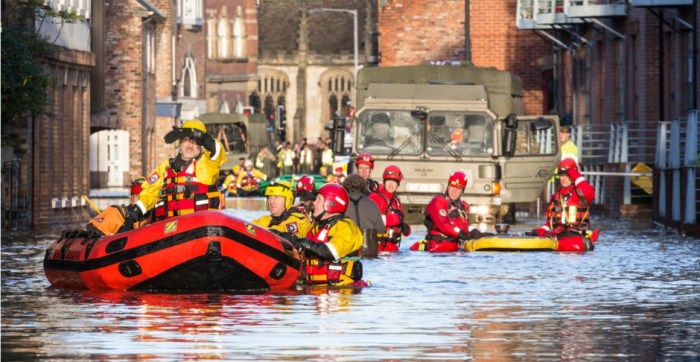
A robust warning system is only as effective as the public’s understanding and preparedness. Educating citizens about the 81m splash warning system and empowering them with knowledge to act is crucial for minimizing the impact of extreme weather events.
Public Awareness Campaign
A comprehensive public awareness campaign is essential to ensure widespread understanding and adoption of the 81m splash warning system. The campaign should utilize multiple communication channels, including:
- Public Service Announcements (PSAs):Engaging PSAs can be disseminated through television, radio, and social media platforms, highlighting the importance of the warning system and the steps individuals should take when an alert is issued.
- Community Outreach Programs:Workshops, presentations, and public meetings can be organized in local communities to provide detailed information about the warning system, its functionality, and how to access alerts.
- Educational Resources:A dedicated website and mobile application can provide comprehensive information about the 81m splash warning system, including FAQs, preparedness tips, and real-time alerts.
- Partnerships with Local Media:Collaboration with local newspapers, radio stations, and television channels can ensure widespread dissemination of information about the warning system and related preparedness measures.
Individual Preparedness
The 81m splash warning system serves as a crucial tool for early warning, but individuals must also take proactive steps to prepare for potential emergencies triggered by extreme weather events.
“Preparedness is not just about surviving an emergency; it’s about minimizing the impact on your life and community.”
Here’s a table outlining steps individuals can take to prepare:
| Step | Action |
|---|---|
| 1. Know Your Risk | Identify potential hazards in your area, such as flooding, landslides, or high winds. |
| 2. Develop an Emergency Plan | Create a plan for evacuating your home or workplace, including designated meeting points and communication strategies. |
| 3. Prepare an Emergency Kit | Assemble a kit with essential supplies, including food, water, first-aid supplies, medication, flashlights, batteries, and a weather radio. |
| 4. Stay Informed | Subscribe to weather alerts, register for the 81m splash warning system, and monitor local news for updates. |
| 5. Practice Emergency Drills | Conduct regular drills to ensure your family or workplace is prepared to respond effectively in case of an emergency. |
Role of Local Authorities and Community Organizations
Local authorities and community organizations play a vital role in promoting preparedness and resilience. Their responsibilities include:
- Disseminating Information:Sharing timely and accurate information about the 81m splash warning system and related emergency plans through official channels, public meetings, and community outreach programs.
- Supporting Vulnerable Populations:Providing assistance and resources to individuals with disabilities, seniors, and other vulnerable populations to ensure their safety and well-being during emergencies.
- Facilitating Community Collaboration:Encouraging community-based preparedness initiatives, such as neighborhood watch programs and volunteer organizations, to enhance collective resilience.
- Developing and Implementing Emergency Response Plans:Collaborating with emergency response agencies to develop and implement comprehensive plans for managing emergencies triggered by extreme weather events.
International Collaboration and Best Practices: Uk Splash 81m Warning System Climate Catastrophes

The UK’s warning system is a valuable tool for protecting its citizens from climate-related disasters. However, the global nature of climate change necessitates international collaboration and the sharing of best practices to ensure the most effective warning systems are in place.
By learning from other countries and working together, we can improve our ability to prepare for and respond to these events.
Comparison with Other Systems, Uk splash 81m warning system climate catastrophes
The UK’s warning system can be compared and contrasted with similar systems in other countries to identify best practices and areas for improvement. For instance, the United States’ National Weather Service (NWS) employs a sophisticated system of weather monitoring and forecasting, using advanced technology and a network of observation stations.
This system provides timely and accurate warnings to the public, allowing for effective preparation and evacuation. Another example is the European Union’s Copernicus Emergency Management Service (CEMS), which provides near real-time information and data on natural disasters, including floods, earthquakes, and wildfires.
CEMS uses satellite imagery, ground-based sensors, and other data sources to provide a comprehensive view of the situation, enabling coordinated response efforts.By analyzing these and other international systems, the UK can identify areas where its system can be strengthened. For example, the UK could consider expanding its use of advanced technology, such as artificial intelligence and machine learning, to enhance the accuracy and speed of its warning system.
International Organizations and Initiatives
Several international organizations and initiatives play a crucial role in promoting disaster preparedness and warning systems globally.
- The World Meteorological Organization (WMO):The WMO is a specialized agency of the United Nations that focuses on weather, climate, and water-related issues. It provides technical guidance and support to member countries in developing and improving their warning systems.
- The United Nations Office for Disaster Risk Reduction (UNDRR):The UNDRR works to reduce the risk of disasters worldwide. It promotes the Sendai Framework for Disaster Risk Reduction, which emphasizes the importance of early warning systems as a critical component of disaster preparedness.
- The International Red Cross and Red Crescent Movement:The Red Cross and Red Crescent Movement provides humanitarian assistance in times of disaster. It works with communities to build resilience and prepare for emergencies, including through the development and implementation of early warning systems.
Challenges and Opportunities
Developing effective global warning systems presents several challenges and opportunities.
