
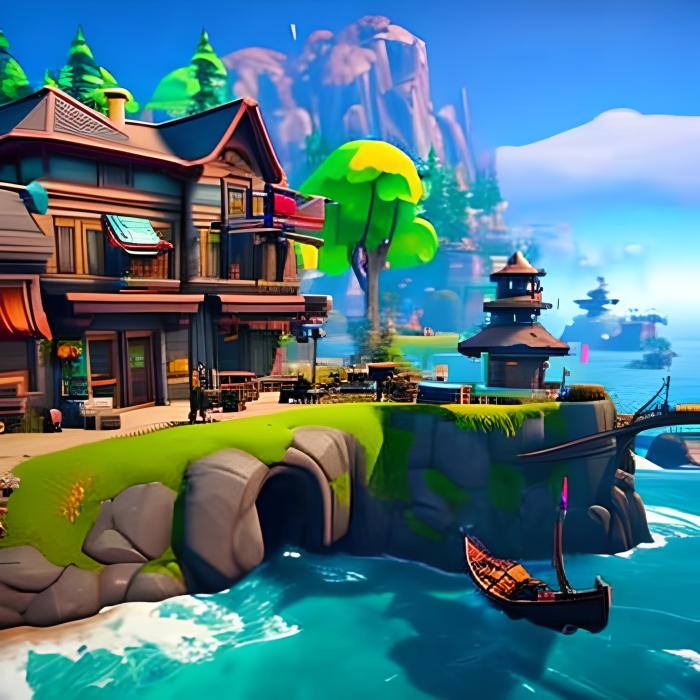
Startups ai fortnite is back – Startups, AI, and Fortnite’s big comeback are shaking up the gaming world. It’s not just about another popular game making a return; it’s about how AI is transforming the way we play, interact, and even design games. Fortnite’s resurgence is a perfect example of how AI is changing the landscape, from bot behavior to map generation, and everything in between.
This isn’t just a trend; it’s a revolution. We’re seeing startups emerge with innovative tools and platforms that are pushing the boundaries of AI in gaming. Imagine a future where games are personalized to your unique preferences, levels are dynamically generated based on your skills, and the very narrative unfolds in response to your choices.
This is the future of AI in gaming, and it’s closer than you think.
The Rise of AI in Gaming: Startups Ai Fortnite Is Back
The integration of artificial intelligence (AI) in gaming has been a transformative journey, marking a significant shift in the industry’s landscape. From the early days of simple, rule-based AI to the sophisticated, adaptive systems of today, AI has steadily evolved, enriching gaming experiences and pushing the boundaries of what’s possible.
The Evolution of AI in Gaming
The history of AI in gaming can be traced back to the early days of video games, where simple AI algorithms were used to create rudimentary enemy behavior. These early AI systems were often predictable and easily exploited by players.
However, over time, significant advancements in AI technology led to the development of more sophisticated and challenging AI opponents.
Understand how the union of intruders face detecting ai security camera fires paintballs teargas paintcam can improve efficiency and productivity.
- Early AI (1970s-1990s):Games like Pac-Man and Space Invaders featured simple AI that followed predefined patterns or rules. These early AI systems were limited in their ability to learn and adapt to player behavior.
- The Rise of Expert Systems (1990s-2000s):Games like chess and Go saw the development of expert systems that could compete with human players at a high level. These systems used sophisticated algorithms and knowledge bases to make strategic decisions.
- Machine Learning and Neural Networks (2000s-Present):The introduction of machine learning and neural networks revolutionized AI in gaming. These technologies enabled AI systems to learn from data and adapt to player behavior in real time. Games like Half-Life 2 and Halo 2 showcased the potential of these advanced AI systems.
AI’s Impact on Gaming Experiences
AI has profoundly impacted gaming experiences, enhancing various aspects of gameplay, including:
Character Behavior
AI has transformed the way characters behave in games, making them more realistic and engaging. Advanced AI systems can now:
- Adapt to Player Behavior:AI opponents can learn from player strategies and adapt their behavior accordingly, creating a more dynamic and challenging experience.
- Exhibit Realistic Emotions:AI-powered characters can express a range of emotions, making them feel more human and relatable.
- Collaborate with Players:AI companions can assist players in completing tasks, providing valuable support and companionship.
Level Design
AI is playing an increasingly important role in level design, creating more engaging and dynamic environments. AI can:
- Generate Procedural Levels:AI can create unique and diverse levels, eliminating the need for developers to manually design every level.
- Adapt Levels to Player Skill:AI can adjust the difficulty of levels based on player skill, ensuring a challenging and rewarding experience.
- Create Dynamic Environments:AI can create interactive environments that respond to player actions, making the game world feel more alive.
Player Interaction
AI is also transforming the way players interact with each other in online games. AI can:
- Facilitate Social Interactions:AI-powered chatbots can help players connect with each other and find teammates.
- Create Personalized Experiences:AI can tailor game content and experiences to individual player preferences.
- Moderate Online Communities:AI can help to identify and prevent toxic behavior in online games.
AI in Popular Games, Startups ai fortnite is back
AI has been successfully implemented in numerous popular games, including:
- Fortnite:Fortnite’s AI-powered bots provide players with challenging opponents, especially for new players. The game’s AI is also used to create dynamic and engaging gameplay scenarios.
- The Last of Us Part II:The game features advanced AI that allows enemies to exhibit realistic behavior, making them more unpredictable and challenging to defeat.
- Red Dead Redemption 2:The game’s AI is responsible for creating a believable and immersive world, with NPCs that react realistically to player actions.
Fortnite’s Return and AI Integration

Fortnite’s return to the gaming scene is a testament to its enduring popularity and its ability to adapt to evolving trends. The game has consistently attracted a massive player base, boasting a vibrant community and a competitive landscape that attracts top-tier players and esports organizations.
The integration of AI has been instrumental in enhancing the game’s experience, offering new challenges, and creating a dynamic and engaging gameplay loop.
AI in Fortnite’s Gameplay Mechanics
The implementation of AI in Fortnite goes beyond simply creating bots to fill empty spaces in matches. It plays a crucial role in shaping the game’s mechanics, enhancing its immersive nature, and providing players with a constantly evolving experience.
- Bot Behavior:Fortnite’s bots are designed to mimic human players, exhibiting varying levels of skill and adapting to the game’s dynamic environment. They can learn from their interactions with players, becoming more challenging over time. This provides a learning curve for new players and a constant source of challenge for veterans.
- Map Generation:The game’s dynamic map generation utilizes AI to create unique and unpredictable landscapes for each match. This keeps the game fresh and prevents players from developing predictable strategies. The AI analyzes player preferences and adjusts map features accordingly, resulting in a more engaging and personalized experience.
- In-Game Events:Fortnite’s in-game events, such as the introduction of new items, weapons, or game modes, are often driven by AI algorithms. These events can be triggered by player actions or based on specific game conditions, creating a sense of surprise and excitement.
The AI can also adjust the difficulty of these events based on player skill levels, ensuring a balanced and enjoyable experience.
Startups and the AI Gaming Landscape
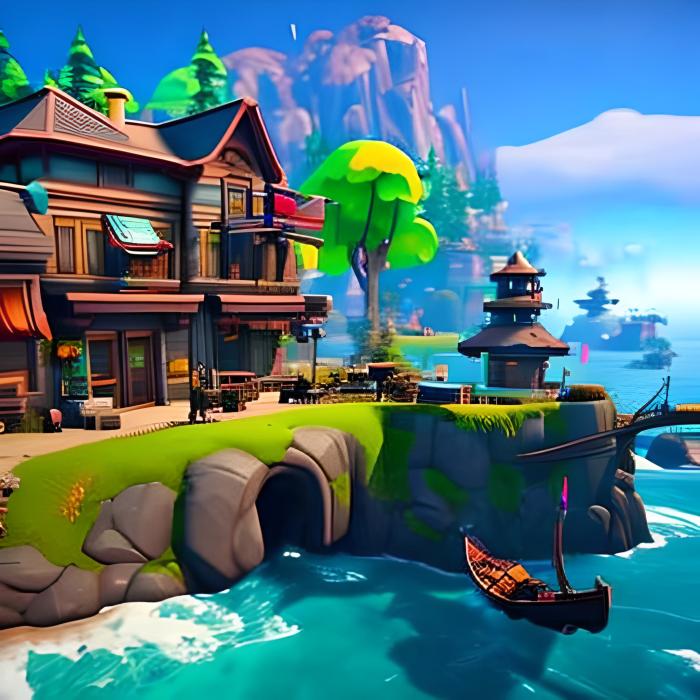
The gaming industry is undergoing a significant transformation, fueled by the rapid advancements in artificial intelligence (AI). This shift is creating a fertile ground for startups to innovate and disrupt traditional gaming practices. Startups are emerging with innovative solutions that leverage AI to enhance game development, personalize player experiences, and revolutionize how we interact with games.
Game Development Tools
AI is transforming game development, empowering creators with powerful tools that streamline workflows and enhance game quality. Startups are leading this charge by developing AI-powered tools that automate repetitive tasks, generate game content, and even design game mechanics.
- AI-powered level design:Startups like Level Up Labs are using AI to automatically generate game levels, reducing development time and increasing the diversity of environments. Their AI algorithms analyze existing levels and generate new ones with similar styles and complexities.
- AI-assisted character animation:Startups like InMotion AI are using AI to create more realistic and expressive character animations. Their AI algorithms analyze motion capture data and generate natural-looking animations, freeing up developers to focus on other aspects of the game.
- AI-driven dialogue generation:Startups like StoryAI are developing AI tools that can generate realistic and engaging dialogue for non-player characters (NPCs). These tools can analyze existing dialogue scripts and generate new lines that are consistent with the character’s personality and the game’s narrative.
Player Analytics and Personalization
AI is enabling game developers to gain deeper insights into player behavior and preferences, allowing them to create more engaging and personalized gaming experiences. Startups are developing AI-powered analytics platforms that collect and analyze player data, providing valuable insights for game design and marketing.
- Player behavior analysis:Startups like GameAnalytics are using AI to track player behavior, identify patterns, and predict player engagement. Their platform analyzes data from in-game events, player interactions, and game mechanics to provide actionable insights that can be used to improve the game.
- Personalized content recommendations:Startups like Playco are using AI to personalize game content recommendations for individual players. Their AI algorithms analyze player preferences and gameplay data to suggest relevant content, such as new levels, challenges, and rewards.
- Adaptive difficulty levels:Startups like Adaptive Games are using AI to adjust game difficulty levels in real-time based on player performance. Their AI algorithms analyze player skill and progress to dynamically adjust the game’s difficulty, ensuring a challenging and engaging experience for all players.
Challenges and Opportunities
The AI gaming landscape presents both challenges and opportunities for startups. Funding, competition, and market adoption are key factors that startups need to navigate.
- Securing funding:Startups in the AI gaming sector face the challenge of securing funding to develop and scale their solutions. While interest in AI gaming is growing, investors are still cautious about investing in unproven technologies.
- Competitive landscape:The AI gaming space is becoming increasingly competitive, with established gaming companies and other startups vying for market share. Startups need to differentiate themselves by offering unique value propositions and building strong brand identities.
- Market adoption:The success of AI gaming solutions depends on their adoption by game developers and players. Startups need to overcome the challenges of convincing game developers to embrace new technologies and players to accept AI-powered features.
The Future of AI in Gaming
The integration of AI in gaming is already transforming the industry, and its impact is only going to become more profound in the years to come. AI will continue to revolutionize gaming experiences, pushing the boundaries of immersion, interactivity, and storytelling.
AI-Powered Immersive Experiences
The future of gaming lies in creating truly immersive experiences, and AI will play a pivotal role in achieving this. AI will enhance virtual reality (VR) and augmented reality (AR) experiences, making them more realistic and engaging. AI-powered NPCs will be able to react dynamically to player actions, creating a sense of genuine interaction within the virtual world.
- AI-Driven Environments:Imagine stepping into a VR world where every element, from weather patterns to the behavior of non-player characters (NPCs), is dynamically generated by AI. This would create a truly dynamic and unpredictable environment, making each playthrough unique.
- Adaptive Difficulty:AI can be used to create adaptive difficulty levels that adjust to the player’s skill level, ensuring a challenging and engaging experience for everyone. This could involve AI-controlled opponents that learn and adapt to the player’s strategies, creating a more dynamic and unpredictable gameplay experience.
- AI-Enhanced Storytelling:AI can be used to create more immersive and engaging storylines. AI-powered characters will be able to react to player choices in a more realistic way, creating a sense of genuine connection and influencing the narrative in a meaningful way.
Ethical Considerations
While the potential of AI in gaming is immense, it’s crucial to address the ethical considerations that come with its widespread adoption.
- Player Fairness:AI-powered opponents need to be designed to ensure fair play for all players. If AI is too powerful or unpredictable, it can create an unfair advantage for some players, leading to frustration and a diminished gaming experience.
- Game Balance:AI needs to be carefully calibrated to maintain game balance. If AI becomes too dominant, it can disrupt the gameplay and make it difficult for players to succeed. This could lead to a sense of unfairness and frustration among players.
- Exploitation of AI:There is a risk of AI being exploited by players to gain an unfair advantage. This could involve manipulating AI algorithms or using AI to cheat in online games. It’s crucial to develop robust safeguards to prevent such exploitation.
A Hypothetical Scenario
Imagine a future where AI-powered gaming platforms seamlessly integrate with real-world experiences. Imagine a VR game where players can interact with AI-controlled NPCs who are indistinguishable from real people, engaging in conversations, forming relationships, and even competing in virtual sports.
These NPCs could be personalized to match the player’s interests and preferences, creating a truly immersive and engaging experience.
- AI-Powered Virtual Worlds:These virtual worlds could be vast and interconnected, with players able to seamlessly transition between different experiences, from exploring historical settings to engaging in thrilling adventures. The AI-powered NPCs could provide guidance, companionship, and even challenge players in ways that are both engaging and rewarding.
- Personalized Gaming Experiences:AI could be used to create personalized gaming experiences tailored to each player’s unique preferences. Imagine a game that adapts its difficulty, story, and even characters based on the player’s feedback and behavior. This would create a truly immersive and engaging experience, where players feel like they are truly in control of their gaming destiny.