
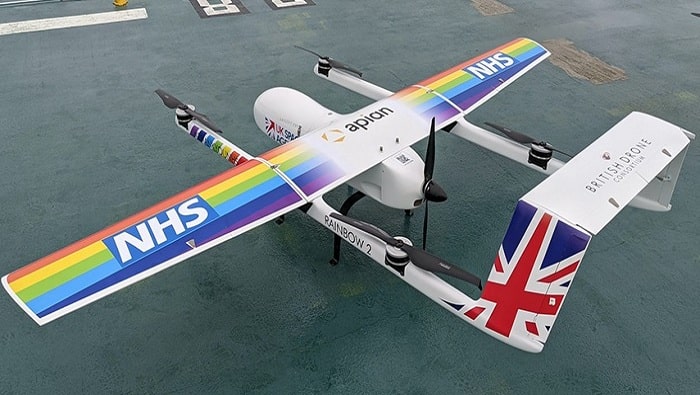
Nhs blood packs drone beyond line of sight – NHS Blood Packs: Drones Beyond Line of Sight sets the stage for a fascinating exploration of how technology can revolutionize healthcare logistics. Imagine a future where life-saving blood transfusions arrive swiftly and efficiently, even to the most remote locations, thanks to the power of drones.
This innovative concept, still in its early stages, holds the potential to address critical challenges in the NHS blood supply chain. By leveraging drone technology, we can overcome the limitations of traditional transportation methods and ensure that vital blood products reach those in need, when they need them most.
The NHS Blood Supply Chain and Drone Delivery
The NHS blood supply chain is a complex and vital network responsible for ensuring a constant supply of blood products to hospitals across the UK. This intricate system involves numerous stages, from blood donation and testing to processing, storage, and transportation to patients in need.
The transportation of blood products presents unique challenges. Blood is a highly perishable product with a limited shelf life, requiring careful handling and timely delivery. Maintaining the cold chain is crucial to preserve the quality and efficacy of blood products.
Traditional methods of transportation, such as road vehicles, can be affected by traffic congestion, weather conditions, and other logistical factors, potentially delaying deliveries and impacting patient care.
Drone Delivery for Blood Packs
Drone technology offers a potential solution to address the challenges associated with transporting blood products. Drones can navigate directly to their destinations, avoiding traffic and other delays, and can operate in remote or difficult-to-access areas. This efficiency can significantly reduce delivery times, ensuring that blood products reach patients in a timely manner.
Beyond Line of Sight (BLOS) Drone Operations
BLOS drone operations refer to flights that extend beyond the visual line of sight of the operator. This capability is crucial for long-distance deliveries, such as transporting blood products across vast distances or to remote hospitals. BLOS operations require advanced technologies, including sophisticated communication systems, autonomous navigation capabilities, and robust safety measures to ensure safe and reliable drone flights.
Benefits of Drone Delivery for Blood Packs: Nhs Blood Packs Drone Beyond Line Of Sight
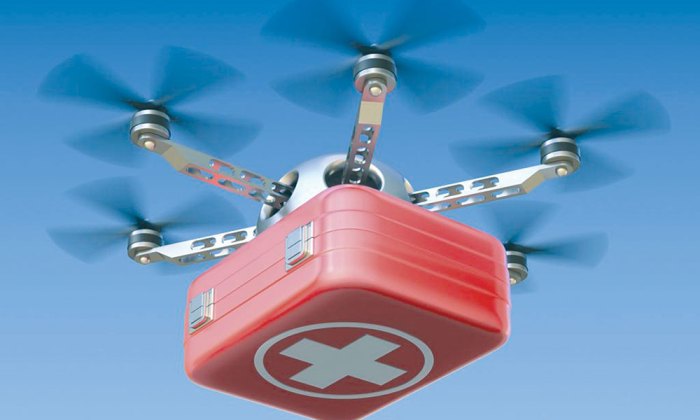
The use of drones for blood pack transportation offers a compelling solution to address challenges in the healthcare supply chain, particularly in the realm of blood product delivery. This innovative approach holds the potential to revolutionize the way blood is transported, ensuring timely and efficient delivery to patients in need.
Improved Delivery Speed and Efficiency
Drone delivery can significantly reduce the time it takes to transport blood packs from donor centers to hospitals. Traditional methods of transportation, such as ambulances or ground vehicles, often face delays due to traffic congestion, road closures, or geographical constraints.
Drones, on the other hand, can navigate these obstacles with ease, traveling directly to their destination, thereby minimizing travel time and ensuring swift delivery.
Drones can potentially reduce delivery times by up to 75% compared to traditional methods, according to a study by the University of California, Berkeley.
Do not overlook the opportunity to discover more about the subject of electric hypercar rimac nevera smashes 23 performance records single day.
Enhanced Accessibility to Blood Products in Remote Areas
Drones can play a crucial role in bridging the gap in access to blood products in remote areas, where transportation infrastructure is limited. Traditional methods of transportation often struggle to reach these areas, resulting in delayed or even unavailable blood products for patients in need.
Drones can easily navigate challenging terrain and reach remote locations, ensuring that critical blood supplies are readily available to patients in underserved communities.
In the United States, over 20% of the population lives in rural areas, where access to blood products can be a major challenge. Drones can provide a reliable and efficient solution to this problem.
Potential Cost Savings
Drone delivery can potentially reduce the cost associated with blood pack transportation. Traditional methods, such as ambulances or ground vehicles, require significant fuel costs, driver salaries, and maintenance expenses. Drones, on the other hand, are significantly more fuel-efficient and require less maintenance, resulting in potential cost savings for healthcare providers.
A study by the World Economic Forum estimated that drone delivery could save the healthcare industry billions of dollars annually.
Technical Considerations for BLOS Drone Delivery
The safe and efficient delivery of blood packs via drones beyond line of sight (BLOS) presents several technical challenges that require careful consideration. These challenges encompass safety regulations, autonomous navigation, communication, and infrastructure requirements.
Safety Measures and Regulations
Safety is paramount in BLOS drone operations, especially when transporting vital medical supplies like blood packs. The following safety measures and regulations are crucial:
- Unmanned Aircraft Systems (UAS) Regulations:The Federal Aviation Administration (FAA) in the United States and similar regulatory bodies worldwide have established comprehensive regulations for UAS operations, including BLOS flights. These regulations cover aspects like aircraft certification, pilot licensing, airspace authorization, and operational procedures. The goal is to ensure safe airspace sharing between drones and manned aircraft.
- Risk Assessment and Mitigation:A thorough risk assessment should be conducted to identify potential hazards during BLOS operations. This includes factors like weather conditions, airspace congestion, potential technical failures, and security threats. Mitigation strategies should be developed and implemented to minimize these risks.
- Redundant Systems:BLOS drones should be equipped with redundant systems for critical functions like navigation, communication, and power. This ensures that the drone can continue to operate safely even in the event of a single system failure.
- Emergency Procedures:Clear and well-defined emergency procedures should be established for situations like loss of communication, aircraft malfunction, or unexpected weather events. These procedures should Artikel the actions to be taken by the drone operator and other relevant personnel.
Autonomous Navigation and Communication
Autonomous navigation and reliable communication are essential for BLOS drone delivery. The following technologies play a crucial role:
- GPS and Navigation Systems:High-precision GPS systems are essential for accurate navigation and location tracking. The drone’s navigation system should be capable of navigating complex airspace and identifying obstacles.
- Advanced Sensors:Drones need to be equipped with a suite of sensors, including cameras, lidar, and radar, to perceive their surroundings, avoid obstacles, and navigate autonomously. These sensors provide real-time situational awareness and enable the drone to make informed decisions.
- Communication Systems:Reliable and secure communication is vital for maintaining control of the drone and ensuring safe operations. This includes communication links for data transmission, command and control, and emergency alerts.
- Data Processing and Decision-Making:Advanced algorithms and artificial intelligence (AI) are required for real-time data processing, route planning, obstacle avoidance, and decision-making. The drone’s onboard computer system must be able to analyze sensor data, interpret the environment, and make autonomous decisions.
Infrastructure Requirements
BLOS drone delivery necessitates a robust infrastructure to support operations. This includes:
- Drone Landing and Charging Stations:Designated landing and charging stations are required at both the origin and destination locations. These stations should be secure and equipped with necessary infrastructure for drone landing, charging, and maintenance.
- Data Centers and Network Connectivity:A reliable data center infrastructure is needed to support data storage, processing, and communication for drone operations. High-bandwidth internet connectivity is essential for real-time data transfer and control of the drones.
- Air Traffic Management Systems:BLOS operations require integration with existing air traffic management systems to ensure safe airspace sharing. This involves developing protocols and procedures for drone communication with air traffic controllers.
- Security Measures:Robust security measures are crucial to prevent unauthorized access, data breaches, and other security threats. This includes encryption, authentication, and access control mechanisms.
Safety and Security of Blood Packs During Drone Delivery
Delivering blood packs via drone presents unique challenges regarding safety and security. While drones offer efficiency and speed, ensuring the integrity and safety of these life-saving products is paramount. This requires careful consideration of potential risks and implementation of robust measures to safeguard the blood packs throughout the journey.
Specialized Packaging and Temperature Control Systems
Maintaining the optimal temperature range for blood packs is crucial for preserving their viability. Specialized packaging and temperature control systems are essential to ensure the blood packs remain within the required temperature range throughout the flight.
- Insulated Containers:These containers are designed to maintain a consistent temperature for extended periods, even in varying environmental conditions. They typically incorporate high-performance insulation materials and may include features like passive cooling elements to regulate internal temperature.
- Temperature Monitoring Devices:Integrated sensors continuously monitor the internal temperature of the container, providing real-time data to the operator. This data is essential for tracking the temperature profile of the blood pack throughout the flight and identifying any potential deviations.
- Active Cooling Systems:For longer distances or more extreme temperatures, active cooling systems may be necessary. These systems use refrigeration or other technologies to maintain a stable temperature within the container, ensuring the blood pack remains viable throughout the journey.
Security Protocols to Prevent Unauthorized Access or Tampering
Protecting blood packs from unauthorized access or tampering is crucial to maintain their safety and integrity. Rigorous security protocols are implemented to safeguard the blood packs during drone delivery.
- Secure Drone Operations:Drone operations are strictly controlled and monitored, with limited access to authorized personnel. This includes secure storage of the drones, secure communication channels, and robust authentication protocols for accessing and controlling the drones.
- Secure Packaging and Sealing:The blood packs are packaged in tamper-evident containers with secure seals. These seals are designed to indicate any unauthorized access or tampering, providing an immediate visual indication of potential security breaches.
- Real-time Tracking and Monitoring:The drone’s flight path and the location of the blood packs are continuously monitored in real-time. This allows for immediate detection of any deviations from the planned route or any unauthorized access attempts.
- Drone Identification and Authentication:Drones used for blood delivery are equipped with unique identification codes and authentication systems. This allows for the verification of the drone’s identity and its authorization to transport blood packs.
Regulatory and Ethical Considerations
The integration of drones into the NHS blood supply chain presents a unique set of regulatory and ethical considerations. While the potential benefits are significant, it’s crucial to navigate these complexities to ensure responsible and safe implementation.
Regulatory Frameworks for Drone Operations in the UK
The UK’s regulatory framework for drone operations is governed by the Civil Aviation Authority (CAA). The CAA’s framework is designed to ensure safe and responsible drone operations, with specific regulations for Beyond Line of Sight (BLOS) operations. These regulations include:
- Drone Operator Certification:Drone operators must hold a valid Remote Pilot Licence (RPL) and adhere to strict training and competency requirements.
- Aircraft Registration:All drones used for commercial purposes must be registered with the CAA, with a unique identifier for tracking and identification.
- Risk Assessments and Flight Planning:Operators are required to conduct thorough risk assessments and develop detailed flight plans, taking into account factors such as weather conditions, airspace restrictions, and potential hazards.
- Operations Manual:A comprehensive operations manual outlining procedures for drone operation, maintenance, and emergency response is required.
- Data Protection and Privacy:Regulations ensure the responsible collection, storage, and use of data collected during drone operations, including adherence to data protection laws.
Ethical Implications of Drone Delivery for Blood
The use of drones for blood delivery raises several ethical considerations. These include:
- Patient Privacy:Ensuring the confidentiality and security of patient information associated with blood delivery is paramount. Robust data protection measures are crucial to safeguard patient privacy.
- Informed Consent:Obtaining informed consent from patients regarding the use of drones for blood delivery is essential. Patients should be informed about the potential risks and benefits of this technology.
- Accessibility and Equity:The use of drones should not exacerbate existing inequalities in access to healthcare. It’s important to ensure that drone delivery systems are accessible to all patients, regardless of their location or socioeconomic status.
- Transparency and Accountability:Transparency in the operation of drone delivery systems is crucial, with clear mechanisms for accountability and oversight to address potential issues.
Public Acceptance and Stakeholder Engagement
Gaining public acceptance and engaging with stakeholders is essential for the successful integration of drones into the NHS blood supply chain. This involves:
- Open Communication:Clear and transparent communication with the public about the benefits, risks, and operational aspects of drone delivery is essential to build trust and address concerns.
- Community Engagement:Engaging with local communities to address their concerns and gather feedback is crucial. This can involve public meetings, surveys, and other forms of outreach.
- Collaboration with Stakeholders:Collaborating with relevant stakeholders, including healthcare professionals, emergency services, and aviation authorities, is essential to ensure a smooth and safe integration of drones into the blood supply chain.
Challenges and Opportunities for Integrating Drones, Nhs blood packs drone beyond line of sight
Integrating drones into the NHS blood supply chain presents both challenges and opportunities:
- Technical Challenges:Challenges include ensuring reliable and secure drone operations, integrating drones into existing infrastructure, and addressing potential technical issues such as battery life and weather conditions.
- Regulatory Challenges:Navigating the evolving regulatory landscape for drone operations, including obtaining necessary permits and approvals, is essential for safe and compliant operations.
- Operational Challenges:Developing efficient and effective drone delivery systems, including procedures for handling and storing blood packs, requires careful planning and coordination.
- Opportunities for Improved Efficiency:Drones offer the potential to improve the efficiency of blood delivery, reducing delivery times and minimizing the risk of blood spoilage.
- Opportunities for Expanding Access to Healthcare:Drone delivery can improve access to blood transfusions for patients in remote or underserved areas, particularly in emergency situations.
- Opportunities for Cost Savings:By streamlining delivery processes and reducing transportation costs, drone delivery can potentially contribute to cost savings within the NHS blood supply chain.
Case Studies and Real-World Applications
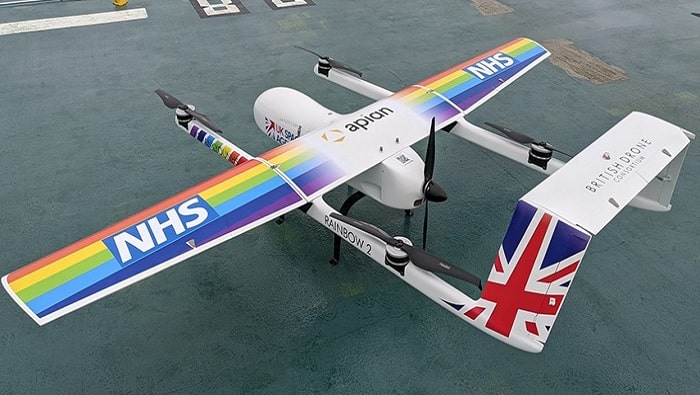
The potential of drone delivery for blood packs in the NHS is not just theoretical; several successful initiatives around the world showcase its viability and benefits. These case studies demonstrate the feasibility of implementing BLOS drone delivery for blood packs, highlighting the impact it can have on healthcare systems.
Successful Drone Delivery Initiatives in Healthcare
These initiatives provide compelling evidence of the potential of drones in healthcare delivery:
- Zipline in Rwanda:Zipline has been delivering blood and other medical supplies to remote hospitals in Rwanda since 2016. Their drones have flown over 1.5 million miles, delivering over 250,000 units of blood, significantly improving access to essential medical services.
- The University of North Carolina at Chapel Hill:This university has been conducting research on drone delivery for organ transplants. Their pilot program, conducted in partnership with the Federal Aviation Administration (FAA), demonstrated the feasibility of using drones to transport organs quickly and efficiently.
- The Medicines Company:This company has been using drones to deliver medication to patients in remote areas of the United States. Their program has been successful in improving patient access to essential medications.
Feasibility of BLOS Drone Delivery for Blood Packs in the NHS
The feasibility of implementing BLOS drone delivery for blood packs in the NHS can be assessed through analyzing several key factors:
- Current Blood Supply Chain:The NHS has a complex and robust blood supply chain. Integrating drone delivery would require careful planning and coordination to ensure seamless integration and minimal disruption to existing operations.
- Geographical Considerations:The UK’s diverse geography presents both challenges and opportunities. Densely populated urban areas may pose challenges for drone operations, while remote rural areas could benefit significantly from improved access to blood products.
- Regulatory Environment:The UK Civil Aviation Authority (CAA) is actively developing regulations for drone operations, including BLOS flights. The NHS would need to work closely with the CAA to ensure compliance and safe operations.
- Public Acceptance:Public acceptance of drone technology is crucial for its successful implementation. The NHS would need to engage with the public to address concerns and build trust in the safety and efficacy of drone delivery.
Insights from Pilot Projects and Research Studies
Several pilot projects and research studies have explored the potential of drone delivery for blood packs:
- The University of Bristol:This university conducted a pilot project to assess the feasibility of using drones to deliver blood packs to hospitals in rural areas. The study found that drones could significantly reduce delivery times and improve access to essential medical services.
- The NHS Blood and Transplant:This organization has been exploring the potential of drone delivery for blood packs as part of their ongoing research and development efforts. They are working with partners to assess the feasibility and safety of drone delivery in various settings.
Potential Impact of Drone Delivery on the NHS Blood Supply Chain
Drone delivery has the potential to significantly impact the NHS blood supply chain in several ways:
- Improved Access to Blood Products:Drone delivery could significantly improve access to blood products for patients in remote areas, reducing the need for long and costly ambulance journeys.
- Reduced Delivery Times:Drones can deliver blood products much faster than traditional methods, which can be crucial in emergency situations.
- Increased Efficiency:Drone delivery can streamline the blood supply chain, reducing the need for multiple handoffs and minimizing the risk of delays.
- Cost Savings:Drone delivery can potentially reduce the cost of transporting blood products, freeing up resources for other healthcare priorities.
Future Outlook and Recommendations
The potential of drone technology for blood delivery is vast, promising to revolutionize the healthcare landscape. Advancements in drone technology, coupled with the increasing adoption of artificial intelligence and automation, are paving the way for a more efficient and reliable blood supply chain.
This section explores the future of drone technology in blood delivery, delves into the role of AI and automation, identifies key research areas, and provides recommendations for implementing BLOS drone delivery within the NHS.
Role of Artificial Intelligence and Automation
Artificial intelligence (AI) and automation are poised to play a pivotal role in optimizing drone operations for blood delivery. AI algorithms can analyze real-time data, such as weather conditions, traffic patterns, and drone battery levels, to optimize flight routes, minimize delivery times, and ensure safe and efficient operations.
Automation can streamline various aspects of drone operations, from pre-flight checks and payload loading to data analysis and post-flight maintenance.
- AI-powered route optimization algorithms can dynamically adjust flight paths based on real-time conditions, ensuring the fastest and safest delivery route.
- Automated payload loading systems can ensure accurate and efficient loading of blood packs, minimizing the risk of human error.
- AI-driven predictive maintenance can monitor drone health and predict potential issues, enabling timely maintenance and reducing downtime.
Key Areas for Further Research and Development
Continued research and development are crucial for realizing the full potential of BLOS drone delivery for blood packs. Key areas for further exploration include:
- Enhanced drone autonomy:Developing drones with advanced autonomous capabilities, enabling them to navigate complex environments and respond to unforeseen situations.
- Improved payload management:Developing innovative solutions for maintaining the temperature and integrity of blood packs during flight, ensuring their viability upon arrival.
- Integration with existing healthcare systems:Developing seamless integration of drone delivery systems with existing healthcare information systems, enabling real-time tracking and communication.
- Public perception and acceptance:Conducting extensive research to address public concerns and ensure widespread acceptance of drone technology for blood delivery.
Recommendations for Implementing BLOS Drone Delivery in the NHS
Implementing BLOS drone delivery for blood packs in the NHS requires a multi-faceted approach, encompassing technological advancements, regulatory frameworks, and public engagement. Key recommendations include:
- Pilot programs:Conducting pilot programs in carefully selected regions to evaluate the feasibility and effectiveness of BLOS drone delivery in real-world settings.
- Collaboration and partnerships:Fostering collaboration between the NHS, drone technology providers, and research institutions to accelerate innovation and address key challenges.
- Public awareness campaigns:Launching public awareness campaigns to educate the public about the benefits and safety of drone technology for blood delivery.
- Regulatory framework:Establishing clear regulatory frameworks for BLOS drone operations, ensuring safety, security, and responsible use of the technology.