

New barbie dumbphone could cleave tweens from their screens – Barbie’s Dumbphone Could Cleave Tweens from Screens – it’s a headline that’s both intriguing and a little bit scary, right? In a world obsessed with smartphones and social media, the idea of a “dumbphone” targeted at tweens seems almost revolutionary.
But as we delve deeper into this concept, we’ll see that there’s more to it than meets the eye. The resurgence of basic feature phones is a testament to a growing desire for digital well-being, and Barbie’s entry into this market could be a game-changer for how tweens interact with technology.
This isn’t just about a pink phone with a few basic features; it’s about a potential shift in how we think about screen time and its impact on young minds. Barbie’s move signals a growing awareness of the need for balance and a recognition that there’s value in disconnecting from the digital world.
It’s a conversation that goes beyond just the tech itself and touches on the very core of how we raise our kids in a hyper-connected world.
The Rise of “Dumbphones”

In a world increasingly dominated by smartphones and their constant stream of notifications, a surprising trend has emerged: the resurgence of basic, feature phones, often referred to as “dumbphones.” This unexpected shift is driven by a growing generation concerned about digital wellbeing and the overwhelming presence of screens in their lives.
This renewed interest in “dumbphones” is not just a passing fad. It reflects a deeper desire for a simpler, more mindful approach to technology.
Further details about germany creatives chatgpt copyright concerns is accessible to provide you additional insights.
Recent Trends in “Dumbphone” Usage
The rise of “dumbphones” is not just anecdotal; it’s backed by data. Sales of feature phones are on the rise, particularly among younger demographics. A 2023 report by Counterpoint Research found that global feature phone shipments increased by 10% in the first quarter of the year, driven largely by demand in emerging markets.
Social media discussions about “dumbphones” have also seen a significant increase, with hashtags like #dumbphonelife and #digitaldetox gaining traction.
Potential Benefits of “Dumbphones” for Mental Health, Focus, and Productivity
The appeal of “dumbphones” lies in their simplicity and limitations. Unlike smartphones, they are not designed to be constantly connected or bombarded with notifications. This intentional lack of features can have a profound impact on mental health, focus, and productivity.
“The constant stream of notifications and the ability to access information at any time can be overwhelming, leading to stress, anxiety, and difficulty focusing,”
says Dr. Susan Lee, a psychologist specializing in digital wellbeing. “By switching to a ‘dumbphone,’ individuals can regain control over their digital consumption, reduce distractions, and create space for mindfulness and deeper engagement with the world around them.”
Barbie’s Entry into the “Dumbphone” Market
Barbie’s decision to release a “dumbphone” targeted towards tweens is a strategic move that leverages the growing trend of “digital detox” and the desire for a simpler, more social form of communication.
Strategic Motivations, New barbie dumbphone could cleave tweens from their screens
Barbie’s strategic motivations for entering the “dumbphone” market are multifold.
- Tap into the Growing “Digital Detox” Trend:The “digital detox” movement is gaining traction, particularly among younger generations who are increasingly concerned about excessive screen time and its impact on their well-being. By offering a device that promotes offline interactions and encourages face-to-face communication, Barbie can appeal to this growing segment of tweens seeking a break from the digital world.
- Capitalize on the Nostalgia Factor:Feature phones evoke a sense of nostalgia for a simpler time when communication was more personal and less reliant on technology. By tapping into this nostalgia, Barbie can attract tweens who are seeking a unique and retro experience.
- Differentiation and Brand Expansion:Entering the “dumbphone” market allows Barbie to differentiate itself from its competitors in the toy and tech industries. This move expands Barbie’s brand portfolio and allows it to reach a new audience interested in alternative communication devices.
Comparison with Other Feature Phones
Barbie’s “dumbphone” is likely to offer a unique blend of features that cater to its target audience.
- Social Features:Unlike traditional feature phones, Barbie’s “dumbphone” is likely to prioritize social interaction. This could include features like built-in games, customizable themes, and social media integration that allows for limited communication with friends.
- Safety and Parental Control:Given the target audience, Barbie’s “dumbphone” will likely prioritize safety and parental control features. This could include limitations on app downloads, restricted internet access, and pre-approved contact lists.
- Design and Aesthetics:Barbie’s “dumbphone” will likely feature a stylish and playful design that appeals to tweens. This could include bright colors, customizable cases, and themed accessories that align with Barbie’s brand image.
Marketing Strategies
Barbie can employ a variety of marketing strategies to reach its target audience.
- Social Media Marketing:Engaging content on social media platforms like TikTok, Instagram, and YouTube can be used to highlight the benefits of a “dumbphone” and showcase the features of Barbie’s device.
- Influencer Marketing:Collaborating with popular teen influencers can help Barbie reach a wider audience and generate buzz around its “dumbphone.” These influencers can create content that promotes the device and its unique features.
- Experiential Marketing:Hosting events and pop-up shops where tweens can interact with the “dumbphone” and experience its features firsthand can create a memorable and engaging experience.
The Impact on Tween Screen Time: New Barbie Dumbphone Could Cleave Tweens From Their Screens
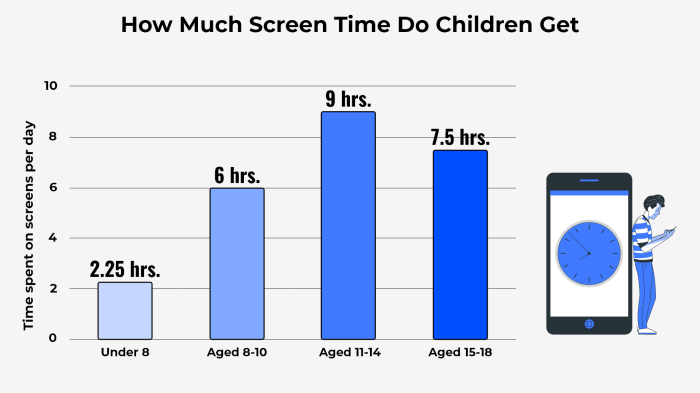
Barbie’s “dumbphone” is poised to make a significant impact on the screen time habits of tweens, a demographic increasingly reliant on smartphones and social media. This move comes amidst growing parental concerns about the excessive screen time of their children and the potential negative effects on their well-being.
The introduction of a “dumbphone” designed specifically for tweens presents a unique opportunity to address these concerns and potentially shift the landscape of digital interaction for this age group.
Benefits and Drawbacks of “Dumbphones” for Tweens
The potential benefits and drawbacks of “dumbphones” for tweens are multifaceted and warrant careful consideration. “Dumbphones” offer a simplified approach to communication, focusing on basic functions like calling, texting, and limited internet access. This can be a positive step for tweens who are still developing their digital literacy and may be susceptible to the addictive nature of smartphones.
- Reduced Screen Time:“Dumbphones” can help curb excessive screen time by limiting access to social media, games, and other time-consuming apps. This can lead to more time spent on physical activities, hobbies, and face-to-face interactions. Studies have shown that excessive screen time can negatively impact sleep, physical health, and social development in children and adolescents.
- Improved Focus and Concentration:By eliminating distractions from social media and other apps, “dumbphones” can create a more focused environment for learning and completing tasks.
- Enhanced Social Interaction:“Dumbphones” can encourage face-to-face communication and interaction with friends and family.
- Increased Physical Activity:With less time spent on screens, tweens may be more likely to engage in physical activities, leading to improved physical health and well-being.
- Reduced Cyberbullying and Online Predators:“Dumbphones” can limit the risk of cyberbullying and exposure to online predators, as they lack access to social media platforms and other online environments where these risks are prevalent.
- Limited Functionality:“Dumbphones” lack the advanced features of smartphones, such as access to educational apps, learning tools, and online resources.
- Social Isolation:Tweens may feel isolated from their peers who have smartphones, leading to social exclusion and a sense of being “left out.”
- Limited Communication Options:“Dumbphones” have limited communication options, such as the ability to send photos or videos.
- Difficulty in Staying Connected:Tweens may find it challenging to stay connected with friends and family who are using smartphones, particularly in emergencies or when traveling.
- Digital Literacy Challenges:“Dumbphones” may hinder the development of digital literacy skills, as tweens will have limited exposure to online environments and the tools and technologies used in the digital world.
Impact on Screen Time and Digital Literacy
| Feature | Pros | Cons ||—|—|—|| Screen Time| Reduces overall screen time, promotes physical activity, improves focus and concentration | Limits access to educational apps and resources, may lead to social isolation || Digital Literacy| Encourages face-to-face communication, limits exposure to online risks | May hinder development of digital literacy skills, limited access to online learning tools |
The Future of “Dumbphones”

The rise of “dumbphones” presents an intriguing opportunity to reimagine the role of technology in our lives, particularly for younger generations. While smartphones have become ubiquitous, “dumbphones” offer a refreshing alternative, prioritizing simplicity, focus, and mindful technology use. Exploring the future of “dumbphones” requires examining their potential impact on the tech landscape, their role in fostering digital literacy, and their potential evolution in the coming years.
The Long-Term Potential of “Dumbphones”
The long-term potential of “dumbphones” lies in their ability to address the growing concerns surrounding excessive screen time, digital distraction, and the potential negative impacts of technology on mental well-being. While “dumbphones” may not entirely replace smartphones, they offer a compelling alternative for specific use cases, particularly for younger generations who are increasingly susceptible to the pitfalls of excessive screen time.
The Role of “Dumbphones” in Fostering Digital Literacy
“Dumbphones” can play a significant role in fostering digital literacy by promoting a balanced and mindful approach to technology use. By limiting access to social media, gaming, and other potentially addictive apps, “dumbphones” encourage children to engage in offline activities, develop essential life skills, and cultivate a healthy relationship with technology.
The Evolution of “Dumbphones”
The future of “dumbphones” is likely to involve advancements in functionality and design. While maintaining their core principles of simplicity and focus, “dumbphones” could evolve to incorporate features like:
- Enhanced connectivity:“Dumbphones” could offer improved connectivity options, such as Bluetooth and Wi-Fi, allowing for seamless integration with other devices and access to essential services.
- Improved battery life:With a focus on efficiency and longevity, “dumbphones” could boast extended battery life, enabling users to stay connected for longer periods without needing to recharge frequently.
- Enhanced security features:“Dumbphones” could incorporate robust security features, such as secure messaging and data encryption, to protect users’ privacy and sensitive information.
- Personalized customization:“Dumbphones” could offer greater customization options, allowing users to tailor their device to their specific needs and preferences.
Potential Challenges for “Dumbphones”
While “dumbphones” hold promise, they also face challenges in gaining widespread adoption. These challenges include:
- Limited app availability:“Dumbphones” lack access to the vast app ecosystem available on smartphones, limiting their functionality and appeal to some users.
- Lack of advanced features:“Dumbphones” may not offer the same level of advanced features as smartphones, such as high-resolution cameras, GPS navigation, and sophisticated mobile payment systems.
- Perception of being outdated:“Dumbphones” may be perceived as outdated or lacking in sophistication, particularly by younger generations who are accustomed to the advanced features of smartphones.