Marketers cut advertising on elon musk x – Marketers Cut Advertising on Elon Musk’s Twitter: The acquisition of Twitter by Elon Musk sent shockwaves through the marketing world, leaving many wondering about the future of advertising on the platform. Some marketers were initially excited about the potential for change, while others expressed concerns about the direction Musk might take.
The impact of these changes has been significant, leading some marketers to cut back on their Twitter advertising spend.
The initial reactions to the acquisition were mixed. Some marketers were excited about the possibility of a more open and free-speech-friendly platform, while others were concerned about the potential for increased toxicity and misinformation. Concerns centered around potential changes to content moderation policies, the impact on brand safety, and the possibility of increased polarization on the platform.
However, others saw the acquisition as an opportunity to reach a wider audience and potentially benefit from a more engaged user base.
The Impact of Elon Musk’s Twitter Acquisition on Marketers: Marketers Cut Advertising On Elon Musk X
Elon Musk’s acquisition of Twitter in October 2022 sent shockwaves through the marketing world, prompting a mixture of excitement and trepidation among marketers. While some welcomed the potential for change and innovation, others expressed concerns about the future of the platform.
Initial Reactions of Marketers
The initial reactions of marketers to the acquisition were largely speculative, with many expressing uncertainty about the direction Musk would take the platform. Some were optimistic about the potential for Musk to unlock Twitter’s full potential, while others feared that his changes could alienate users and harm the platform’s value as a marketing tool.
Concerns of Marketers Regarding Potential Changes to the Platform
Marketers expressed concerns about several potential changes to Twitter that could impact their marketing efforts. These concerns included:
- Changes to the platform’s algorithm:Marketers feared that changes to Twitter’s algorithm could make it more difficult to reach their target audiences. For example, if Musk prioritized content from verified accounts, it could make it harder for smaller businesses to compete for attention.
- Increased moderation:Some marketers worried that Musk’s emphasis on free speech could lead to a decline in content moderation, potentially creating a more toxic environment for users and brands. This could damage brand reputation and discourage users from engaging with brands on the platform.
- Paid verification:The introduction of a paid verification system could create a two-tiered system on Twitter, where verified accounts receive preferential treatment. This could make it harder for businesses to stand out from the crowd and could create a sense of inequality among users.
Potential Benefits of the Acquisition for Marketers
Despite the concerns, some marketers saw potential benefits in Musk’s acquisition of Twitter. These benefits included:
- Increased innovation:Musk is known for his innovative approach to technology, and some marketers hoped that he would bring fresh ideas to Twitter. This could lead to new features and functionalities that benefit marketers, such as improved targeting options or new advertising formats.
- Greater focus on content creators:Musk has expressed a desire to make Twitter more attractive to content creators. This could lead to a more vibrant and engaging platform, which could benefit marketers by providing them with more opportunities to reach their target audiences.
- Enhanced user experience:Musk has promised to improve the user experience on Twitter, making it easier to navigate and use. This could lead to increased engagement from users, which could benefit marketers by providing them with more opportunities to connect with their target audiences.
Changes in Advertising Landscape

Elon Musk’s acquisition of Twitter has brought significant changes to the platform’s advertising landscape. These changes have implications for marketers, requiring them to adapt their strategies and understand the evolving dynamics of Twitter advertising.
Impact of Changes on Marketing Strategies
The changes in Twitter’s advertising platform have significantly impacted marketing strategies. Marketers must now navigate a landscape where the focus has shifted from organic reach to paid advertising, and where the platform’s algorithms are constantly evolving.
- Increased reliance on paid advertising:The decline in organic reach has made paid advertising more crucial for marketers to reach their target audience. This has led to increased competition and higher ad costs. Marketers must now prioritize effective targeting and ad optimization to maximize their return on investment.
- Algorithm changes:Twitter’s algorithms have been continuously updated, impacting the visibility and performance of ads. Marketers need to stay informed about these changes and adapt their campaigns accordingly. This includes optimizing ad creatives, using relevant s, and experimenting with different ad formats.
- Focus on performance-based advertising:Twitter has placed a greater emphasis on performance-based advertising, such as conversions and engagement. This means marketers need to measure the success of their campaigns more closely and focus on driving tangible results.
Comparison of Advertising Landscape Before and After the Acquisition
The advertising landscape on Twitter has changed significantly since Musk’s acquisition. Here’s a comparison of key differences:
| Feature | Before Acquisition | After Acquisition |
|---|---|---|
| Organic reach | Relatively high for many users | Significantly reduced, emphasizing paid advertising |
| Algorithm transparency | More transparent and predictable | Less transparent, with frequent updates and changes |
| Ad targeting options | Comprehensive targeting options available | Focus on performance-based targeting, with less emphasis on demographics |
| Ad formats | Variety of ad formats available | Focus on interactive and engaging formats, such as polls and Q&A |
| Pricing | Competitive pricing with flexible options | Higher ad costs due to increased competition and emphasis on paid advertising |
The Role of Content and Community
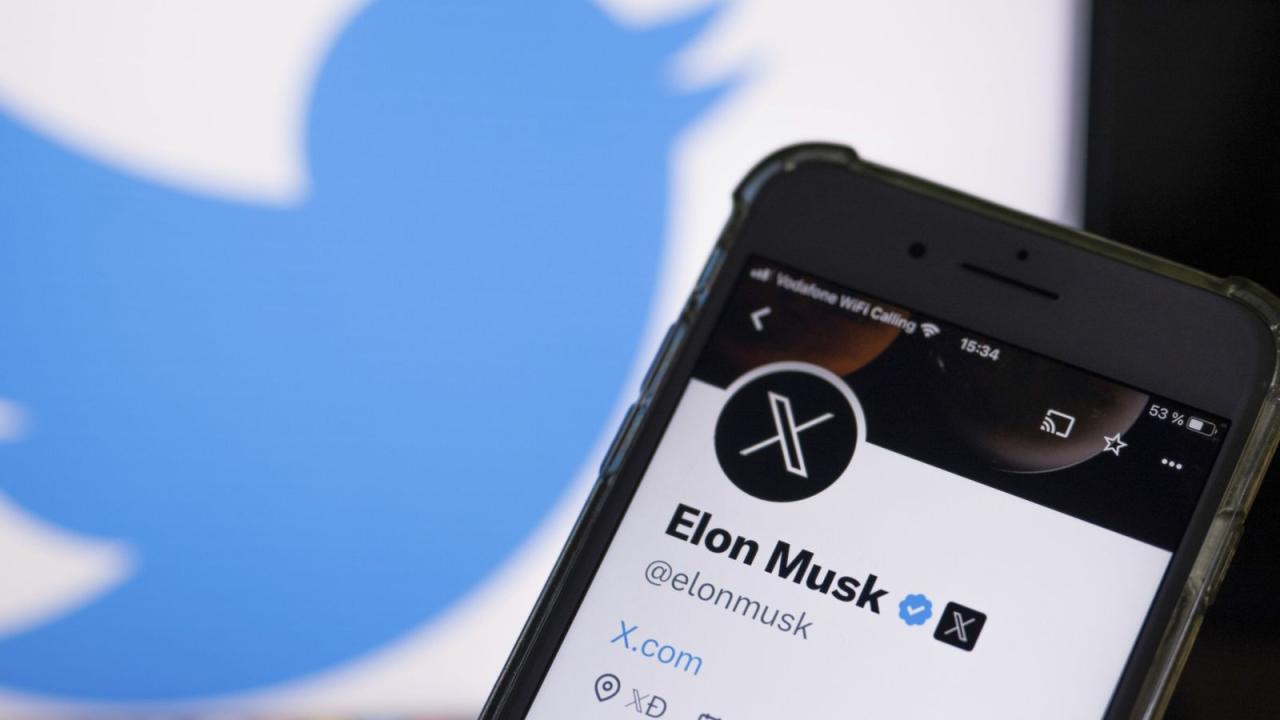
In the wake of Elon Musk’s Twitter acquisition, the platform’s landscape is undergoing a significant transformation. This shift presents both challenges and opportunities for marketers, particularly in the realm of content creation and community engagement. The platform’s evolving dynamics necessitate a strategic approach to leverage these elements effectively.
Browse the multiple elements of cant remember good day work quit to gain a more broad understanding.
Content Creation Strategies
Content creation on Twitter is becoming increasingly crucial for marketers to engage their target audience and build brand awareness. The following strategies can be employed to effectively utilize content creation:
- Leverage Twitter’s New Features:Musk’s emphasis on long-form content through Twitter’s new “Notes” feature offers a unique opportunity to publish in-depth articles, research reports, and thought leadership pieces. Marketers can utilize this feature to provide valuable information and establish their expertise in specific domains.
- Embrace Visual Storytelling:Twitter’s visual format continues to be a powerful tool for engagement. Marketers should utilize high-quality images, videos, and GIFs to convey their messages in a visually compelling manner. This can include behind-the-scenes glimpses, product demonstrations, or engaging infographics.
- Prioritize User-Generated Content (UGC):Encourage user-generated content through contests, challenges, or simply by asking followers to share their experiences with your brand. UGC provides authentic perspectives and can foster a sense of community.
Community Engagement Strategies
Building a strong community on Twitter is essential for long-term success. Marketers should focus on the following strategies:
- Engage in Meaningful Conversations:Respond to comments, questions, and feedback promptly and genuinely. Participate in relevant discussions and show that you are actively listening to your audience.
- Host Twitter Spaces:Twitter Spaces provide a platform for live audio discussions. Marketers can host events featuring industry experts, Q&A sessions, or even casual conversations with their followers. This can foster a sense of intimacy and provide valuable insights.
- Leverage Twitter Communities:Join relevant Twitter communities and engage with other users. This can help you reach a wider audience, build relationships, and gain valuable insights into your target market.
Examples of Successful Content Marketing Campaigns
Several brands have successfully leveraged Twitter under Musk’s leadership, showcasing the potential of content and community engagement.
- Tesla:Tesla has effectively utilized Twitter to engage with its audience, share updates on new products and features, and even respond to customer inquiries directly. Elon Musk himself is a prolific Twitter user, often using the platform to interact with followers and promote Tesla products.
- Dogecoin:Dogecoin, a cryptocurrency, has experienced a surge in popularity thanks in part to Elon Musk’s public support. Musk has used Twitter to promote Dogecoin, leading to increased awareness and adoption.
- Meta:Meta, the parent company of Facebook and Instagram, has been actively using Twitter to engage with users, share updates on new products and features, and respond to criticism. This has helped Meta maintain its presence on the platform and stay relevant in the evolving social media landscape.
Measuring the Effectiveness of Advertising
The shift in Twitter’s advertising landscape under Elon Musk’s leadership presents new challenges for marketers seeking to measure the effectiveness of their campaigns. The platform’s evolving features, changing user behavior, and data privacy concerns require a nuanced approach to tracking and analyzing campaign performance.
Challenges in Measuring Advertising Effectiveness
The following are some of the key challenges marketers face in measuring the effectiveness of advertising on Twitter under Musk’s leadership:
- Data Transparency and Access:Twitter’s approach to data sharing has become less transparent, making it difficult for marketers to access the comprehensive data needed for in-depth analysis. This limited data access hinders their ability to accurately assess campaign performance and make informed decisions.
- Algorithm Changes:Twitter’s algorithm has undergone significant changes, impacting the visibility and reach of ads. These changes make it difficult to predict ad performance and optimize campaigns based on historical data.
- User Behavior:User behavior on Twitter has also shifted, with some users expressing concerns about data privacy and algorithmic manipulation. These shifts can affect ad engagement and campaign effectiveness.
Strategies for Tracking and Analyzing Campaign Performance
Despite the challenges, marketers can still effectively track and analyze their campaigns on Twitter by implementing the following strategies:
- Focus on Measurable Objectives:Define clear and measurable campaign objectives that align with business goals. This will help marketers identify the key metrics to track and evaluate campaign success.
- Leverage Twitter Analytics:Utilize Twitter’s built-in analytics tools to monitor key metrics such as impressions, clicks, engagements, and conversions. These tools provide valuable insights into campaign performance and audience behavior.
- Utilize Third-Party Tools:Consider integrating third-party analytics platforms that offer more comprehensive data and insights. These tools can help marketers track campaign performance across multiple channels and gain a holistic view of their marketing efforts.
- Conduct A/B Testing:Implement A/B testing to compare different ad variations and identify the most effective strategies for reaching the target audience. This iterative approach allows for continuous optimization and improvement of campaign performance.
- Track Brand Sentiment:Monitor brand sentiment on Twitter to gauge public perception and identify any potential issues that may impact campaign effectiveness. Tools like Brand24 or Brandwatch can provide real-time insights into brand mentions and sentiment analysis.
The Importance of Data-Driven Decision Making, Marketers cut advertising on elon musk x
Data-driven decision making is crucial for success in the evolving advertising landscape on Twitter. By leveraging data insights, marketers can:
- Optimize Campaign Performance:Analyze campaign data to identify areas for improvement and adjust strategies accordingly. This continuous optimization ensures that campaigns are reaching the target audience effectively and achieving desired outcomes.
- Target the Right Audience:Utilize data to understand audience demographics, interests, and behaviors. This allows for more targeted ad campaigns that resonate with the intended audience, leading to higher engagement and conversions.
- Measure ROI:Track campaign performance metrics to calculate return on investment (ROI) and demonstrate the value of advertising efforts. This data-driven approach helps justify marketing spend and prioritize future campaigns.
The Future of Marketing on Twitter
Elon Musk’s acquisition of Twitter has ushered in a new era for the platform, with significant implications for marketers. While the initial focus has been on changes to content moderation and user experience, the long-term impact on Twitter’s advertising platform is equally significant.
This section delves into the potential future of marketing on Twitter, exploring the potential impact of Musk’s leadership and outlining a timeline of potential developments.
Potential Long-Term Impact of Musk’s Leadership on Twitter’s Advertising Platform
Musk’s vision for Twitter emphasizes free speech, reduced censorship, and increased user engagement. This vision is likely to have a multifaceted impact on the platform’s advertising landscape. One potential impact is the introduction of new advertising formats that are less intrusive and more aligned with user preferences.
Musk has already expressed interest in exploring alternative revenue streams, such as subscription models and partnerships with content creators, which could lead to a shift in the current advertising model. Another potential impact is the increased emphasis on data privacy and user control over advertising.
Musk has publicly criticized targeted advertising practices, suggesting a move towards more transparent and user-centric advertising approaches. This could involve giving users greater control over the types of ads they see and the data used to target them. The long-term impact of Musk’s leadership on Twitter’s advertising platform is still unfolding.
However, it is clear that Musk’s vision will drive significant changes to the platform’s advertising landscape, impacting how marketers reach and engage with their target audiences.
Timeline of Potential Developments in Twitter Advertising
The following timeline Artikels potential developments in Twitter advertising over the next few years, based on current trends and Musk’s stated vision for the platform:
- Short-Term (Next 1-2 Years):
- Increased focus on user privacy and data control.
- Introduction of new advertising formats, such as native ads and sponsored content.
- Experimentation with subscription models and partnerships with content creators.
- Mid-Term (Next 2-5 Years):
- Shift towards a more community-driven advertising model, with emphasis on user-generated content and influencer marketing.
- Increased use of artificial intelligence (AI) and machine learning (ML) to personalize advertising experiences and optimize ad performance.
- Integration of Twitter advertising with other platforms, such as Facebook and Instagram, to create a more seamless advertising experience.
- Long-Term (Beyond 5 Years):
- Emergence of new advertising models, such as pay-per-engagement and pay-per-conversion.
- Greater emphasis on the role of social commerce and direct-to-consumer (D2C) advertising.
- Twitter becoming a more prominent platform for brand storytelling and community building.
Key Takeaways for Marketers
The following are key takeaways for marketers regarding the future of Twitter advertising:
- Embrace Transparency and User Control:Marketers should prioritize transparency in their advertising practices and give users greater control over the ads they see. This includes being upfront about data collection and usage practices and providing users with clear opt-out options.
- Experiment with New Advertising Formats:Twitter is likely to introduce new advertising formats in the coming years.
Marketers should experiment with these formats to find the most effective ways to reach their target audiences.
- Focus on Community Building:Twitter is becoming increasingly focused on community building. Marketers should focus on creating engaging content that fosters community interaction and builds brand loyalty.
- Leverage AI and ML:AI and ML will play an increasingly important role in Twitter advertising. Marketers should leverage these technologies to personalize advertising experiences and optimize ad performance.
- Integrate with Other Platforms:Twitter advertising is likely to become more integrated with other platforms in the future. Marketers should consider creating a seamless advertising experience across multiple platforms.