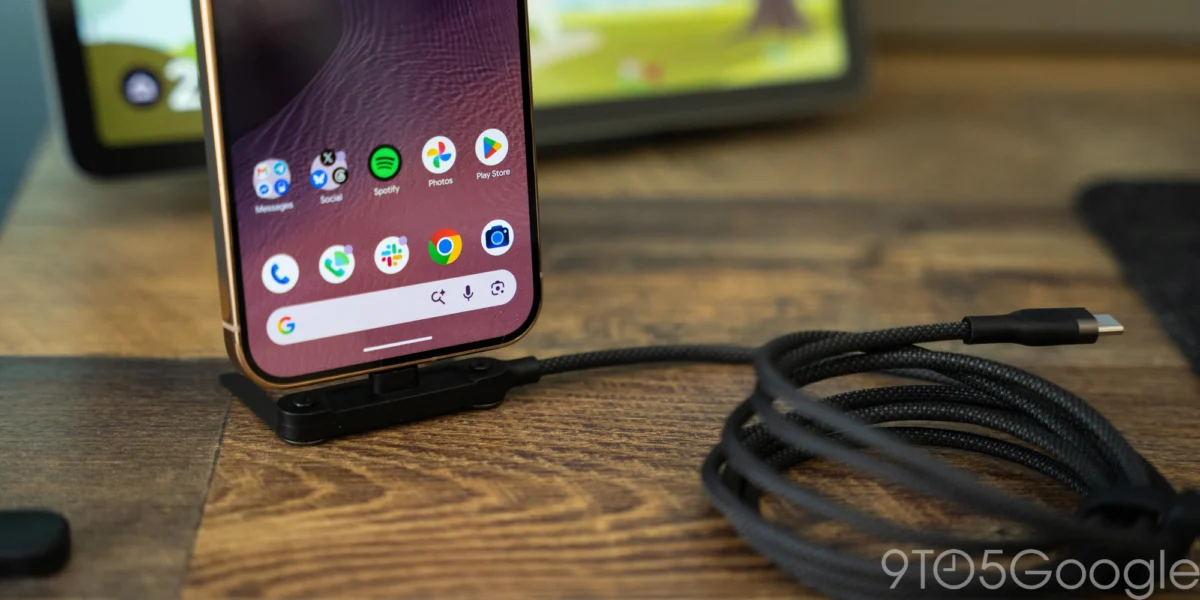
The evolution of mobile device peripherals has largely focused on increasing the convenience of charging setups, particularly for users who travel frequently. Magnetic wireless charging docks have become a staple for bedside tables, providing a clean, upright orientation that makes it easier to view notifications or watch media while a device powers up. However, these solutions are often bulky, difficult to pack, or prohibitively expensive for secondary, portable use. Recently, accessory manufacturer Statik introduced the PowerStand, a hybrid USB-C cable designed to address these portability challenges by integrating a functional kickstand directly into the connector hardware.
Design and Engineering Specifications
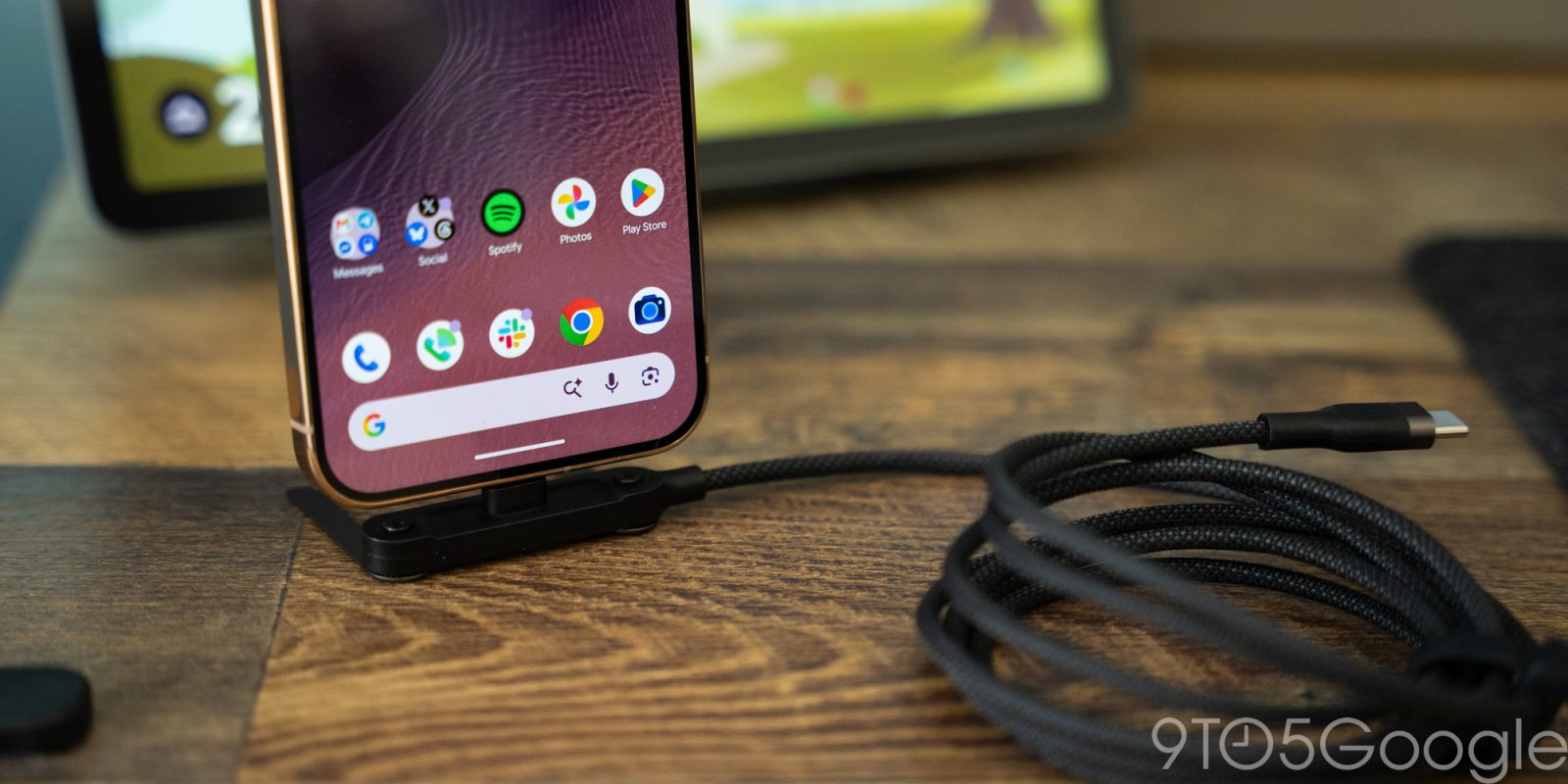
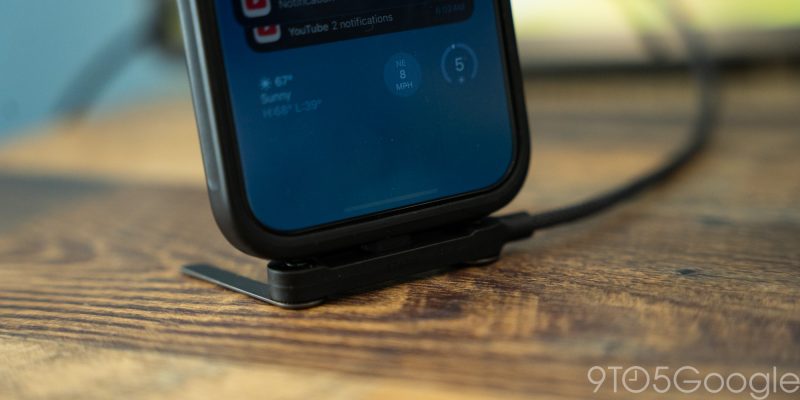
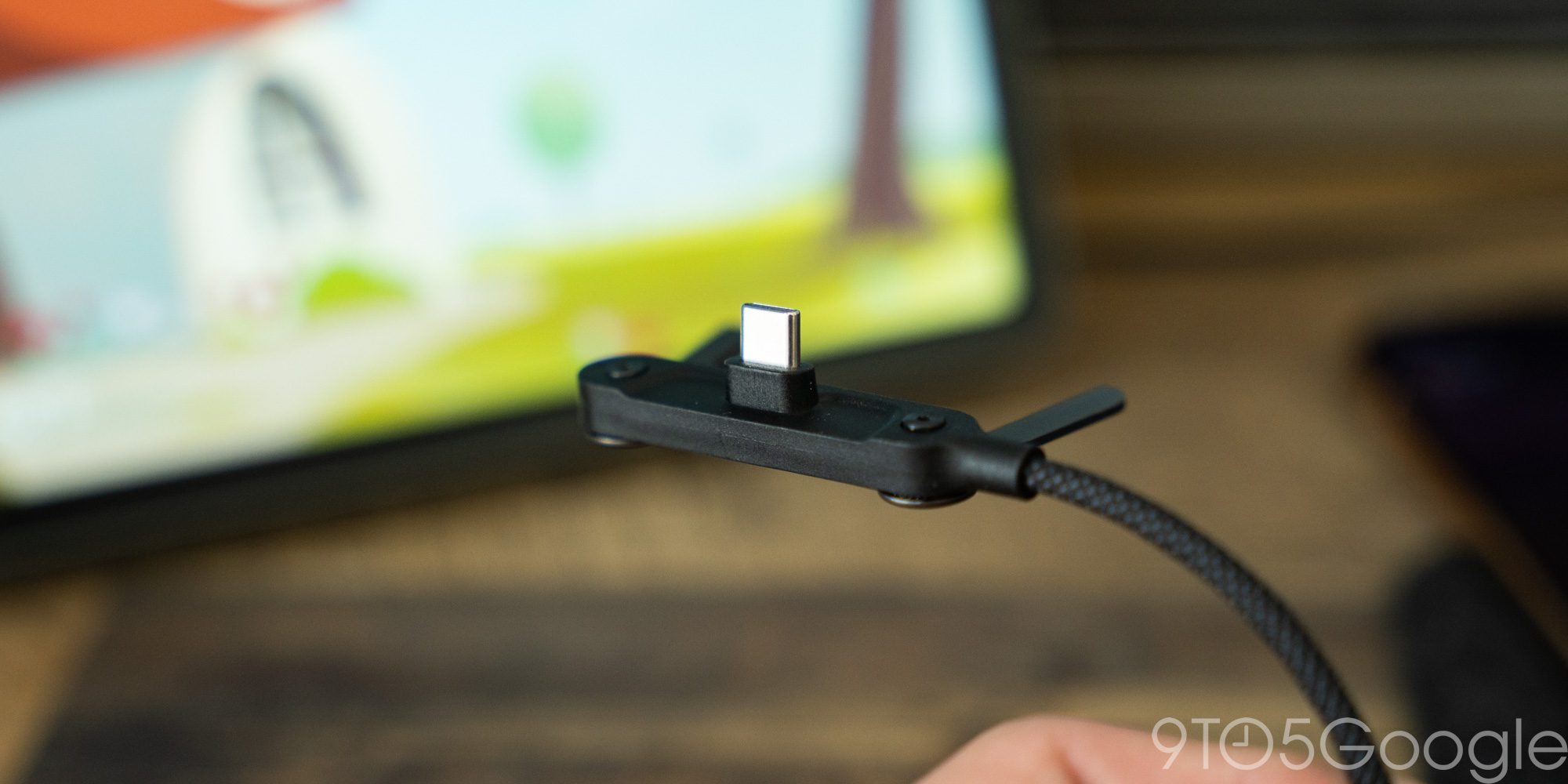
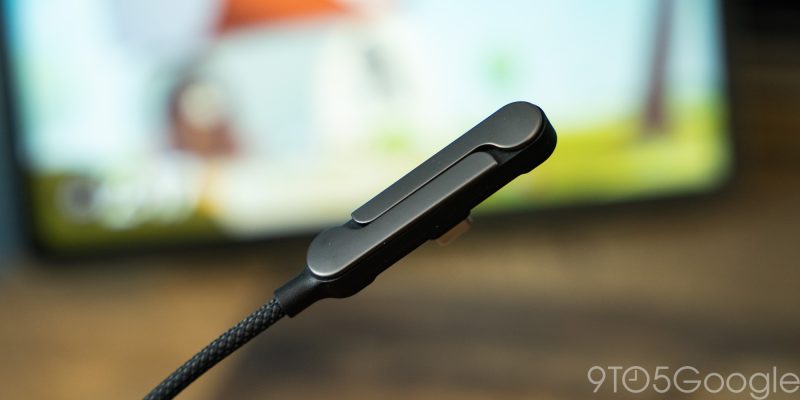
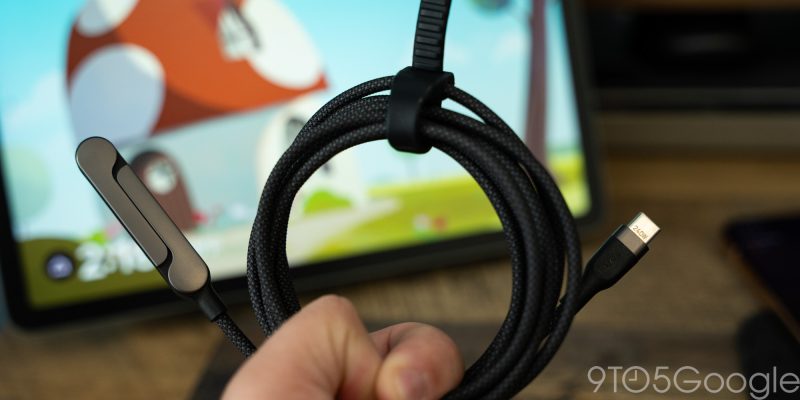
The Statik PowerStand represents a departure from standard cable design by prioritizing mechanical functionality alongside electrical performance. The device is a 6.6-foot braided USB-C cable. The primary innovation lies in the terminal end, which features a right-angled plug mounted on a raised, structural base. This base is equipped with two retractable, foldable feet that deploy to support the weight of a smartphone.
From an engineering perspective, the PowerStand is designed to handle high-power demands, supporting up to 240W of power delivery. This makes it compatible with modern high-performance laptops, tablets, and smartphones that utilize the USB Power Delivery (USB-PD) standard. Data transfer is supported at USB 2.0 speeds, which, while not designed for high-speed file transfers, is standard for charging-centric cables. The braided nylon exterior is rated for durability, a common requirement for cables that are frequently coiled and uncoiled during travel.
Practical Application and Usability
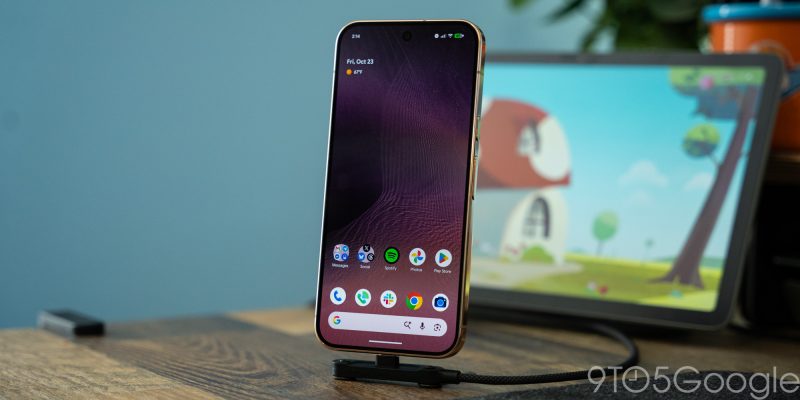
The integration of a kickstand into a charging cable addresses a specific friction point in mobile device usage: the inability to maintain an upright, viewable angle while tethered to a power source in environments like hotel rooms, offices, or transit lounges.
In practice, the device operates by locking the phone into a stable position. The right-angled connector is engineered to accommodate most standard smartphone cases, including thick, protective designs from manufacturers like Nomad and Peak Design. The balance of the structure is sufficient to maintain a vertical orientation without tipping, provided the device is placed on a stable, flat surface. The foldable feet utilize a tactile locking mechanism, ensuring they remain in the desired position during use but fold flush against the base when the cable is packed away.
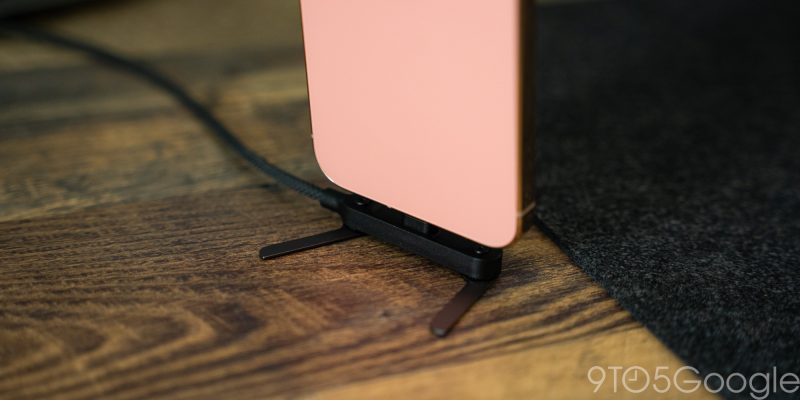
This design choice eliminates the need for a separate, bulky folding stand, effectively reducing the total mass of a traveler’s "everyday carry" kit. By combining the cable and the stand, Statik has created a multifunctional tool that serves two distinct purposes with a single, lightweight component.
Evolution of Portable Charging Accessories
The release of the PowerStand follows a broader trend in the tech accessory market, where companies are increasingly looking for ways to streamline user setups. Over the past decade, the industry has shifted from proprietary connectors to a universal USB-C standard, which has simplified the market but also led to a surplus of redundant cables.
Statik has positioned itself within this market by focusing on "utility-first" designs. The company’s previous success with magnetically organizing cables—which allow users to snap the cable onto itself for neat storage—demonstrated a clear consumer demand for cables that solve the "clutter" problem. The PowerStand acts as the next step in this progression, moving beyond mere organization to active device support.
The Broader Product Ecosystem: PowerPivot Pro
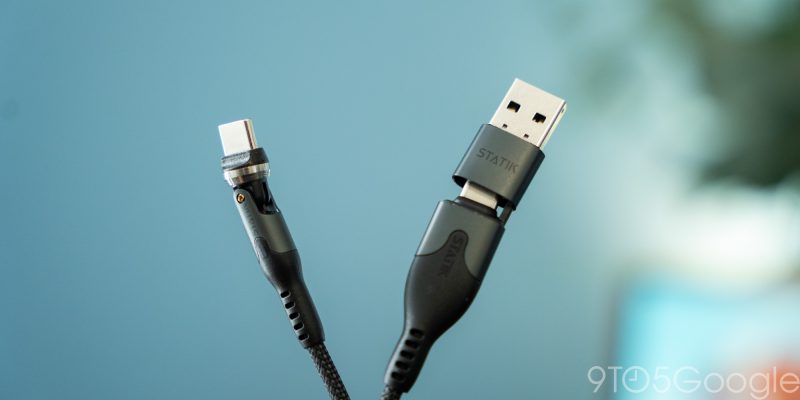
In conjunction with the PowerStand, Statik has expanded its portfolio with the PowerPivot Pro. This cable features a rotating USB-C head that can pivot to any angle, allowing the cable to lay flat against the back of a device even when plugged into a tight space. This is particularly relevant for in-car setups, where the placement of USB ports in vehicles often forces cables into sharp, damaging bends.
The introduction of the PowerPivot Pro alongside the PowerStand suggests that Statik is focusing on the "stress points" of cable longevity. Internal testing by the manufacturer claims the cable is 20 times more durable than conventional alternatives. While these claims are subjective and depend on user habits, the focus on reinforced pivot points and braided shielding reflects a growing consumer preference for long-lasting, heavy-duty electronics over disposable, low-cost options.
Technical Implications and Market Context
The move toward higher-wattage cables like the 240W PowerStand is driven by the rapid adoption of GaN (Gallium Nitride) charging technology. As smartphones and laptops move toward faster charging protocols, the cables connecting them must be able to handle increased heat and throughput without degradation.
By integrating a stand into a 240W cable, Statik is targeting the power-user demographic—individuals who carry high-end tablets or laptops and require a robust, versatile power solution. However, the price point of $20 places it in direct competition with premium braided cables that do not offer the added structural functionality. The success of the PowerStand will likely depend on whether consumers perceive the "kickstand" feature as a genuine utility or a niche novelty.
Fact-Based Analysis of Utility
When assessing the utility of the Statik PowerStand, several factors must be considered:
- Space Efficiency: The product succeeds in replacing a dedicated, separate phone stand, which is a significant advantage for minimalist travelers.
- Compatibility: The support for cases is a critical factor. Many kickstand-style cases add significant thickness to the phone, often interfering with charging docks. By using the cable plug itself as the support, Statik bypasses the limitations of traditional charging docks.
- Mechanical Stress: A potential area of concern for any cable-integrated stand is the leverage applied to the charging port. Because the phone rests on the cable, the connector acts as a pivot point. While the right-angle design helps mitigate this, users should be mindful of the physical force exerted on the device’s USB-C port during use.
- Data vs. Power: The limitation to USB 2.0 data speeds means that while the cable is an excellent charging solution, it is not optimized for users who frequently transfer large files from their phones to laptops. This is a deliberate trade-off, as high-speed data cables (like Thunderbolt or USB 3.2 Gen 2) are significantly more expensive and less flexible.
Future Outlook for Accessory Design
The shift toward multifunctional peripherals indicates a maturing market. As consumers grow more comfortable with the USB-C standard, they are looking for "value-added" features. The Statik PowerStand is a representative example of how hardware companies are responding to the demand for smarter, more integrated designs.
Moving forward, it is likely that other manufacturers will explore similar designs. The combination of structural engineering and electrical conductivity is a space that remains relatively underserved. Whether the industry moves toward standardized, integrated mechanical supports or continues to favor modular, separate accessories remains to be seen, but for the present, the PowerStand offers a compelling, pragmatic alternative to traditional charging setups.
By prioritizing the physical interface between the user, the device, and the power source, Statik has demonstrated that even a commodity item like a charging cable can still be a site of meaningful innovation. As mobile devices continue to increase in size and media consumption remains a primary use case, the demand for ergonomic, portable viewing solutions is expected to persist, making products like the PowerStand highly relevant to the modern mobile user.