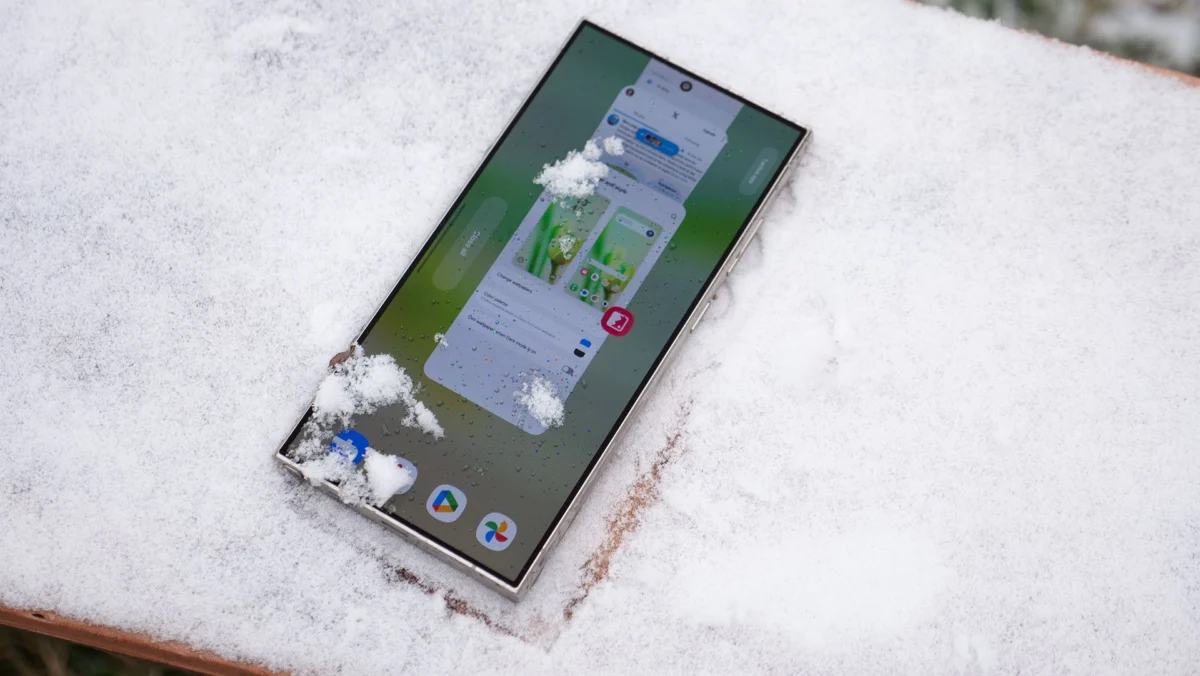
The recent global rollout of Samsung’s One UI 9 software update has sparked a wave of complaints across online tech communities, with users highlighting severe battery drain and sporadic software bugs affecting various device generations. While major operating system upgrades often encounter minor optimization hurdles during their initial deployment phases, the frequency and severity of the current reports suggest a more complex underlying issue affecting specific device configurations. Owners of flagship handsets—most notably the Galaxy S24 Ultra and select Galaxy S25 and Galaxy S26 series models—have taken to platforms like Reddit, Samsung Community Forums, and specialized Android enthusiast sites to voice their frustrations over sudden power depletion and unexpected performance anomalies.
The phenomenon has raised questions among tech analysts regarding the stability of the latest interface build, particularly given its simultaneous deployment across both current-generation hardware and legacy flagship devices. As support teams and community moderators attempt to categorize the complaints, affected users are left searching for temporary workarounds to maintain day-to-day device usability.
Documented Battery Drain and Screen-On Time Anomalies
Reports of excessive battery consumption began surfacing shortly after Samsung initiated the One UI 9 distribution phase. According to data shared by early adopters, the impact on device endurance varies dramatically from user to user, pointing toward an inconsistent background process or hardware-software interaction rather than a uniform system-wide flaw.
In one prominent case highlighted by industry monitors, a Galaxy S24 Ultra user experienced a near-complete battery depletion, losing 95 percent of a full charge in just five hours and twenty minutes. Crucially, this rapid discharge occurred alongside a relatively modest screen-on time (SoT) of approximately three hours, indicating that heavy background power draw was occurring while the display was inactive.
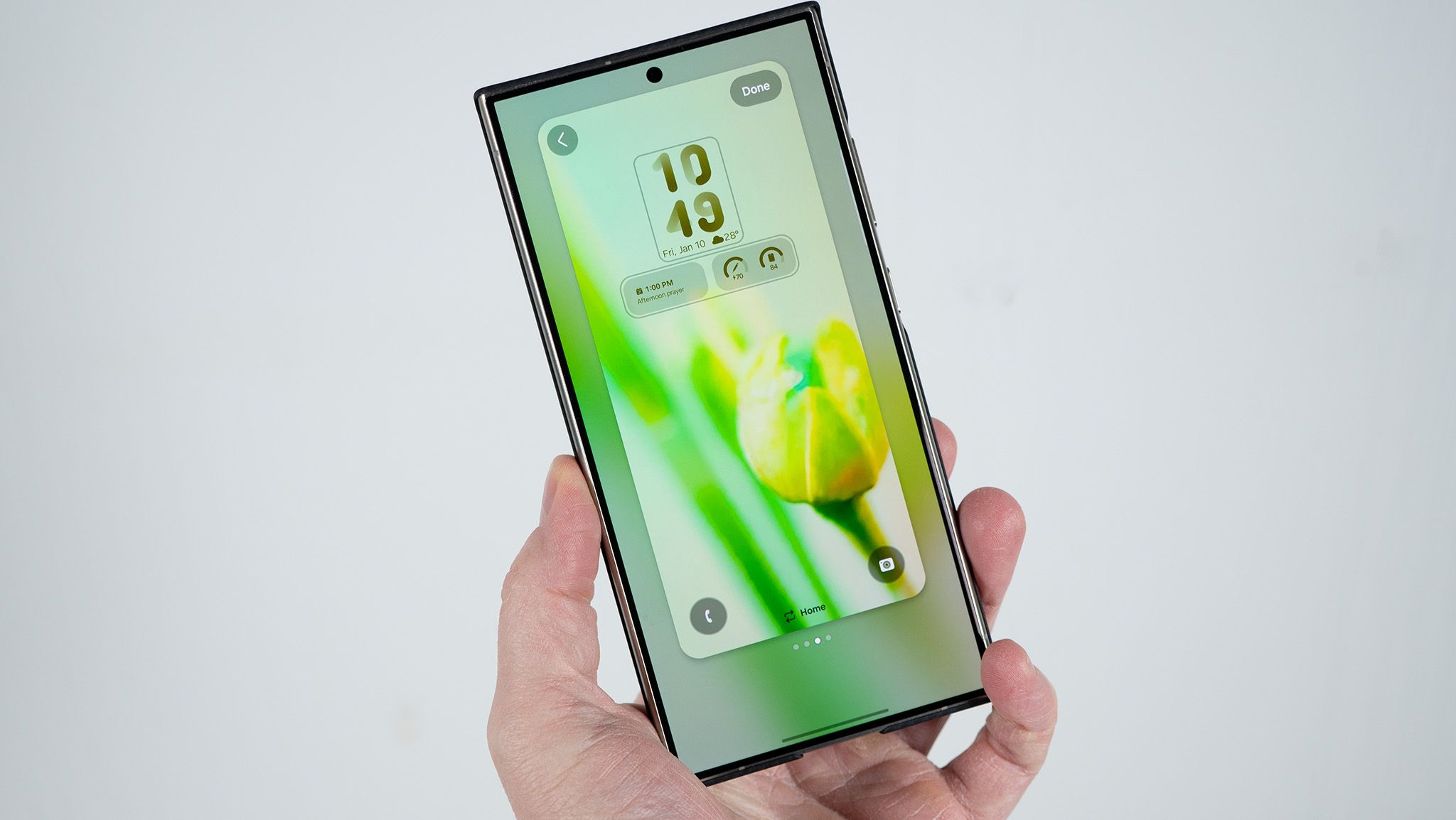
Similar concerns have emerged regarding idle battery drain. A separate thread on Reddit detailed an instance where a Galaxy S24 device lost 40 percent of its total battery capacity over an 11-hour idle period, yielding only two and a half hours of active screen time. Similar anecdotal accounts have trickled in from users operating the Galaxy S25 series, with some individuals reporting the need to recharge their devices multiple times throughout a standard workday—a stark departure from the typical all-day battery performance expected from modern flagship silicon.
Conversely, broad testing conducted by major technology publications on standard review units—including the Galaxy S25 Ultra—has yielded mixed results, with some testing environments showing negligible changes in overall power efficiency. This dichotomy suggests that the battery drain may be tied to specific user configurations, legacy app caching, or regional firmware variations rather than a universal hardware failure.
Chronology of the One UI 9 Deployment
The rollout of One UI 9 represents a critical milestone in Samsung’s annual software lifecycle, designed to introduce advanced interface optimizations, enhanced security protocols, and deeper integration of on-device machine learning capabilities. However, the deployment schedule has encountered several high-profile friction points:
- Early October: Samsung initiates the phased beta and stable deployment of One UI 9 for current and past-generation flagship smartphones.
- Mid-October: Initial reports of abnormal battery behavior begin accumulating on user-run forums, with particular emphasis on the Galaxy S24 Ultra.
- Late October: Discussions widen to encompass potential setup loops and error messages on newly updated devices, alongside isolation of idle battery drain metrics.
- Present: Samsung support channels begin addressing isolated bug reports while the broader community awaits an official patch or firmware hotfix.
Setup Bugs and Regional Error Reports
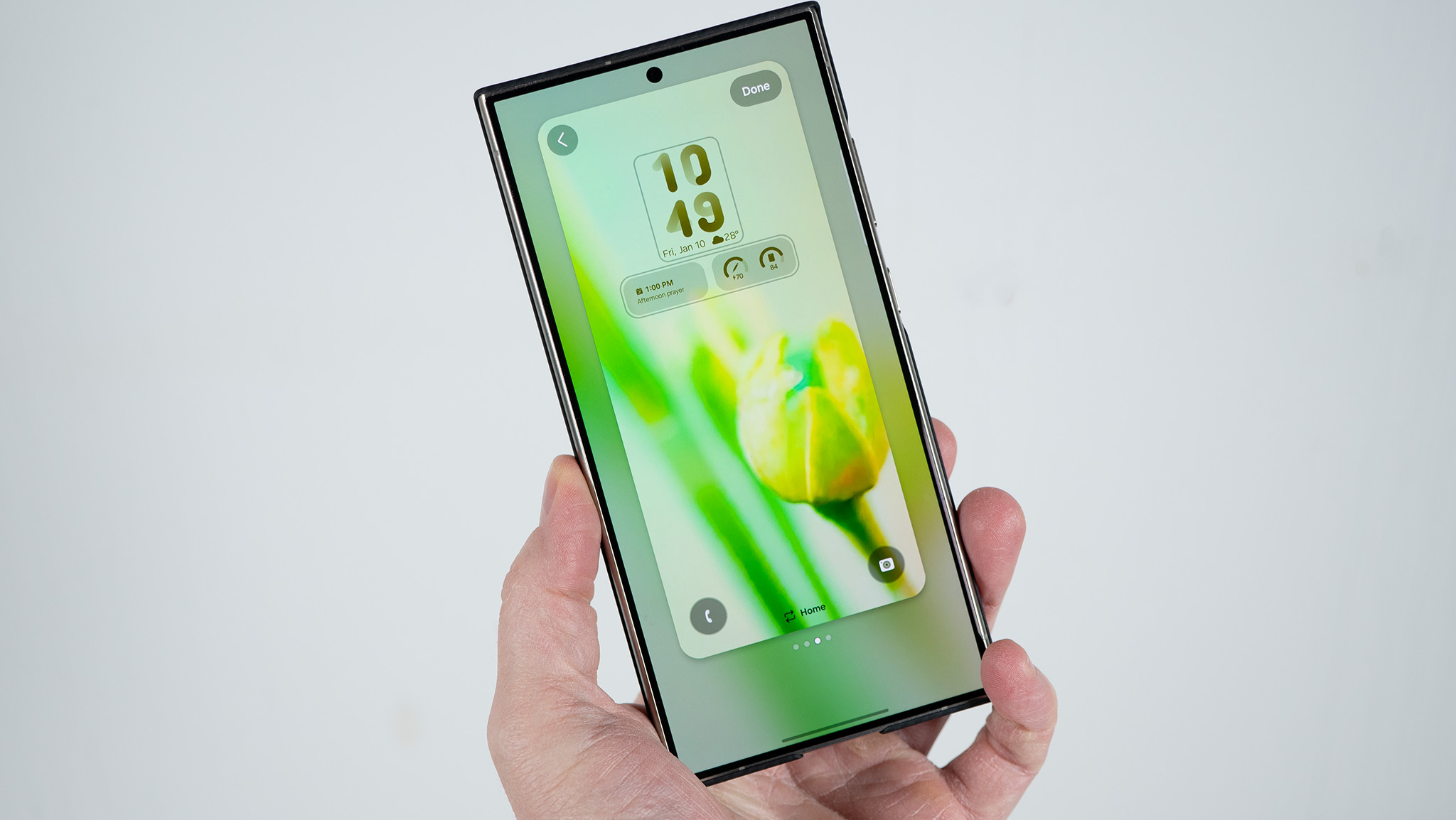
Beyond power management complications, the One UI 9 rollout has introduced localized software bugs that disrupt the initial configuration experience for certain users. Notably, a setup bug was documented in South Korea involving a Galaxy S26 Ultra unit. During the final stages of the post-update initialization process, the user encountered a persistent error message stating that the "webpage is unavailable," effectively locking them out of the device’s home and lock screens.
Samsung’s rapid response to the setup error provided a baseline troubleshooting protocol for affected consumers. The manufacturer advised users encountering the webpage loading failure to verify that their native browser applications were fully updated to the latest available version and to transition the device to a stable Wi-Fi network before attempting to complete the final configuration steps. While this specific bug does not appear to be widespread across global markets, its occurrence highlights the delicate nature of deep system-level updates that rely on cloud-connected setup wizards.
Industry Context and the Challenge of Major Android Iterations
The technical difficulties accompanying the One UI 9 distribution underscore a broader, systemic challenge facing major original equipment manufacturers (OEMs). As mobile operating systems grow increasingly complex—incorporating expansive AI frameworks, dynamic theming engines, and complex background resource management—the margin for error during major version transitions narrows significantly.
When transitioning to a new iteration of Android and accompanying custom skins, device hardware must re-index file systems, optimize legacy applications, and recalibrate power profiles. In many cases, elevated battery consumption immediately following a major update can be attributed to background optimization routines that resolve themselves within a few days. However, when excessive drain persists beyond a week—as reported by a vocal segment of Galaxy S24 and S25 owners—it typically points to software conflicts involving third-party applications that have not yet been optimized for the new API standards introduced in One UI 9.
Broader Impact and Implications for Consumers
For Samsung, the primary concern moving forward will be managing consumer sentiment during a critical sales and support window. Flagship devices such as the Galaxy S24 and S25 series represent the pinnacle of the company’s hardware engineering; consequently, any perceived regression in core user experience metrics, such as battery longevity or basic boot stability, risks drawing negative scrutiny from both consumers and enterprise clients.
Tech analysts note that while isolated software bugs are an inevitable reality of modern consumer electronics, the speed and transparency with which a manufacturer deploys patches serve as key indicators of software support quality. As community-driven data continues to aggregate, the onus rests on Samsung’s software engineering teams to isolate the root cause of the abnormal power consumption and issue a comprehensive firmware update to restore baseline efficiency across all affected device tiers.
In the interim, affected users are advised to monitor app-level battery usage via the device settings menu, clear system cache partitions where applicable, and ensure that all installed applications are updated to their latest compatible versions to minimize potential background conflicts.