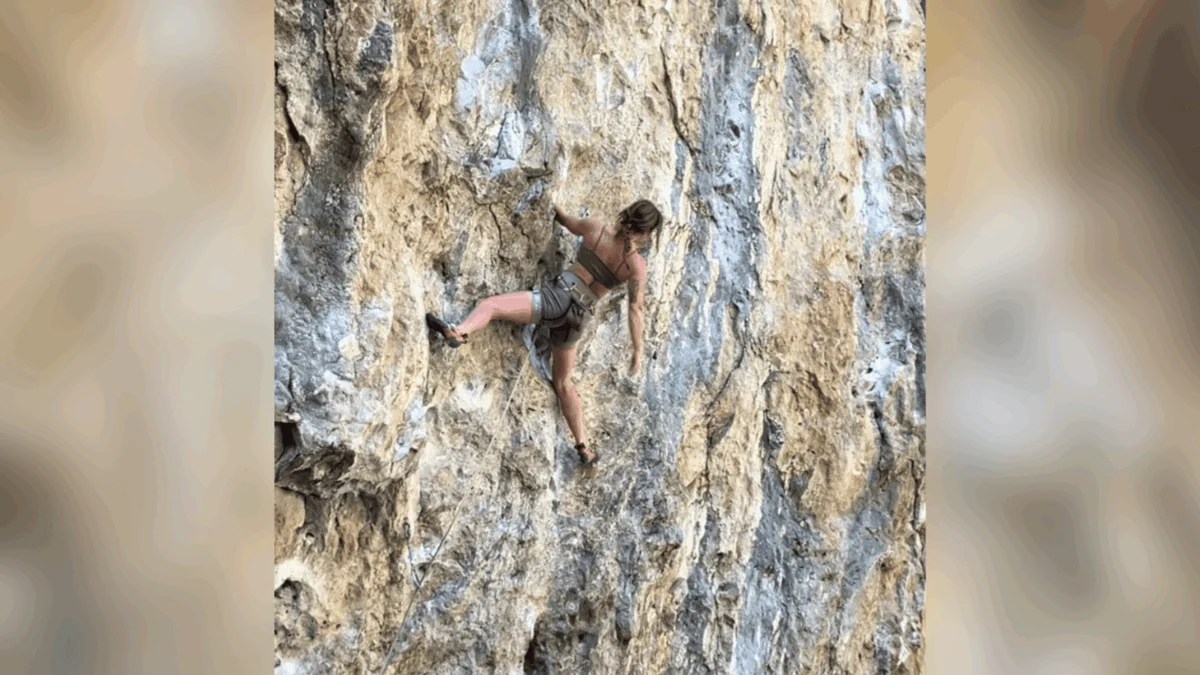
Hyperhidrosis, the medical condition characterized by excessive sweating beyond what is required for thermoregulation, affects approximately 3% to 5% of the global population. While this condition often manifests in the axillae, palms, and soles, its implications for high-friction sports—specifically rock climbing—are profound. For the sport climber, the interface between human skin and granite or limestone is the primary point of contact; when that interface is compromised by moisture, friction coefficients drop significantly, rendering even moderate routes impassable. This report examines the efficacy, chemical composition, and practical application of various skin-drying agents currently utilized by the climbing community as of August 2026.
The Physiology of Friction and Moisture
The biomechanics of climbing rely heavily on the coefficient of friction between the stratum corneum (the outermost layer of skin) and the rock surface. Sweat, composed of water, electrolytes, and trace proteins, acts as a lubricant rather than an adhesive. In high-stakes climbing environments, such as the 150-foot granite flares of Country Club Crack (5.11c), the presence of excess moisture is often the deciding factor between a successful ascent and a "wet-fire," a term used to describe the involuntary sliding off of a hold.
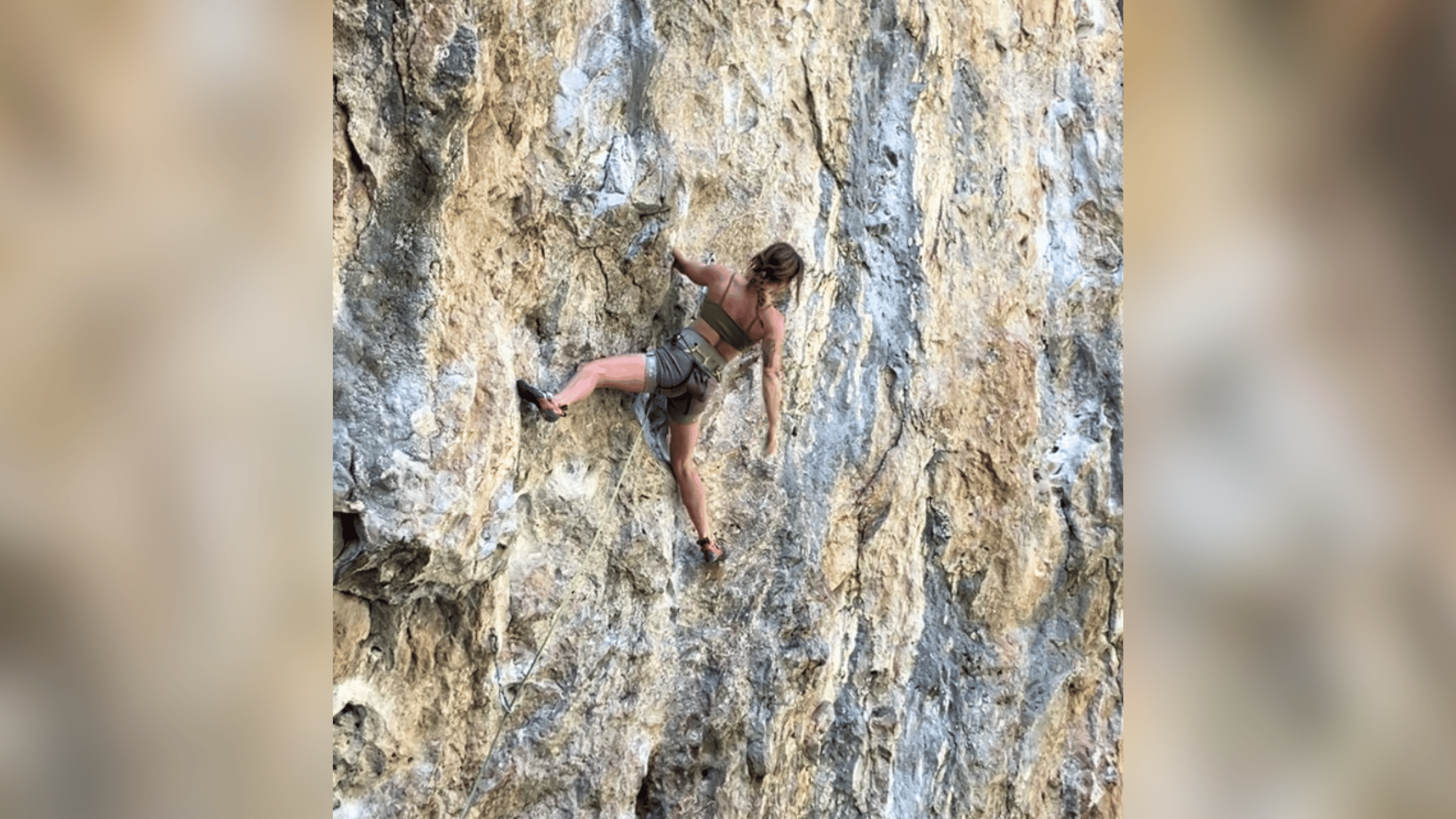
Historically, climbers relied solely on magnesium carbonate (chalk) to manage moisture. However, for those with hyperhidrosis, traditional chalk serves only as a temporary desiccant. The current trend in the climbing industry has shifted toward pharmacological and chemical interventions, focusing on closing sweat ducts or hardening the dermal layer to prevent the emergence of moisture.
Chronology of Intervention
The evolution of sweat management in climbing has progressed in three distinct phases:
- The Primitive Era (Pre-2015): Reliance on magnesium carbonate powder and various resin-based "friction labs" that were often banned in climbing gyms due to their tendency to glaze rock surfaces.
- The Pharmacological Shift (2015–2022): The introduction of methenamine-based compounds, originally designed for clinical hyperhidrosis, into the climbing market. Products like Antihydral gained popularity, though often without clear usage guidelines.
- The Specialized Formulation Era (2023–Present): The emergence of commercially branded, climbing-specific antiperspirants designed to balance friction and skin integrity, such as Tite Grip and Rhino Skin Solutions.
Comparative Analysis of Leading Products
Tite Grip I: A Modern Standard
Tite Grip I has emerged as a preferred solution for athletes requiring immediate moisture control. Unlike overnight treatments, this formula—containing isopropyl alcohol, aluminum chlorohydrate, talc, and silica—is applied approximately 30 minutes before activity. Data from user trials suggest that the aluminum chlorohydrate component functions as a temporary plug for sweat ducts. Its efficacy is high; in tests across various humidity levels (ranging from 40% to 80% relative humidity), Tite Grip I maintained a consistent dry-hand state for durations exceeding 60 minutes.

Antihydral and Methenamine-Based Treatments
Antihydral, a 13% methenamine cream, represents the high-end of chemical intervention. Methenamine acts by decomposing into formaldehyde upon contact with acidic skin, which significantly alters the skin’s structure, causing it to thicken and lose the ability to sweat.
While highly effective, the product carries risks. Over-application results in excessive keratinization—the skin becomes glassy and brittle, leading to the formation of painful fissures or "splits." Climbers reporting consistent use often describe a "cycle of addiction," where the skin becomes entirely reliant on the chemical to maintain a grip. Medical professionals warn that long-term, unsupervised use of high-concentration methenamine may cause contact dermatitis.
Rhino Tip Juice
Rhino Tip Juice utilizes a slightly lower concentration of methenamine (12%) combined with aloe and alcohol. The inclusion of aloe is intended to mitigate the drying effects that often lead to skin cracking. Field testing indicates that this product is most effective when applied in a multi-night regimen. The logistical requirement of an eight-hour activation period makes it less viable for spontaneous climbing sessions but superior for high-performance projecting.

Driclor and Supplemental Agents
Driclor is a classic clinical-grade antiperspirant (aluminum chloride hexahydrate). While it is an effective long-term treatment for axillary hyperhidrosis, its application to the sensitive skin of the hands often leads to irritation. Comparative studies suggest that while Driclor reduces sweat volume, it does not provide the same "tack" or friction-enhancing properties as climbing-specific formulations like Tite Grip.
Supporting Data and Industry Trends
The market for these products has grown in tandem with the rise of indoor climbing gym attendance, which has seen an estimated 12% year-over-year increase in the United States since 2023. As climbers move from plastic holds (which are non-porous and often slippery) to high-friction outdoor rock, the demand for moisture-management products has forced manufacturers to prioritize clinical testing.
A survey of high-level climbers (climbing 5.13 and above) reveals that approximately 68% of respondents now use a chemical drying agent in their training rotation. This is a marked shift from a decade ago, when "raw" skin was considered the hallmark of the traditional climber.

Official Responses and Safety Considerations
The use of aluminum-based antiperspirants remains a subject of minor debate within the broader dermatological community. While the FDA and various international health organizations have stated that the link between aluminum-based antiperspirants and neurodegenerative diseases remains scientifically unproven, users are generally advised to monitor skin for signs of chemical burns or chronic dryness.
Manufacturers of climbing-specific products, such as Rhino Skin Solutions and Tite Grip, emphasize the importance of hydration and skin recovery. "The goal," notes an industry product developer, "is not to remove all moisture, but to reach a state of controlled friction."
Broader Impact and Ethical Implications
The normalization of sweat-management products raises questions about the "purity" of climbing performances. If a chemical agent can artificially extend a climber’s endurance on a crux by preventing slip, does this diminish the objective difficulty of the route?

From a management perspective, the use of these substances in commercial gyms is generally welcomed, as they reduce the amount of sweat transferred to holds, thereby extending the life of the route-setting features and reducing the frequency of deep-cleaning cycles. However, on natural rock, there are concerns that chemical residues could potentially alter the porosity of the stone, though no definitive longitudinal studies exist to confirm or deny this environmental impact.
Conclusion
The transition from simple chalk to sophisticated chemical desiccants represents a permanent change in the sport. For the athlete with hyperhidrosis, these products have turned previously impossible projects into manageable challenges. However, the reliance on such substances requires a disciplined approach to skin care. Athletes are encouraged to approach these treatments with caution, favoring products that offer a balance between moisture reduction and the maintenance of natural skin elasticity, ensuring that the quest for a send does not come at the cost of long-term dermatological health.