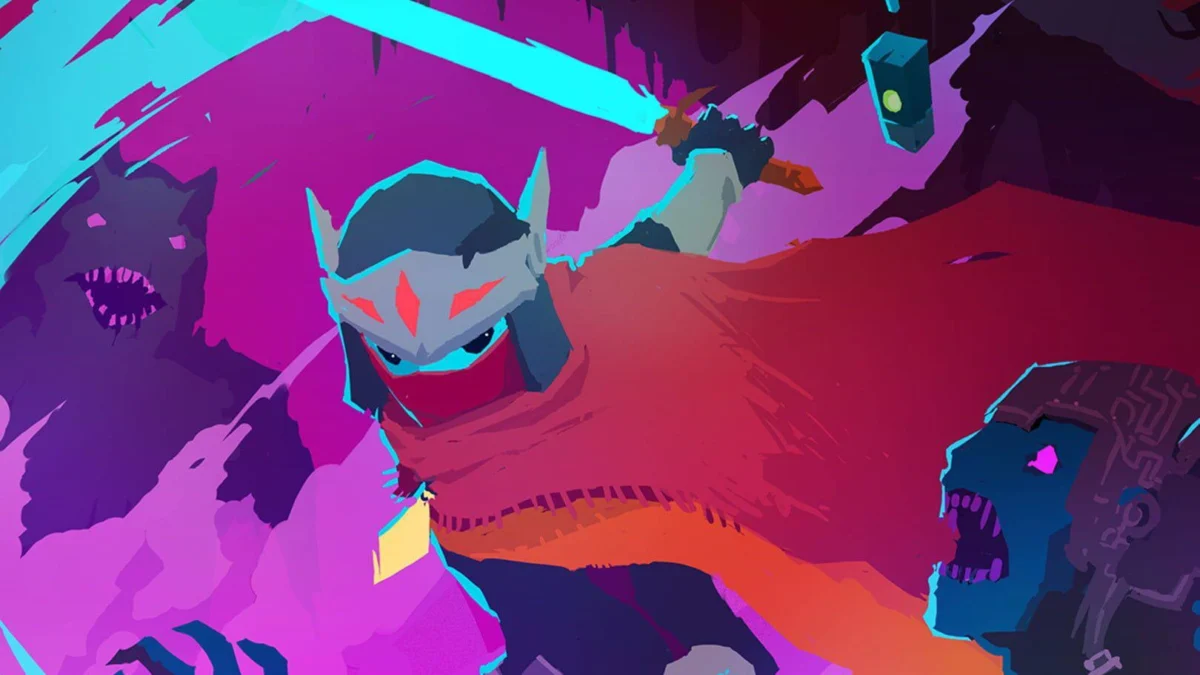
The independent game development studio Heart Machine, best known for the critically acclaimed 2016 breakout hit Hyper Light Drifter, has announced a devastating reduction in its workforce. Studio founder Alx Preston confirmed that the company has been forced to let go of "nearly everyone" on its payroll after an unnamed publishing partner abruptly canceled funding for a project currently in development. This event marks a significant turning point for the studio, which has been a staple of the independent gaming scene for nearly a decade.
A Sudden Financial Collapse
The termination of the funding agreement left Heart Machine with no immediate alternative revenue streams to sustain its operations. In a statement released via LinkedIn, Preston addressed the gravity of the situation, noting that the loss of this "key income" left the leadership with no choice but to initiate mass layoffs. While the studio continues to exist as a corporate entity, Preston admitted that the path forward remains highly uncertain.
"Navigating an increasingly challenging industry has been extremely difficult, and I’m not sure yet what’s next for Heart Machine to survive," Preston wrote. He emphasized that the primary focus of the remaining leadership is to provide support to the affected staff, including assistance with job placement and professional transitions. The layoffs represent the latest in a series of setbacks for the studio, which has struggled to replicate the sustained success and critical reception of its earlier titles.
Chronology of a Studio in Flux
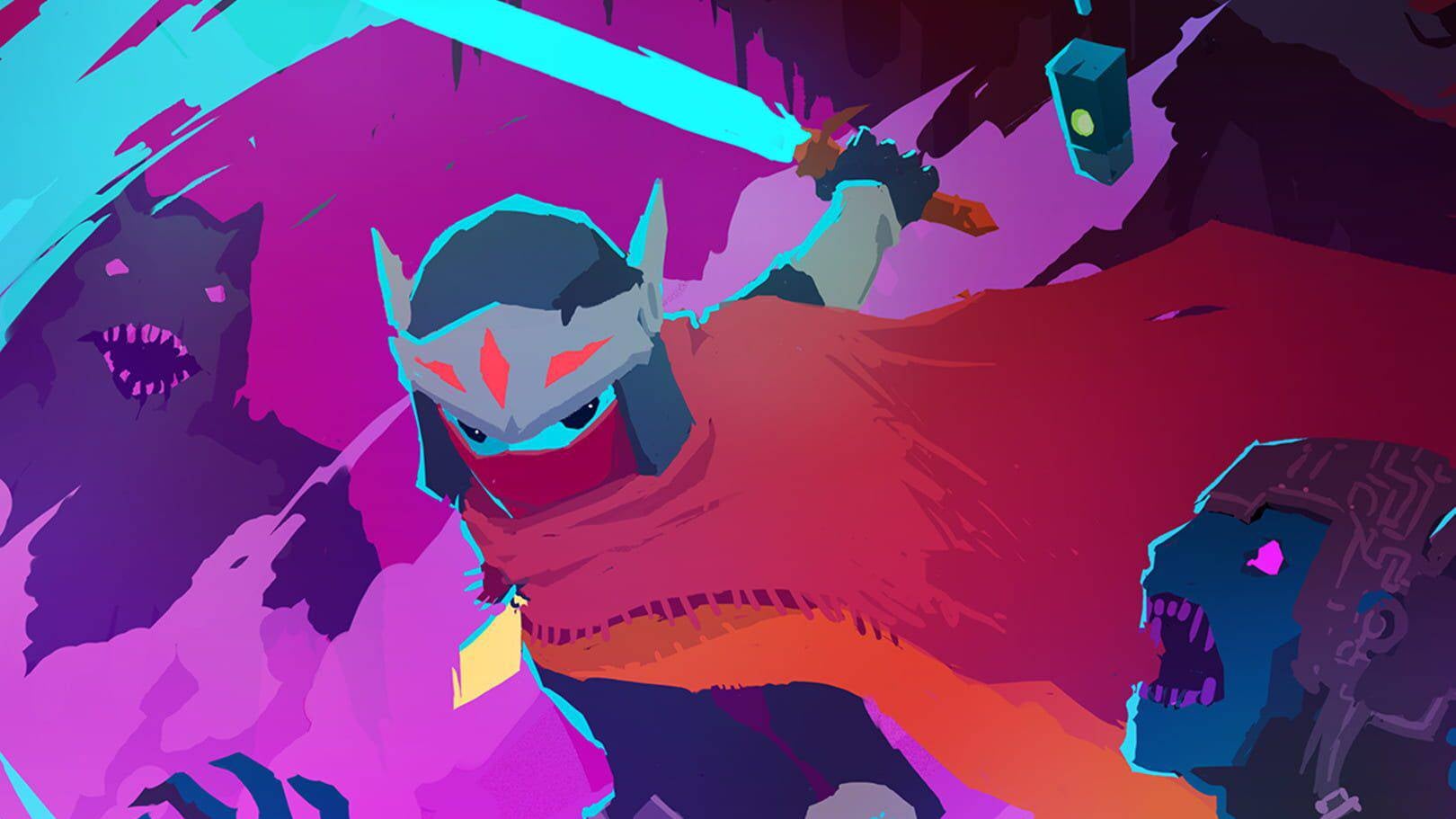
Heart Machine’s trajectory has been marked by high creative ambitions followed by a period of sustained volatility. The studio first gained prominence with Hyper Light Drifter, an action role-playing game that garnered widespread praise for its evocative pixel art and challenging combat mechanics.
- 2016: The release of Hyper Light Drifter establishes Heart Machine as a major voice in the indie space.
- 2021: The studio launches Solar Ash, a 3D sci-fi platformer that attempted to transition the studio into larger-scale, three-dimensional environments.
- 2023–2024: The studio pivots toward multiplayer-focused projects and rapid-release cycles, including the Early Access launch of Hyper Light Breaker.
- 2024: Development of Hyper Light Breaker is officially brought to an end during its Early Access phase, coinciding with an initial round of staff reductions.
- 2024: The release of the side-scrolling Metroidvania title Possessor(s) receives a lukewarm reception, failing to provide the commercial stability the studio required.
- 2025: The cancellation of an unannounced project leads to the effective dissolution of the studio’s workforce.
The Broader Industry Crisis
The closure of the majority of Heart Machine’s operations is reflective of a wider, systemic issue currently plaguing the global video game industry. According to industry tracking data, the years 2023 and 2024 have seen record-breaking numbers of layoffs across the sector. From major conglomerates such as Microsoft’s gaming division and Electronic Arts to smaller independent teams, the trend of "right-sizing" has become an industry-wide contagion.
Analysts point to several factors contributing to this instability. During the pandemic, the gaming sector saw unprecedented growth in consumer spending and investment. However, as the market normalized, studios found themselves overextended with ballooning budgets and inflated staff counts. When capital became more expensive due to rising interest rates, publishers began to pull back on funding for mid-sized projects, leaving studios like Heart Machine particularly vulnerable.
For indie developers, the reliance on external publishers for "milestone-based" funding is a double-edged sword. While it provides the capital necessary to build complex software, it also places the studio’s fate entirely in the hands of the publisher’s shifting financial strategy. If a publisher decides to pivot their portfolio or cut costs, they can terminate a contract with little warning, leaving the developer with no financial safety net.
Analyzing the Impact of Recent Releases
The decline in Heart Machine’s fortunes can also be tied to the reception of its recent catalog. Hyper Light Breaker, which was intended to be the studio’s foray into the "live service" or multiplayer market, struggled to find its audience during its time in Early Access. Critics and players noted that the game lacked the tight, focused design philosophy that defined the original Hyper Light Drifter.
The subsequent decision to cease development on Breaker in 2024 was a major blow to the studio’s reputation. Following this with the release of Possessor(s)—which was met with mixed reviews—only served to further isolate the studio from the commercial stability required to weather the current economic climate. The inability to secure a "hit" after the success of their debut title created a precarious environment where any single project cancellation would inevitably lead to the type of personnel crisis the studio is now facing.
The Future of Heart Machine
As of this writing, the future of the Heart Machine brand remains in limbo. While Preston has stated that the studio will "keep pushing to build a path while we are still here," the loss of institutional knowledge due to the mass layoffs makes the prospects of a recovery slim. In the current market, it is rare for a studio to bounce back from such an extensive reduction in force without a significant injection of venture capital or a new, guaranteed publishing partnership.
Industry observers note that Heart Machine’s situation is a sobering reminder of the volatility inherent in creative industries. The transition from a "boutique" studio—capable of producing highly curated, smaller experiences—to a mid-sized operation attempting to tackle more ambitious, multiplayer-oriented projects is fraught with risk. Many developers in the current landscape are finding that the overhead required to maintain these larger operations is unsustainable without the backing of a major, deep-pocketed publisher.
Conclusion and Reflections
The layoffs at Heart Machine are more than just a local business failure; they are a symptom of a larger, structural contraction within the interactive entertainment industry. As studios find themselves caught between the demands of publishers and the realities of a cooling market, the human cost of these shifts continues to mount.
The legacy of Heart Machine, however, remains secure in the eyes of its fans. The impact of their early work, particularly the aesthetic and emotional resonance of Hyper Light Drifter, has left an indelible mark on independent game development. Whether the studio can reformulate itself in a leaner, more sustainable capacity remains to be seen. For now, the events of this week serve as a stark caution to the industry: even the most critically respected teams are not immune to the cold, hard mathematics of publishing, finance, and the relentless pressure of a market that is increasingly unforgiving of failure.
The studio’s leadership now faces the difficult task of managing the final stages of this transition, ensuring that the remaining staff are supported as they look for work in a job market that is already saturated with talented, displaced developers. It is a somber end to a chapter that began with such immense promise, highlighting the thin line between creative innovation and corporate viability in the modern era of game development.