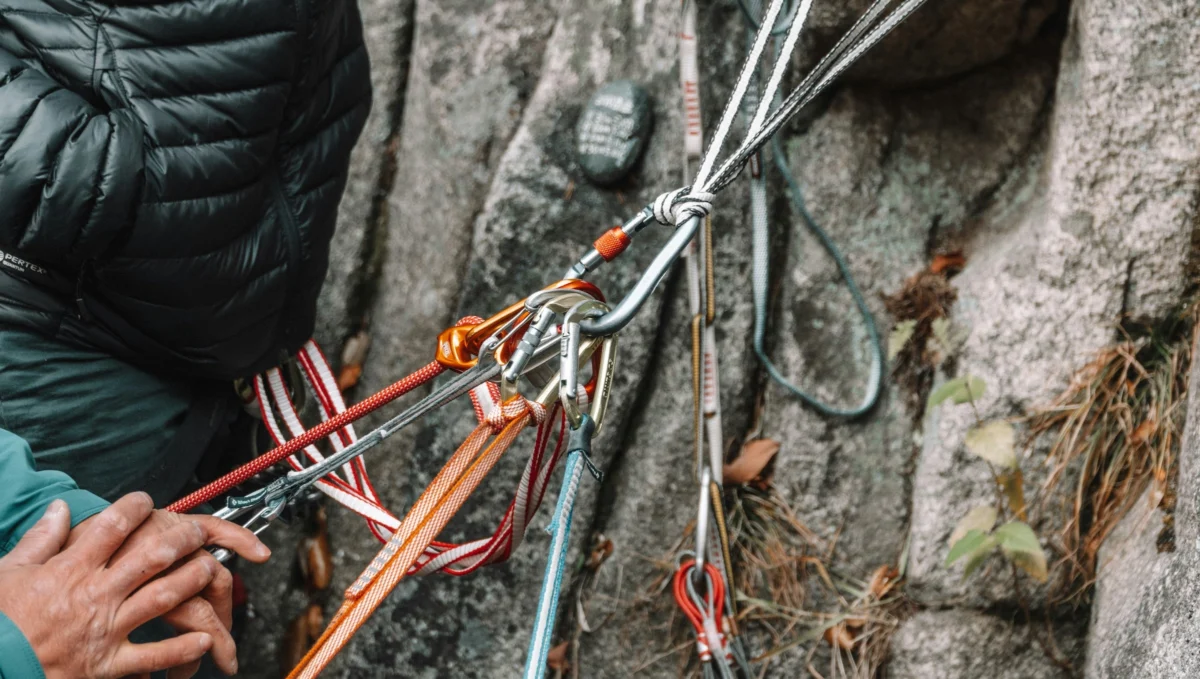
Climbing anchors serve as the fundamental lifeline for every vertical endeavor, acting as the primary point of failure or security for climbers suspended hundreds of feet above the ground. Despite the life-critical nature of these systems, the diversity of equipment, environmental variables, and varying levels of instructional background often lead to configurations that range from suboptimal to dangerously inadequate. In an effort to address this persistent safety concern, Climbing magazine has launched a dedicated initiative designed to provide objective, expert-led evaluations of reader-submitted anchor systems.
The Evolution of Anchor Safety Standards
The history of climbing anchors is a narrative of rapid technological advancement meeting traditional craftsmanship. In the early eras of the sport, anchors were constructed primarily from natural features—boulders, trees, and chockstones—often backed up by pitons. As the sport matured, the introduction of camming devices, modern nylon webbing, and specialized steel hardware fundamentally changed the margin for error.
However, the proliferation of gear has arguably outpaced the dissemination of standardized rigging practices. Data from climbing accident reports, such as those compiled annually by the American Alpine Club (AAC) in their publication Accidents in North American Climbing, consistently highlight "inadequate anchor systems" as a recurring contributing factor in incidents. Whether it is a failure to properly equalize loads or a lack of redundancy in a multi-pitch setup, the margin between a successful climb and a catastrophic failure is often defined by the minute details of an anchor’s construction.
Chronology of the Anchor Analysis Initiative
The decision to formalize this analysis project follows years of informal discourse within the climbing community. Historically, the feedback loop for anchor rigging was limited to local mentors or peer-to-peer observations at the crag.
In mid-2026, the editorial team at Climbing identified a significant demand for accessible, professional feedback on rigging techniques. The project began as a series of feature articles highlighting common mistakes, such as the misuse of fixed "ram’s horn" anchors or the disregard for the SERENE principle (Solid, Equalized, Redundant, Efficient, No-Extension). By August 2026, the initiative expanded into a public submission platform, allowing climbers globally to document their setups—whether their own or those observed in the field—for professional review.
Expert Oversight and Analytical Methodology
The integrity of the analysis process is anchored by the expertise of the reviewers involved. Anthony Walsh, senior editor at Climbing and a veteran alpinist, leads the program. Walsh’s background includes high-stakes technical climbing, such as the arduous, storm-lashed descents of Patagonia’s Torre Egger, where anchor integrity is not merely a matter of safety, but a requirement for survival.
The evaluation process follows a structured methodology. When a submission is received, it is cross-referenced against the following technical criteria:
- Redundancy: Does the system contain backup components? If one part of the anchor fails, will the load be transferred to a secondary, independent system?
- Equalization: Is the force distributed effectively across all points of the anchor? Poor equalization can lead to shock-loading, which increases the stress on individual components.
- Extension: In the event of a failure of one component, will the system undergo significant movement or "extension," potentially causing a shock to the remaining components?
- Rigging Geometry: Are the angles between the legs of the anchor within acceptable limits? Acute angles significantly increase the forces exerted on each piece of gear, often exceeding the breaking strength of modern webbing or carabiners.
Beyond the editorial staff, the project reserves the right to enlist the assistance of International Federation of Mountain Guides Associations (IFMGA) certified professionals and experienced route developers. This multi-layered approach ensures that the advice provided is consistent with current international standards rather than anecdotal or regional trends.
Data-Driven Insights on Common Rigging Failures
Statistical analysis of submitted anchors reveals several recurring patterns that indicate a need for broader educational outreach. The most common errors identified include:
- Fixed Hardware Misuse: With the increase in "ram’s horn" style anchors—often found in European sport climbing areas—many climbers fail to understand the specific loading characteristics of these non-gated steel components. Failure to properly orient the rope can lead to unintended un-clipping during rope retrieval or wind-induced movement.
- Improper Triangulation: Many traditional anchors fail to account for multi-directional loading. A climber may build a perfect anchor for a downward pull, only to neglect the possibility of upward or sideways force during a lead fall or when cleaning a pitch.
- The "Janky" Toprope Trap: One of the most common issues involves anchors built by novices using excessive amounts of webbing or redundant, yet poorly organized, carabiner setups. These setups often create unnecessary friction and wear on the equipment while failing to improve actual safety margins.
The Role of Peer Review and Community Engagement
A central objective of this initiative is to foster a culture of transparency. By removing the stigma associated with "building a bad anchor," the program encourages climbers to seek correction before an accident occurs. The anonymous submission policy is a strategic feature designed to lower the barrier for entry. It allows individuals to learn from their mistakes without fear of public ridicule or professional repercussions.
The initiative also bridges the gap between digital content and physical practice. By leveraging social media channels and comment sections, the program facilitates a dialogue where experienced climbers can debate the merits of specific techniques under the guidance of experts. This community-led verification helps to combat the spread of "gym-taught" habits that may not translate well to the complexities of outdoor rock.
Broader Implications for Climbing Safety
The implementation of professional, accessible anchor analysis represents a shift toward institutionalizing safety culture. As climbing continues to see an influx of new participants through the rapid expansion of indoor climbing gyms, the transition to outdoor environments has become a critical focal point for industry safety organizations.
The implications of these analyses are twofold:
- Direct Education: Individual climbers receive actionable feedback that directly improves their immediate risk profile.
- Trend Identification: By tracking the types of anchors submitted, the editorial team can identify systemic knowledge gaps, allowing for the development of more comprehensive training materials, video tutorials, and technical articles.
This data-driven approach mirrors the safety improvements seen in other high-risk industries, where the "near-miss" reporting culture has led to significant reductions in accidents. By analyzing what might have gone wrong before it actually does, the climbing community can move toward a more proactive rather than reactive safety stance.
Conclusion: A Commitment to Lifelong Learning
The art of building an anchor is not a static skill set but a lifelong pursuit of technical mastery. Environmental factors such as rock quality, changing weather conditions, and the age of permanent hardware require climbers to remain vigilant and adaptable.
Climbing magazine’s anchor analysis initiative serves as a vital resource for this continuous improvement. By providing a platform for professional, evidence-based feedback, the project ensures that the technical standards of the sport are not just preserved, but elevated. For the novice climber looking to validate their initial builds, or the seasoned veteran questioning a complex alpine setup, the opportunity to have an expert review their rigging is an invaluable step toward mitigating the inherent risks of the sport. As the initiative continues to collect and analyze data, it will undoubtedly contribute to a safer, more informed, and more connected global climbing community. For those wishing to participate, the submission process remains open, with the editorial team emphasizing that no question regarding equipment safety is too trivial to address.