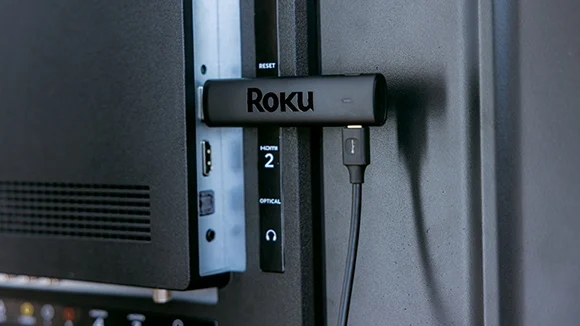
Roku, Inc. finds itself in a strategically advantageous position amid a tightening global supply of Random Access Memory (RAM), a critical component for nearly all modern electronic devices. Despite the broader tech industry grappling with escalating production costs and subsequent price hikes, Roku executives assert that the prevailing RAM shortage is largely beneficial for the company. This counter-intuitive advantage stems from Roku’s superior bill of materials (BOM) cost structure, which allows it to maintain a significant cost gap over competitors. This dynamic is unfolding concurrently with Roku’s navigation of strategic price adjustments for some of its devices and its impending acquisition by media giant Fox Corporation, a deal valued at $22 billion.
The Global RAM Shortage: A Headwind for Many, a Tailwind for Roku
The technology sector has been experiencing a pronounced global shortage of semiconductor components, with RAM being particularly affected. This scarcity is a confluence of several factors, including surging demand from burgeoning artificial intelligence (AI) applications, data centers, 5G infrastructure rollout, and the sustained growth in consumer electronics like smartphones, PCs, and gaming consoles. Geopolitical tensions, disruptions in global supply chains exacerbated by the COVID-19 pandemic, and the inherent complexities and capital-intensive nature of semiconductor manufacturing have further constrained supply. Major memory manufacturers have struggled to keep pace, leading to upward pressure on prices for both Dynamic RAM (DRAM) and NAND flash memory. Industry analysts have reported significant quarter-over-quarter price increases for various memory types, impacting profit margins across the hardware sector.
For many tech companies, this translates directly into higher manufacturing costs, which are often passed on to consumers. For instance, companies like Framework, known for its modular laptops, have publicly acknowledged the memory crunch as a driver for increased product pricing. In the streaming hardware segment, a direct competitor, Apple, recently adjusted the prices of its Apple TV boxes. The 64GB version saw a substantial increase from $129 to $199, while the 128GB model jumped from $149 to $249. These adjustments reflect the broader inflationary pressures on component costs, particularly RAM.
However, Roku’s Chief Executive, [Name of CEO, if Wood is CEO, use that, otherwise use Wood’s title], articulated a different perspective during a recent earnings call. "Although there are issues around memory that we have to manage, [the RAM shortage] is generally great for our business because of our bill of materials cost advantage, which allows us to just have a lower cost than… all the competing products. That gap is just widening right now by a pretty wide margin," Wood stated, according to a transcript of the call. This assertion highlights Roku’s strategic differentiation in an otherwise challenging market.
Roku’s Strategic Edge: Bill of Materials Cost Advantage
Roku’s ability to thrive amidst a RAM shortage is rooted in its meticulously optimized bill of materials (BOM) and its efficient operational structure. The company has historically focused on delivering cost-effective streaming solutions, a strategy that has compelled it to develop highly efficient hardware and software architectures.
Firstly, Roku’s proprietary operating system, Roku OS, is renowned for its lightweight design and optimized performance. Unlike more resource-intensive operating systems, Roku OS is engineered to run smoothly on less powerful, and consequently less expensive, hardware components, including lower-capacity and lower-spec RAM modules. This optimization reduces the total memory requirement per device, directly impacting the BOM cost. By needing less RAM per unit, Roku is less exposed to the sharp price increases affecting higher-density or higher-performance memory modules that competitors might require.
Secondly, Roku benefits from significant economies of scale. As a leading platform for smart TVs and streaming devices, its massive production volumes allow for advantageous pricing negotiations with semiconductor suppliers. Long-standing relationships with key component manufacturers, cultivated over years of high-volume orders, likely provide Roku with more stable pricing and preferential allocation during times of scarcity compared to smaller players. This institutional purchasing power can buffer the impact of market volatility.
Thirdly, Roku’s business model extends beyond just selling hardware. A substantial portion of its revenue is derived from platform services, including advertising, content distribution, and subscription revenue shares. This diversified revenue stream means the company is not solely reliant on hardware margins, giving it greater flexibility in pricing its devices. The hardware often serves as an entry point into the lucrative Roku ecosystem, allowing the company to strategically absorb some component cost increases or maintain lower device prices to expand its user base. This contrasts with companies whose primary revenue stream is hardware sales, forcing them to be more aggressive with price adjustments in response to BOM fluctuations.
Finally, Roku’s design philosophy emphasizes functional efficiency over raw power. While competitors like Apple often target the premium segment with devices featuring high-end processors, ample storage, and advanced graphics capabilities that demand more expensive RAM, Roku focuses on delivering a seamless and accessible streaming experience. This allows them to select components that meet performance requirements without unnecessary cost overheads. This lean hardware approach, coupled with software optimization, is the bedrock of their BOM cost advantage.
Competitor Responses and Roku’s Evolving Pricing Strategy
The stark contrast in how companies are responding to the RAM shortage highlights Roku’s unique market position. While Apple’s recent price adjustments for Apple TV signify a direct pass-through of increased component costs to consumers, Roku aims to maintain its reputation for affordability. Apple has long cultivated a brand image centered on premium hardware and a high-end user experience, making consumers generally more accepting of higher price points for its devices.
Roku, on the other hand, has built its brand identity on accessibility and value. Its devices have traditionally been viewed as budget-friendly options, democratizing access to streaming content for millions. This brand perception presents a delicate challenge when considering price adjustments. While the RAM shortage might technically allow Roku to raise prices less aggressively than competitors and still maintain a wider cost gap, any significant increase could risk alienating its core customer base who prioritize affordability.
The executive further noted that the low costs associated with running Roku OS have been instrumental in winning over TV original equipment manufacturers (OEMs) and retailers. By providing a cost-effective, easy-to-integrate smart TV platform, Roku has expanded its footprint significantly, embedding its OS directly into televisions from various brands. This strategy not only increases Roku’s user base but also strengthens its bargaining power with component suppliers due to increased volume commitments.
Despite the stated cost advantage, reports indicate that Roku has also implemented some price adjustments. A Roku representative, however, emphasized the company’s commitment to competitive pricing, telling The Desk, "We are doing our best to have great deals like what we have going on right now." This statement suggests a nuanced approach: while some specific models or older inventory might see price adjustments reflecting market realities, the company is actively working to mitigate the perception of across-the-board hikes and continues to offer promotional deals to maintain its value proposition. It implies a strategic balancing act between managing component cost pressures and preserving its brand image as an affordable streaming solution. This could manifest as selective price increases on certain SKUs, while simultaneously leveraging promotional campaigns and maintaining competitive pricing on its most popular entry-level devices to attract new users.
The Fox Acquisition: A New Era for Roku
Adding another layer of complexity and opportunity to Roku’s evolving trajectory is its impending acquisition by Fox Corporation. Just weeks prior to the public discussions around Roku’s pricing strategy and the RAM shortage, Fox announced its intent to acquire Roku for an enterprise value of $22 billion. This monumental deal, which remains subject to regulatory and shareholder approval and is anticipated to close in 2027, marks a significant consolidation in the rapidly evolving streaming and media landscape.
Timeline and Strategic Rationale:
- June 2026: Fox Corporation announces its intention to acquire Roku for $22 billion. The news surfaces weeks before Roku’s executives discuss their advantageous position regarding the RAM shortage and ongoing pricing strategies.
- Post-Announcement (2026-2027): Roku continues its operations as an independent entity, navigating market dynamics like the RAM shortage while the acquisition undergoes regulatory scrutiny and shareholder approval processes.
- Expected Closing (2027): The deal is projected to finalize, integrating Roku’s platform into Fox’s broader media empire.
Fox’s rationale behind this substantial investment is multi-faceted. Firstly, it provides Fox with direct ownership of a dominant smart TV operating system and streaming hardware platform. In an era where traditional linear television viewership is declining, controlling a direct-to-consumer gateway like Roku offers invaluable access to millions of households. This allows Fox to better distribute its vast content library, including news, sports, and entertainment, directly to viewers without reliance on third-party platforms.
Secondly, and perhaps most crucially for Fox, the acquisition represents a significant play in the burgeoning connected TV (CTV) advertising market. Roku’s platform boasts extensive user data, including viewing habits, content preferences, and demographic information. This data is gold for advertisers, enabling highly targeted and personalized ad campaigns. By integrating Roku’s advertising technology and inventory, Fox can significantly expand its digital advertising footprint, offering a more comprehensive and data-rich advertising solution to brands. This move positions Fox to compete more effectively with other media giants and tech companies like Google, Amazon, and Comcast, which are also heavily invested in the CTV advertising space.
Thirdly, the acquisition could foster deeper content integration and innovation. Fox could leverage Roku’s platform to develop exclusive content offerings, interactive experiences, and advanced advertising formats that are native to the Roku OS. This vertical integration could create a more cohesive and engaging user experience, potentially attracting more subscribers and viewers to Fox’s streaming services.
Broader Market Implications and Future Outlook
The convergence of these events—a global RAM shortage, Roku’s unique cost advantage, its nuanced pricing adjustments, and the impending acquisition by Fox—has profound implications for the streaming hardware market, the broader media industry, and consumer choices.
For the streaming hardware landscape, Roku’s ability to maintain competitive pricing, even as rivals raise theirs, could strengthen its market share. Its value proposition becomes even more compelling when high-quality streaming devices become more expensive elsewhere. This could accelerate the adoption of Roku-powered smart TVs and streaming sticks, solidifying its position as a dominant player.
The Fox acquisition is a game-changer for Roku’s long-term strategy. While Roku has historically maintained platform neutrality, the integration into Fox could lead to increased prominence for Fox-owned content and advertising within the Roku ecosystem. This might alter Roku’s relationship with other content providers and advertisers, though regulatory bodies will likely scrutinize such implications. The combined entity would possess formidable capabilities in content creation, distribution, and monetization, challenging established players and potentially spurring further consolidation in the media sector.
For consumers, the outcome is mixed. On one hand, Roku’s continued commitment to affordability, bolstered by its BOM advantage, suggests that access to streaming technology might remain relatively inexpensive, even during inflationary periods. On the other hand, the Fox acquisition could lead to a more curated content experience on Roku devices, potentially favoring Fox’s own offerings. The long-term impact on platform openness and content diversity remains to be seen.
Ultimately, Roku is navigating a complex and dynamic environment. Its inherent cost efficiencies provide a crucial buffer against global supply chain volatility, allowing it to execute a strategic pricing approach that balances market realities with brand perception. Concurrently, the Fox acquisition promises to usher in a new era of growth and strategic alignment, positioning Roku not just as a hardware and OS provider, but as a central pillar in a major media conglomerate’s future digital strategy. The coming years, leading up to the anticipated close of the Fox deal, will be critical in observing how these multifaceted developments shape Roku’s trajectory and the broader streaming ecosystem.