
Published July 14, 2026 08:05 AM
The allure of backpacking with a loved one often conjures images of shared adventures, breathtaking vistas, and the quiet intimacy of a campsite nestled beside an alpine lake. While the emotional rewards of these excursions are undeniable, the practicalities of gear management can present a unique set of challenges and opportunities. Among these, the concept of a double sleeping system—a single sleeping bag and pad designed for two—has emerged as a topic of considerable interest for couples who embrace the backcountry. This article delves into the feasibility, advantages, and disadvantages of these integrated sleep solutions, drawing on recent field tests and expert analysis to provide a comprehensive overview for outdoor enthusiasts.
The Evolution of Couple-Centric Backpacking Gear
For years, the standard approach for backpacking couples involved individual sleeping bags and pads. This offered maximum flexibility in terms of weight distribution and personal comfort. However, as the market for outdoor gear has matured, so too has the demand for products that cater to shared experiences. Double sleeping bags and pads, while not entirely new, have seen a resurgence in design and marketing, positioning themselves as a potential solution for enhancing intimacy and simplifying camp setup for two.
The initial premise behind these systems is straightforward: by consolidating two individual sleep components into one, manufacturers aim to reduce overall weight and bulk, and perhaps foster a greater sense of connection during overnight stays. This concept is not without its detractors, however, who point to potential compromises in individual comfort, temperature regulation, and the inherent challenges of sharing such a confined space.
Field Testing: A Deep Dive into Double Sleep Systems
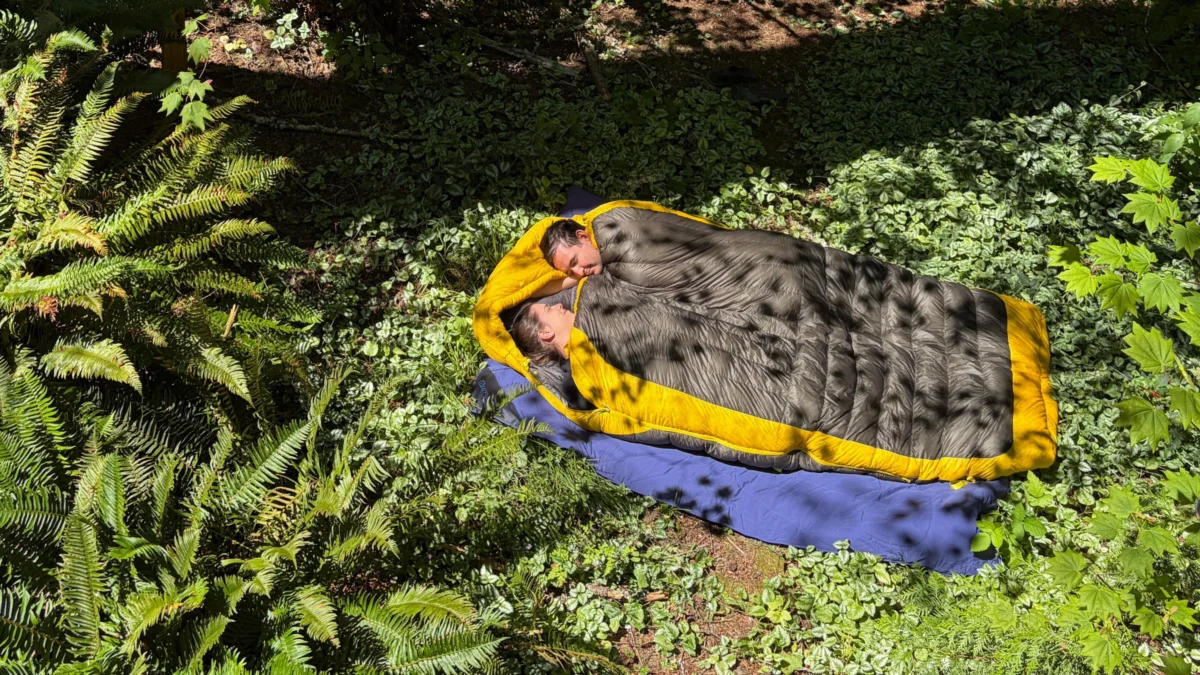
To assess the real-world efficacy of double sleep systems, a recent expedition put the Sea to Summit Spark Down Double sleeping bag and the Exped Ultra 1R Duo inflatable sleeping pad to the test. The expedition involved two long weekend trips, culminating in a 30-mile excursion where nighttime temperatures hovered in the mid-50s Fahrenheit. This provided a robust testing ground for the system’s performance across various conditions and scenarios.
The Sea to Summit Spark Down Double, weighing in at 3 pounds 6 ounces, is positioned as a lightweight option within the double sleeping bag category. It boasts 850+ fillpower down, a high warmth-to-weight ratio, and compresses to a manageable size, comparable to a standard bear canister. Its design features two zippers, allowing for individual entry and exit, a crucial element for late-night bathroom breaks or simply adjusting personal space. The bag is rated for a maximum user height of 6 feet 6 inches, accommodating a wider range of individuals compared to some competitors.
Complementing the sleeping bag was the Exped Ultra 1R Duo inflatable sleeping pad. This medium-sized pad weighs 1 pound 10 ounces, a figure slightly less than two comparable single pads. Its tapered design, common in ultralight inflatable pads, aims to minimize weight and packed volume. The decision to test a double pad was driven by the desire for a seamless sleeping surface, avoiding the common issue of gaps between individual pads that can disrupt comfort.
Performance Analysis: The Nuances of Shared Sleep
The initial impressions of the double sleeping bag were largely positive, particularly regarding the perceived roominess. The dual zippers proved exceptionally practical, and the ability to comfortably read or engage in activities together before sleep without the fear of falling into a chasm between pads was a significant advantage. For the reviewer, who often struggles with comfort in traditional mummy bags, the Spark Double offered a surprisingly liberating experience, allowing for greater freedom of movement and a sensation akin to sleeping in a familiar bed at home.
However, the experience for the partner, Connor, presented a contrasting perspective. While acknowledging the initial coziness and the appeal of pre-sleep intimacy, the reality of sharing such a confined space with a restless sleeper proved challenging. The reviewer’s tendency to move during sleep, while comfortable for them, led to disruptions for Connor, who would have likely preferred the autonomy of a separate sleeping bag. This highlights a critical factor: the suitability of double sleep systems is heavily dependent on the sleeping habits and preferences of both individuals. For calm sleepers who prioritize close physical contact, a double bag might indeed enhance the experience. For those with more dynamic sleep patterns, the potential for disruption is significant.
Temperature Regulation: A Surprising Revelation
A common assumption is that a double sleeping bag would inherently be warmer than two single bags due to the combined body heat of two individuals. However, the testing revealed a more complex reality. In conditions around the mid-50s Fahrenheit, the reviewer found themselves colder in the Spark Double than they typically would be in their individual Spark 15°F single bag. The hypothesis is that the increased internal volume of the double bag, when not fully occupied by body heat, allows for greater air circulation and heat loss. While snuggling close to Connor provided ample warmth, rolling away created a larger space for cold air to infiltrate. The presence of a snap in the draft collar was noted as a potential solution to mitigate this issue, though its use would likely introduce a degree of restrictiveness. This suggests that achieving optimal warmth in a double bag may require conscious effort to maintain close proximity or adjustments to the bag’s design features.
Weight and Packability: A Question of Efficiency
The promise of weight savings is a significant driver for considering double sleep systems. While some double bags are indeed designed for backpacking, the reality of weight efficiency is not always straightforward. Many double bags are geared towards car camping and can be considerably heavier than their single counterparts.
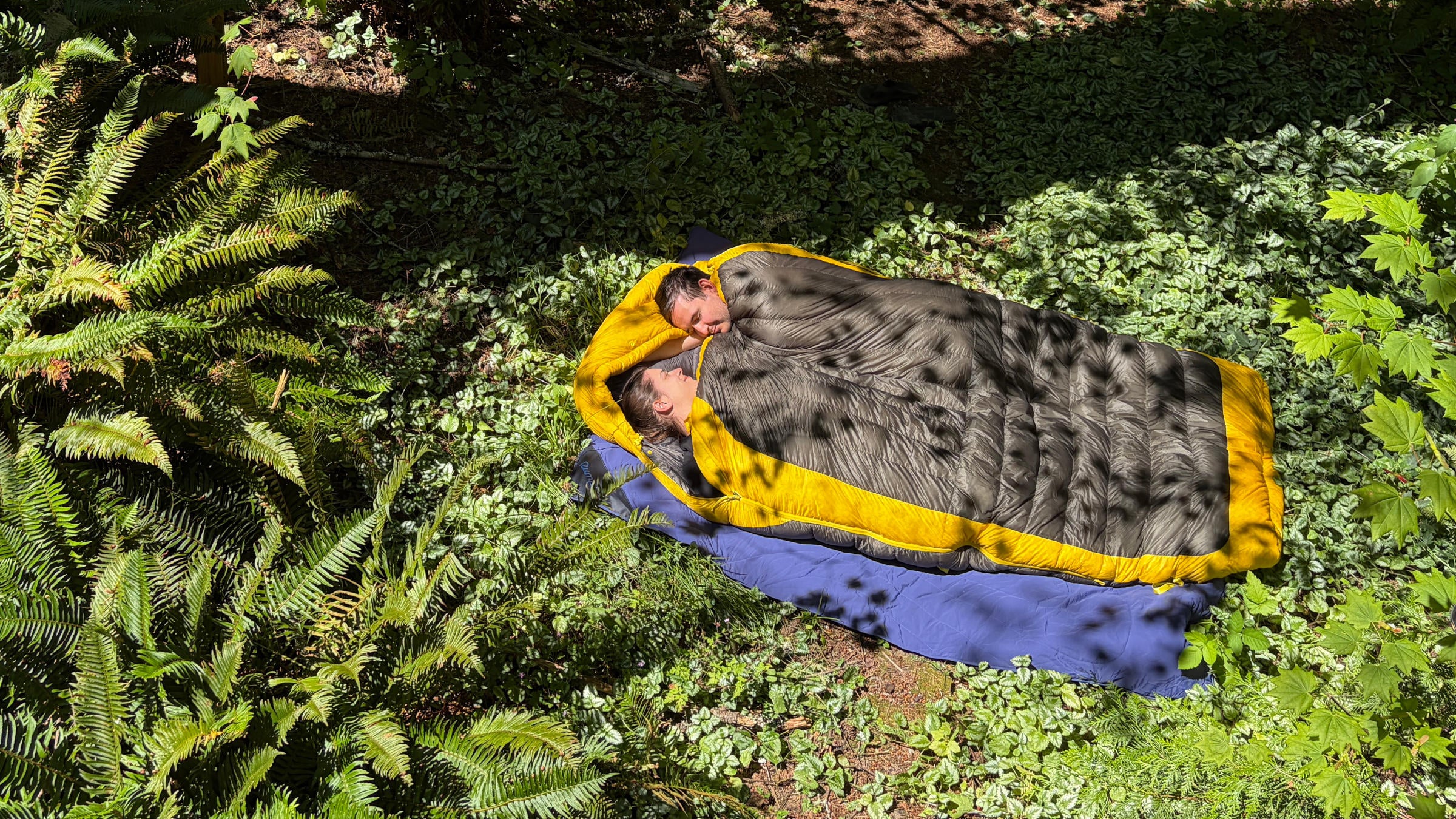
The Sea to Summit Spark Down Double, at 3 lbs 6 oz, is lighter than some budget or cold-weather single bags. However, it is still a few ounces heavier than two individual Spark single bags from the same product line. This marginal weight difference, when factored into the overall pack weight for a backpacking trip, may not represent a substantial gain.
Comparatively, the Big Agnes King Solomon 20° Doublewide weighs 3 lbs 15 oz, whereas a comparable single Big Agnes bag weighs 2 lbs 5 oz. This difference is more pronounced, potentially negating the weight-saving argument for some backpackers.
The Exped Ultra 1R Duo pad, however, presented a more compelling case for weight efficiency. Its combined weight was slightly less than two individual pads of the same design, and its packability was comparable to a one-liter Nalgene bottle. This suggests that for sleeping pads, double systems may offer a more tangible benefit in terms of weight and bulk reduction.
Cost Considerations: A Luxury or a Necessity?
The financial investment in a double sleep system is another crucial factor. The Sea to Summit Spark Double is priced at $999, which is slightly less than purchasing two individual Spark 15°F single bags at $549 each. However, the substantial upfront cost makes it a significant purchase. The justification for this expense hinges on the frequency of use. For couples who embark on numerous backpacking trips together and prioritize the shared sleeping experience, the cost might be deemed worthwhile, especially given the system’s lighter weight and packability. However, for those who only occasionally backpack with their partner, the versatility of individual bags may offer a more practical and cost-effective solution.
In contrast, the Big Agnes King Solomon is priced at $500, representing a more accessible entry point into the double sleeping bag market, and a considerable saving compared to purchasing two of their ultralight single bags. While not tested for this report, its more budget-friendly price point could make it an attractive option for couples looking to experiment with shared sleeping arrangements.
The Double Pad Advantage: A Compromise Worth Considering
The experience with the Exped Ultra 1R Duo inflatable pad was unequivocally positive. The reviewer found no downsides, highlighting its ability to provide a unified sleeping surface that eliminated the common discomfort of gaps between individual pads. This offers a significant benefit for couples seeking to maximize their proximity and comfort without the commitment to a full double sleeping bag system. For those not ready to invest in a double sleeping bag, a double pad presents an excellent intermediate solution. It allows couples to bring their individual sleeping bags closer together, fostering a sense of togetherness while retaining the flexibility and personal space afforded by separate bags.
Broader Implications for the Backpacking Community
The emergence and testing of double sleep systems have several broader implications for the backpacking community. Firstly, it reflects a growing trend towards catering to specific user demographics, in this case, couples. As the outdoor industry continues to innovate, we can anticipate further development in gear designed for shared adventures.
Secondly, it raises questions about the definition of "efficiency" in backpacking. While weight savings are often paramount, the concept of "efficiency" can also encompass factors like ease of setup, comfort, and the overall enjoyment of the experience. For some couples, the perceived sacrifices in individual comfort or temperature regulation might be outweighed by the enhanced intimacy and simplified camp routine offered by a double system.
Finally, the discussion around double sleep systems underscores the importance of individual preferences and diverse sleeping habits within relationships. What works perfectly for one couple might be a source of frustration for another. This reinforces the need for thorough research, careful consideration of personal needs, and, where possible, hands-on testing before making significant gear investments.
Conclusion: A Niche but Potentially Rewarding Option
In conclusion, the double sleep system—comprising a double sleeping bag and pad—presents a compelling, albeit niche, option for couples who enjoy backpacking together. The Sea to Summit Spark Down Double and Exped Ultra 1R Duo demonstrated potential benefits in terms of shared intimacy and a simplified sleeping surface. The reviewer ultimately found that the system, with some adjustments and a period of adaptation, could enhance the backpacking experience, particularly for those who value close physical connection and appreciate the added space for other camp companions, such as a dog.
However, the potential for temperature regulation issues and disruptions caused by restless sleeping habits cannot be ignored. The cost factor also remains a significant consideration, making it more of a luxury item than a universally essential piece of gear for maximizing efficiency.
For couples who are seasoned backpackers and prioritize shared experiences, the double sleep system offers a unique way to enhance their adventures. It fosters a sense of togetherness and can simplify camp logistics. Yet, for those who prioritize individual comfort, independent temperature control, or who have vastly different sleeping styles, traditional individual sleeping systems may remain the more practical and enjoyable choice. The double sleeping pad, on the other hand, emerges as a more universally beneficial compromise, offering a tangible improvement in shared comfort without the full commitment of a double sleeping bag. As the market continues to evolve, it will be interesting to see how manufacturers refine these systems to address the diverse needs and preferences of the modern backpacking couple.


