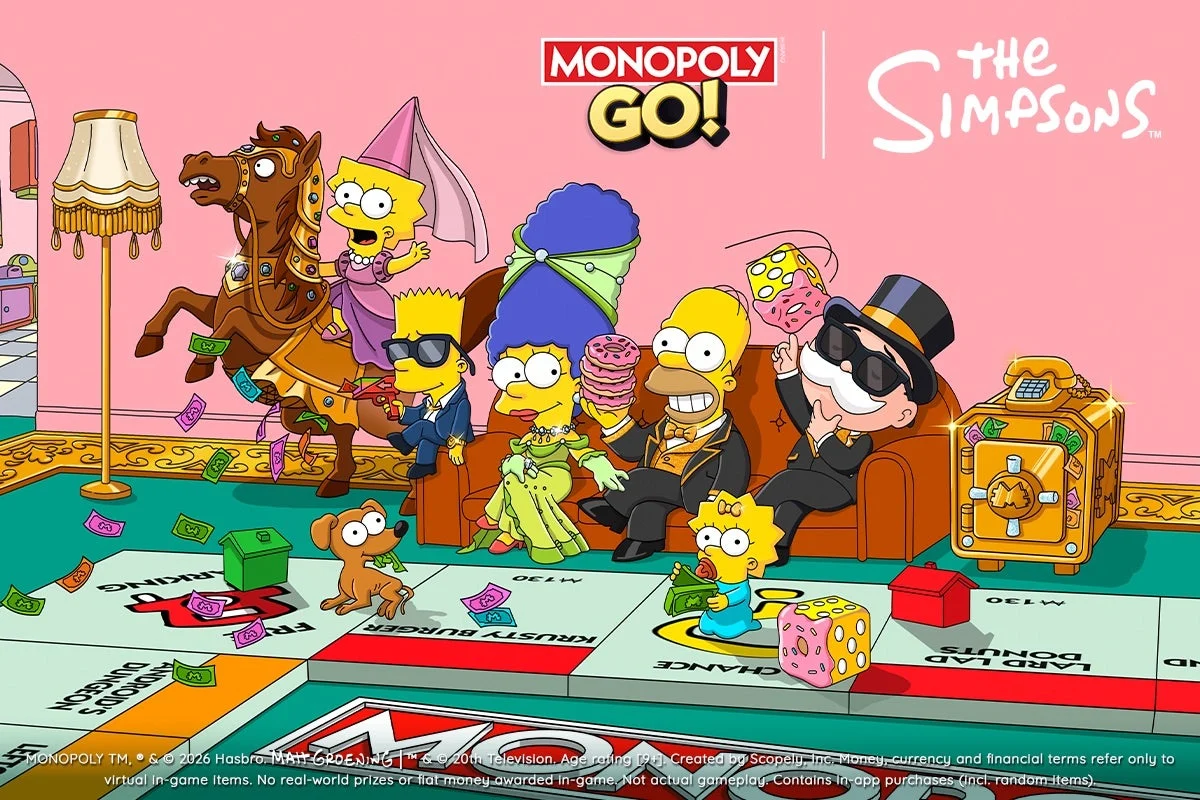
After months of intense speculation and a series of exhaustive leaks that built significant player anticipation, the official launch of the groundbreaking The Simpsons crossover event in Scopely’s immensely popular mobile game, Monopoly Go, has finally arrived. This major collaboration, which integrates the iconic world of Springfield with the strategic board-game mechanics of Monopoly Go, commenced on June 3 and is scheduled to run until July 29, promising nearly two months of new content and unprecedented engagement for its global player base. The event marks a significant moment for both the mobile gaming industry and the enduring legacy of The Simpsons, which is making its first dedicated mobile-exclusive game appearance in 13 years.
The official announcement confirmed what many players had long suspected: a comprehensive integration that extends far beyond mere cosmetic changes. Players are now able to immerse themselves in a reimagined Monopoly Go board featuring numerous beloved locations from The Simpsons, interact with its iconic characters, and uncover a wealth of references and Easter Eggs meticulously crafted by the development team in collaboration with the show’s creative minds. This strategic partnership aims to leverage the vast cultural appeal of The Simpsons to further enhance Monopoly Go‘s already robust player engagement and solidify its position as a dominant force in the mobile gaming landscape.
A Deep Dive into the Springfield Integration
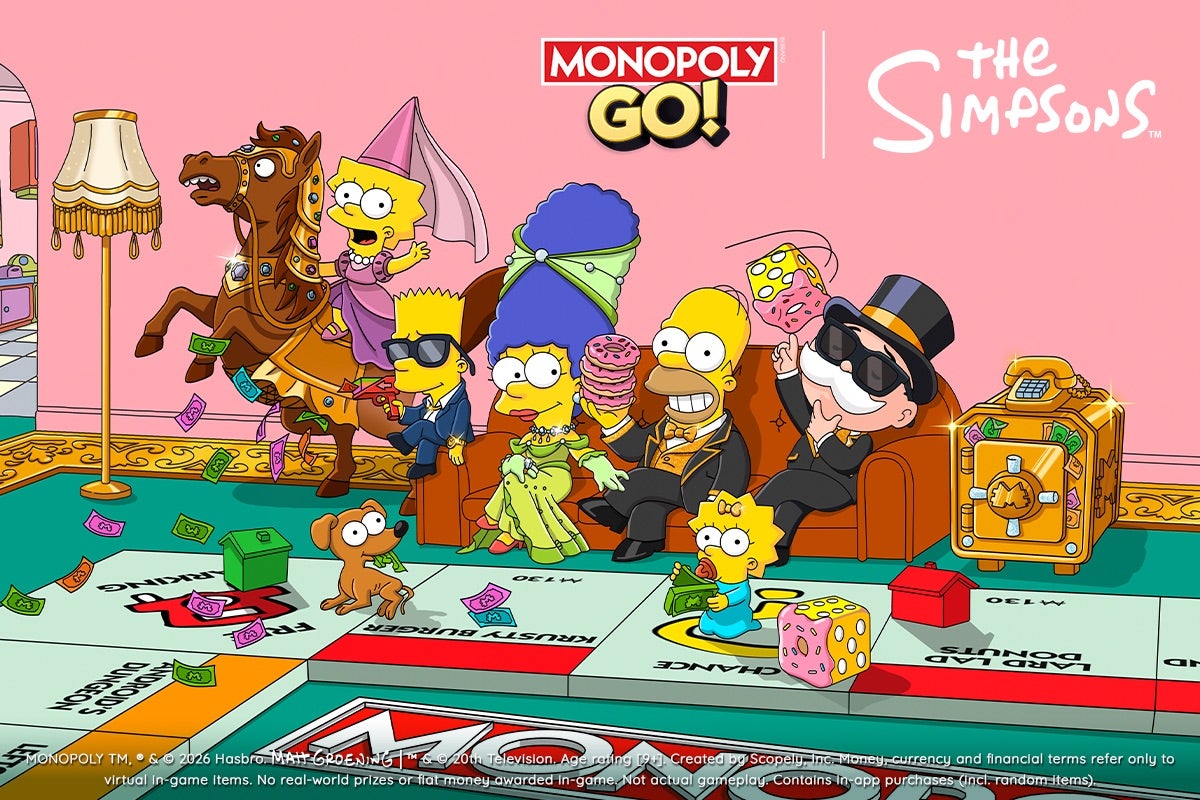
The core of the Monopoly Go experience revolves around rolling dice, moving around a board, acquiring properties, and building structures. The The Simpsons crossover event seamlessly weaves these mechanics into the fabric of Springfield. Players will encounter familiar faces such as Homer, Marge, Bart, Lisa, and the notoriously wealthy Mr. Burns as they navigate the themed game board. Iconic locations like Moe’s Tavern, the Kwik-E-Mart, the Springfield Nuclear Power Plant, and the Simpson family home are expected to replace standard Monopoly properties, offering visual delights and thematic resonance.
The integration extends to various gameplay elements. Chance cards, a staple of Monopoly, will feature The Simpsons-themed scenarios, adding humor and unpredictability characteristic of the show. Even the dreaded "Go to Jail" mechanic receives a Springfieldian twist, with players having the opportunity to "bribe Chief Wiggum to escape jail," a nod to the character’s well-known susceptibility to temptation. These nuanced details demonstrate a commitment to authenticity that goes beyond a simple reskin, aiming for a truly immersive experience that respects the source material.
Developer Scopely has promised a "deeply connected world with Simpsons narratives and characters that alter seasonal maps." This suggests that the event will not be static but may evolve over its nearly two-month duration, introducing new challenges, storylines, and character interactions. The promise of "unique sticker sets and animated sequences" further highlights the depth of this collaboration, offering collectible incentives and visual rewards that cater to both Monopoly Go enthusiasts and Simpsons fans.
The Power of Partnership: Scopely and The Simpsons Creative Team
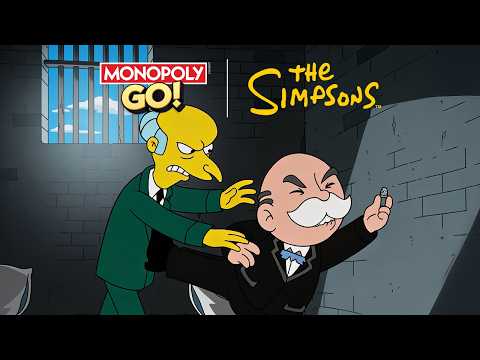
A particularly notable aspect of this collaboration is the direct involvement of The Simpsons’ creative team. This partnership has resulted in not only a meticulously detailed in-game world but also a brand-new animated short film. This short features an unlikely rivalry between Mr. Monopoly and Mr. Burns, showcasing the distinctive humor and animation style of The Simpsons while cleverly integrating elements of the Monopoly universe. Such bespoke content underscores the significance of this event, elevating it beyond a typical licensed tie-in to a genuine creative endeavor. The short serves as a compelling marketing tool, generating excitement and demonstrating the high production value invested in the crossover.
Statements from Scopely’s leadership, though not specific to direct quotes within the provided text, generally emphasize the company’s dedication to delivering engaging and innovative experiences. Industry analysts infer that such a high-profile collaboration with a globally recognized IP like The Simpsons is a strategic move to not only retain Monopoly Go‘s existing player base but also to attract new demographics, including long-time Simpsons fans who might not typically engage with mobile board games. The seamless integration and the production of original animated content are indicative of a significant investment by Scopely, signaling their belief in the event’s potential to drive substantial player acquisition and revenue.
The Phenomenal Success of Monopoly Go
To fully appreciate the scope of this crossover, it’s essential to understand the meteoric rise of Monopoly Go. Launched in April 2023, the game quickly became one of the fastest-growing mobile titles in history. Within its first year, Monopoly Go surpassed an astonishing $2 billion in lifetime revenue, a feat that few mobile games achieve in such a short timeframe. It has consistently ranked among the top-grossing apps on both the Apple App Store and Google Play Store, demonstrating its immense popularity and monetization prowess.
The game’s success can be attributed to its addictive blend of classic Monopoly gameplay with modern mobile mechanics, including social features, collectible sticker albums, and frequent live events. Its accessible yet strategic gameplay loop, combined with daily rewards and a constant stream of new content, has cultivated a highly engaged and loyal player base. By March 2024, Monopoly Go had amassed over 200 million downloads globally, establishing itself as a cultural phenomenon in the mobile gaming space. This massive audience provides a fertile ground for a major IP crossover, ensuring widespread exposure for The Simpsons and potentially introducing new players to the beloved animated series.
The Enduring Legacy of The Simpsons in Pop Culture and Gaming
The Simpsons, created by Matt Groening, debuted in 1987 as shorts on The Tracey Ullman Show before becoming a full-fledged series in 1989. It quickly cemented its place as a cultural touchstone, renowned for its satirical humor, memorable characters, and uncanny ability to comment on contemporary society. With over 760 episodes across 35 seasons, it holds the record for the longest-running American animated series, longest-running American sitcom, and longest-running American primetime scripted series. Its influence spans television, film, music, merchandise, and, significantly, video games.
Throughout its history, The Simpsons has been featured in numerous video game adaptations across various platforms, from arcade cabinets and early consoles to PC titles. Notable examples include The Simpsons: Hit & Run (2003), an open-world action-adventure game often lauded by fans, and The Simpsons: Tapped Out (2012), a city-building mobile game that allowed players to create their own version of Springfield. The original article highlights that the Monopoly Go event marks The Simpsons’ "first appearance in a mobile-exclusive game in 13 years." This detail is crucial, as Tapped Out was a significant mobile success, and the current collaboration signals a renewed focus on the mobile gaming market for the venerable IP. The long gap underscores the strategic importance of this Monopoly Go partnership, representing a calculated re-entry into a highly competitive and lucrative segment.
The continuous relevance of The Simpsons makes it an ideal partner for a game like Monopoly Go. Its multi-generational appeal ensures that the crossover resonates with both younger mobile gamers and older fans who grew up watching the show. The inherent humor and recognizable elements of Springfield provide rich material for creative integration, ensuring that the event feels authentic rather than a superficial overlay.
The Strategic Imperative of Crossover Events in Mobile Gaming
Crossover events have become a critical strategy in the highly competitive mobile gaming market. They offer a dual benefit: revitalizing engagement for existing players and attracting new ones by leveraging the appeal of external intellectual properties. For games like Monopoly Go, which rely on continuous content updates to maintain player interest, major crossovers provide a significant boost.
Industry analysts, observing trends in mobile gaming, consistently point to the effectiveness of such collaborations. A senior analyst at a leading market research firm, speaking on condition of anonymity due to client relations, posited, "High-profile IP crossovers like The Simpsons with Monopoly Go are more than just promotional stunts; they are sophisticated marketing and retention tools. They tap into nostalgia, offer novelty, and often lead to a measurable spike in downloads, daily active users, and crucially, in-app purchase revenue. For Monopoly Go, already a behemoth, this move ensures it stays top-of-mind and fends off competition by offering unique, premium content."
Furthermore, these events often create a synergistic effect where both brands benefit. Monopoly Go gains access to The Simpsons’ massive, loyal fanbase, potentially converting them into new players. Conversely, The Simpsons maintains its cultural relevance and reaches a younger, digitally native audience through one of the most popular mobile games currently available. This cross-pollination of audiences is invaluable in today’s fragmented media landscape.
Anticipation, Leaks, and Player Engagement
The original article notes the "long wait and exhaustive leaks" that preceded the official announcement. This phenomenon is common in the gaming industry and, while sometimes a source of frustration for developers, often serves to amplify player anticipation. The gradual drip-feed of leaked information, whether intentional or not, creates buzz and community discussion, effectively pre-marketing the event. For Monopoly Go, a game with a highly active online community, these leaks likely fueled speculation and excitement, leading to a surge of players ready to jump in on day one.
The availability of "Free Monopoly Go Dice Links," as mentioned in the original text, is also a critical component of Scopely’s player engagement strategy. These links provide in-game currency (dice rolls), encouraging players to log in daily and participate in events. Tying these incentives to the launch of a major crossover further incentivizes participation, ensuring a high level of initial engagement for The Simpsons event. This careful orchestration of content, incentives, and marketing (both official and organic through leaks) is a hallmark of successful live-service mobile gaming.
Broader Implications and Future Outlook
The Monopoly Go and The Simpsons crossover represents a significant benchmark for mobile gaming collaborations. It showcases the potential for deep, creative integration between established entertainment IPs and popular mobile titles, moving beyond simple character appearances to comprehensive thematic overhauls. The duration of the event, nearly two months, also suggests a commitment to sustained engagement rather than a fleeting promotional stunt, indicating that Scopely views this as a major seasonal cornerstone.
Looking ahead, the success of this event could pave the way for similar high-profile crossovers in Monopoly Go and other mobile games. It demonstrates that with sufficient investment in creative development and a genuine understanding of both the game’s mechanics and the IP’s essence, compelling and highly profitable partnerships are possible. For The Simpsons, it reaffirms its status as a timeless brand capable of adapting to new media landscapes and captivating new generations of fans. As the event unfolds over the coming weeks, its impact on Monopoly Go‘s performance metrics and its broader influence on the mobile gaming industry will be closely watched by developers, publishers, and players alike. The collaboration is not merely an event; it is a testament to the evolving dynamics of entertainment and interactive media.