The metallurgical landscape of the cutlery industry has undergone a radical transformation over the last decade, transitioning from a reliance on traditional carbon steels to the widespread adoption of highly engineered powder metallurgy alloys. For the average knife enthusiast, custom maker, or industrial manufacturer, predicting how a specific steel will perform in the field—specifically regarding edge retention, toughness, and corrosion resistance—has historically required either extensive hands-on experience or access to proprietary laboratory data. However, recent analytical frameworks developed by metallurgists suggest that a surprisingly accurate estimation of these properties can be derived by examining three primary factors: elemental composition, carbide volume, and the manufacturing process employed to create the steel.
By focusing on the concentrations of carbon, chromium, and vanadium, and distinguishing between conventional ingot casting and powder metallurgy (PM), stakeholders can demystify the performance of "super steels" and predict their behavior with a high degree of reliability. This empirical approach challenges the often-opaque marketing claims found in the knife industry, providing a factual basis for comparing competing alloys from major manufacturers such as Crucible Industries, Uddeholm, and Carpenter Technology.
The Correlation Between Carbon Content and Edge Retention
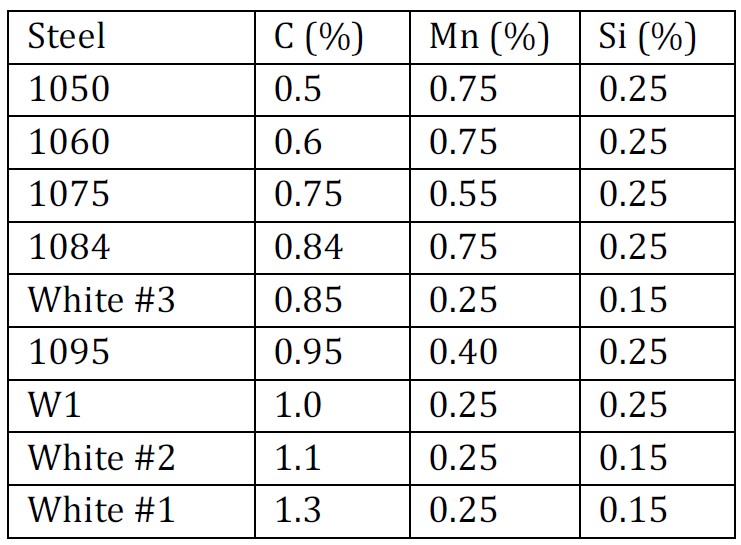
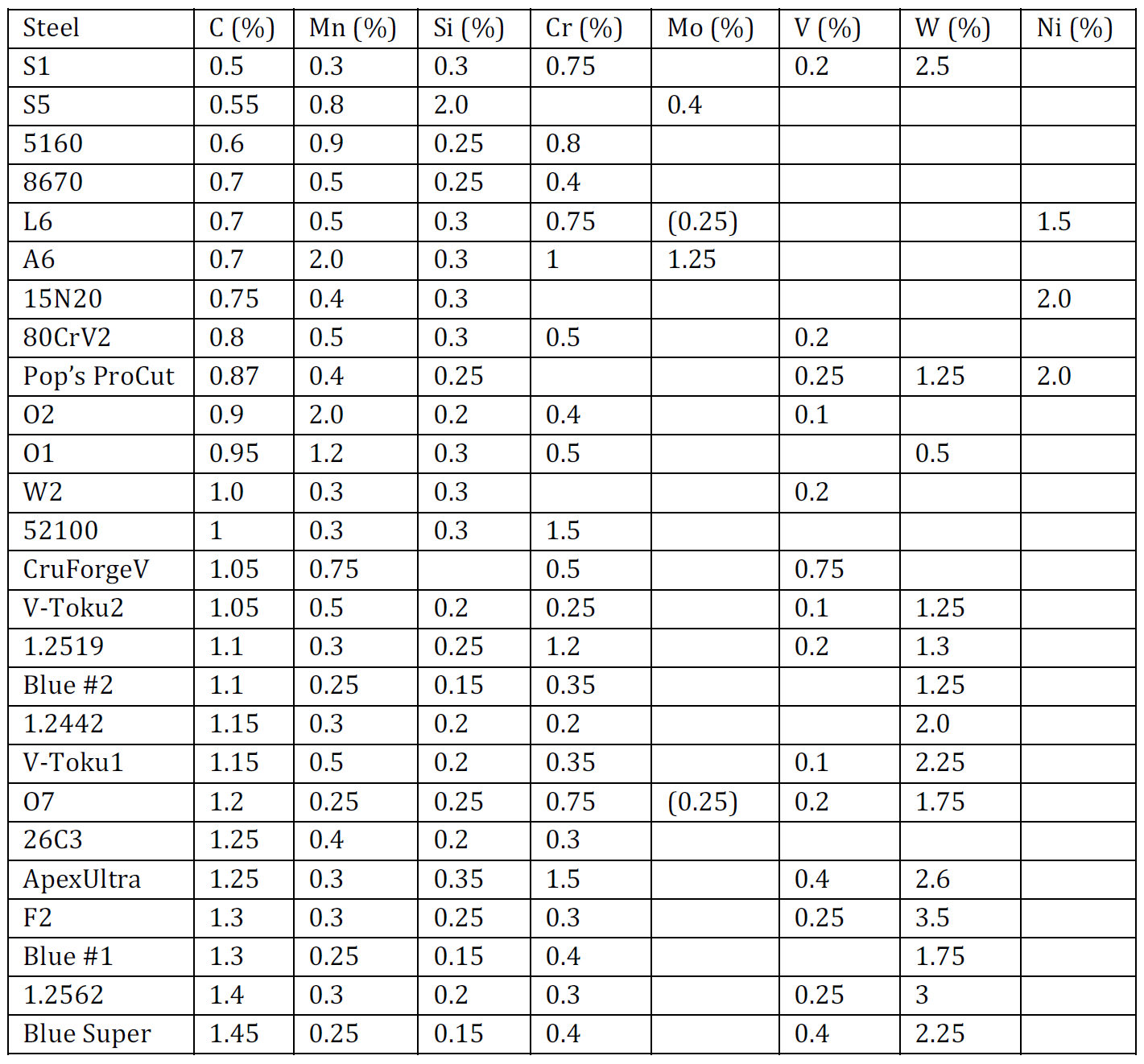
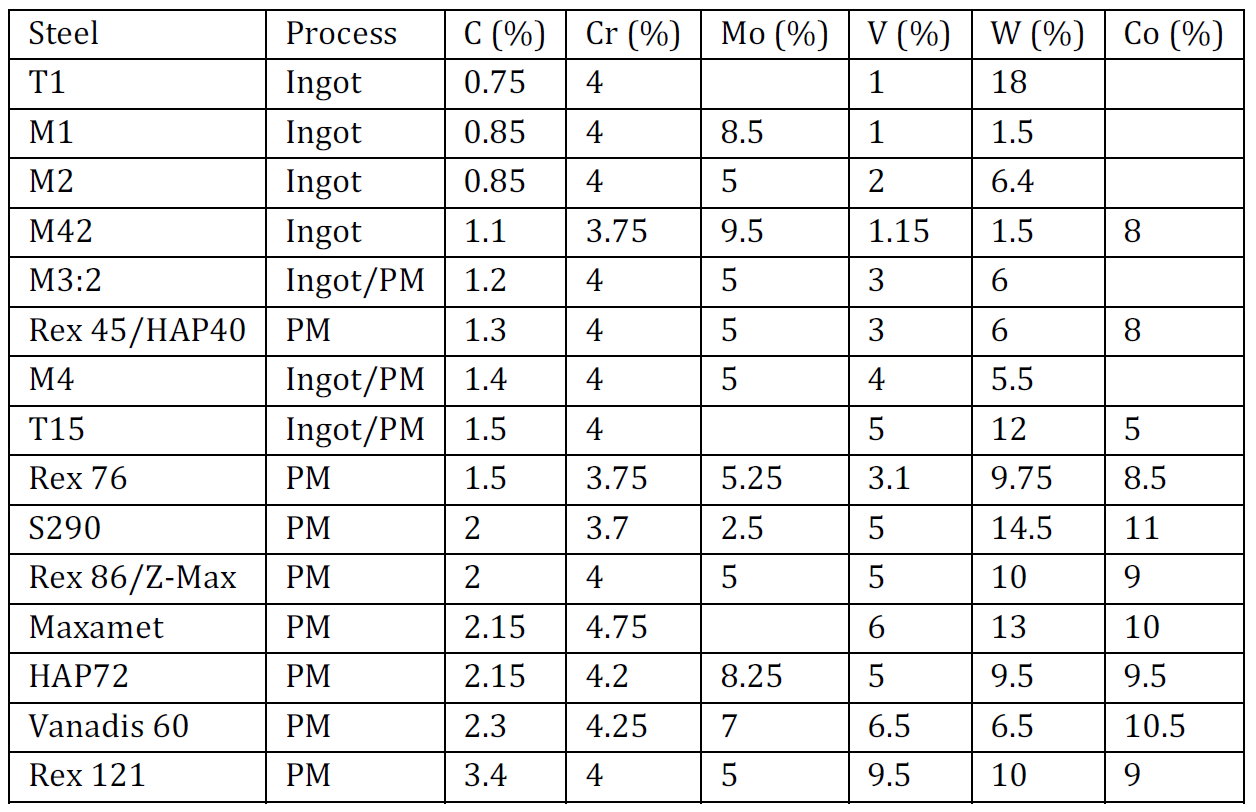
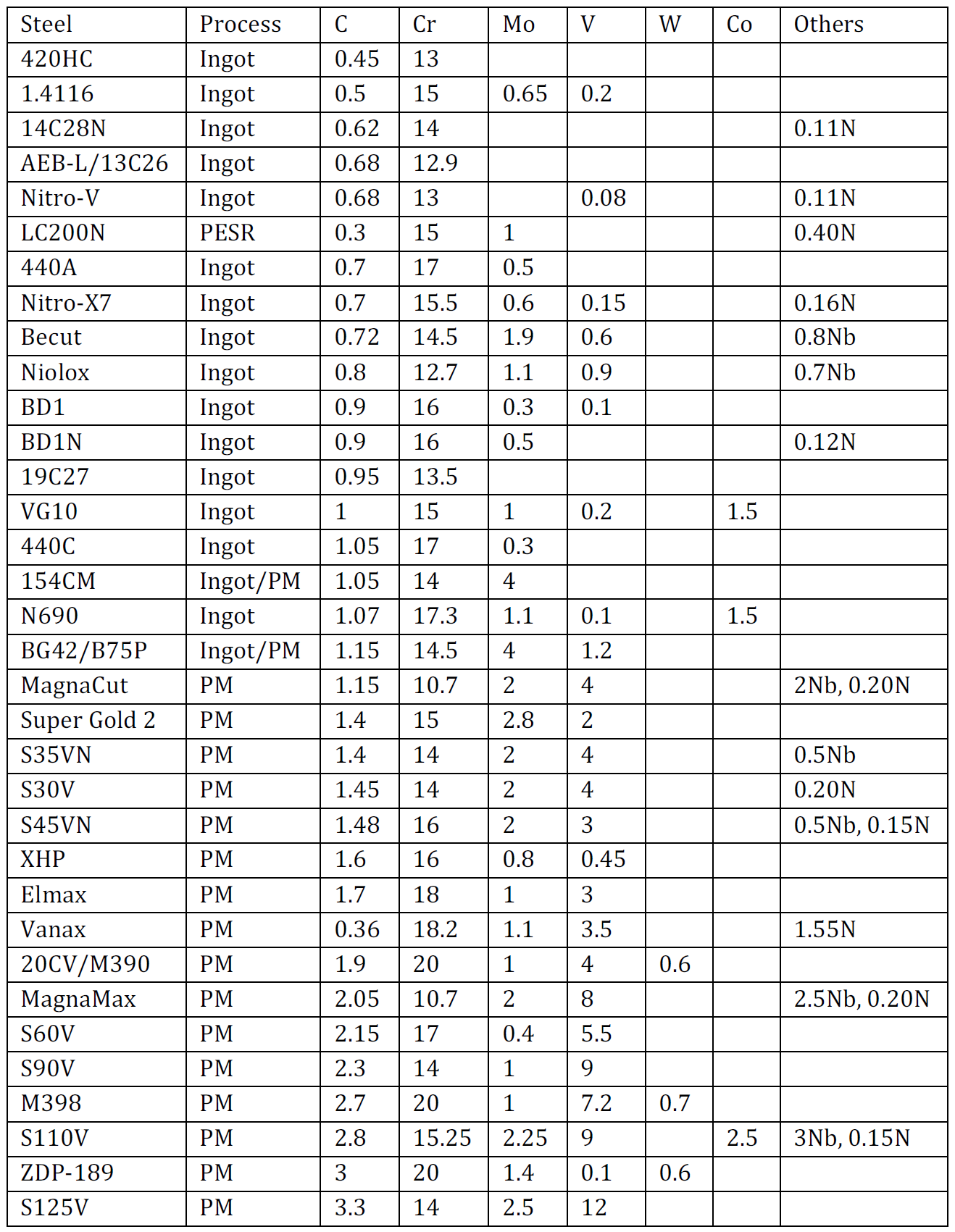
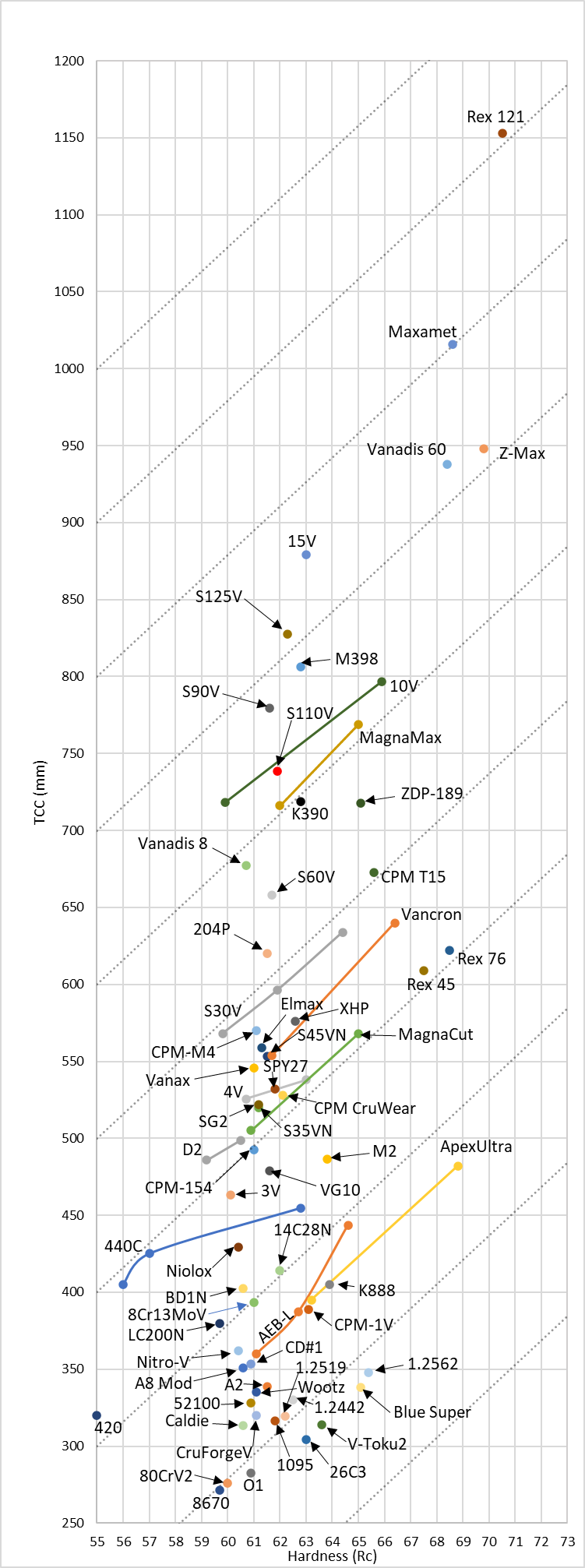
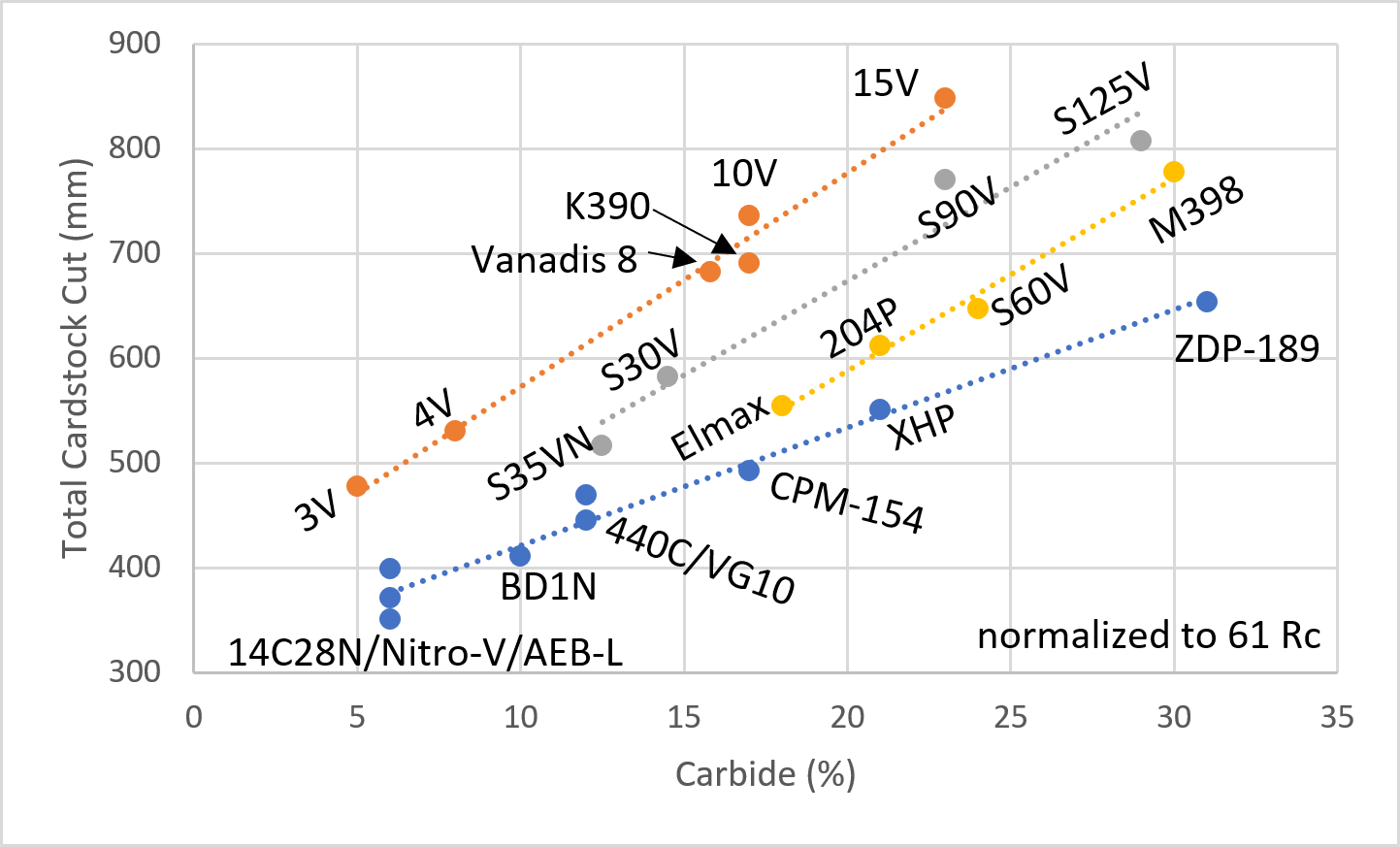
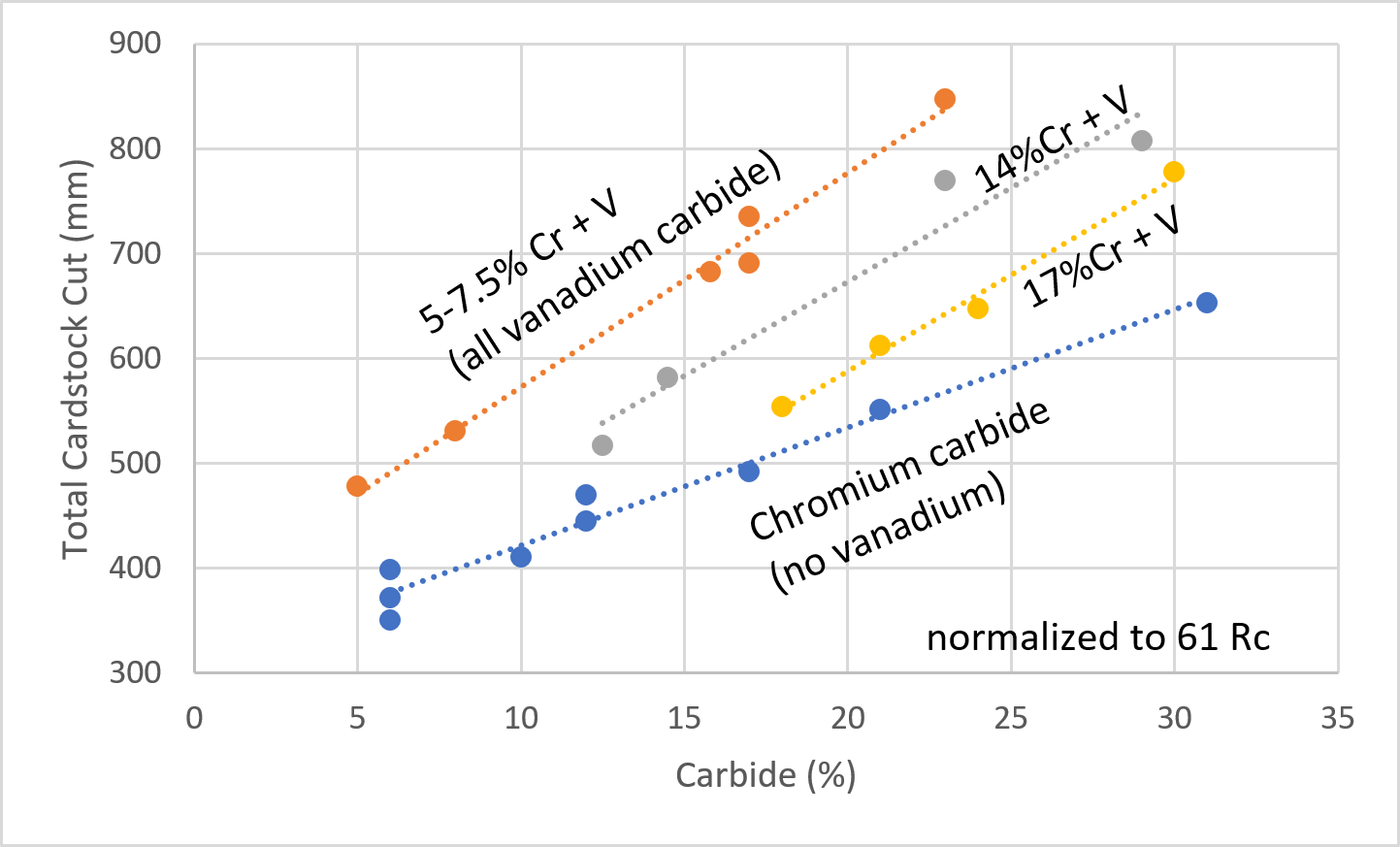
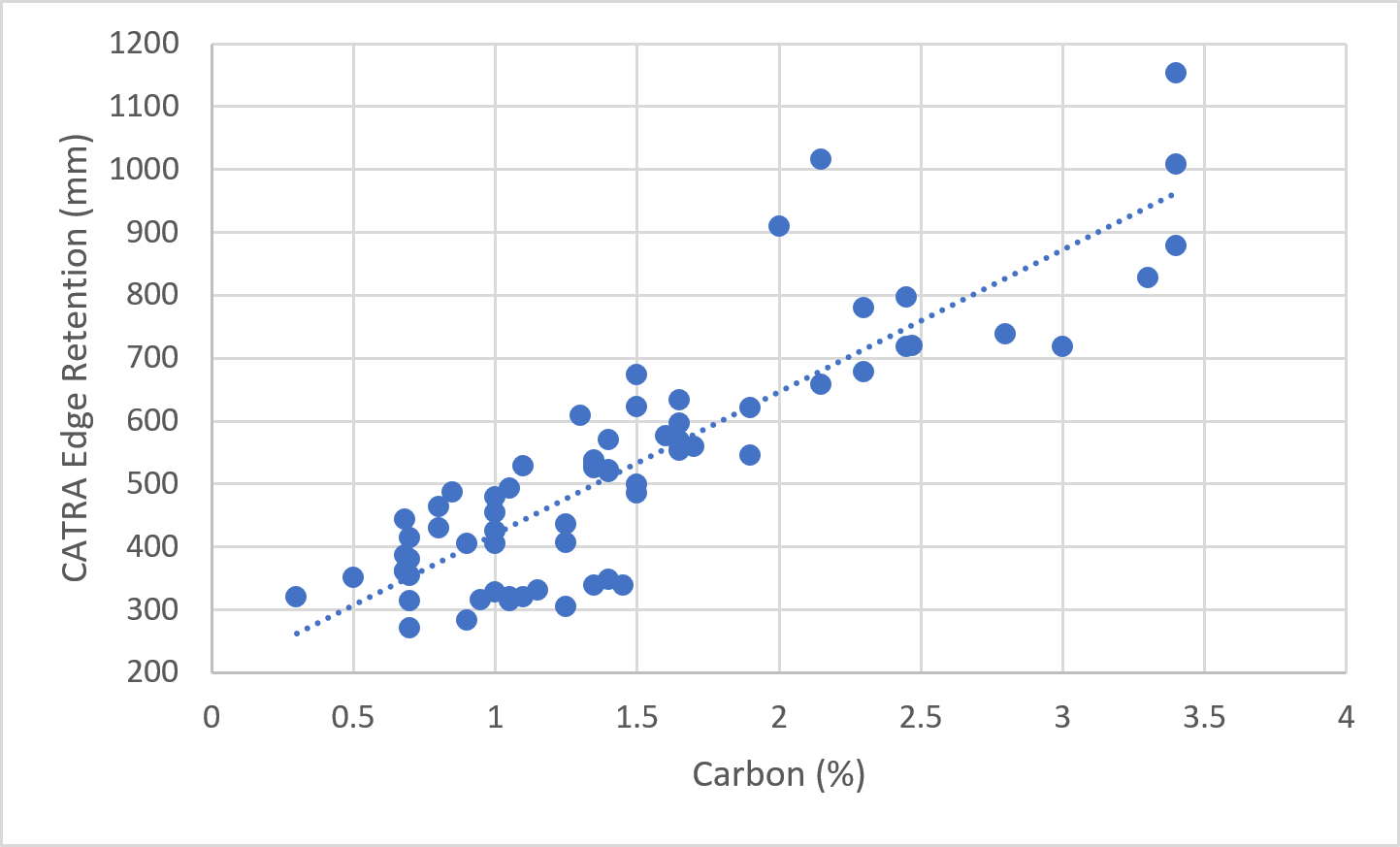
Edge retention is frequently cited by consumers as the most desirable trait in a premium knife steel. In metallurgical terms, this property is primarily driven by wear resistance, which is a function of the steel’s hardness and the volume and type of carbides present in its microstructure. Data derived from the Cutlery and Allied Trades Research Association (CATRA) testing—the industry standard for measuring edge longevity—reveals a direct correlation between carbon content and the total millimeters of cardstock a blade can cut before losing its edge.
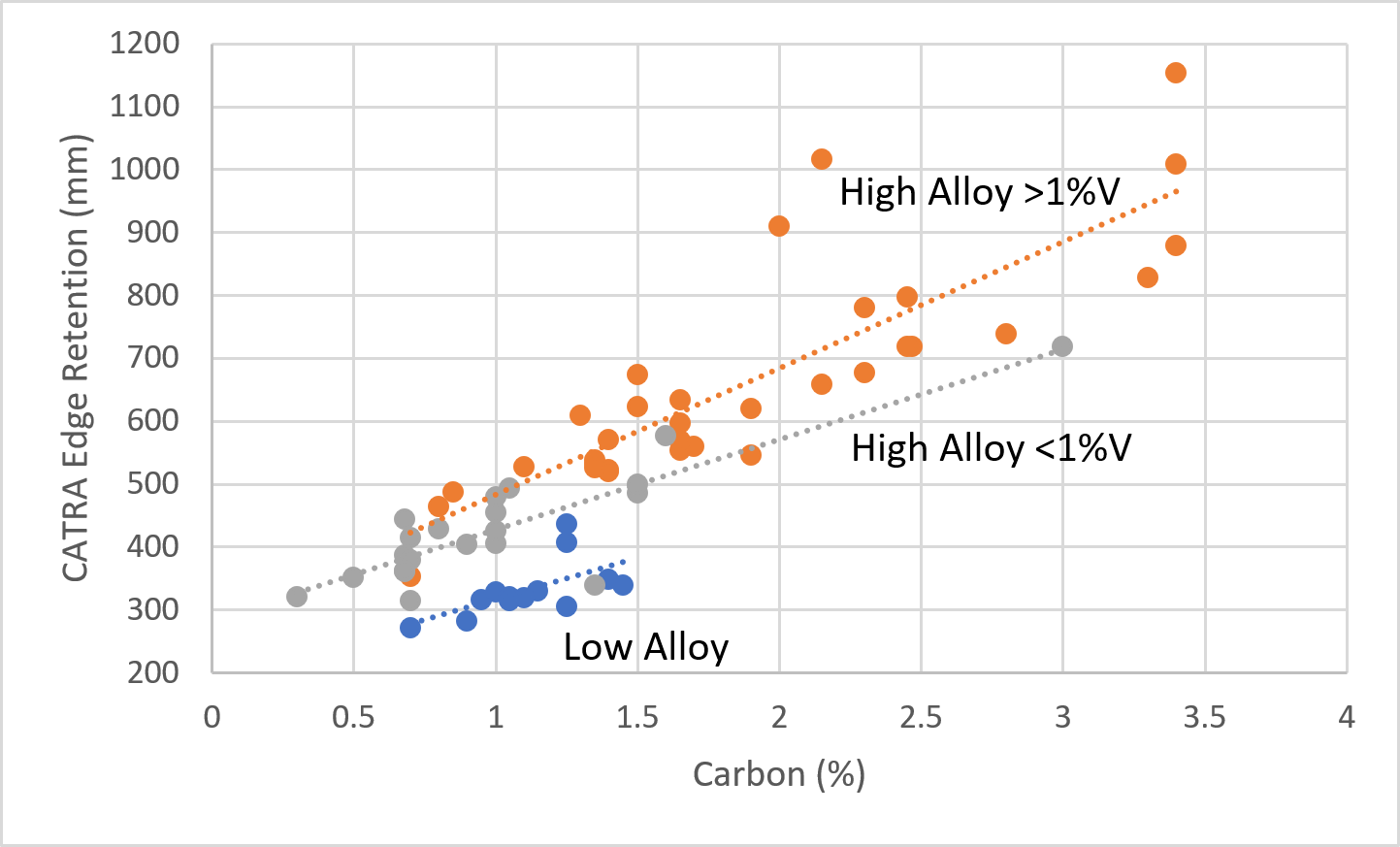
Carbon serves as the foundational building block for carbides. When carbon is added to an alloy containing chromium, vanadium, molybdenum, or tungsten, it reacts with these elements during the heat treatment process to form hard particles known as carbides. These particles act like "bricks" within the softer steel matrix, resisting the abrasive forces encountered during cutting. Analysis shows that as carbon increases from 0.5% to over 2.0%, CATRA results typically rise from 300mm to well over 1,000mm.
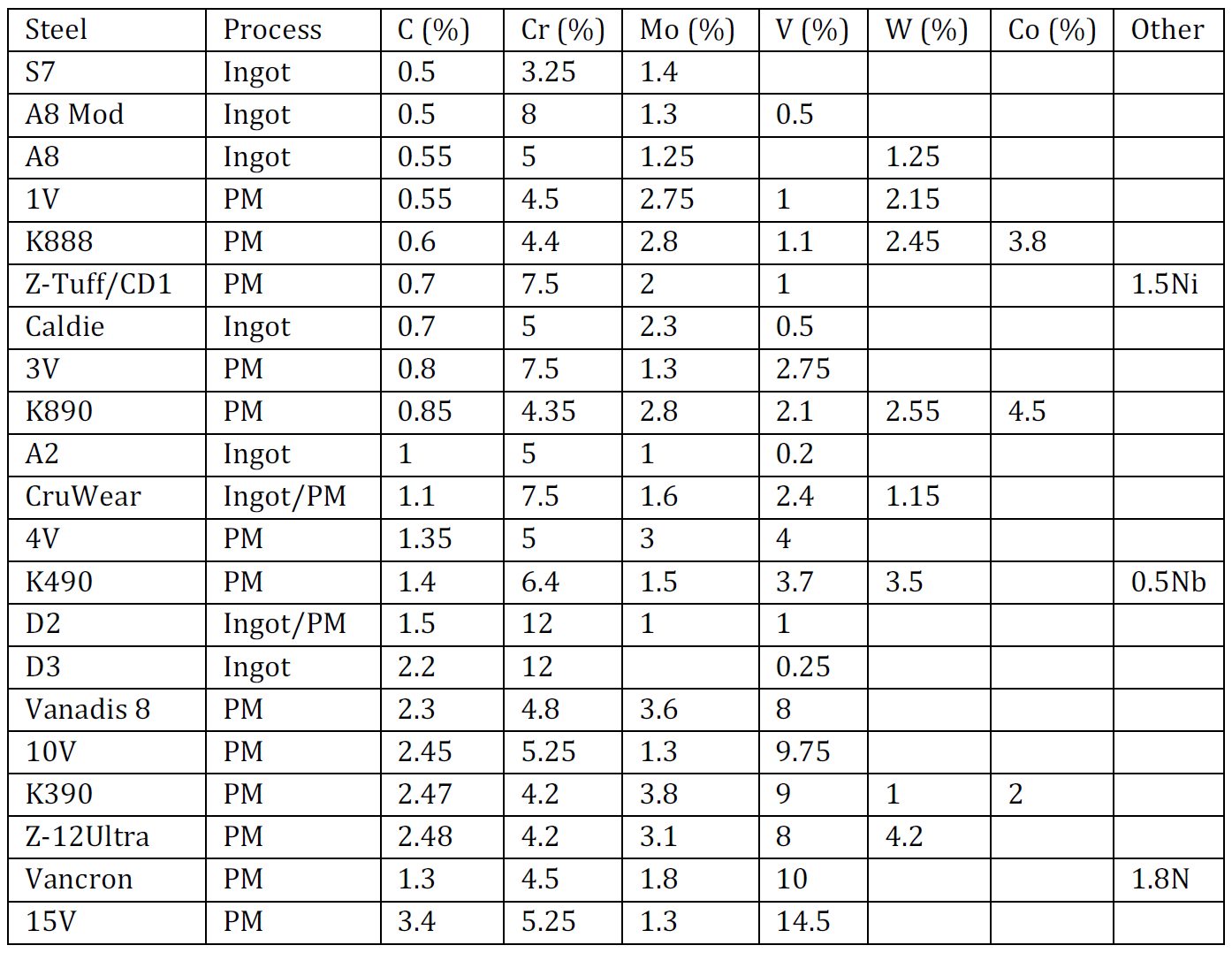
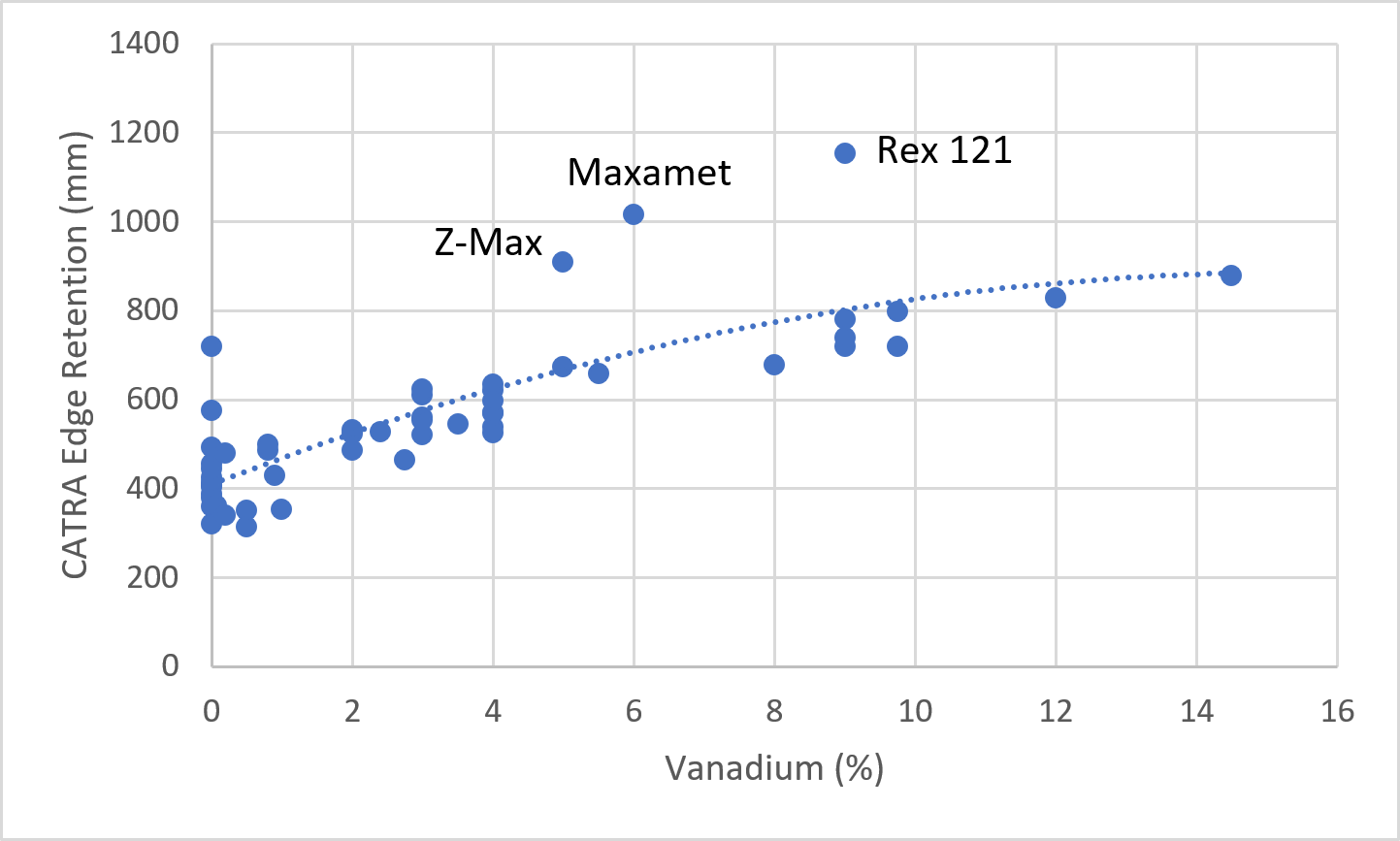
However, the type of carbide formed is just as critical as the volume. Vanadium carbides are significantly harder than chromium carbides, measuring approximately 2,800 on the Vickers scale compared to 1,500 for chromium carbides. Consequently, steels with even small additions of vanadium (such as CPM-3V or CPM-4V) exhibit superior edge retention compared to steels that rely solely on chromium for their wear resistance. When estimating properties, analysts categorize steels into groups: low-alloy steels with soft iron carbides (cementite), high-alloy steels with chromium carbides, and high-vanadium steels. By identifying which category a steel falls into based on its vanadium content, one can more accurately predict its placement on the edge-retention spectrum.
The Evolution of Toughness and the Impact of Manufacturing Technology
Toughness, defined as a material’s ability to resist chipping or breaking under impact, often exists in an inverse relationship with edge retention. As the volume of hard carbides increases to improve wear resistance, the steel typically becomes more brittle. This is because carbides, while hard, are also the primary sites where cracks initiate and propagate.
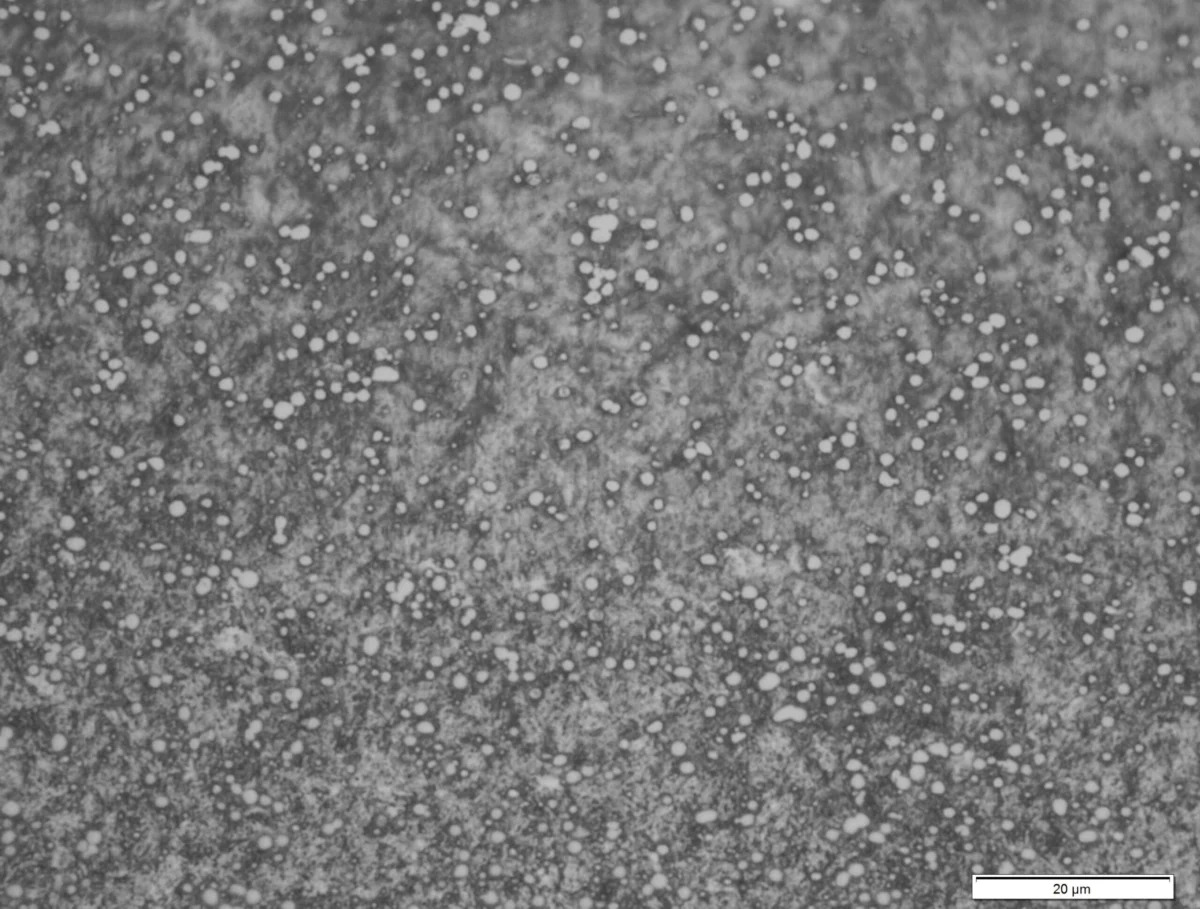
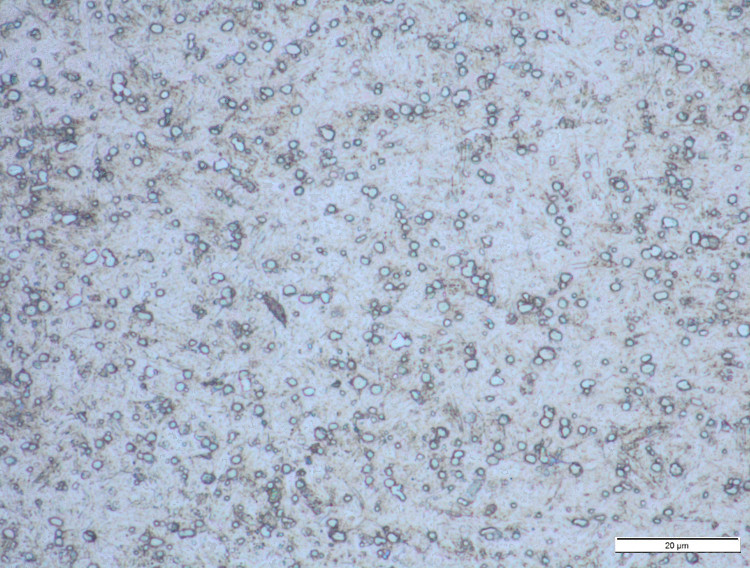
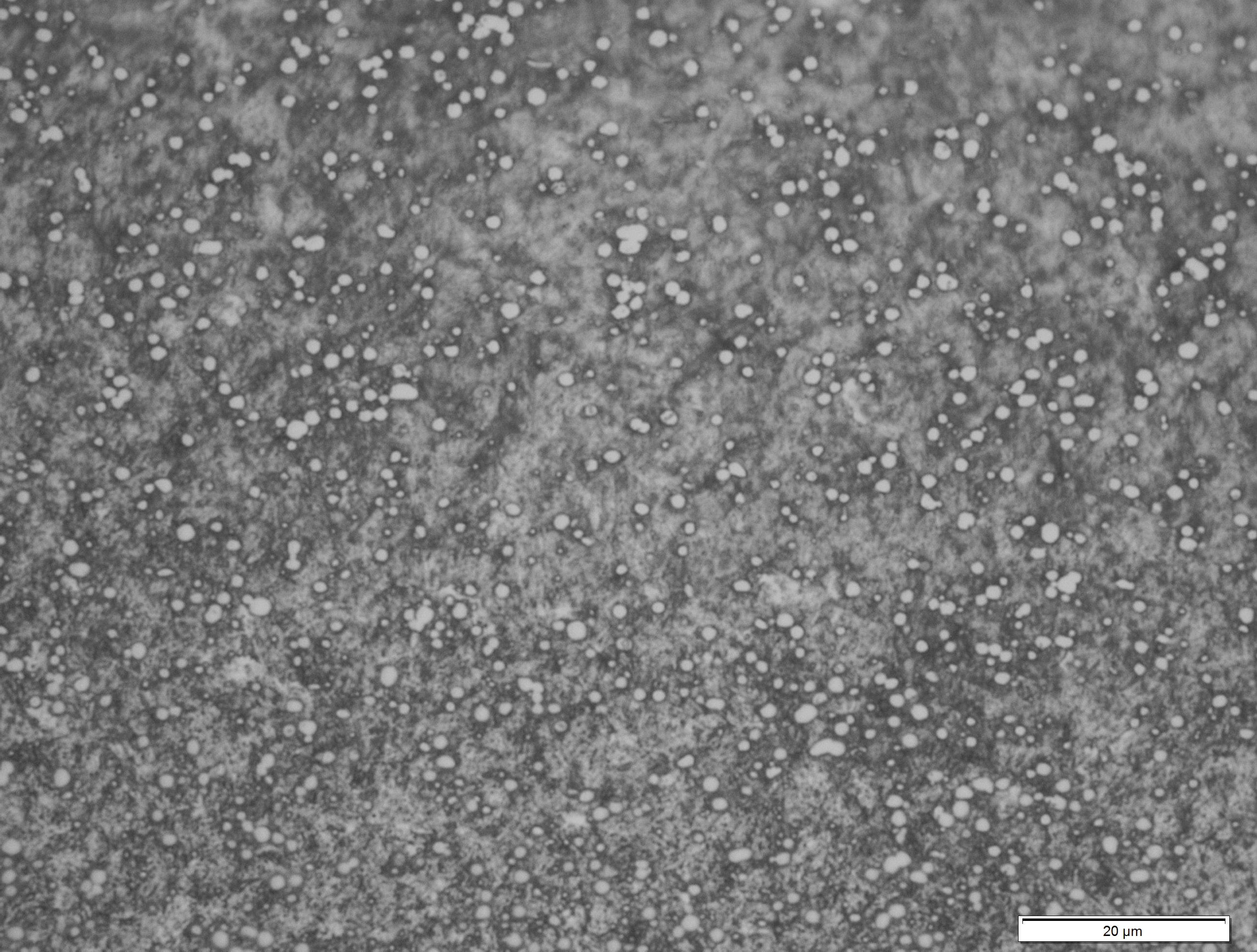
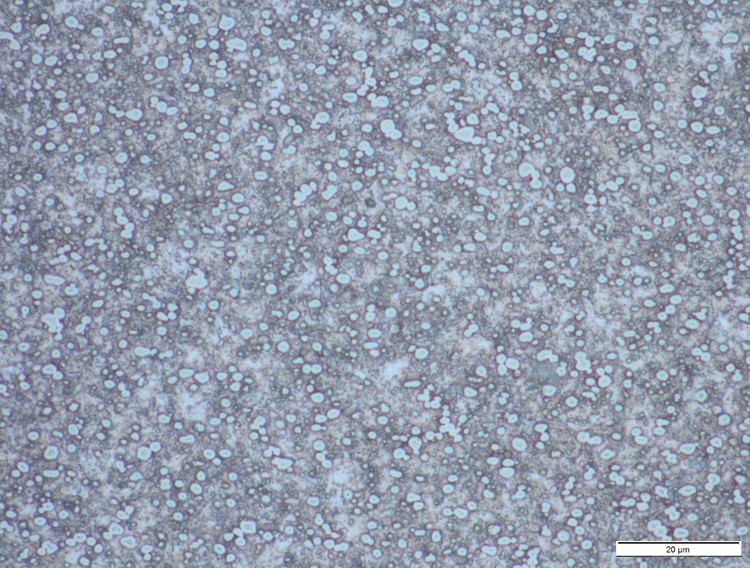
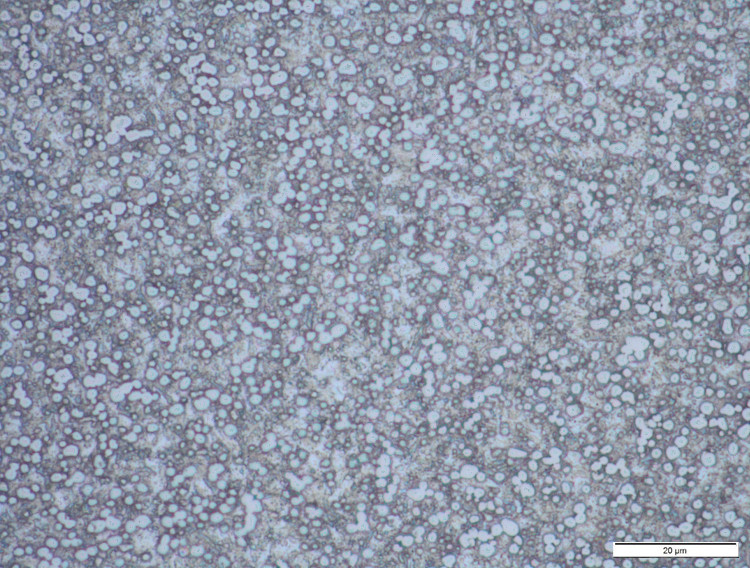
The chronology of steel development shows a significant breakthrough in the late 20th century with the commercialization of Powder Metallurgy (PM). In conventional steelmaking, molten metal is poured into large ingots. As the ingot cools slowly, the alloying elements have time to form large, uneven "stringers" of carbides. These large carbide clusters act as significant points of weakness. In contrast, the PM process involves atomizing molten steel into a fine powder that is then rapidly solidified. This "freezes" the carbides in a microscopic, uniform distribution.
Supporting data comparing D2 steel—a classic high-carbon, high-chromium tool steel—illustrates this phenomenon. Conventional D2 often exhibits low toughness due to its large chromium carbides. However, when produced via the PM process (as CPM-D2), the toughness increases significantly despite having the exact same chemical composition. Therefore, when estimating the properties of a steel, one must first determine if it is an "ingot" steel or a "PM" steel. For steels with more than 1% carbon, the PM process is almost essential for maintaining a functional level of toughness. Without it, the large carbides formed during slow cooling render the steel prone to catastrophic failure under lateral stress.
Quantifying Corrosion Resistance Through Chromium-to-Carbon Ratios
The definition of "stainless" steel in the cutlery world is generally accepted as any alloy containing at least 10.5% to 12% chromium. However, the presence of chromium alone does not guarantee corrosion resistance. The critical factor is "chromium in solution"—the amount of chromium that remains in the steel matrix to form a protective chromium oxide layer on the surface, rather than being "locked up" in carbides.
This creates a conflict in high-performance steels: carbon is needed for edge retention (by forming carbides), but that same carbon "steals" chromium to form those carbides, thereby reducing the steel’s ability to resist rust. To estimate corrosion resistance from a spec sheet, experts look at the ratio of chromium to carbon. For example, a steel like D2 contains 12% chromium, but its high carbon content (1.5%) consumes so much of that chromium that the steel is frequently classified as "semi-stainless" and will rust if not maintained.
Modern innovations have sought to decouple these properties. Nitrogen is increasingly used as a substitute for some carbon; because nitrogen does not form chromium carbides as readily, it allows more chromium to remain in solution. Steels like LC200N and Vanax utilize high nitrogen levels to achieve extreme corrosion resistance while maintaining edge-holding capabilities. Another breakthrough is found in CPM-MagnaCut, a steel specifically designed by metallurgist Larrin Thomas to eliminate chromium carbides entirely through precise balancing of chromium and vanadium. This allows the steel to achieve the corrosion resistance of a high-end stainless alloy with the toughness and edge retention of a non-stainless tool steel.
Chronology of High-Performance Knife Steels
The progression of steel technology provides context for why these estimation methods are necessary today.
- Early 20th Century: Simple carbon steels like 1095 and O1 dominated. Their properties were easy to predict: more carbon meant more hardness but less toughness.
- Mid-20th Century: The rise of stainless steels like 440C and 154CM introduced chromium carbides, offering a better balance of rust resistance and wear.
- 1970s-1990s: The introduction of the CPM (Crucible Particle Metallurgy) process allowed for much higher vanadium contents, leading to the "super steel" era with alloys like CPM-10V.
- 2000s-Present: A focus on "balanced" alloys emerged. Rather than maximizing a single property, steels like CPM-S35VN and eventually MagnaCut were engineered using computational thermodynamics to optimize the relationship between toughness, wear resistance, and corrosion.
Industry Implications and Consumer Empowerment
The ability to estimate steel properties based on composition has significant implications for both manufacturers and consumers. For years, the cutlery market was driven by "number chasing"—manufacturers would market a steel based solely on its Rockwell Hardness (HRC) or its high carbon percentage, often ignoring the resulting drop in toughness or corrosion resistance.
By applying a standardized estimation framework, consumers can now evaluate a new steel’s potential before purchasing. If a manufacturer claims a new alloy has "record-breaking edge retention" but the chemical composition shows low carbon and no vanadium, the claim can be factually disputed. Similarly, custom knifemakers can better select the appropriate material for a specific tool’s intended use. A heavy-duty chopping blade requires a steel with a lower carbon-to-toughness ratio (like 3V or 8670), while a professional chef’s knife benefits from the high-carbide, high-carbon profile of an alloy like ApexUltra or CPM-S90V.
Furthermore, this analytical approach encourages transparency among steel foundries. As the community of "steel nerds" grows, companies are pressured to provide more comprehensive data sheets, including impact toughness testing and corrosion salt-spray results, which were often omitted in the past.
Final Summary of Predictive Factors
Estimating the performance of a knife steel does not require a doctorate in metallurgy, but it does require a move away from anecdotal evidence toward a data-driven mindset. The primary takeaways for any evaluation are as follows:
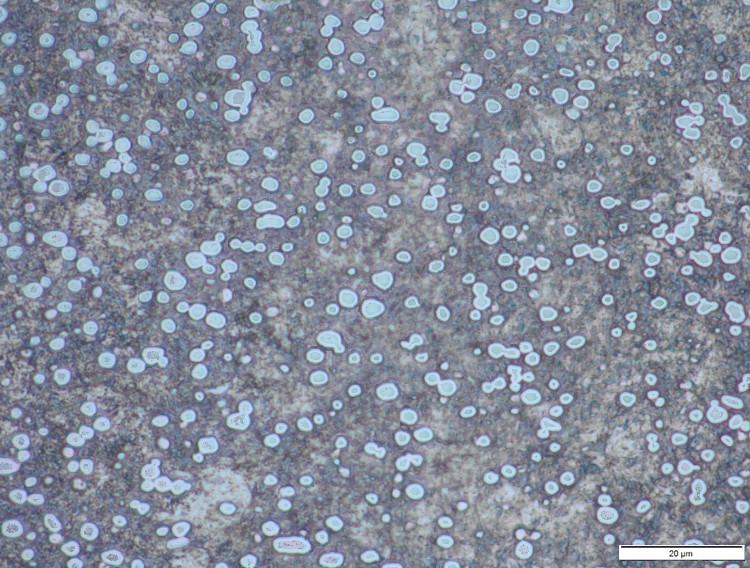
- Edge Retention: Predicted by carbon and vanadium levels. High vanadium (above 3%) ensures the presence of hard VC carbides, which drastically outperform chromium-based alloys.
- Toughness: Predicted by carbon levels and manufacturing method. PM steels will always outperform ingot steels at high carbon levels. Logarithmic scales show that once carbon exceeds 0.6%, toughness drops rapidly unless advanced processing is used.
- Corrosion Resistance: Predicted by the Cr/C ratio. A ratio above 7:1 generally indicates stainless behavior, though high vanadium levels can improve this by "sequestering" carbon and leaving chromium free to protect the surface.
While outliers exist—often due to poor heat treatment or unique trace elements—this framework provides a robust foundation for understanding the modern world of cutlery alloys. As artificial intelligence and computational modeling continue to advance, the predictability of these materials will only increase, leading to a future where "mystery steels" are a thing of the past.