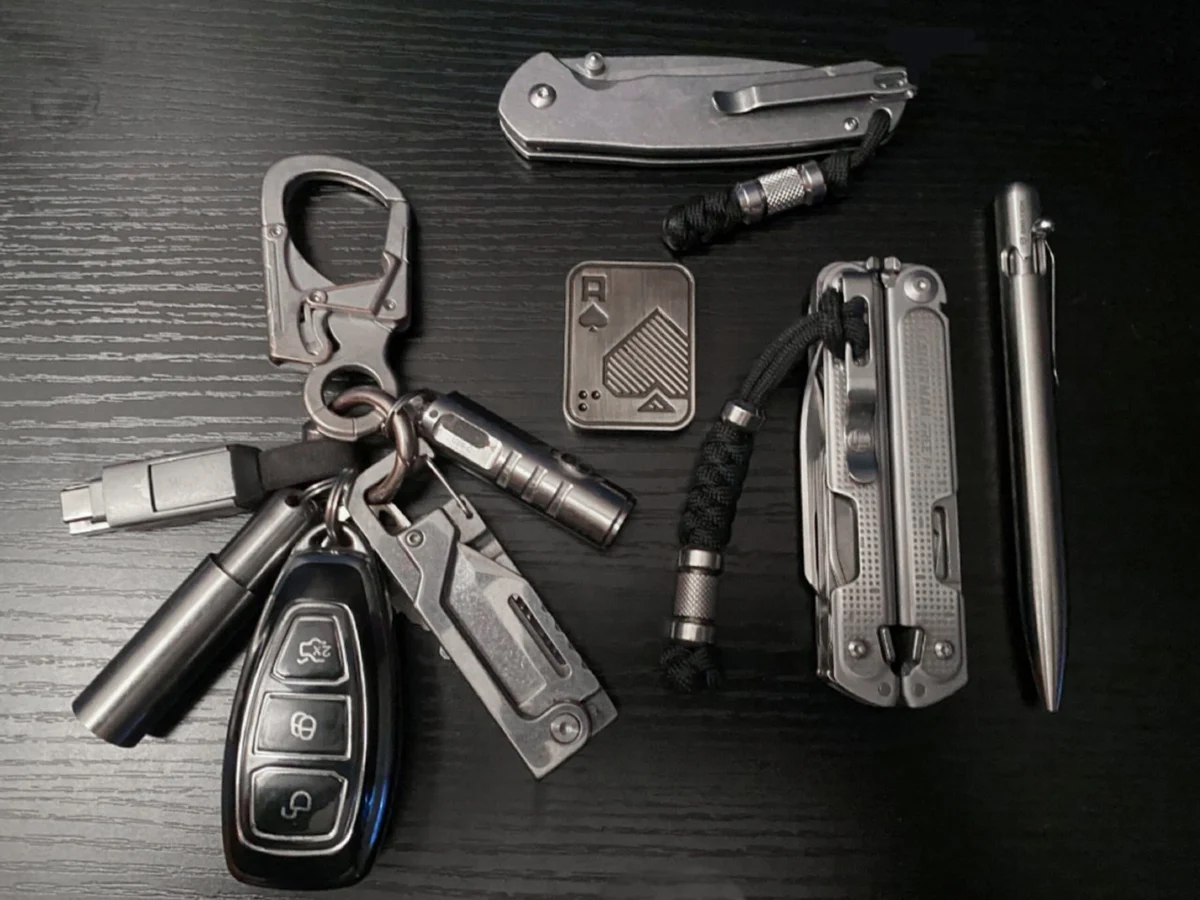
The modern industrial landscape requires a unique synthesis of manual dexterity and technical preparedness, a reality exemplified by the curated "Everyday Carry" (EDC) of professionals working within the manufacturing sector. Recent documentation of the equipment carried by Kamren, a dedicated factory worker and father, provides a comprehensive case study into how the demands of high-volume production environments—specifically those involving pipe maintenance and plastic fabrication—influence the selection of personal tools. This loadout, which balances heavy-duty utility with the nuanced needs of family life, reflects a broader global trend toward "tactical minimalism" and high-performance portability.
The Professional Context: Tools in the Manufacturing Environment
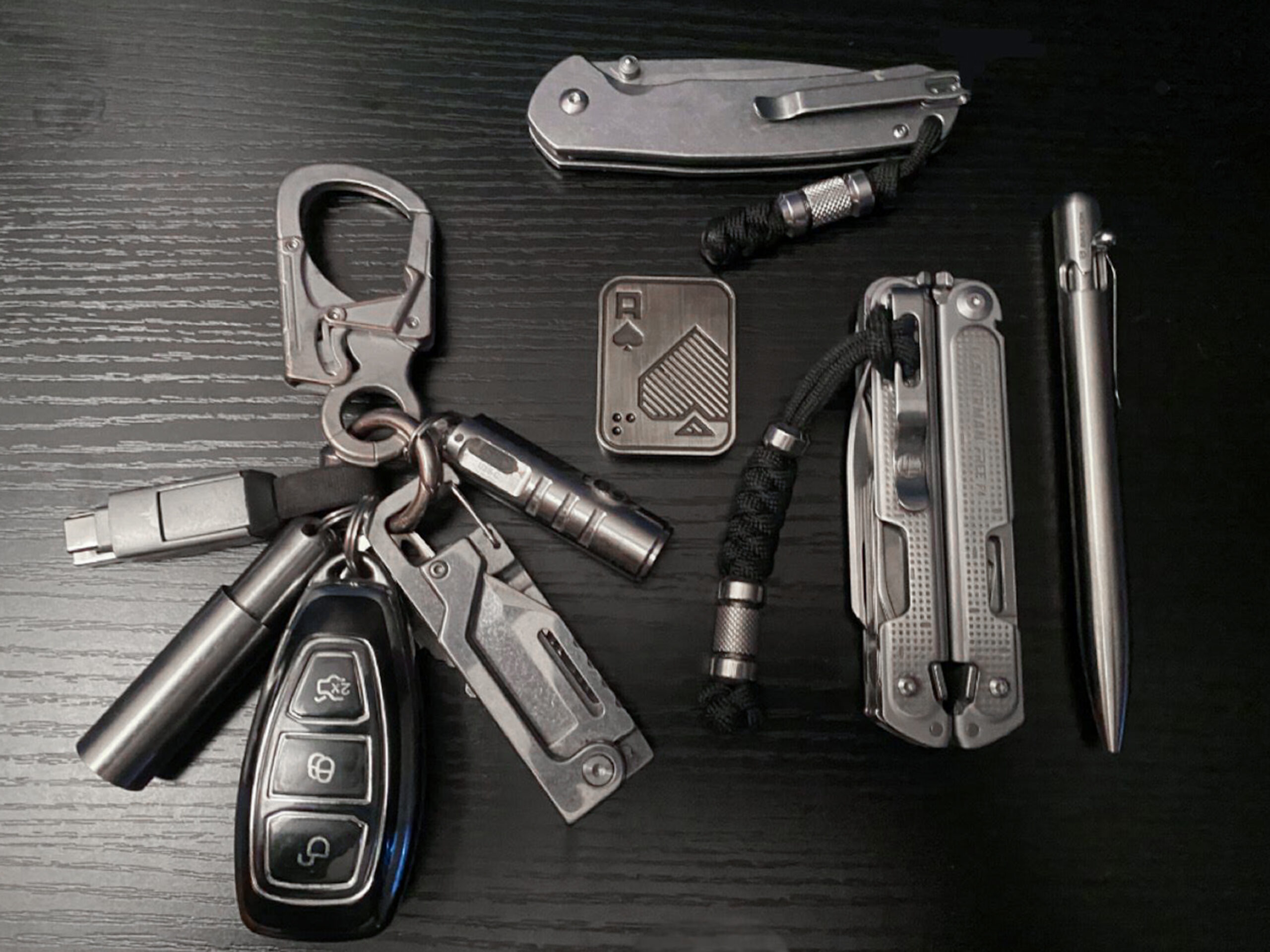
For a factory worker tasked with the constant cutting of pipes and the maintenance of complex machinery, the choice of a pocket knife is not merely a matter of preference but one of operational efficiency. Kamren’s selection of the CJRB Pyrite serves as a focal point for this analysis. The Pyrite has gained significant traction in the professional EDC community due to its use of AR-RPM9 steel, a proprietary powder metallurgy stainless steel that offers a balance of edge retention and ease of sharpening—qualities essential for a worker frequently slicing through various polymers and industrial plastics.
Furthermore, the mechanical design of the tool is critical. The button-lock mechanism allows for rapid, one-handed deployment and closure, ensuring that the user can keep one hand on the workpiece at all times. In a factory setting where "uptime" is the primary metric of success, the ability to perform quick repairs or material adjustments without returning to a central toolbox is a significant force multiplier.
Complementing the dedicated blade is the Leatherman FREE series multi-tool. Introduced as a revolutionary shift in multi-tool architecture, the FREE series utilizes a magnetic opening mechanism that eliminates the need for fingernail nicks, which can be difficult to use when wearing work gloves or when hands are slick with industrial lubricants. This tool provides the worker with pliers, wire cutters, and screwdrivers, effectively condensing a traditional belt pouch into a pocketable format.
Chronology of the Modern EDC Movement
To understand the sophistication of this specific loadout, one must examine the timeline of the EDC movement’s evolution.
- The Utility Phase (Pre-2010): Personal carry was largely utilitarian and unrefined, consisting of bulky multi-tools and traditional lock-back knives.
- The Enthusiast Explosion (2010–2018): Social media platforms allowed workers across various sectors to share their kits, leading to a demand for better materials (titanium, carbon fiber) and more ergonomic designs.
- The Integration Phase (2019–Present): The current era, where tools are designed to be "cross-functional." This is where we see the emergence of items like the Mordeco Nanosprayer and integrated charging cables. The focus has shifted from "what can I cut?" to "how can I remain prepared for any digital or physical contingency?"
Kamren’s kit represents the pinnacle of this Integration Phase. It is no longer just about the factory floor; it is about the transition from the industrial shift to the responsibilities of a "girl dad," a term that has come to symbolize a modern approach to fatherhood defined by active engagement and constant readiness.
Supporting Data: The Economic and Functional Value of Portable Tools
The global market for multi-tools and pocket knives has seen a steady Compound Annual Growth Rate (CAGR) of approximately 5.3% over the last five years. Industry analysts attribute this growth to the "prosumer" market—professionals who demand industrial-grade tools for personal use.
In the context of a factory worker, the data suggests that having immediate access to a multi-tool can save an average of 12 to 15 minutes per shift by reducing trips to a tool crib. Over a standard 250-day work year, this equates to over 50 hours of reclaimed productivity.
Furthermore, the inclusion of the RovyVon A4 flashlight highlights the critical nature of illumination in industrial maintenance. Modern LED technology, specifically the use of high-output CREE or Nichia chips in the A4, allows for a light no larger than a AAA battery to produce upwards of 650 lumens. This is a vital safety feature for workers inspecting the interior of pipes or the dark recesses of heavy machinery where overhead lighting is insufficient.
The Keychain as a Functional Platform
A notable aspect of this specific EDC configuration is the heavy utilization of the keychain. While some critics in the community argue that a crowded keychain can become cumbersome, industry experts suggest it remains an underrated platform for "micro-carry."
The inclusion of a charging cable and a Mordeco Nanosprayer (a portable cologne or sanitizer atomizer) on the keychain illustrates a shift toward lifestyle maintenance. For a factory worker, the ability to quickly transition from a greasy industrial environment to a clean, family-oriented setting is facilitated by these small additions. The "monochrome metal" aesthetic, often achieved through the use of stonewashed steel or titanium, provides a professional look that resists the visible wear and tear of a factory environment.
The use of paracord lanyards further enhances this setup. Paracord, originally used in parachute suspension lines, provides a tactile grip for retrieving tools from deep pockets and can be unraveled in emergency situations to provide high-tensile-strength cordage.
Expert Analysis and "Editor’s" Perspective
Industry commentators have frequently vouched for the specific components found in this loadout. The consensus among tool reviewers is that the CJRB Pyrite and Leatherman FREE series represent the "gold standard" for the working professional.
"The keychain is often dismissed as a secondary storage area," noted one EDC analyst in a recent industry white paper. "However, when you see the integration of a RovyVon light and a charging solution, you are looking at a user who has optimized every square inch of their person for maximum utility. This isn’t just a collection of gadgets; it is a mobile workstation."

The "Editor’s Note" accompanying the original documentation of this kit emphasizes the monochrome aesthetic, which is more than just a stylistic choice. In industrial settings, bright colors can be distracting, while a uniform metallic look often signals a level of professional discipline. The editor’s validation of the Mordeco Nanosprayer further underscores the modern reality: preparedness now includes personal grooming and digital connectivity.
Broader Impact and Social Implications
The rise of specialized EDC kits like Kamren’s has significant implications for the manufacturing and tool industries. Manufacturers are increasingly looking at "pocket-ability" as a primary design constraint.
- Tool Miniaturization: Brands are racing to create the smallest possible versions of essential tools without sacrificing the structural integrity required for industrial work.
- The "Fatherhood Preparedness" Market: There is a growing niche for products marketed toward fathers who want to be the "hero" of the household—the person who can fix a toy, open a difficult package, or provide light during a power outage instantly.
- Workplace Safety: The adoption of high-quality personal lighting and cutting tools reduces the likelihood of "improvising" with dangerous, non-standard equipment on the factory floor.
The "girl dad" aspect of this story is perhaps the most culturally resonant. It suggests that the modern worker does not leave their professional skills at the factory gate. The same precision used to fix a machine is applied to the domestic sphere. Whether it is using the Leatherman pliers to repair a broken zipper on a child’s backpack or using the RovyVon light to find a lost toy under a car seat, the tools of the trade have become the tools of the home.
Conclusion: The Future of Industrial EDC
As we look toward the future of the manufacturing sector, the integration of personal technology and traditional hand tools will likely deepen. We may soon see the inclusion of smart-sensors in multi-tools or augmented reality (AR) interfaces that sync with the worker’s flashlight.
For now, the kit carried by workers like Kamren represents the current state of the art: a rugged, dependable, and highly efficient collection of steel and electronics. It is a testament to the fact that in the modern world, being "ready for anything" is not a hobby—it is a professional requirement and a personal commitment to one’s family. The factory floor is a demanding environment, but with the right tools in hand, the modern worker is more than capable of meeting its challenges while remaining prepared for the "random stuff" that life as a parent inevitably provides.