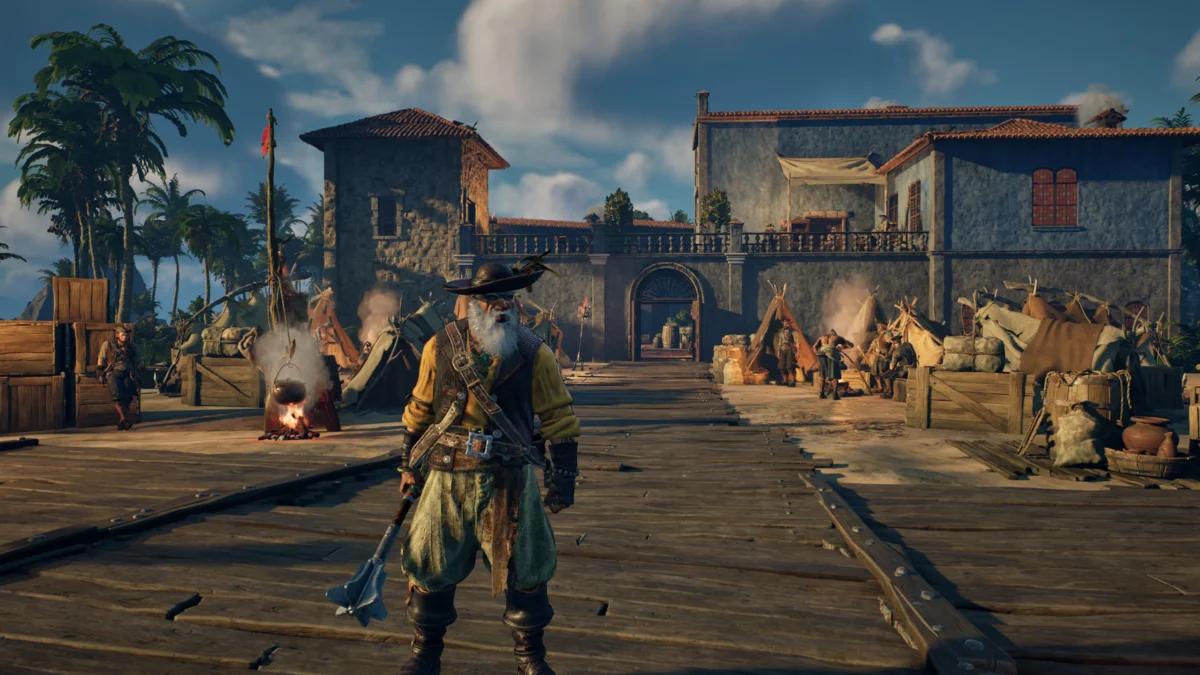
Venturing through the treacherous, procedurally generated seas of the pirate survival game Windrose, players often find themselves engaged in fierce naval battles, resource gathering, and the constant struggle for survival against both AI adversaries and the elements. After hours of navigating the open ocean, fending off rival buccaneers, and meticulously salvaging crates of provisions and vital medicine, a common destination emerges: the iconic island of Tortuga. This historical haven for pirates, often romanticized in fiction, serves as a significant hub within Windrose, housing various essential services, including a bounty agent and a provisioner for the "People of Tortuga" faction. However, a peculiar design choice within the game has consistently puzzled players, leading to extensive searches and widespread confusion: the buyer for the People of Tortuga faction is conspicuously absent from the very island that bears the faction’s name. This unconventional placement necessitates a specific, multi-stage questline to uncover their true location, adding an unexpected layer of complexity to the game’s trade mechanics.
The Initial Frustration: A Buyer Lost at Sea
Upon first reaching Tortuga, a primary objective for many players is to offload accumulated cargo, particularly the faction-specific provisions and medicine, to earn much-needed coin and bolster their standing with the People of Tortuga. The logical assumption, guided by conventional game design, is that a faction’s buyer would be situated within their primary stronghold or a designated trading post on their namesake island. Consequently, players meticulously scour every corner of Tortuga, from its bustling docks to its shadowed alleys, seeking the merchant who will accept their goods. This intensive, yet ultimately fruitless, search often culminates in a growing sense of frustration as the elusive buyer remains undiscovered. The game offers no immediate in-game prompt or clear navigational marker for this crucial NPC, leaving players to question whether they are overlooking something obvious or encountering an intentional, albeit perplexing, game mechanic. This scenario highlights a common tension in procedurally generated survival games: the balance between fostering exploration and discovery, and providing sufficient guidance to prevent player disengagement.
Navigating the Uncharted Waters: The Quest for Clarity
The absence of the buyer on Tortuga is not an oversight by players but rather an embedded design choice by Windrose’s developers, Kraken Express. This decision, while perhaps aiming to encourage deeper engagement with the game’s questlines and exploration systems, inadvertently creates a significant hurdle for new and even experienced players seeking straightforward trade routes. Unlike many traditional RPGs or open-world games that clearly mark essential vendors on maps, Windrose deliberately obscures the buyer’s location, requiring players to embark on a specific narrative journey to reveal it. This approach can be seen as both a challenge and a potential point of friction, depending on a player’s tolerance for emergent gameplay and reliance on community-generated guides.
Chronology of Discovery: The Path to the Hidden Buyer
The convoluted path to the People of Tortuga buyer is intricately woven into several early-game quests, guiding players through various islands and introducing them to key non-player characters (NPCs). The journey typically begins after players have established a foundational understanding of the game’s mechanics, including combat, navigation, and basic resource management.
-
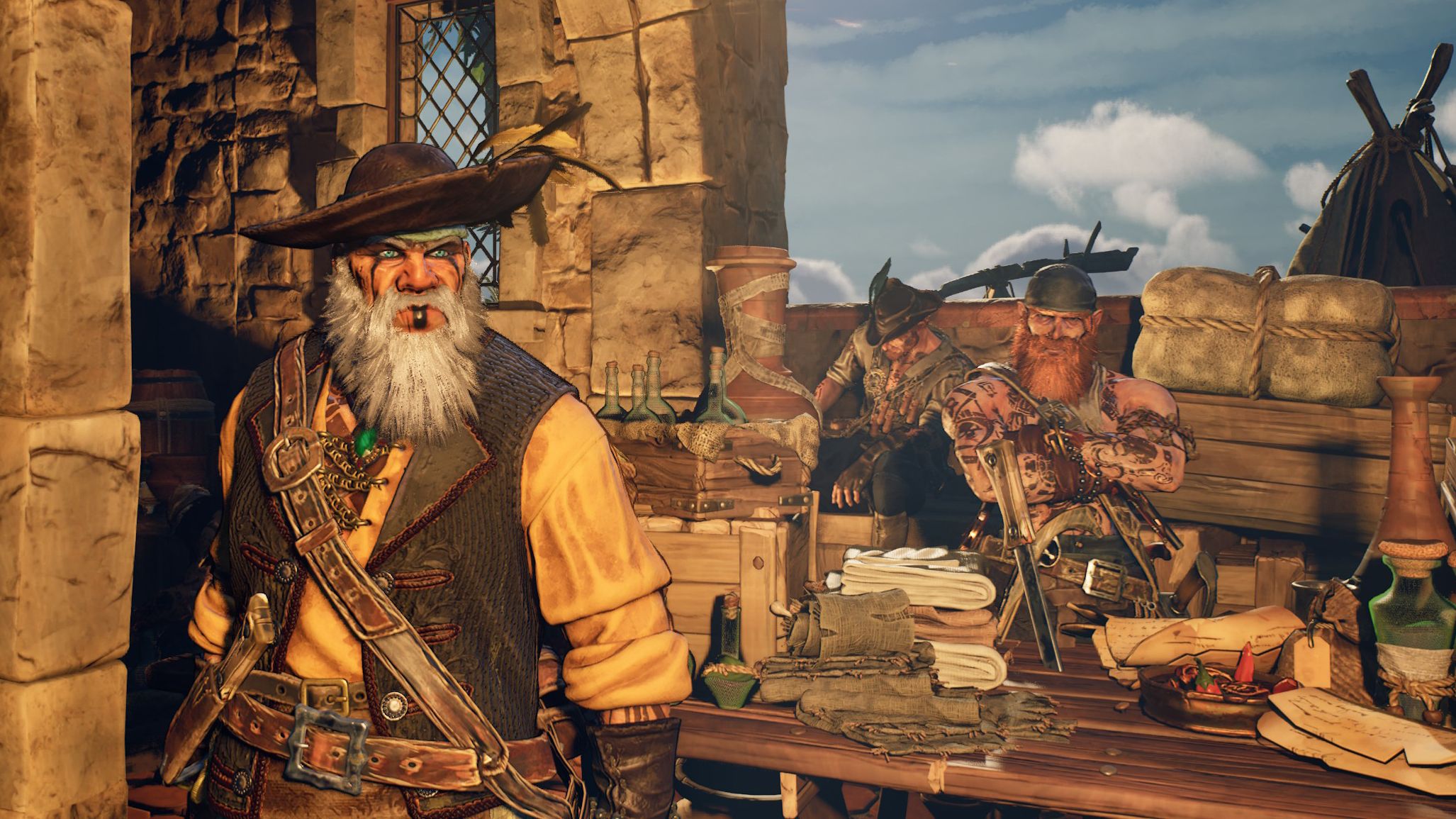
Arrival at Tortuga and Initial Frustration: Players first arrive at Tortuga, discover the People of Tortuga faction, locate their bounty agent and provisioner, but fail to find the specific buyer for provisions and medicine. This initial period is characterized by exploration and the accumulation of faction-specific loot that cannot yet be sold.
-
Initiating "Glorious Hunters": The crucial turning point begins with the discovery of a quest titled "Glorious Hunters." This quest is typically encountered early in a player’s progression and involves investigating an abandoned camp belonging to missing boar hunters. This quest serves as an initial breadcrumb, drawing players away from the immediate vicinity of Tortuga and into the broader game world.
-
Encountering the Buccaneers and Henri: Following the "Glorious Hunters" questline eventually leads players to the headquarters of the Buccaneers faction. This discovery is significant, as it marks a new point of interest on the player’s map and introduces a new set of NPCs and quest opportunities. Among these, players will find Henri, a key figure within the Buccaneers.
-
The "Buccaneers" Questline – Part One: Gunpowder Delivery: Upon interacting with Henri, players are given another quest, aptly named "Buccaneers." The first stage of this quest requires players to deliver 50 bags of gunpowder. This task often presents an immediate challenge, especially for those early in their playthrough, as crafting gunpowder might not yet be an option. Players must then resort to clearing out various points of interest, such as abandoned camps, ruins, and other hostile locations, where gunpowder can commonly be found in chests. This phase of the quest implicitly encourages players to engage in combat and exploration, often recommending a temporary reliance on melee combat to conserve precious gunpowder for the delivery.
-
The "Buccaneers" Questline – Part Two: Tanned Hides to Charlie Sharpe: Once the gunpowder is delivered to Henri, the quest progresses to its second, and most critical, stage. Henri tasks the player with delivering a shipment of tanned hides to an individual named Charlie Sharpe. This particular step is the lynchpin for finding the elusive buyer. Crucially, accepting this part of the quest automatically adds a new marker to the player’s map. This marker does not point back to Tortuga, but instead reveals the location of Charlie Sharpe on an entirely separate island.
-
Unveiling Charlie Sharpe and the People of Tortuga Buyer: Upon reaching the island indicated by the new map marker, players finally encounter Charlie Sharpe. It is here, on this previously unknown island, that the buyer for the People of Tortuga faction is located. This discovery unlocks the ability for players to sell their accumulated medicine and provisions, finally completing a cycle of collection and trade that was initially obstructed.
The Strategic Implications of Obscured Mechanics
The decision to place a key faction buyer off-island and behind a multi-stage questline has several strategic implications for Windrose’s gameplay and player experience. From a game design perspective, it encourages extensive exploration, a core tenet of survival games. Players are compelled to venture beyond initial hubs, discover new islands, and engage with various faction questlines, thereby extending the perceived playtime and depth of the game world. It also fosters a sense of accomplishment when the buyer is finally located, rewarding perseverance and deductive reasoning.
However, this design also presents significant challenges. For players accustomed to more direct quest markers and intuitive trade systems, the hidden buyer can lead to considerable frustration and potentially deter them from continuing. In a genre where resource management and efficient trading are paramount for progression, an inaccessible buyer can cripple early-game economic stability. This often drives players to external resources, such as online guides or community forums, to find solutions, highlighting the crucial role of player communities in deciphering complex or unclear game mechanics.
Beyond the Buyer: Additional Benefits of the Discovery Island
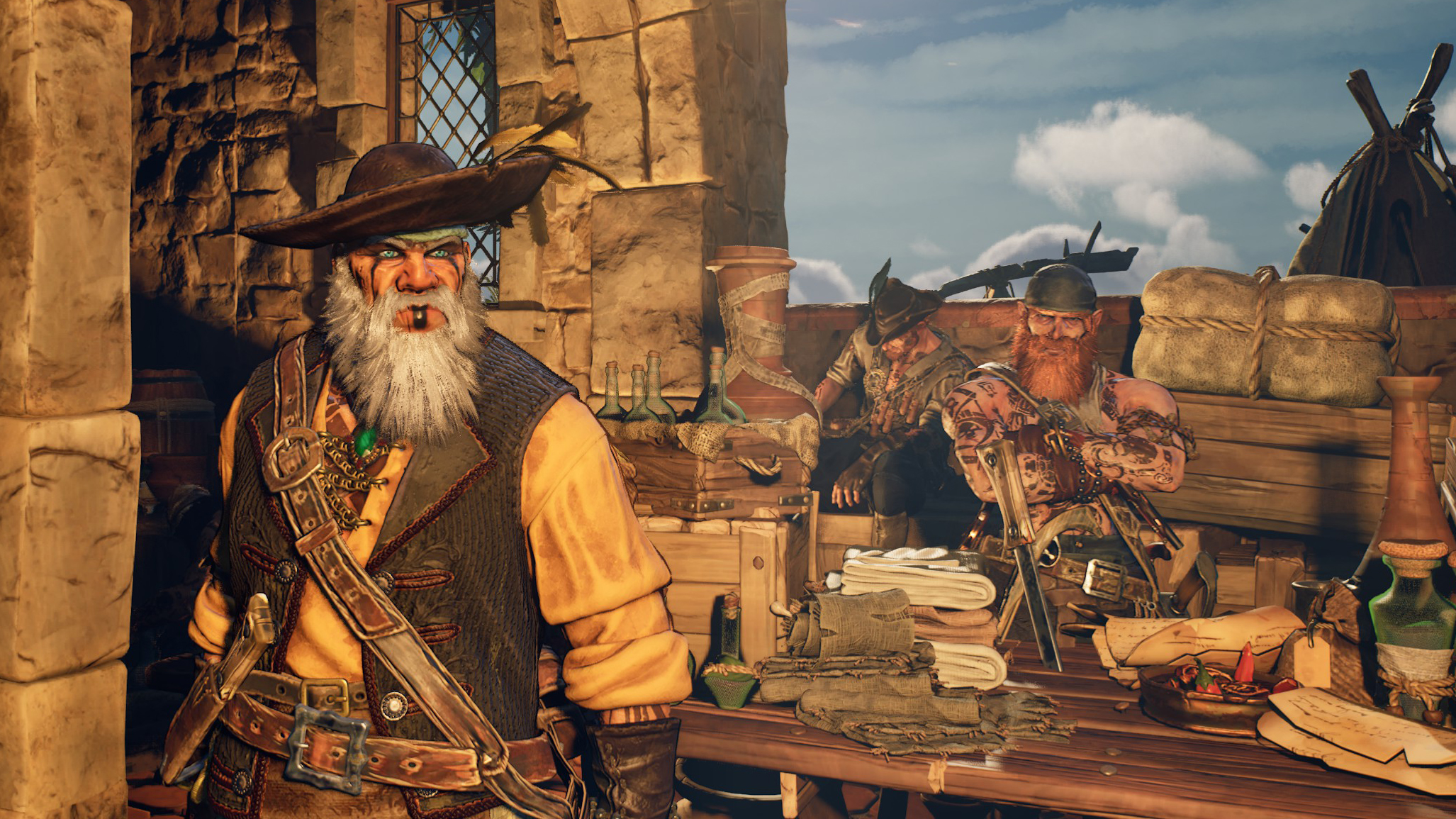
The island where Charlie Sharpe and the People of Tortuga buyer are located offers more than just a trading opportunity. It serves as another micro-hub within the expansive world of Windrose, providing additional services and incentives for players to frequent it.
- Another Bounty Agent: Similar to Tortuga, this island hosts another bounty agent. This allows players to further increase their reputation with the People of Tortuga faction by completing tasks and turning in bounties, unlocking higher tiers of faction rewards and potentially access to better gear or blueprints.
- Black Axel, the Cook: A notable NPC found on this island is Black Axel, a cook available for hire. For a fee of 500 coins, players can recruit Black Axel to work at their base. Black Axel possesses a unique trait: a 30% chance to craft an extra potion whenever he is active. This bonus is invaluable for survival, as potions are crucial for healing, buffs, and mitigating various environmental hazards encountered during exploration and combat. Hiring Black Axel significantly enhances a player’s self-sufficiency and resource generation capabilities, reinforcing the value of discovering this hidden island.
The Broader Context of Pirate Survival Games and Procedural Generation
Windrose operates within the popular and ever-evolving genre of pirate survival games. Titles like Sea of Thieves, Atlas, and even elements of Assassin’s Creed IV: Black Flag have popularized the allure of high-seas adventure, ship-to-ship combat, and the freedom of a pirate’s life. A common thread among many modern survival games, including Windrose, is the implementation of procedural generation. This technology allows for vast, unique worlds to be created for each playthrough, enhancing replayability and ensuring that no two player experiences are exactly alike.
While procedural generation offers immense benefits in terms of freshness and exploration, it also introduces design complexities. Ensuring that critical quest paths and NPC locations remain discoverable, yet challenging, within a dynamically generated world is a delicate balancing act. In the case of Windrose’s hidden buyer, the procedural nature of the map means that a simple "X marks the spot" solution, as seen in static-map games, is not feasible. Instead, developers must rely on quest markers tied to specific NPC interactions, which, while functional, can feel less intuitive than direct navigation.
Developer Intent and Community Engagement
Kraken Express, as the developer of Windrose, likely intended for this quest structure to encourage player investment in the game’s narrative and exploration loop. By embedding essential services within questlines, they push players to engage with the world more deeply rather than simply fast-traveling between known vendor locations. This can contribute to a richer, more immersive experience where discoveries feel earned.
However, the modern gaming landscape also thrives on community collaboration. When game mechanics are obscure, players naturally turn to each other for assistance. Forums, wikis, and video guides quickly emerge, filling in the gaps left by intentional ambiguity or perceived lack of in-game guidance. This dynamic creates a symbiotic relationship between developers and their player base, where the community actively contributes to the collective understanding and enjoyment of the game. The "missing buyer" scenario in Windrose is a prime example of how such design choices can inadvertently foster a strong, collaborative player community dedicated to unraveling the game’s secrets.
Conclusion: A Calculated Challenge in the High Seas
The journey to find the People of Tortuga buyer in Windrose is more than just a simple fetch quest; it is a microcosm of the challenges and rewards inherent in the pirate survival genre. It underscores the importance of thorough exploration, strategic quest engagement, and the often-unpredictable nature of procedurally generated worlds. While the initial frustration of a seemingly absent vendor can be significant, the eventual discovery, facilitated by the "Glorious Hunters" and "Buccaneers" questlines, offers a tangible sense of accomplishment and unlocks vital trading opportunities. Moreover, the hidden island not only resolves a key economic bottleneck but also introduces valuable resources like additional bounty agents and the potion-crafting cook, Black Axel, further enriching the player’s base of operations. This intricate design, whether by deliberate intent or emergent complexity, solidifies Windrose’s place as a game that rewards perseverance and the willingness to navigate both its literal and metaphorical uncharted waters.